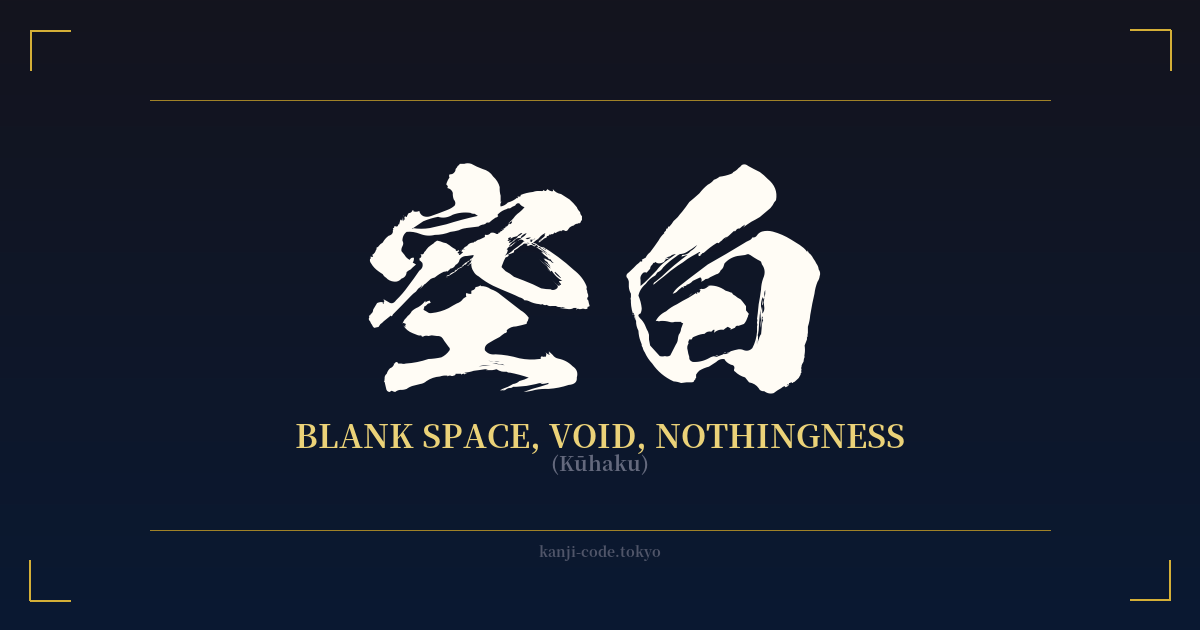
✍️ 空白 (Kūhaku) — Cultural Context
空白 (Kūhaku) literally translates to 'blank space,' 'vacuum,' or 'empty space.' It’s the word you’d use to describe an unfilled box on a form or a blank page waiting for words. But to dismiss it as mere emptiness would be to miss its profound depth in Japanese culture, where what is left unsaid or unfilled is often as important as what is present.
At its heart, Kūhaku is deeply connected to the aesthetic and philosophical concept of 間 (Ma). Ma refers to the interval, the gap, or the negative space in time and art. It is the silent pause in a piece of music that gives the notes their power, the unpainted silk in a sumi-e painting that defines the subject, and the carefully arranged emptiness in a room that creates a sense of peace. Kūhaku is the physical manifestation of Ma—the blank canvas that holds infinite potential.
This idea of a 'pregnant void' is also central to Zen Buddhism. Kūhaku resonates with the concept of 無 (Mu), or nothingness. In Zen, this is not a nihilistic void but a state of pure potentiality, free from the clutter of ego, desire, and preconceived notions. It is the mental 'blank space' one seeks to achieve through meditation—a state of mind open enough to receive insight and enlightenment. To embrace Kūhaku is to embrace the beginning, the clean slate, the possibility of creating something new from a space of stillness and clarity.
In art and design, Kūhaku is a fundamental principle. Traditional Japanese art, from ink wash paintings to ikebana (flower arranging) and garden design, masterfully uses empty space to create balance, focus, and elegance. The emptiness is not 'nothing'; it is an active and essential component of the composition. It allows the viewer's eye to rest and their imagination to participate in the work, filling the void with their own meaning and emotion.
Therefore, Kūhaku represents a powerful duality. On one hand, it is the simple, literal absence of content. On the other, it is a rich philosophical concept symbolizing potential, creativity, mindfulness, and the beauty of simplicity. It teaches that space and silence are not to be feared or rushedly filled, but to be valued as the very source of meaning and creation.
🖌️ Font Styles for 空白
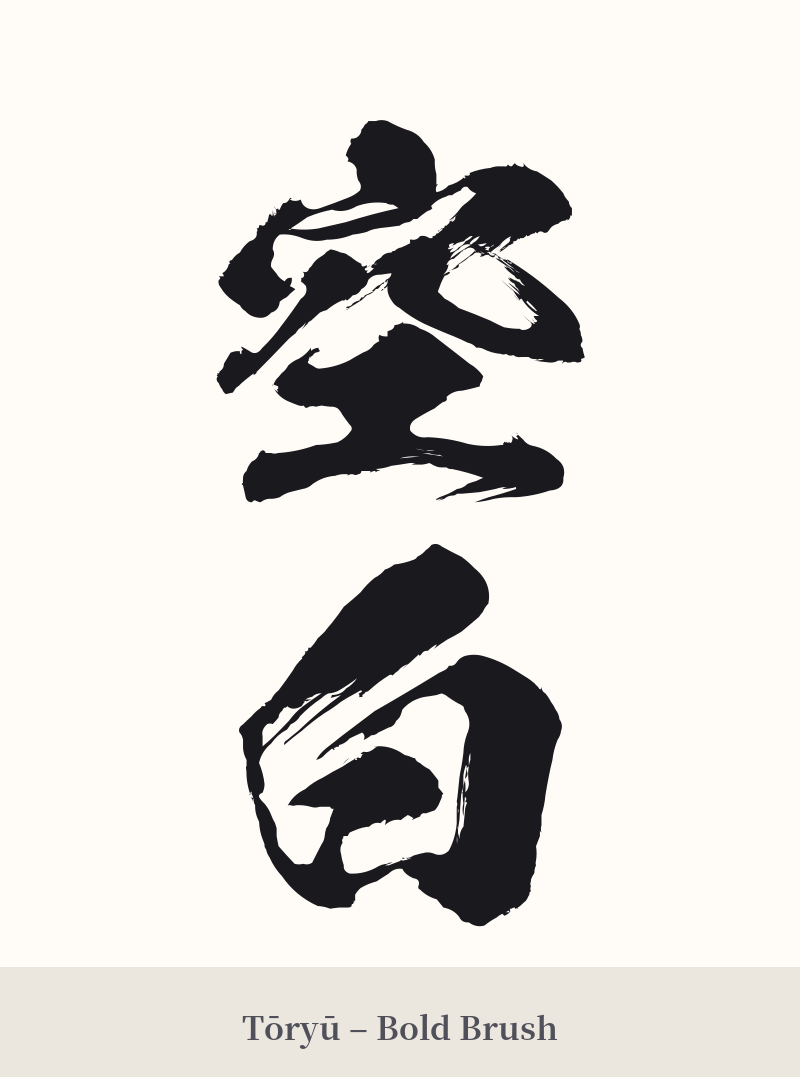
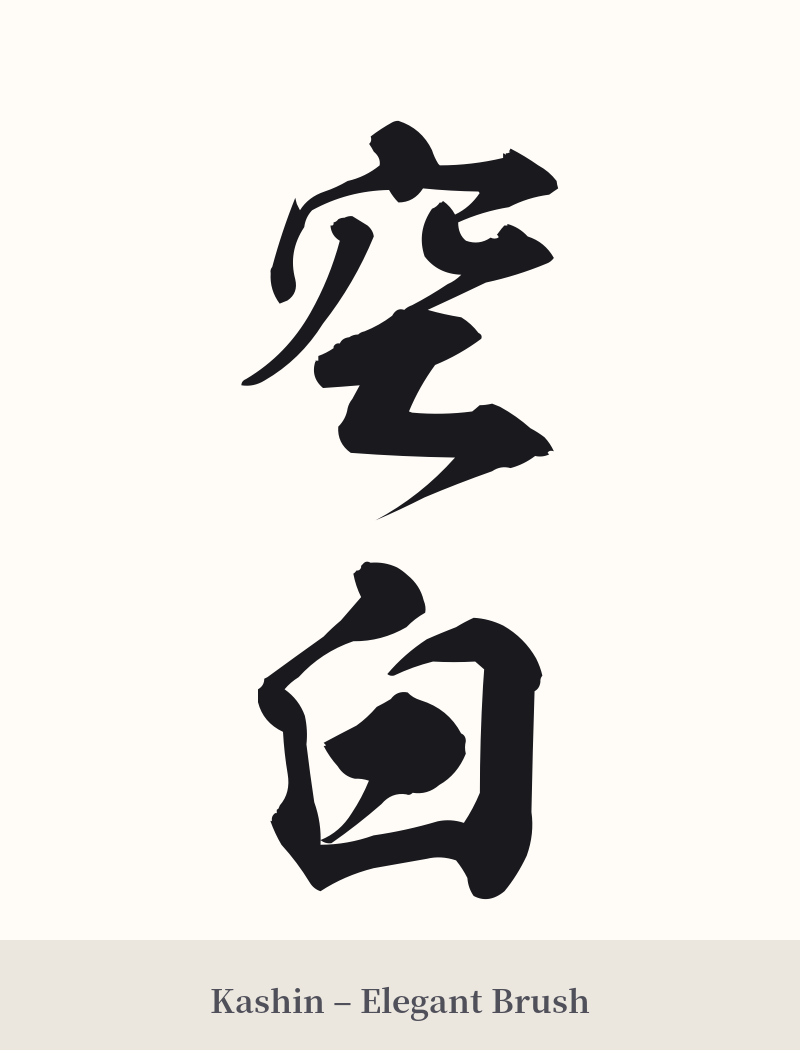
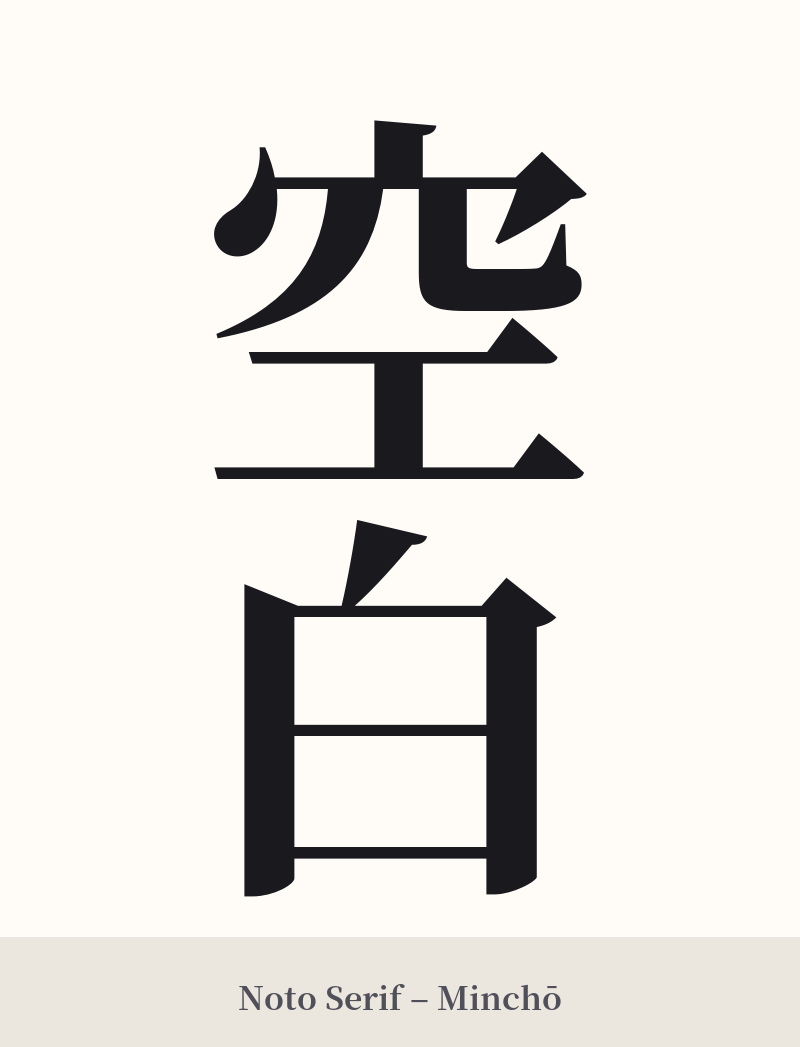
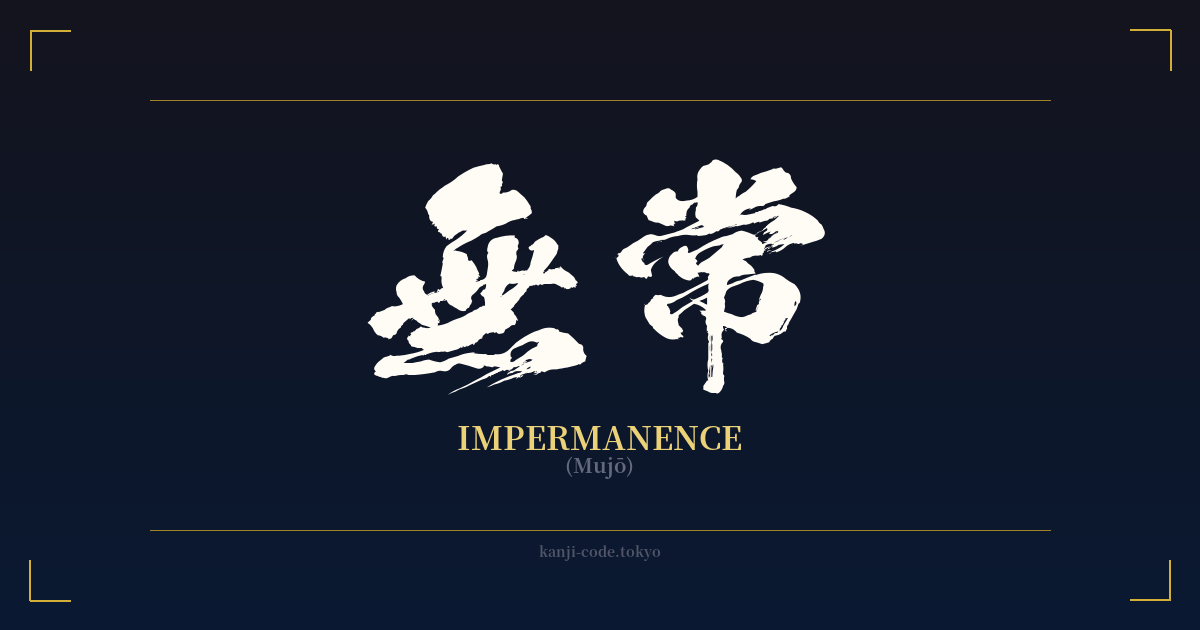
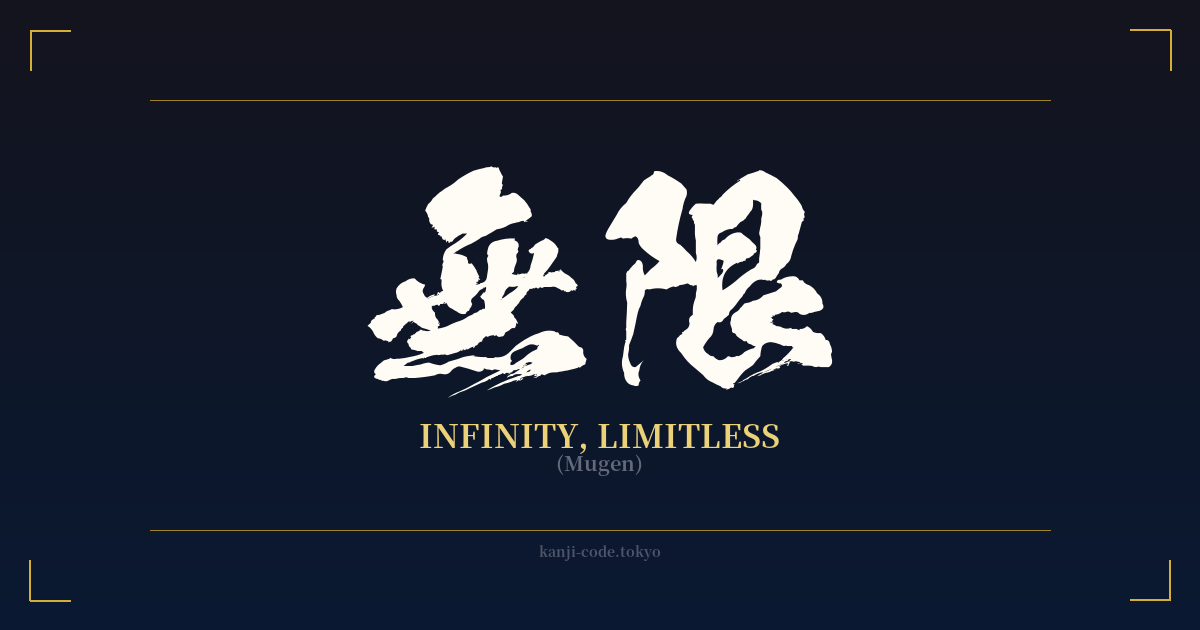
The same kanji can look dramatically different depending on the calligraphy style. Choose a font that matches the mood you want for your tattoo or design.
🎨 Tattoo Suitability
📐 Tattoo Design Guide
A tattoo of 空白 (Kūhaku) is a statement of minimalism and philosophical depth. The design should reflect this 'less is more' ethos.
– Placement: This design works well in places that are either contemplative or have a clean linear flow. Consider the inner forearm, the back of the neck just below the hairline, along the collarbone, or vertically down the spine.
– Font Style: A classic, crisp Kaisho (block script) font emphasizes the 'blank space' concept with its clarity and structure. For a more artistic and personal feel, a fluid Gyōsho (semi-cursive) script can evoke a sense of creative potential. Avoid overly ornate or aggressive styles, which would contradict the word's calm, minimalist meaning.
– Visual Tips: The key is to let the kanji breathe. Ensure there is ample negative space around the tattoo itself. You could even incorporate the concept into the design by having the strokes appear as if they are painted on the skin with a dry brush, leaving gaps and imperfections that celebrate the idea of 'Ma'. Pairing it with a simple Enso (Zen circle) can beautifully reinforce the themes of void and totality.
Comments