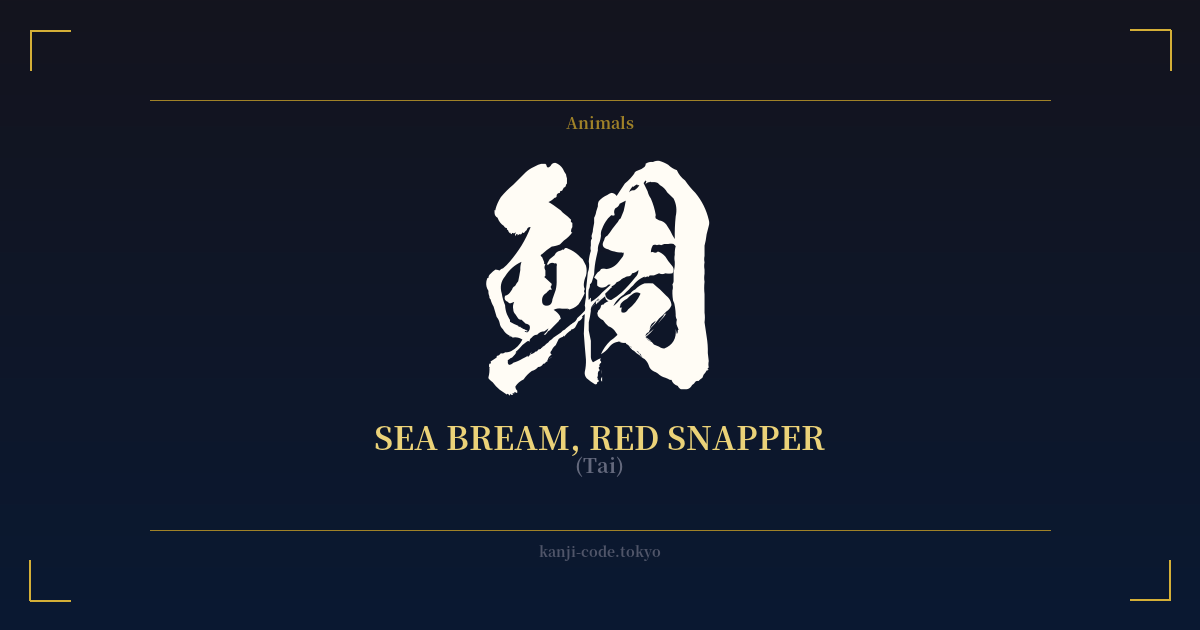
✍️ 鯛 (Tai) — Cultural Context
In Japan, the 鯛 (Tai) is far more than just a fish; it is a powerful symbol of good fortune, celebration, and prosperity. Its significance is deeply woven into the fabric of Japanese culture, primarily through a clever play on words. The word 'tai' is a homophone for the final part of 'medetai' (めでたい), the Japanese word for auspicious, celebratory, or happy. This linguistic link has elevated the sea bream from a simple food item to a cultural icon of joy.
Whenever there is a significant event to celebrate—a wedding, a birth, a graduation, or the New Year—the tai is often the centerpiece of the feast. It is traditionally served whole, often grilled with salt (塩焼き, shioyaki), symbolizing completeness and a fortunate beginning and end. Its vibrant red skin also contributes to its lucky status, as red is a color associated with warding off evil spirits and bringing good luck in many East Asian cultures.
The sea bream's importance is further cemented by its association with Ebisu (恵比寿), one of the Seven Lucky Gods (七福神). Ebisu is the patron deity of fishermen and good fortune, almost always depicted with a fishing rod in one hand and a large, magnificent tai in the other. This imagery reinforces the tai as a symbol of abundance and a bountiful catch, both literally and metaphorically.
There is a well-known Japanese proverb, "Kusattemo tai" (腐っても鯛), which translates to "Even if rotten, it's still a sea bream." This expression is used to describe something of high quality that retains its intrinsic value or status even when its condition has deteriorated. It speaks to the esteemed position the tai holds in the Japanese psyche—it is the benchmark of quality.
From its presence at celebratory dinners to its role in mythology and everyday language, the 鯛 is a cherished symbol. It represents not just a wish for good luck, but the joyful, shared experience of a milestone achieved, making it one of the most positive and culturally rich symbols in Japan.
🖌️ Font Styles for 鯛
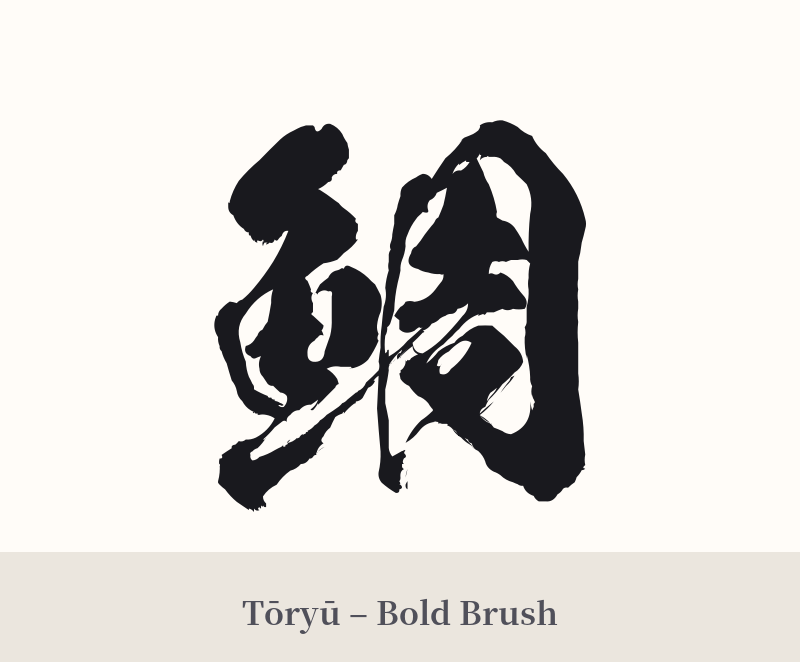
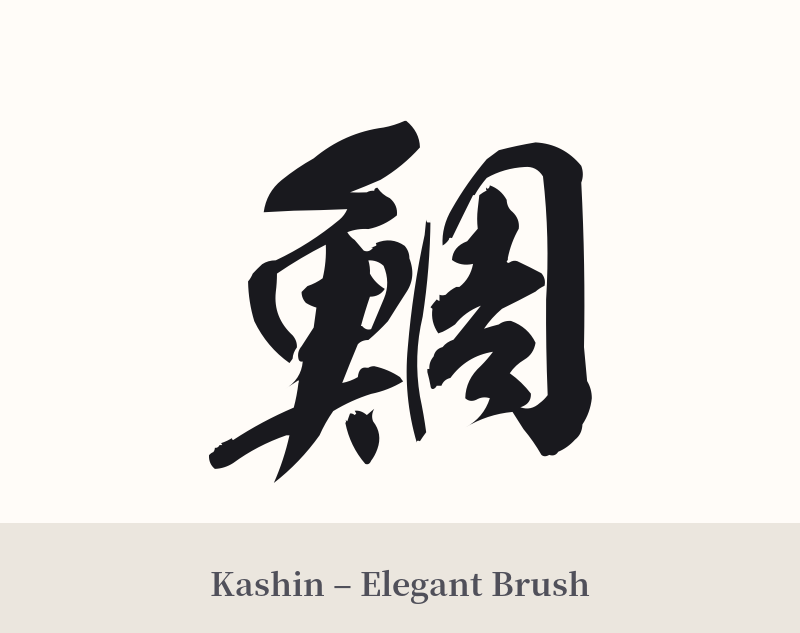
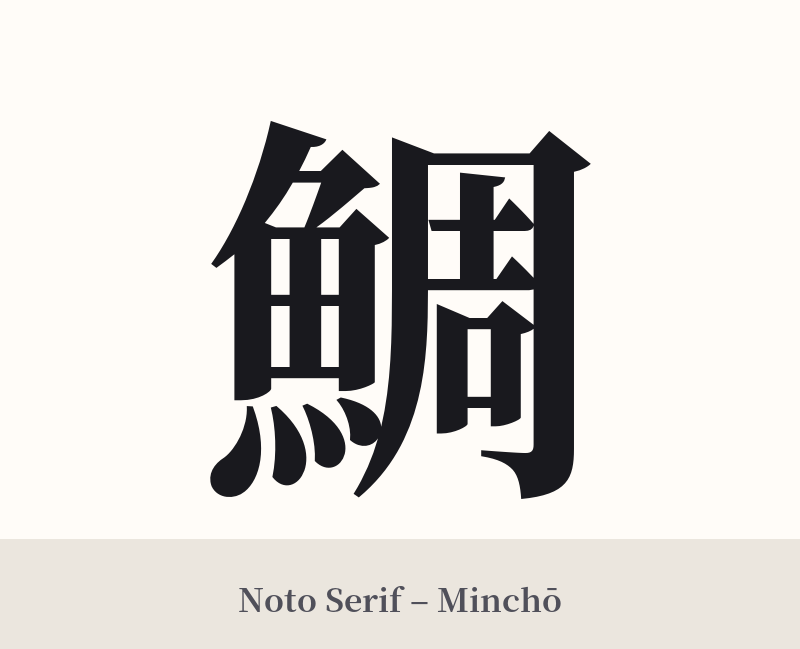
The same kanji can look dramatically different depending on the calligraphy style. Choose a font that matches the mood you want for your tattoo or design.
🎨 Tattoo Suitability
📐 Tattoo Design Guide
The kanji 鯛 (Tai) offers wonderful opportunities for a meaningful and visually striking tattoo. Its moderate complexity, with 19 strokes, makes it suitable for a design that is meant to be seen and appreciated.
– Placement Suggestions: Consider areas that allow for some space, such as the forearm, calf, back shoulder, or ribs. A larger placement will help preserve the detail of the strokes over time and prevent them from blurring together.
– Font Styles: A bold, dynamic calligraphy style (shodō) would work exceptionally well, emphasizing the character's celebratory and powerful nature. Alternatively, a more traditional Mincho or Gyosho script can provide a classic, elegant look.
– Visual Enhancements: To deepen the symbolism, consider pairing the kanji with other related elements. Incorporating an image of the sea bream itself, stylized waves, or even the figure of the lucky god Ebisu can create a beautiful and cohesive Japanese-style piece (irezumi). Adding red ink, either for the entire kanji or as an accent, can highlight its connection to luck and celebration.
Comments