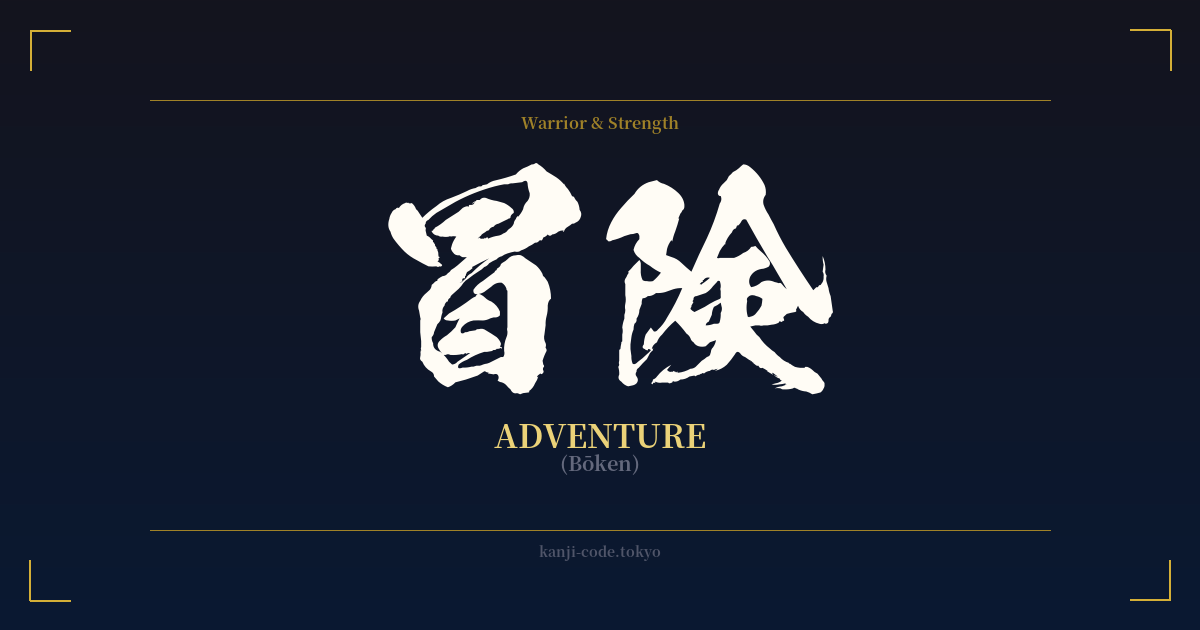
✍️ 冒険 (Bōken) — Cultural Context
The Japanese word 冒険 (Bōken) translates to "adventure," but its essence goes far deeper than a simple vacation or trip. It embodies the spirit of embracing risk, facing the unknown, and pushing beyond one's limits. The very characters that form the word tell a story of courage and challenge.
The first kanji, 冒 (bō), means "to risk," "to face," or "to defy." It carries the nuance of proceeding despite potential danger, of daring to move forward. The second kanji, 険 (ken), means "precipitous," "inaccessible place," or "steep." This character is rooted in the image of treacherous mountains and impassable terrain. When combined, 冒険 literally paints a picture of "risking a precipice." This isn't just about seeking thrills; it's about confronting and overcoming obstacles.
In Japanese culture, this concept is woven into countless narratives, from historical accounts to modern entertainment. The wandering samurai on a musha shugyō (warrior's pilgrimage) undertook a form of 冒険, traveling the land to hone their skills and spirit through duels and hardship. This journey of self-discovery through trial is a recurring theme.
Today, 冒険 is the lifeblood of Japanese pop culture, especially in manga, anime, and video games. It's the core of every shōnen (young boy's) series, from Dragon Ball to One Piece, where protagonists leave home, face impossible odds, and grow stronger through their adventures. Role-playing games are often grand tales of 冒険, inviting players to explore new worlds and become heroes. This constant presence in media has imbued the word with a sense of excitement, growth, and boundless possibility for generations of Japanese people.
Unlike the sometimes casual use of the English word "adventure," 冒険 retains a strong connection to the idea of a test. It implies that the journey will be difficult, but the rewards—in experience, wisdom, and self-awareness—are worth the risk. It’s a powerful reminder that true growth happens not in comfort, but at the edge of our capabilities.
🖌️ Font Styles for 冒険
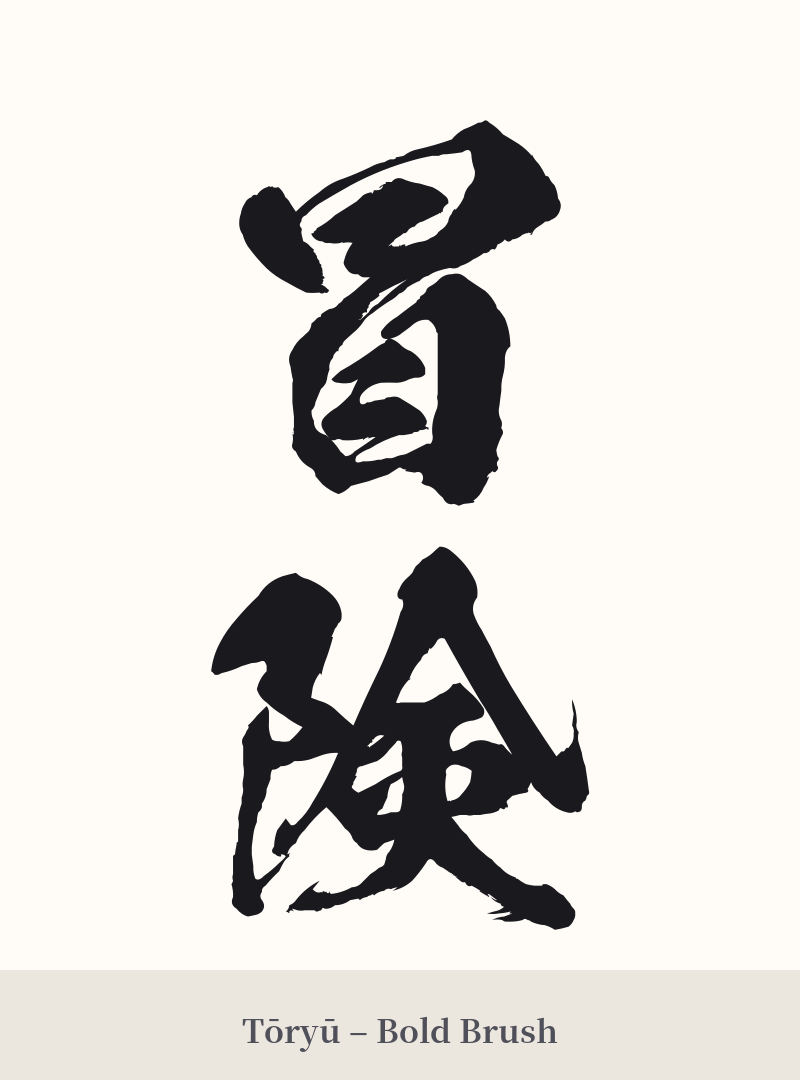
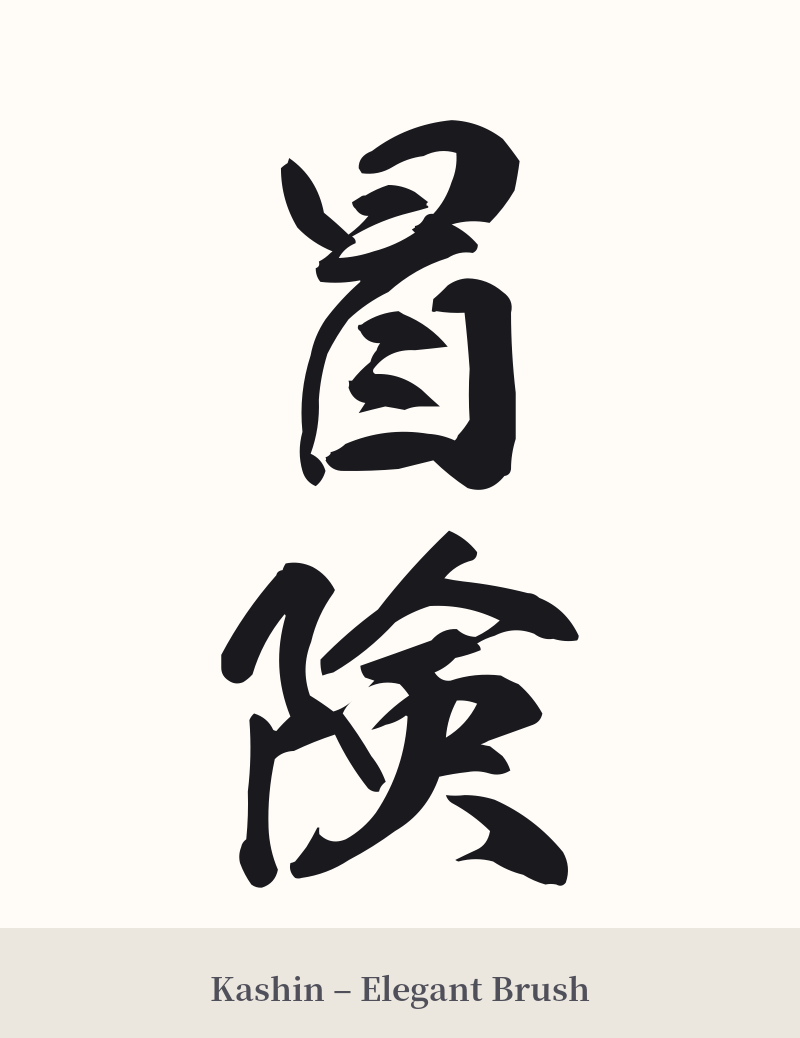
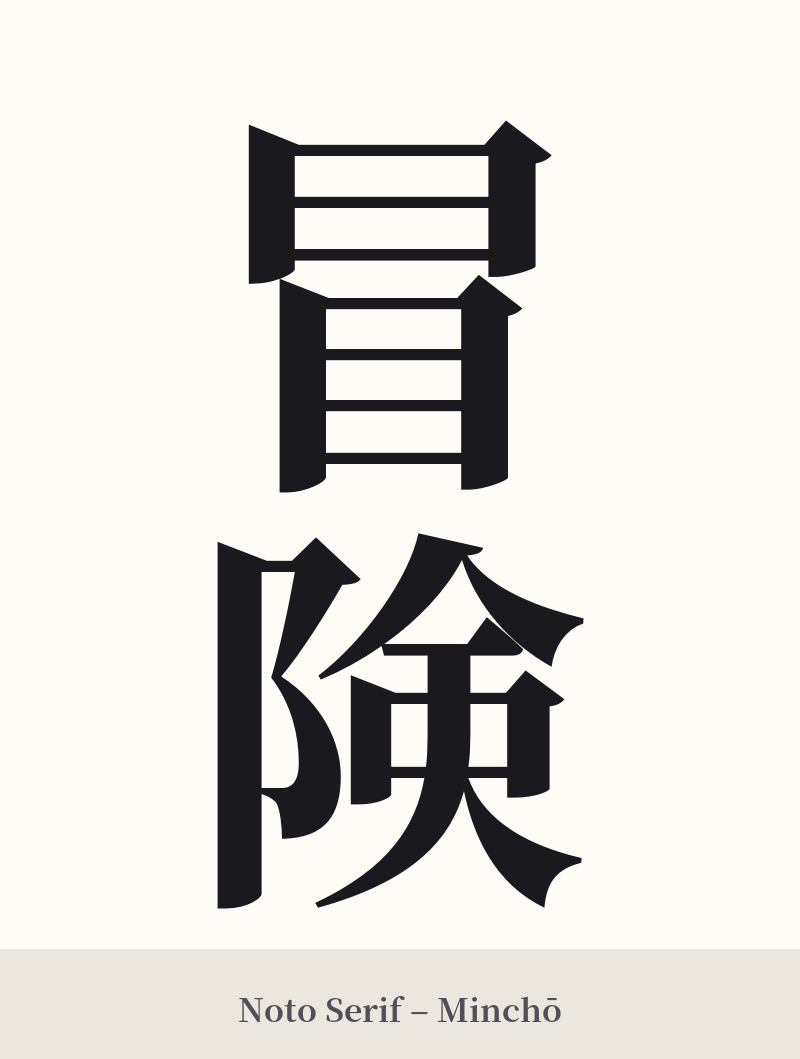
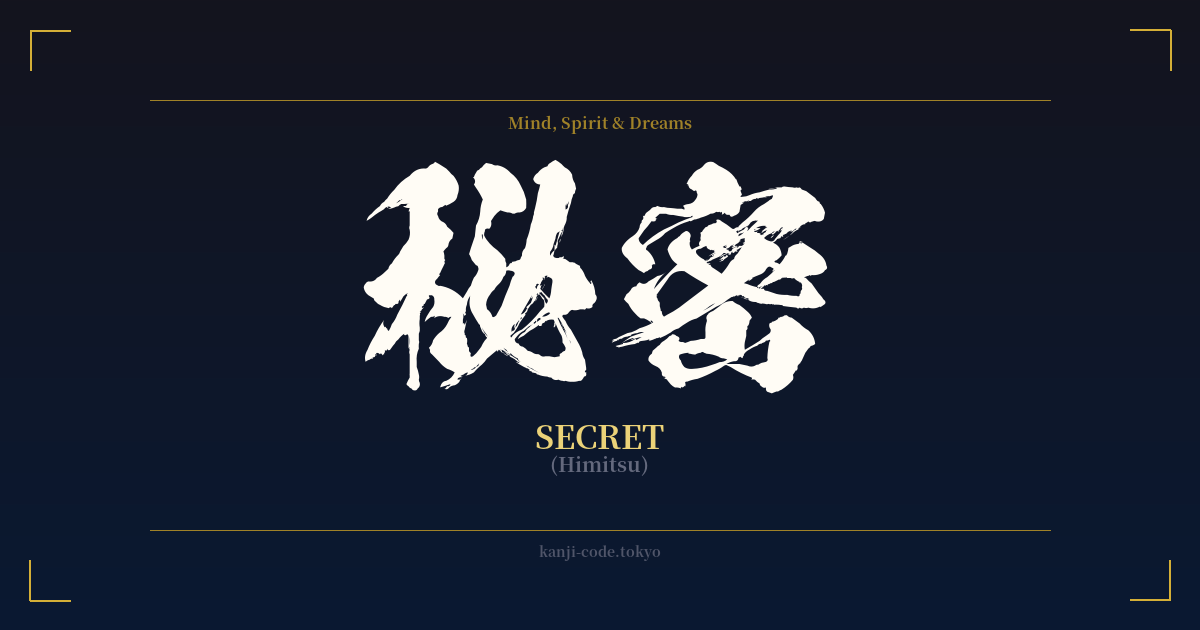
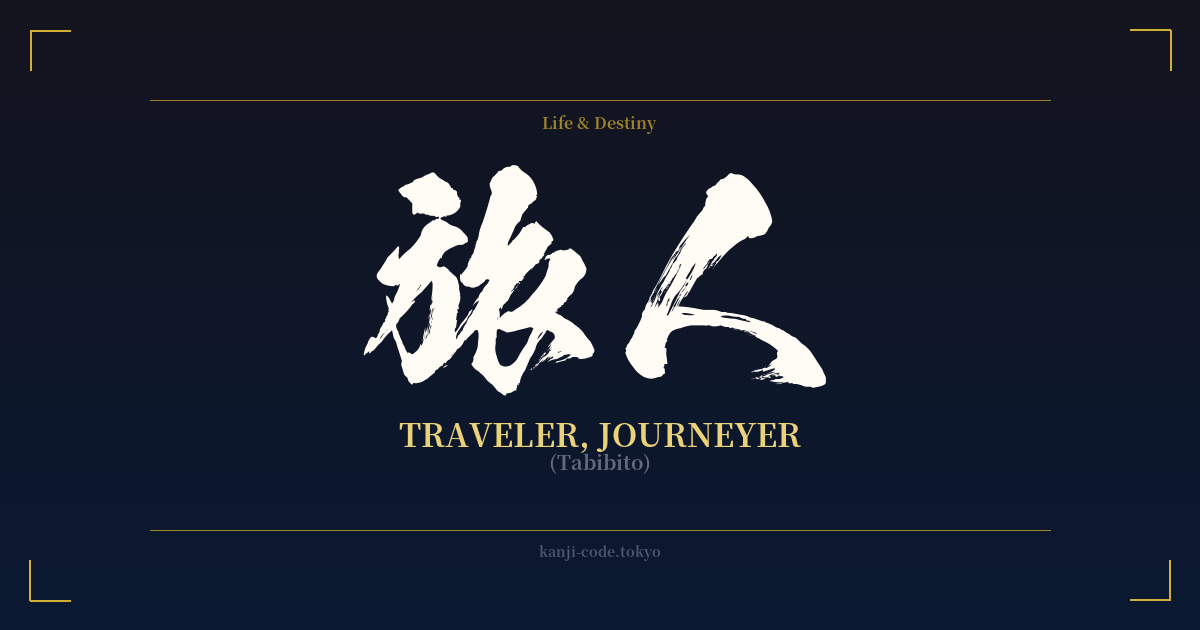
The same kanji can look dramatically different depending on the calligraphy style. Choose a font that matches the mood you want for your tattoo or design.
🎨 Tattoo Suitability
📐 Tattoo Design Guide
The dynamic nature of 冒険 (Bōken) lends itself well to several tattoo designs and placements.
– Placement: A vertical orientation is particularly striking for this two-character compound. It works well along the forearm, the calf, or down the spine, creating a sense of downward or upward movement. For a horizontal design, it fits perfectly across the chest, upper back, or inner bicep.
– Style: To capture the energy of adventure, a semi-cursive (gyōsho) or cursive (sōsho) calligraphy style is ideal. These styles feature flowing, connected strokes that convey motion and daring. For a more resolute and grounded feel, a bold, blocky standard script (kaisho) emphasizes the courage and determination required to face challenges.
– Visuals: Consider integrating the kanji into a larger piece. It could be written on an old scroll, framed by a compass, or set against a backdrop of mountains or crashing waves to visually echo the meaning of "risking a precipice."
Comments