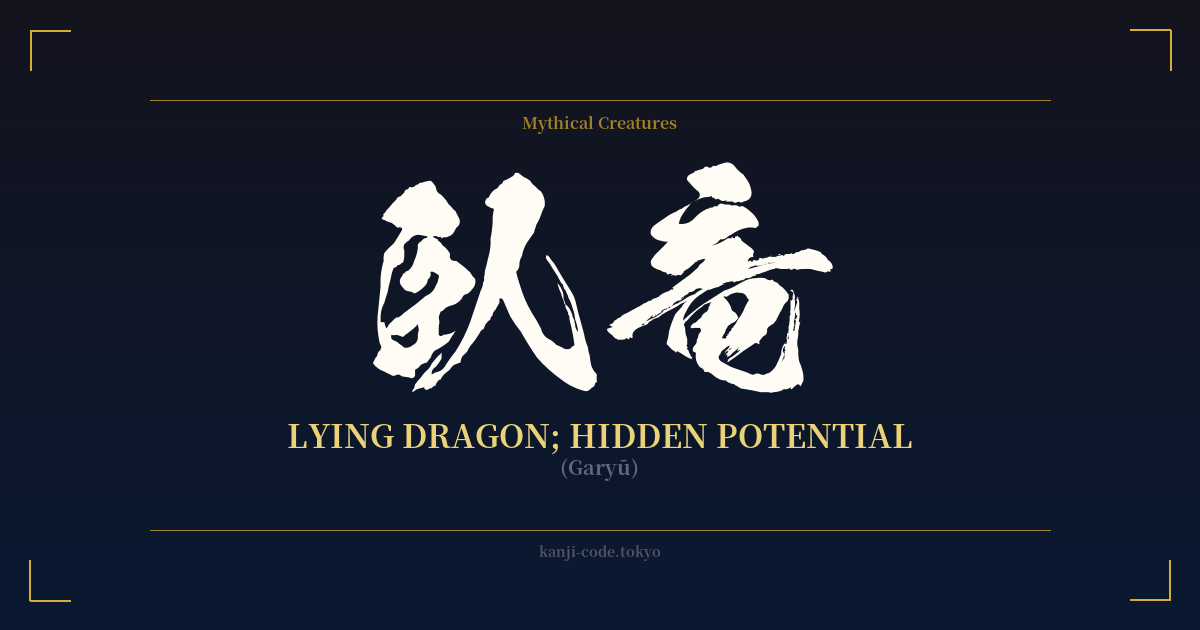
✍️ 臥竜 (Garyū) — Cultural Context
臥竜 (Garyū) is a term that resonates with quiet power and immense, untapped potential. Literally translating to “Lying Dragon” or “Crouching Dragon,” it’s a powerful metaphor for a person of extraordinary talent or genius who remains in obscurity, their abilities not yet revealed to the world. It’s the brilliant artist who hasn’t been discovered, the strategic mind waiting for a cause, the future leader living a simple life.
The origin of this term is deeply rooted in Chinese history and literature, most famously associated with Zhuge Liang, the legendary strategist of the Three Kingdoms period (220-280 AD). Before he became the indispensable advisor to the warlord Liu Bei, Zhuge Liang lived a reclusive life in the countryside. Despite his youth and obscurity, his wisdom was known to a select few, who referred to him as the 臥龍 (wòlóng, the Chinese reading), or “Sleeping Dragon.” The name implied that he was a figure of immense power, merely waiting for the right moment—and the right master—to awaken and change the world.
This story and its associated term were eagerly adopted into Japanese culture, where it found a home in samurai lore, historical tales, and modern fiction. The concept of a hidden genius waiting for the opportune moment aligns perfectly with traditional virtues of patience, modesty, and the importance of recognizing true worth beyond superficial appearances. The dragon, or 竜 (ryū), is a symbol of celestial power, wisdom, and good fortune in East Asia, a stark contrast to the malevolent, fire-breathing beasts of Western mythology. Combining this revered creature with the character for lying down, 臥 (ga), creates a vivid image of coiled, dormant energy.
In modern Japan, 臥竜 can be used to describe anyone with formidable, yet-unseen potential. A quiet student who tops every exam, a young athlete with raw but unrefined talent, or an innovative employee whose brilliant ideas are overlooked—all can be considered a Garyū. The word carries a sense of respect and anticipation, a belief that the “dragon” will one day rise and soar to the heavens, revealing its true, magnificent form.
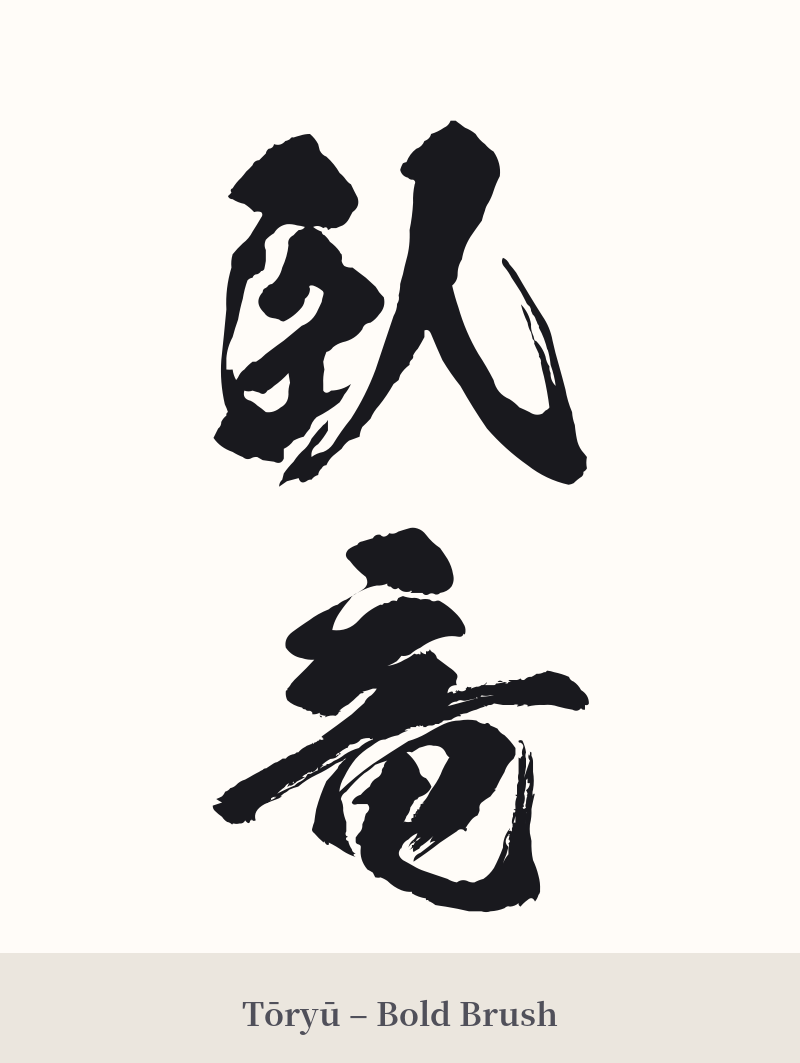
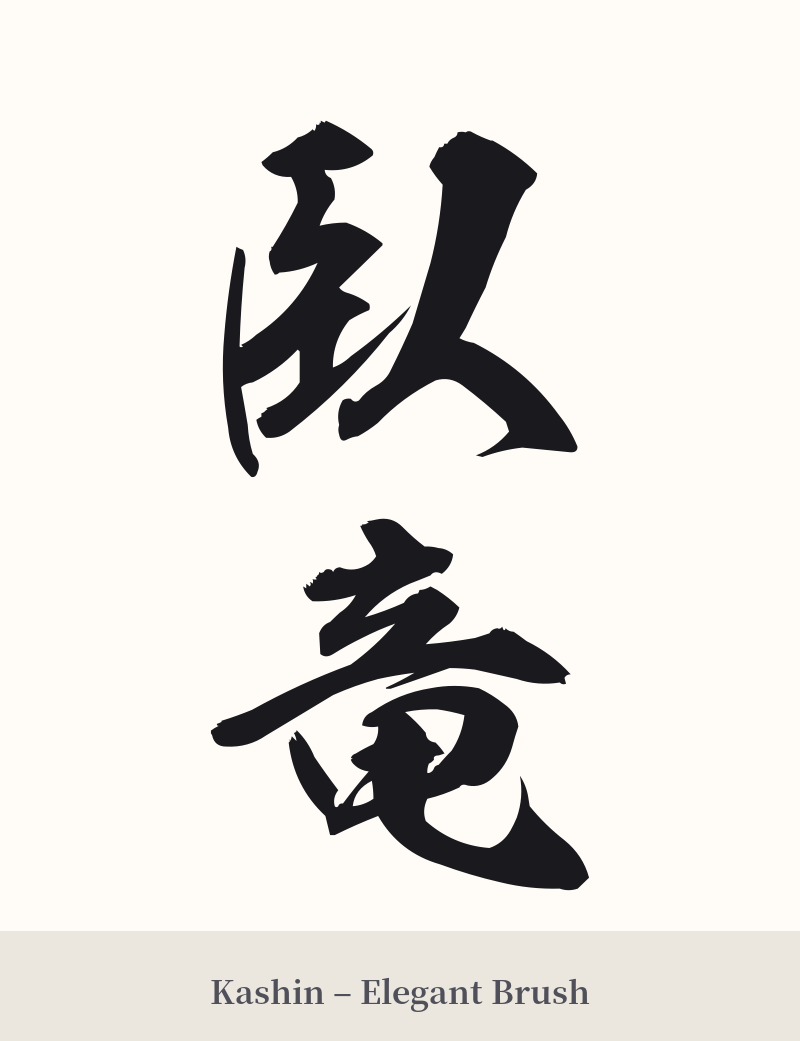
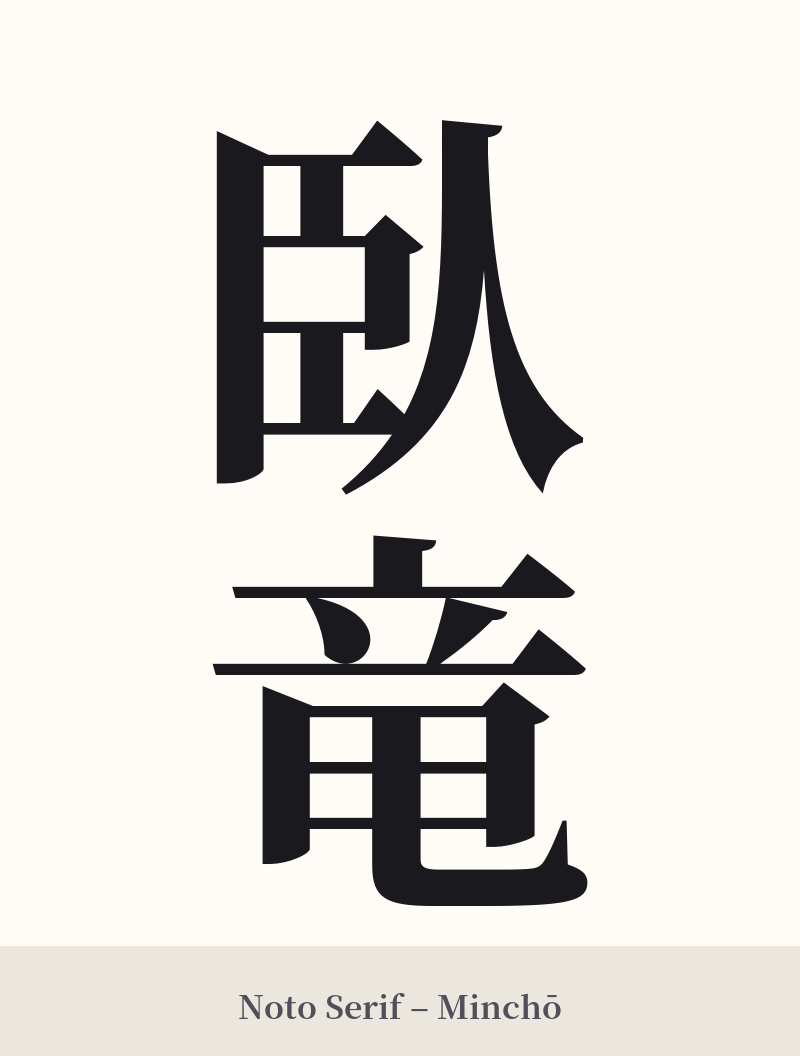
🖌️ Font Styles for 臥竜
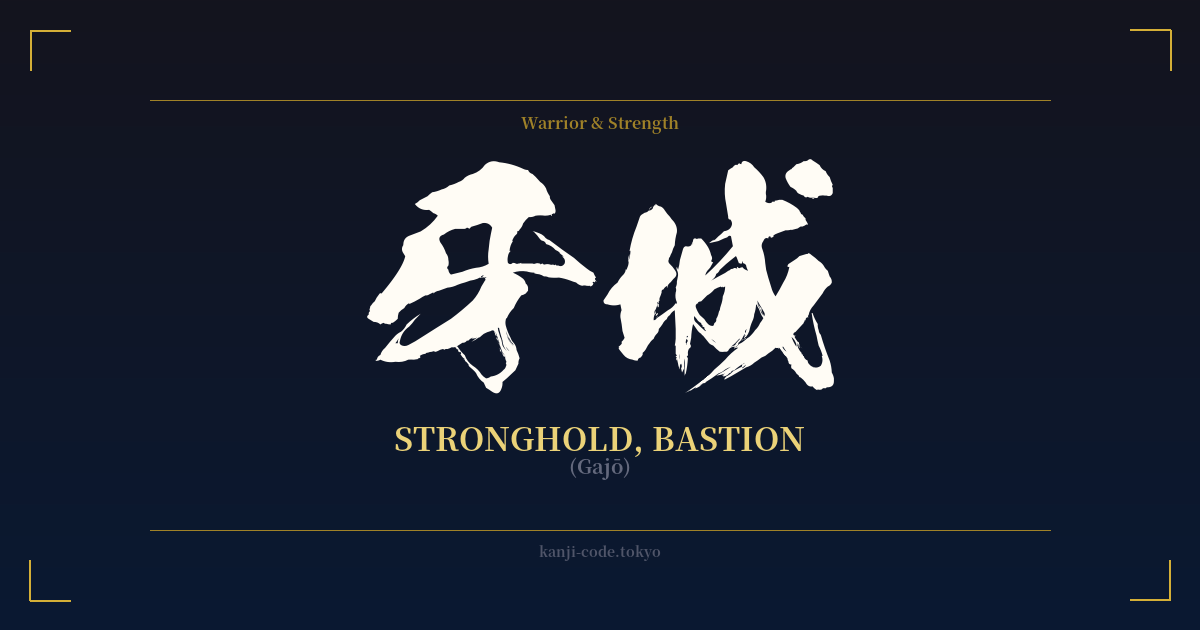
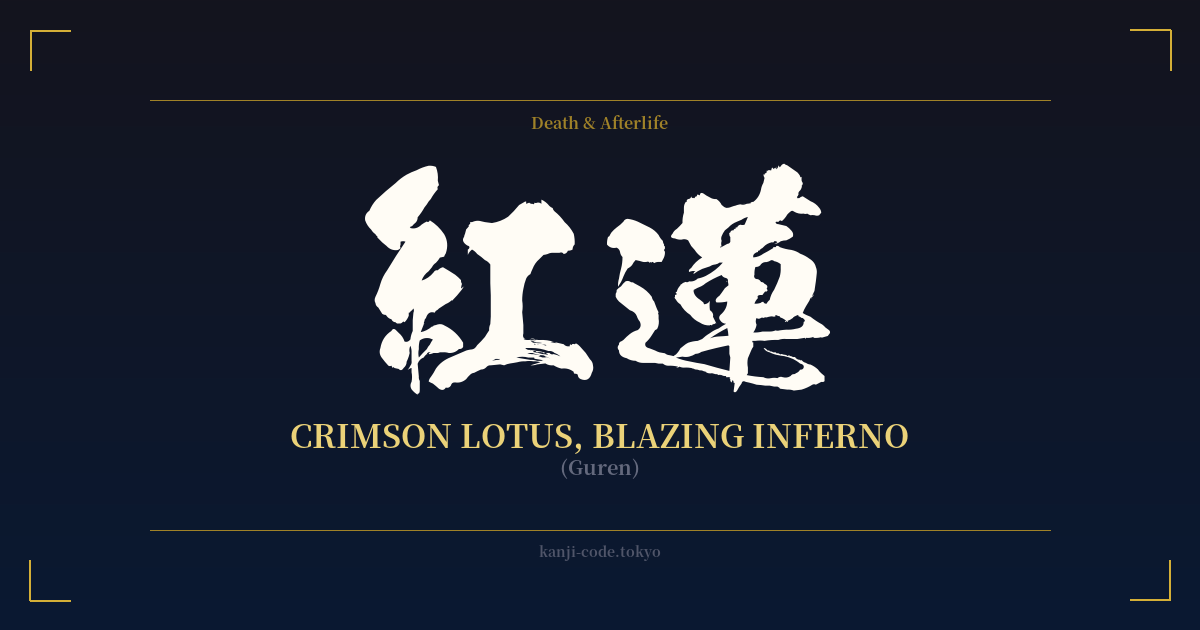
The same kanji can look dramatically different depending on the calligraphy style. Choose a font that matches the mood you want for your tattoo or design.
🎨 Tattoo Suitability
📐 Tattoo Design Guide
The two characters of 臥竜 (Garyū) offer a balanced and aesthetically pleasing design, full of symbolic weight.
– Placement: A vertical orientation is traditional and highly recommended. It looks particularly striking down the spine, along the forearm, or on the calf. For a horizontal design, the chest or upper back provides a strong canvas.
– Style: For a dynamic feel that captures the 'coiled energy' of the dragon, consider a semi-cursive (gyōsho) or cursive (sōsho) calligraphy style. These flowing scripts evoke movement and potential. For a more grounded and solid look, a bold, block-like script (kaisho) emphasizes the weight and substance of the hidden power.
– Visuals: While 臥竜 stands powerfully on its own, it can be paired with imagery. A subtle, minimalist illustration of a coiled or sleeping dragon integrated with the kanji can enhance the theme. Ensure the artwork doesn't overpower the characters, which should remain the focal point.
Comments