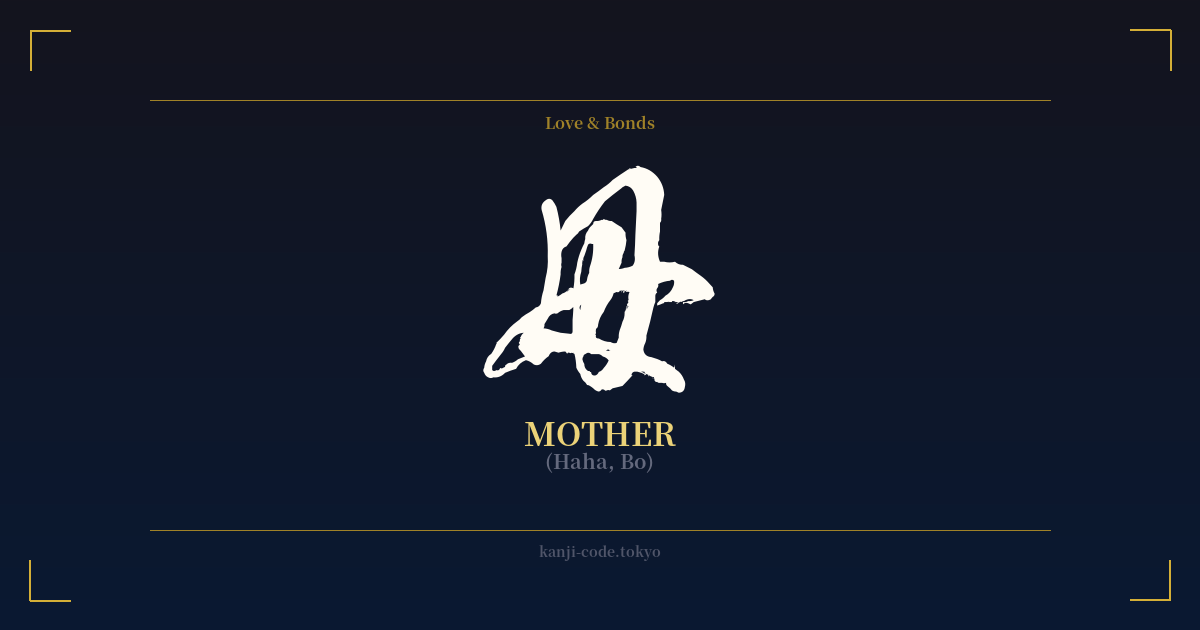
✍️ 母 (Haha, Bo) — Cultural Context
The kanji 母 (haha, bo) is one of the most fundamental and emotionally resonant characters in the Japanese language. Its power lies in its universality, representing the concept of 'mother' not just as a familial role, but as a source of life, nurturing, and unconditional love.
The character's origin is a beautiful example of pictographic storytelling. Ancient oracle bone script depicted a kneeling woman with her arms crossed, emphasizing the breasts. This imagery directly points to the mother's role as a nurturer and provider of nourishment, a visual representation of maternal care that has survived for millennia.
In modern Japanese, the way one refers to a mother is rich with social context. When speaking about your own mother to others, you use the plain form 母 (haha). However, when addressing your own mother or speaking about someone else's, the honorific お母さん (okaa-san) is used. This distinction between humble and honorific language is a cornerstone of Japanese communication and reflects the deep respect embedded in the culture for the family unit.
The concept of motherhood, or 母性 (bosei), is a significant cultural theme in Japan. The mother is traditionally seen as the heart of the home, responsible for the well-being and, crucially, the education of her children. This has sometimes been stereotyped with the term 教育ママ (kyōiku mama), or 'education mom,' a woman who relentlessly pushes her children toward academic success. While a caricature, it highlights the immense societal value and pressure placed on the maternal role.
The influence of 母 extends beyond the immediate family. It forms the root of essential concepts that define identity and belonging. For example, 母国 (bokoku) means 'mother country,' and 母語 (bogo) means 'mother tongue.' This demonstrates how the idea of 'mother' is the foundation from which culture, language, and national identity spring. It is the origin point, the source.
Every year, Japan celebrates Mother's Day (母の日, Haha no Hi) on the second Sunday in May, much like in Western countries. It is a major occasion for showing gratitude, typically with the giving of flowers—red carnations being the most traditional—and other gifts. This shared tradition further solidifies the kanji 母 as a symbol that transcends cultural boundaries, connecting people through the shared experience of maternal love.
🖌️ Font Styles for 母
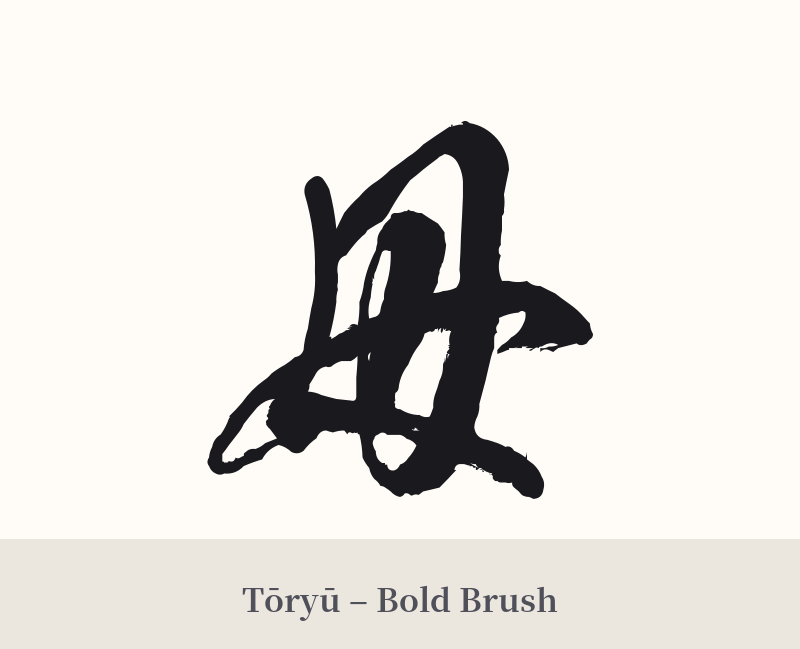
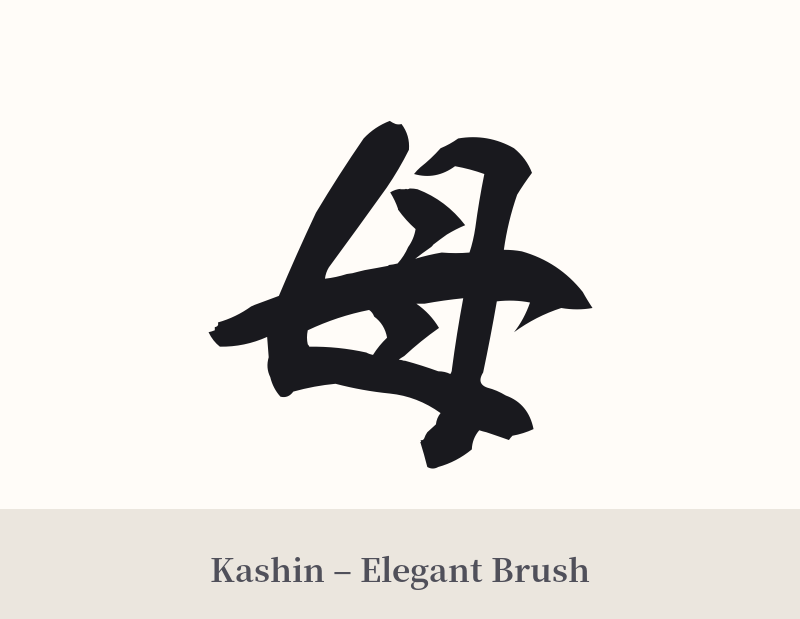
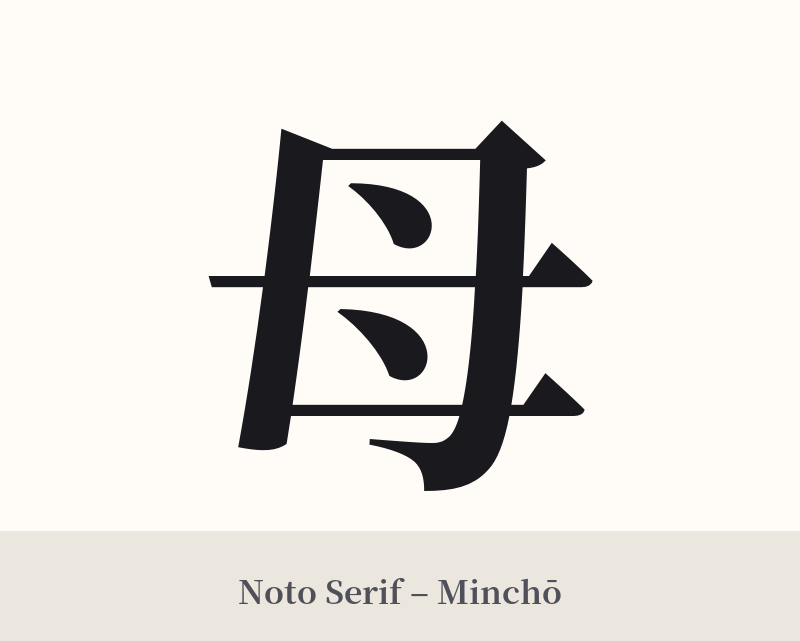
The same kanji can look dramatically different depending on the calligraphy style. Choose a font that matches the mood you want for your tattoo or design.
🎨 Tattoo Suitability
📐 Tattoo Design Guide
The kanji 母 is a versatile choice for a tattoo, suitable for both bold statements and subtle tributes. Its simple, balanced structure works well in a variety of styles and placements.
– Placement Suggestions: For a personal and discreet tattoo, consider the wrist, behind the ear, on the ankle, or over the heart. For a more visible piece, it looks excellent on the forearm or shoulder blade, where it has space to breathe.
– Font Style: A traditional calligraphy (shodō) style, with expressive, flowing brushstrokes, can capture the emotional weight and warmth of the concept. For a more modern and clean look, a crisp Mincho or Gothic font offers elegant simplicity.
– Visual Combinations: While powerful on its own, 母 can be beautifully integrated with other elements. Consider pairing it with a child's name in English or Japanese, a birthdate, or symbolic flowers. Cherry blossoms can represent the beauty and transient nature of life, while a lotus flower can symbolize purity and overcoming adversity—qualities often associated with a mother's journey.
Comments