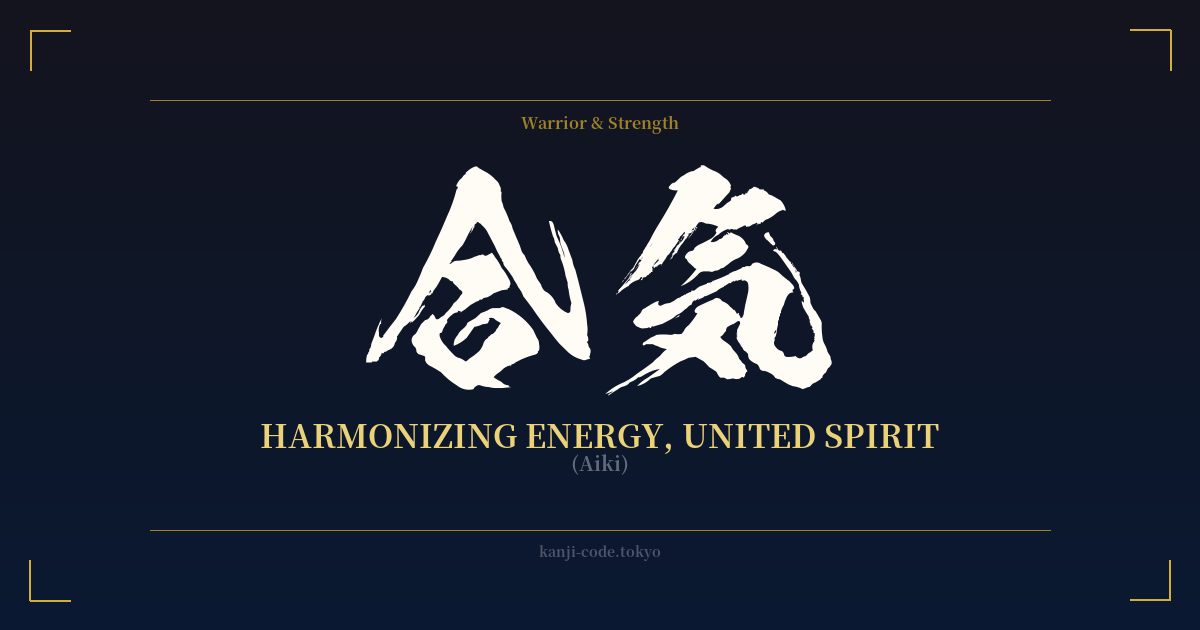
✍️ 合気 (Aiki) — Cultural Context
合気 (Aiki) is a profound concept at the heart of several Japanese martial arts, most famously Aikido. The term translates to "harmonizing energy" or "unified spirit," and it represents a sophisticated principle of combat and philosophy that goes far beyond simple physical strength.
At its core, Aiki is the art of not clashing with an opponent's force. Instead of meeting an attack with a direct block, a practitioner of Aiki blends with the attacker's motion, redirecting their momentum and using their own energy against them. This creates a state where the defender can neutralize a threat with minimal effort, leading the conflict to a peaceful resolution rather than a destructive conclusion. It is a principle of control, not annihilation.
The philosophy was famously crystallized by Morihei Ueshiba, the founder of Aikido. He envisioned Aiki not just as a martial technique but as a way to reconcile conflict in all aspects of life. For Ueshiba, the ultimate goal was to harmonize with the universal life force, or Ki (気), and to protect all life, including that of the attacker.
However, the concept of Aiki predates Aikido. It was a key principle in older martial schools (koryū), most notably Daitō-ryū Aiki-jūjutsu, from which Aikido heavily drew its technical and philosophical foundations. In these earlier contexts, Aiki was often considered a high-level, almost secret teaching, representing the pinnacle of martial skill where one could unbalance an opponent with a seemingly gentle touch or subtle shift in posture.
It is important to distinguish Aiki from Kiai (気合), another martial arts term involving 'Ki'. While Kiai is the explosive projection of energy, often as a shout, to startle or overpower an opponent, Aiki is its subtle, internal counterpart. Aiki is about receiving, blending, and redirecting, making it a more defensive and philosophical principle. It embodies the idea that true strength lies in adaptability and harmony, not just brute force.
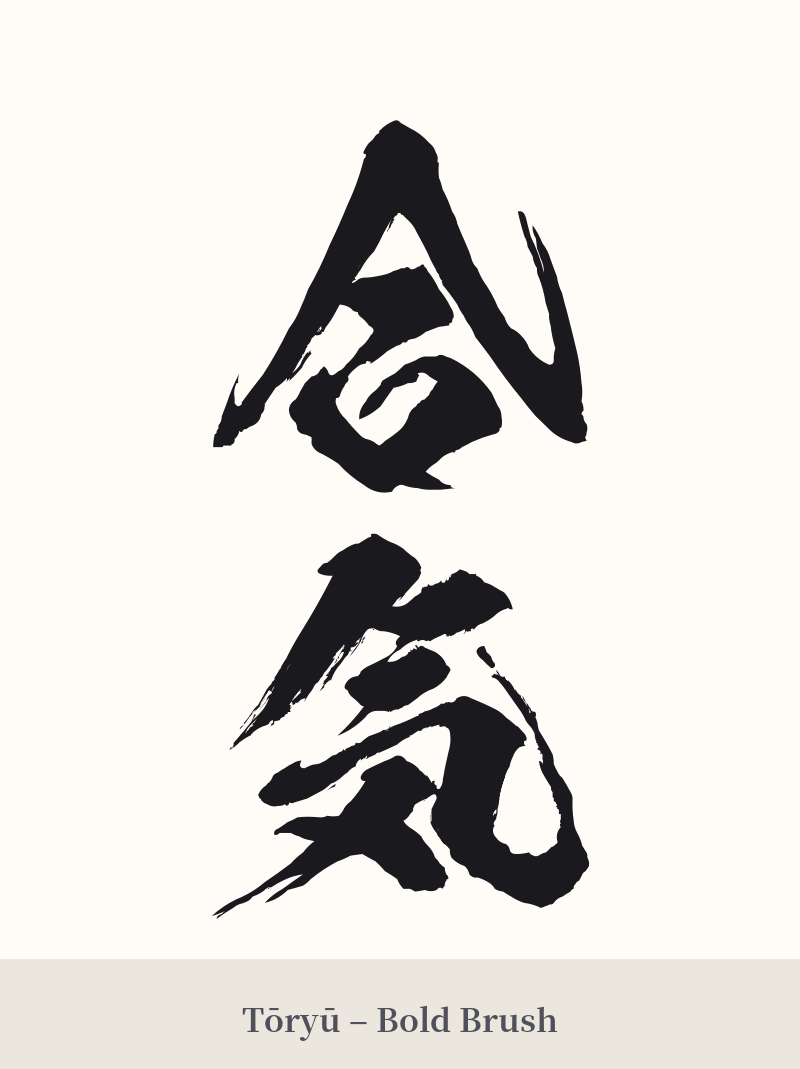
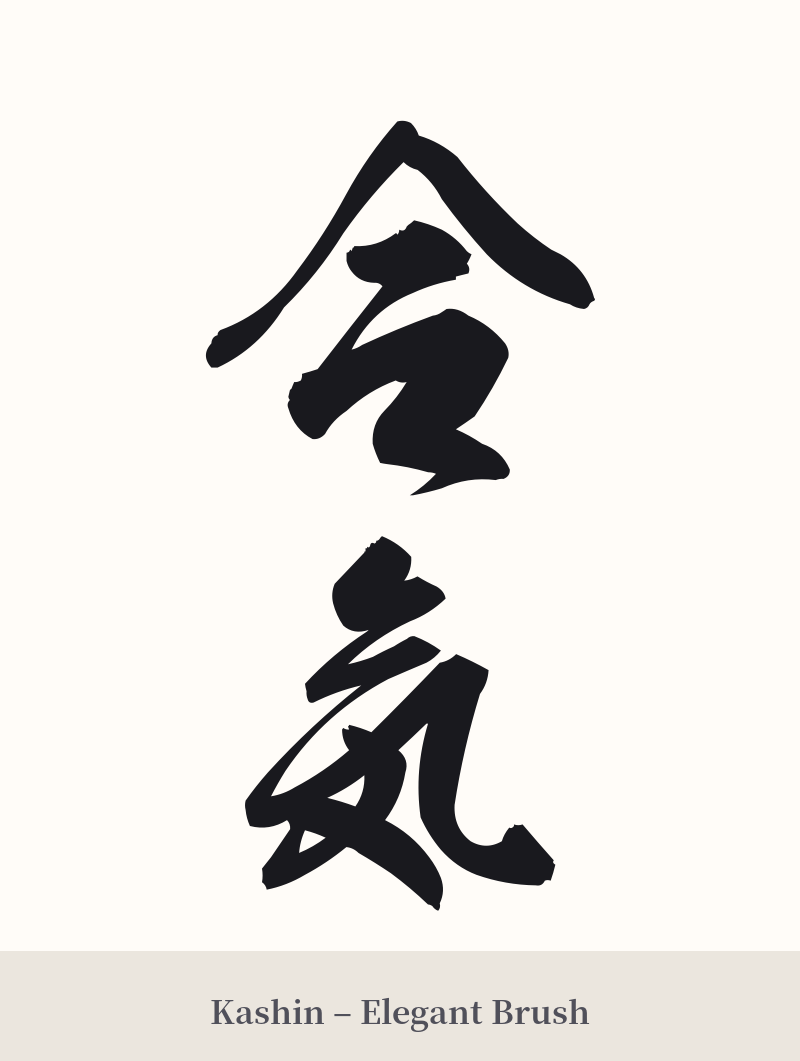
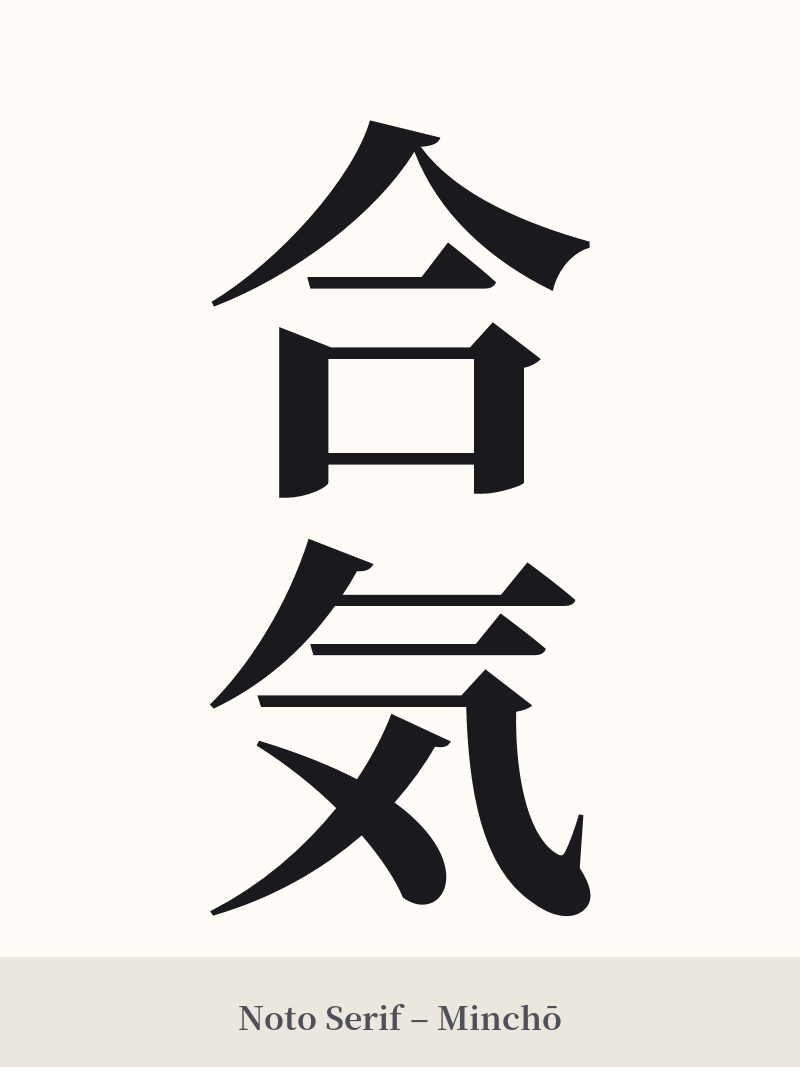
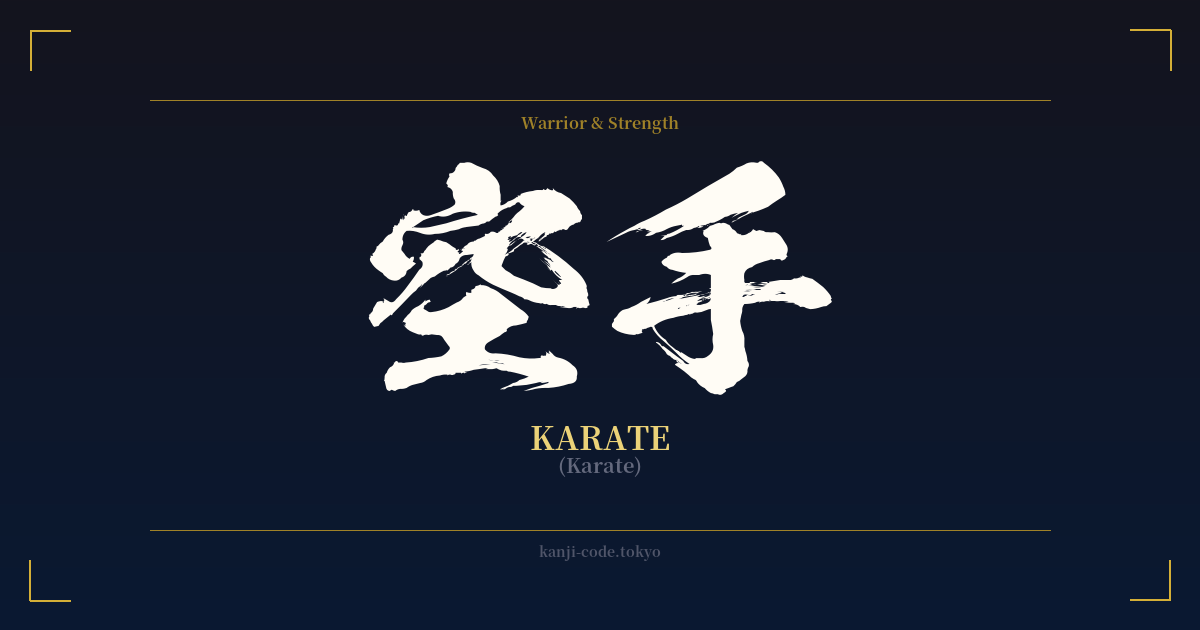
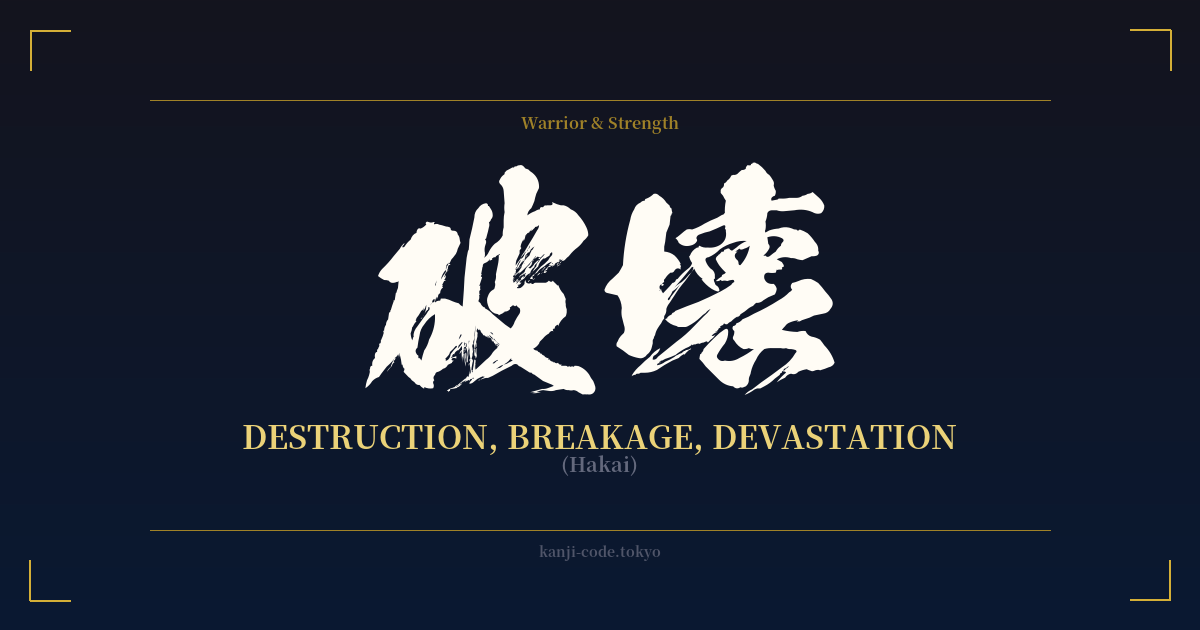
🖌️ Font Styles for 合気
The same kanji can look dramatically different depending on the calligraphy style. Choose a font that matches the mood you want for your tattoo or design.
🎨 Tattoo Suitability
📐 Tattoo Design Guide
The concept of Aiki is one of flow, harmony, and control, and your tattoo design can reflect this. It is most often written vertically.
– Placement: Consider placements that follow the natural lines of the body. The forearm, calf, spine, or along the ribs are excellent choices that allow the two characters to flow downwards.
– Font Style: A semi-cursive script (Gyōsho) is a fantastic choice, as its fluid, connected strokes visually represent the idea of blending and redirecting energy. For a more formal and disciplined look, a standard block script (Kaisho) emphasizes the control and precision inherent in the concept. Avoid overly aggressive or spiky fonts, as they would contradict the core meaning of harmony.
– Visual Elements: Aiki pairs beautifully with an Ensō (Zen circle). Placing the kanji inside or beside an incomplete Ensō can symbolize the ongoing journey and the flow of energy. A simple, minimalist design often works best, letting the profound meaning of the characters speak for itself.
Comments