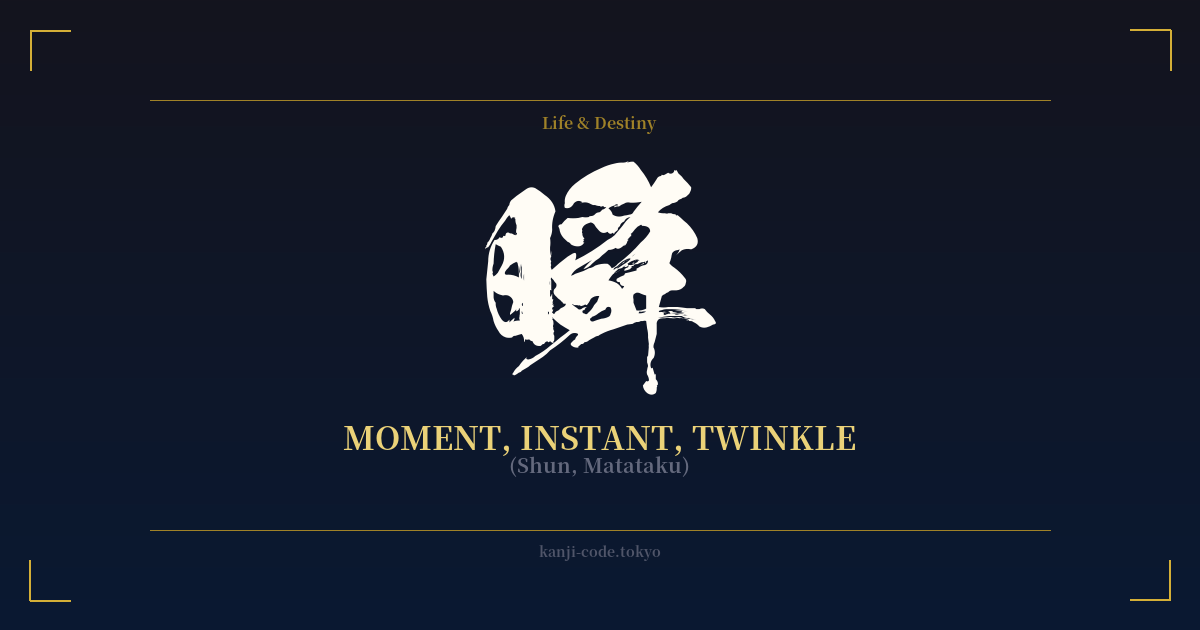
✍️ 瞬 (Shun, Matataku) — Cultural Context
The kanji 瞬 (shun) is a beautiful and evocative character that captures the essence of a fleeting moment. Its primary meanings—an instant, a wink, a twinkle—all point to the briefest passage of time, the blink of an eye that separates one second from the next.
The character's very structure tells a story. It's composed of the radical 目 (me), meaning 'eye,' and the phonetic component 舜 (shun). This component itself is fascinating; it originally depicted a type of hibiscus flower, the Rose of Sharon (mukuge in Japanese), which blooms and wilts in a single day. This combination paints a powerful picture: the perception of an eye witnessing something as short-lived as a day-blooming flower. It’s a visual poem about transience.
In Japanese culture, this idea resonates deeply with the aesthetic concept of 'mono no aware' (物の哀れ), the gentle sadness and awareness of the impermanence of all things. Life, beauty, and happiness are precious precisely because they are temporary. The kanji 瞬 embodies this philosophy, reminding us to cherish the present moment before it vanishes.
This concept is further enriched by Buddhist thought. 瞬 is closely associated with the term 刹那 (setsuna), which represents the smallest, indivisible unit of time—a fraction of a second. It is the instant, the now. This idea emphasizes that life is just a succession of these moments, and enlightenment or understanding can occur in a flash. Phrases like 一瞬 (isshun), meaning 'one instant,' are incredibly common in everyday language.
The verb form, 瞬く (matataku), means 'to twinkle' or 'to blink.' It’s used to describe stars in the night sky, the flicker of a candle, or the rapid flutter of eyelashes. This dual meaning connects the abstract concept of a 'moment' to a tangible, visible action, grounding its philosophical weight in simple, observable phenomena.
Whether describing the flash of a camera, a spark of inspiration, or the briefest glance between two people, 瞬 serves as a powerful symbol of the beauty and significance found in the shortest spans of time. It is a reminder that even an instant can hold immense meaning.
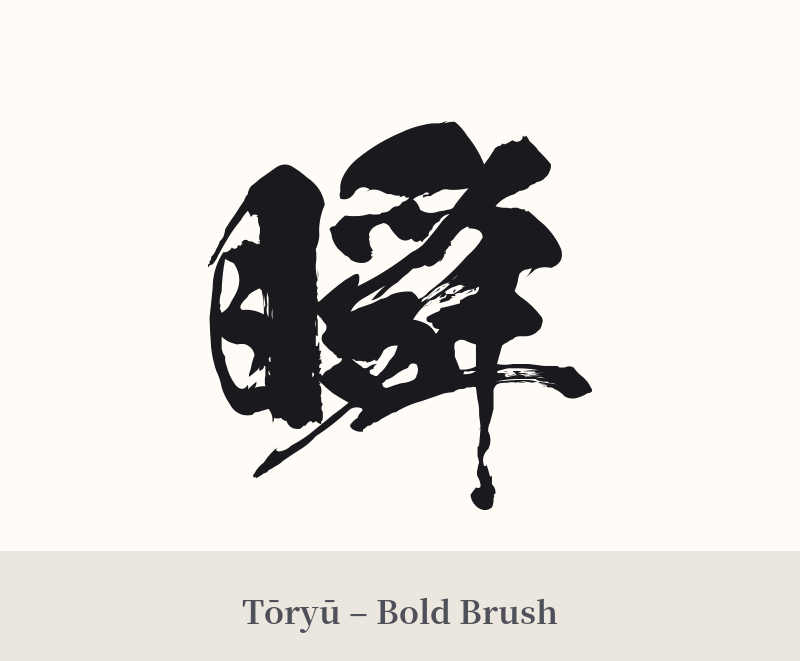
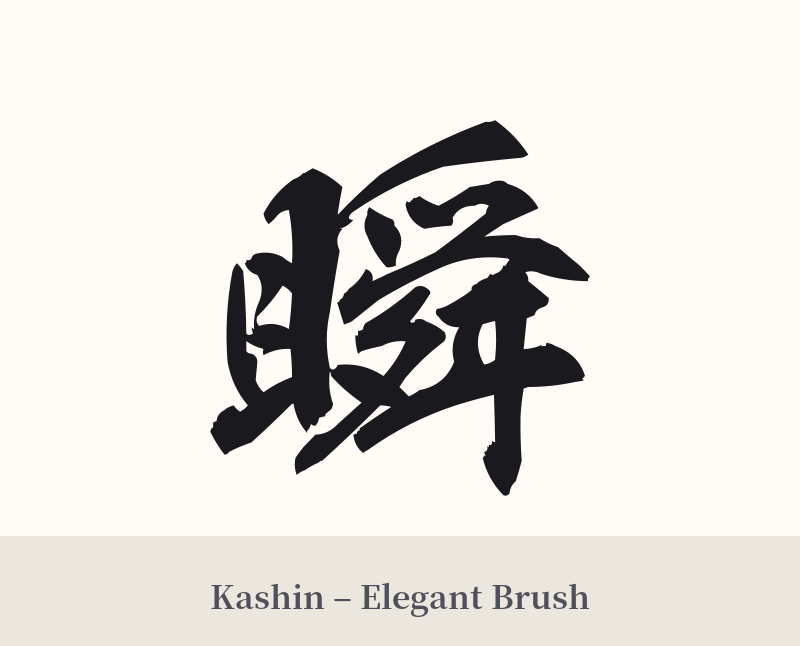
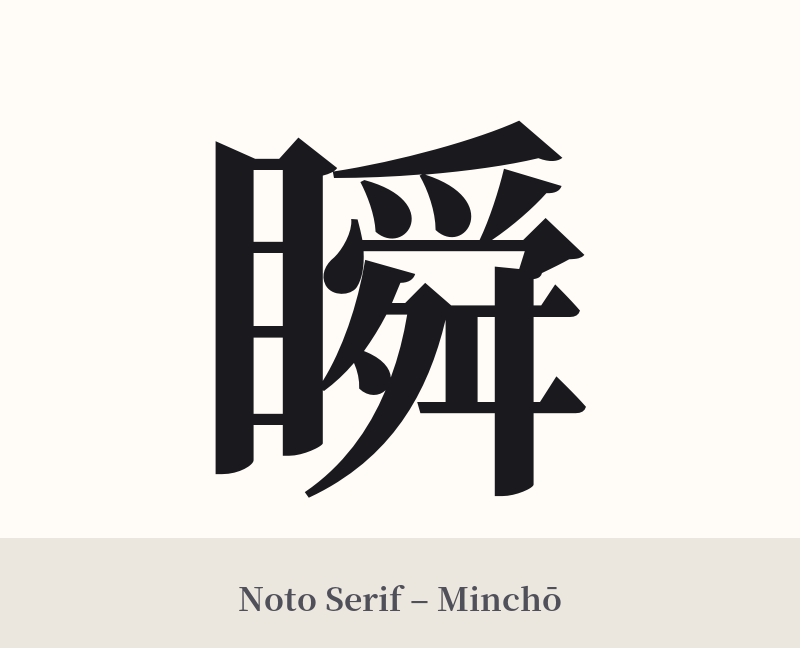
🖌️ Font Styles for 瞬
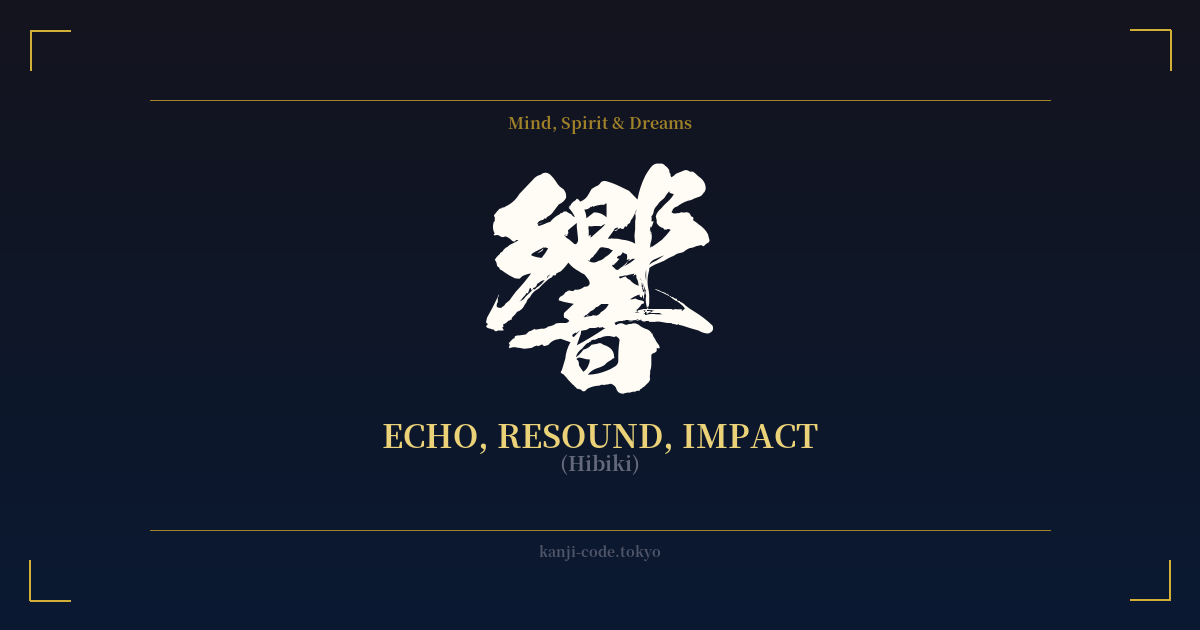
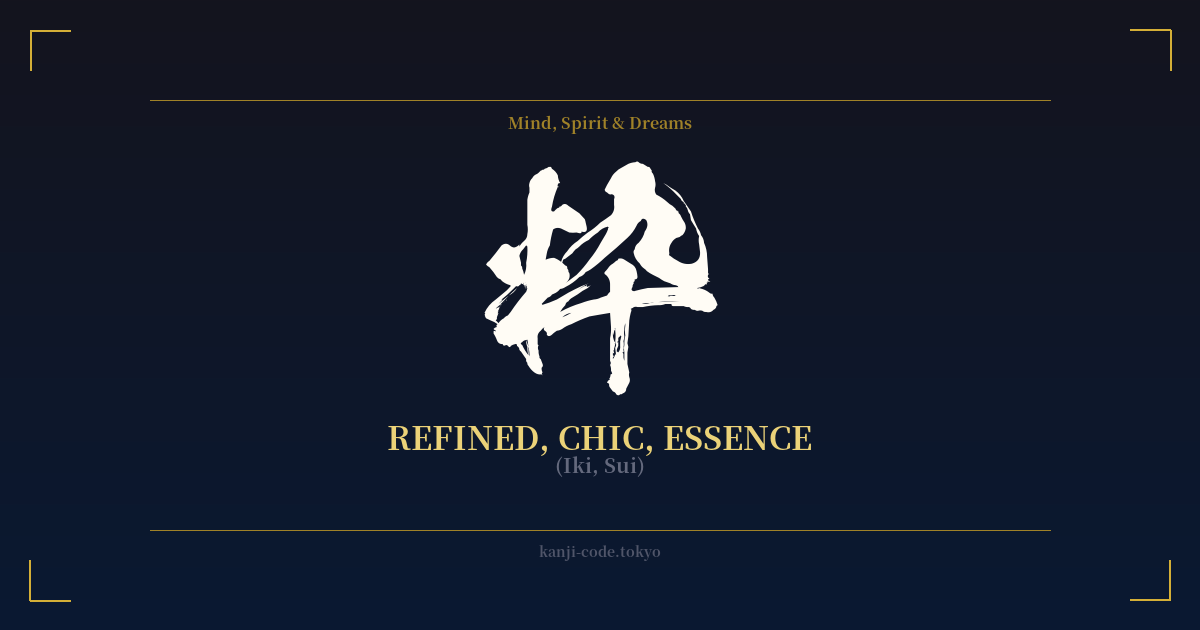
The same kanji can look dramatically different depending on the calligraphy style. Choose a font that matches the mood you want for your tattoo or design.
🎨 Tattoo Suitability
📐 Tattoo Design Guide
A tattoo of 瞬 works best in a location that allows for clarity and detail, given its complexity. Consider places like the inner forearm, the calf, the shoulder blade, or the upper back. These areas provide a stable, flat canvas to ensure the 18 strokes remain distinct.
For font style, you have several compelling options: – A dynamic, semi-cursive script (gyōsho) can capture the feeling of movement and fleetingness inherent in the character's meaning. – A bold, clean block script (kaisho) can emphasize the 'instant' or 'sharp' quality of the moment, creating a strong, impactful design. – An artistic, highly stylized cursive (sōsho) could be used for a more abstract and personal interpretation, though legibility might be reduced.
To enhance the theme, consider pairing 瞬 with complementary imagery. A design that incorporates a few falling cherry blossom petals, a single star twinkling, or ripples spreading from a water droplet can visually amplify the concept of a beautiful, fleeting moment.
Comments