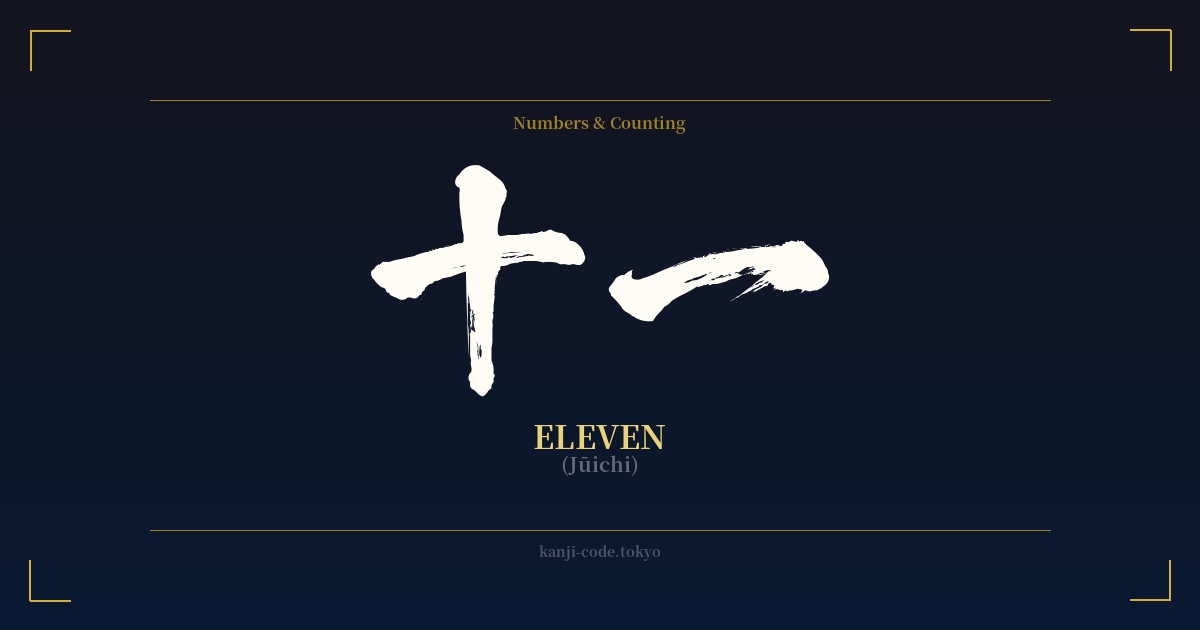
✍️ 十一 (Jūichi) — Cultural Context
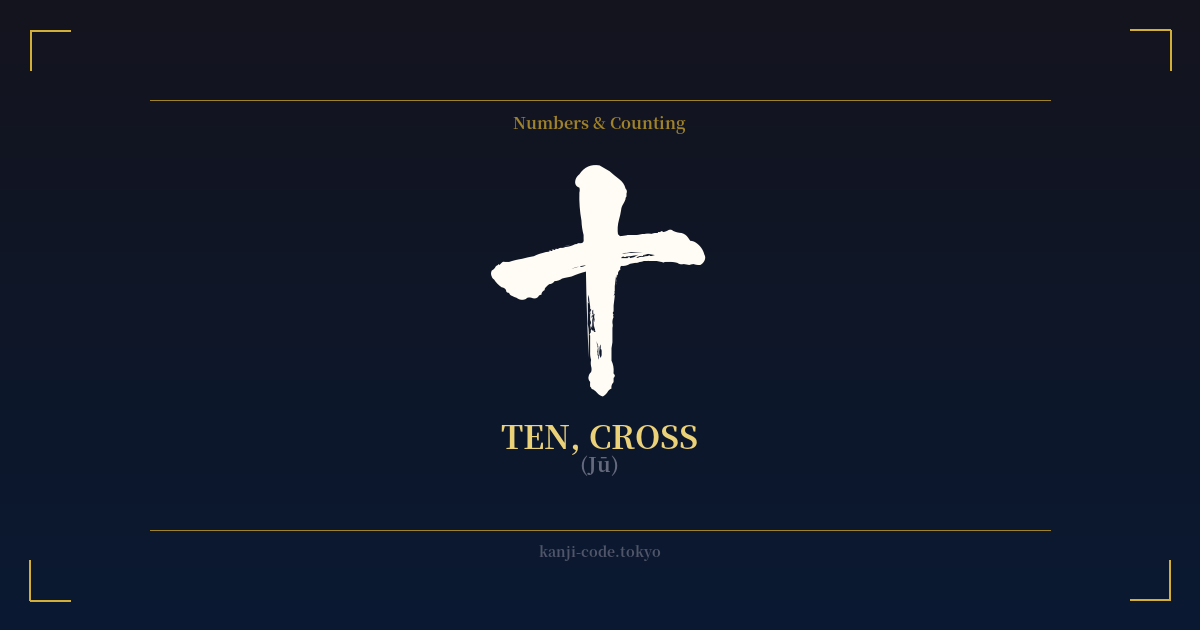
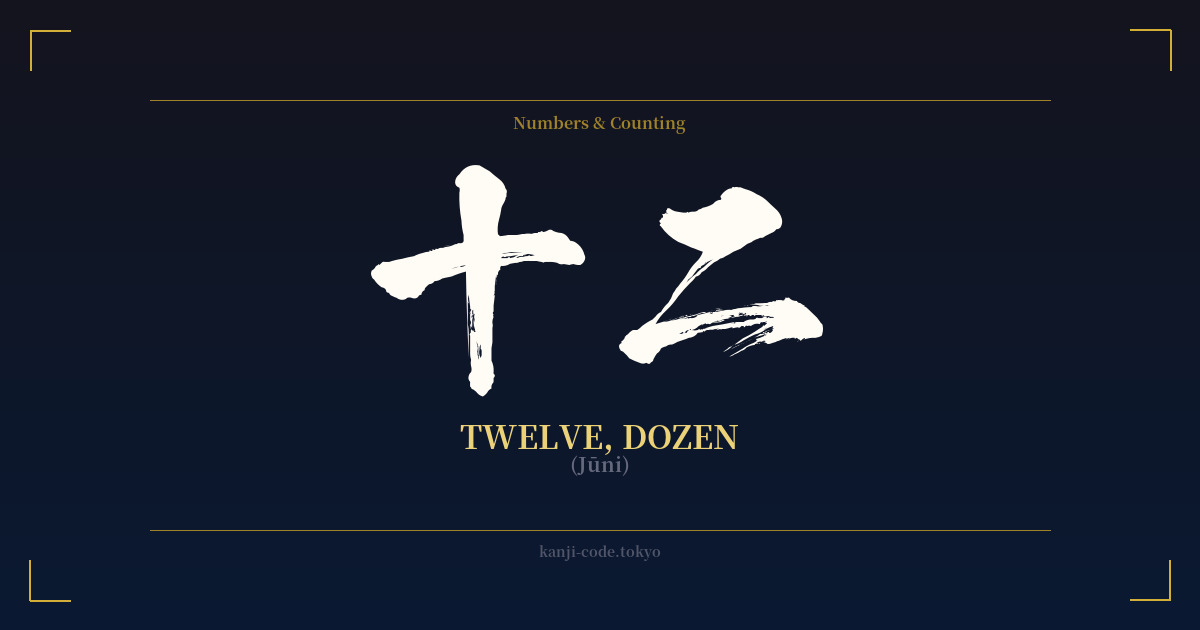
The Japanese word for eleven, 十一 (Jūichi), is a perfect example of the logical and additive nature of the Japanese counting system. It is constructed by combining the kanji for ten, 十 (jū), and the kanji for one, 一 (ichi). This straightforward 'ten-plus-one' structure continues for subsequent numbers, such as twelve (十二, jūni) and thirteen (十三, jūsan), making the system beautifully transparent.
This method of forming numbers is one of the first things Japanese children learn, as both 十 and 一 are foundational characters taught in the first grade. Their simplicity belies their importance; they are the building blocks not just for counting, but for a vast number of other kanji and concepts within the language.
Unlike some numbers in Japanese culture that are laden with superstition—such as 4 (四, shi), which sounds like the word for death (死, shi), or 9 (九, ku), which can sound like suffering (苦, ku)—the number eleven is largely neutral. It doesn't carry strong connotations of being either particularly lucky or unlucky, making it a blank slate in many respects.
However, modern Japan has found a playful way to celebrate the number. November 11th (11/11) is famously known as 'Pocky & Pretz Day' (ポッキー&プリッツの日). This unofficial holiday was promoted by the snack company Glico because the date '11/11' resembles rows of their iconic chocolate-covered biscuit sticks. It's a fun, lighthearted example of how numbers can take on new cultural life.
In the realm of classic cinema, the number gained a more stoic and dramatic association with the 1967 film 'Eleven Samurai' (十一人の侍, Jūichinin no Samurai). This jidaigeki (period drama) film tells the story of a group of samurai who band together to assassinate a cruel lord. While not as internationally famous as Kurosawa's 'Seven Samurai,' it taps into the powerful trope of a dedicated warrior group, forever linking the number eleven with the ideals of loyalty and collective action in the samurai genre.
Ultimately, 十一 is a number of straightforwardness. It is direct, unambiguous, and fundamental. Its meaning is not hidden in complex allegory but is presented plainly, representing a simple step beyond the foundational unit of ten.
🖌️ Font Styles for 十一
The same kanji can look dramatically different depending on the calligraphy style. Choose a font that matches the mood you want for your tattoo or design.
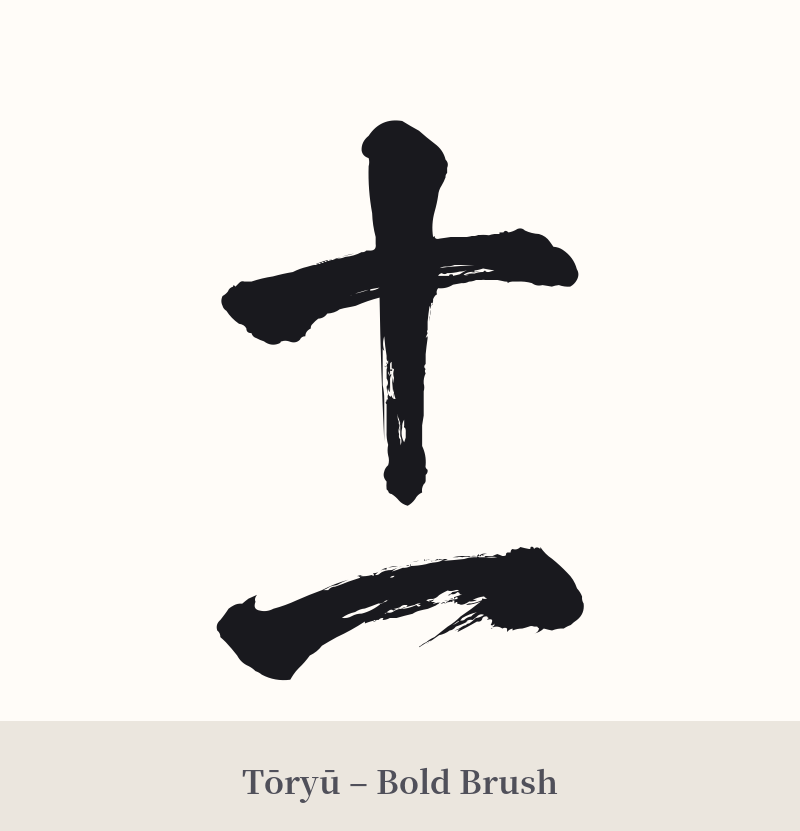
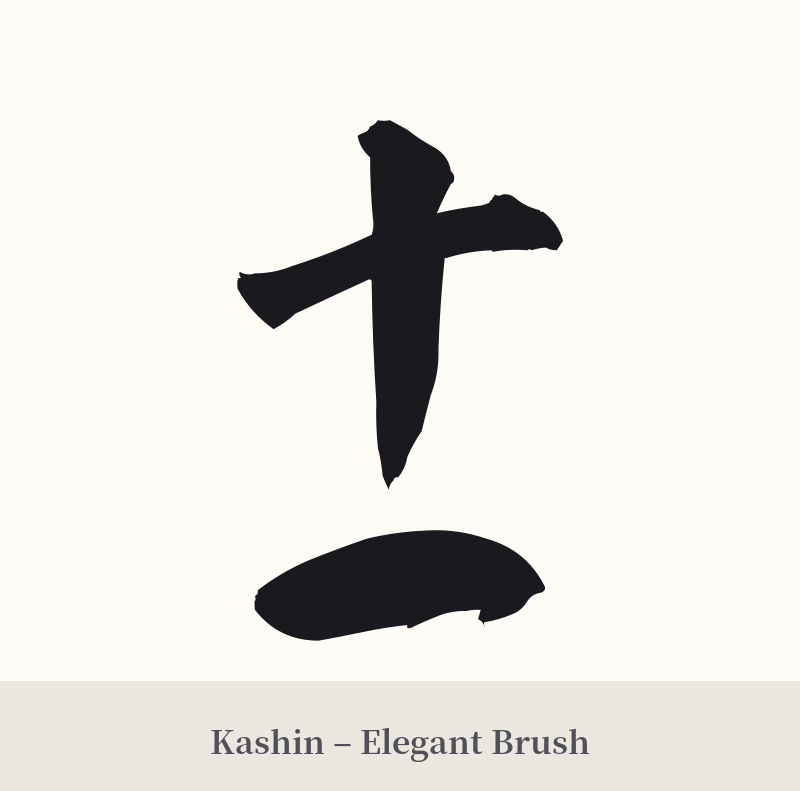
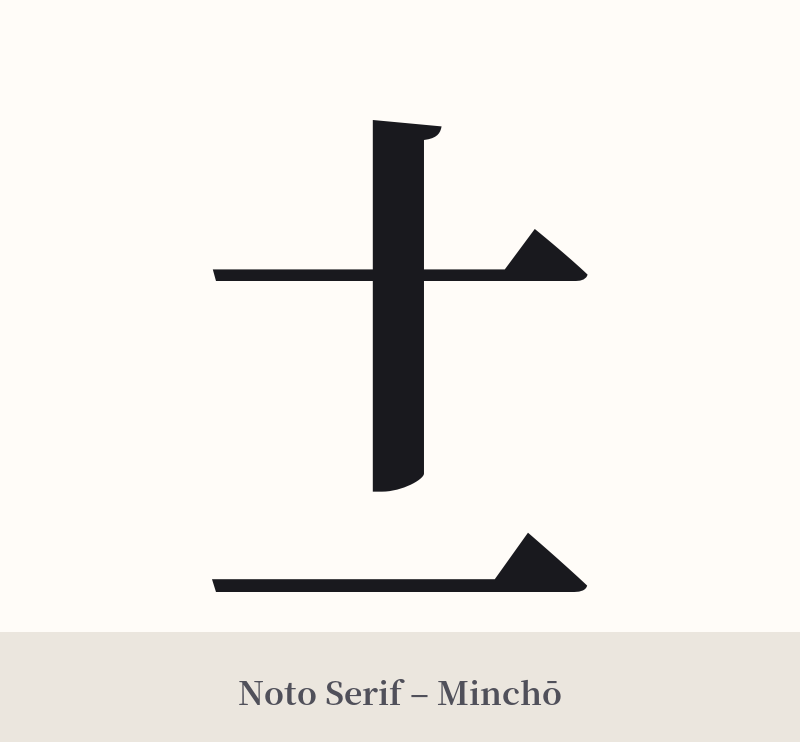
🎨 Tattoo Suitability
📐 Tattoo Design Guide
Due to its minimalist nature, a tattoo of 十一 (Jūichi) works best when its simplicity is embraced rather than fought against.
– Placement: This design is well-suited for small, subtle locations. Consider the inner wrist, behind the ear, on an ankle, or between the fingers. A large-scale version would likely feel empty unless it's part of a much larger composition.
– Style: A crisp, geometric font or a simple, sans-serif block style would highlight its clean lines. Alternatively, a flowing and expressive shodō (calligraphy) style can add significant artistic energy and visual interest to the two simple characters, transforming them from mere numbers into a work of art.
– Visual Tips: The characters can be oriented either horizontally (十一) or vertically. When written vertically, the 'ten' (十) is placed above the 'one' (一). Consider integrating it as part of a significant date (like a birthday or anniversary) or alongside another symbol that explains the personal importance of the number eleven to you.
Comments