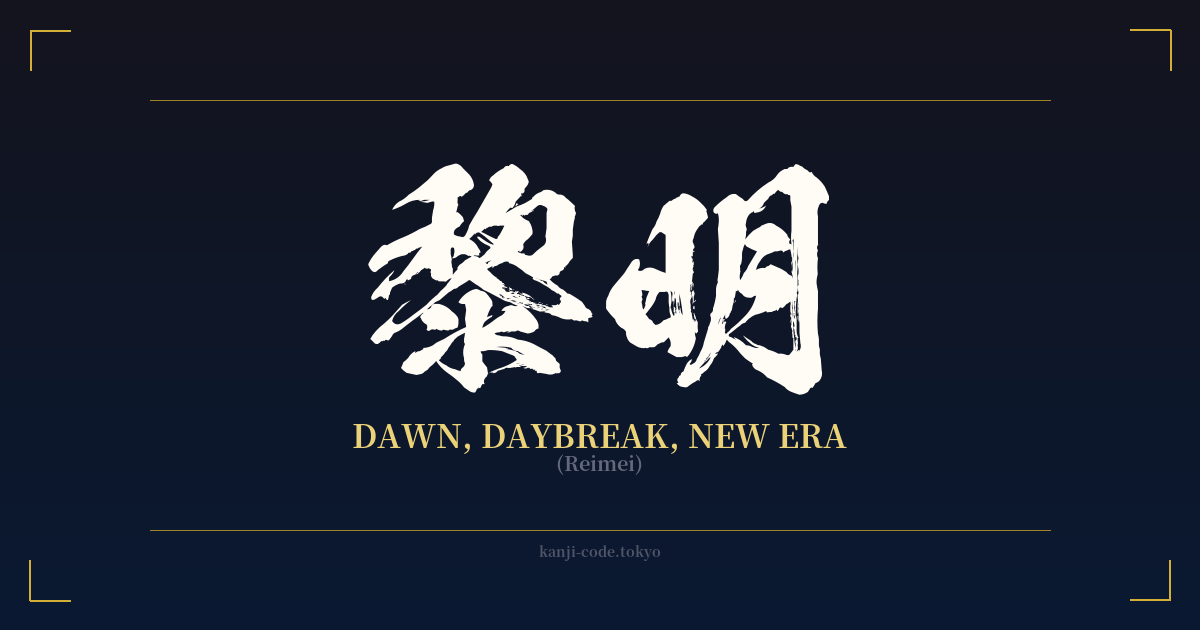
✍️ 黎明 (Reimei) — Cultural Context
黎明 (Reimei) is one of the most beautiful and evocative words in the Japanese language for 'dawn.' However, to call it just 'dawn' is to miss its profound poetic weight. Unlike the more common, everyday word for morning, 朝 (asa), Reimei is reserved for moments of greater significance, carrying a sense of quiet majesty and profound change.
The word paints a vivid picture: the first fragile light breaking through the deep darkness of night. It’s not the bright, bustling morning, but the serene, transitional moment when hope first appears on the horizon. This makes it a powerful metaphor for any kind of new beginning that follows a period of struggle, darkness, or stagnation.
Historically and culturally, Reimei is often used to describe the dawn of a new era. For instance, the end of the feudal Edo period and the beginning of the Meiji Restoration could be described as the 'reimei' of modern Japan. This metaphorical use is common in literature, historical analysis, and philosophical texts. It speaks to a fundamental shift, a turning point where the old ways give way to a new, brighter future.
In art and media, Reimei is a popular title for songs, albums, and literary works that deal with themes of hope, rebirth, and perseverance. Its inclusion immediately signals a certain gravity and emotional depth. For example, the title of the third ending theme for the anime 'Attack on Titan' is 'Reimei no Requiem' (Requiem of the Dawn), perfectly capturing the series' themes of fighting for a new day amid despair.
To choose Reimei is to choose a word that embodies quiet strength and optimistic foresight. It is the belief that no matter how long or dark the night, the light will inevitably return. It represents not just a new day, but a new chance, a new perspective, and the gentle but unstoppable arrival of the future.
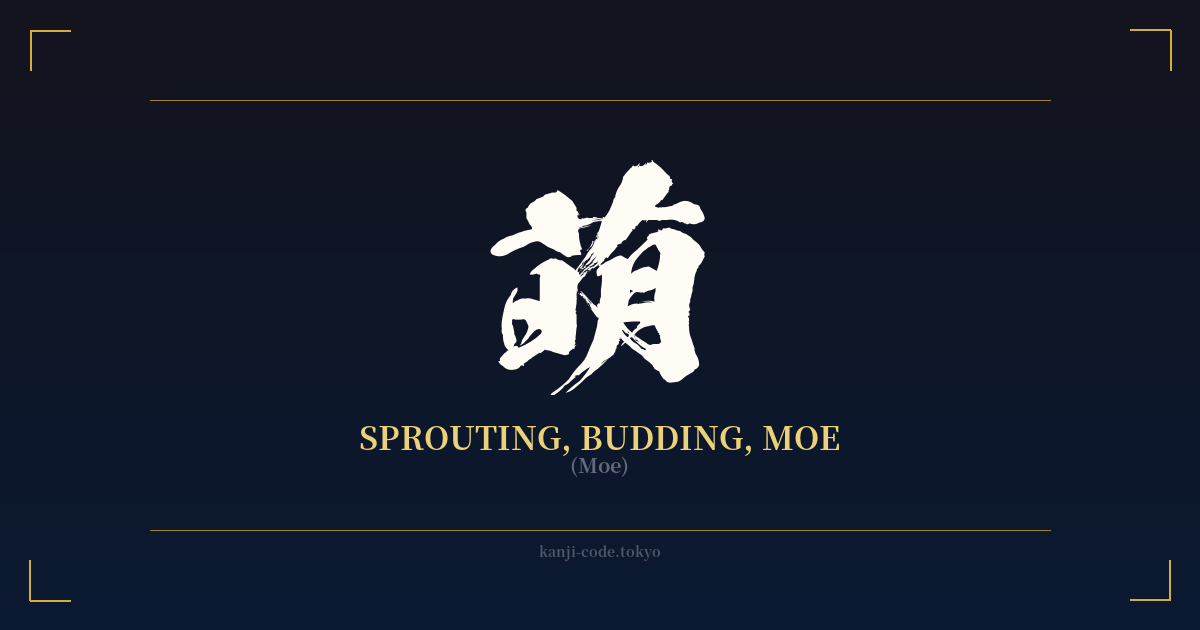
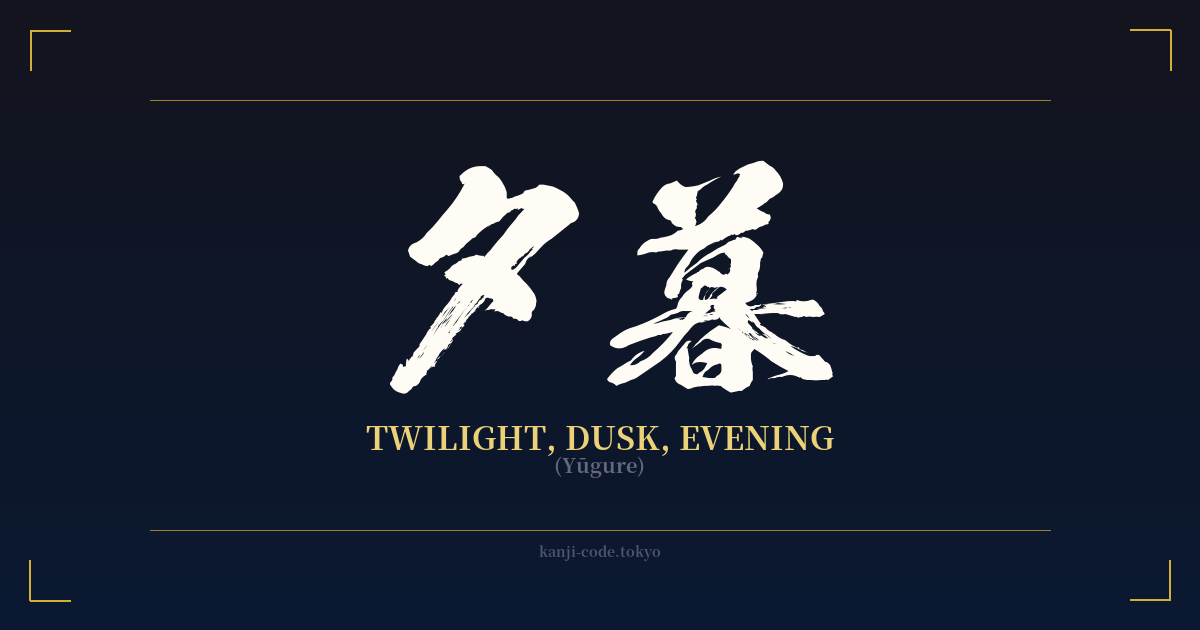
🖌️ Font Styles for 黎明
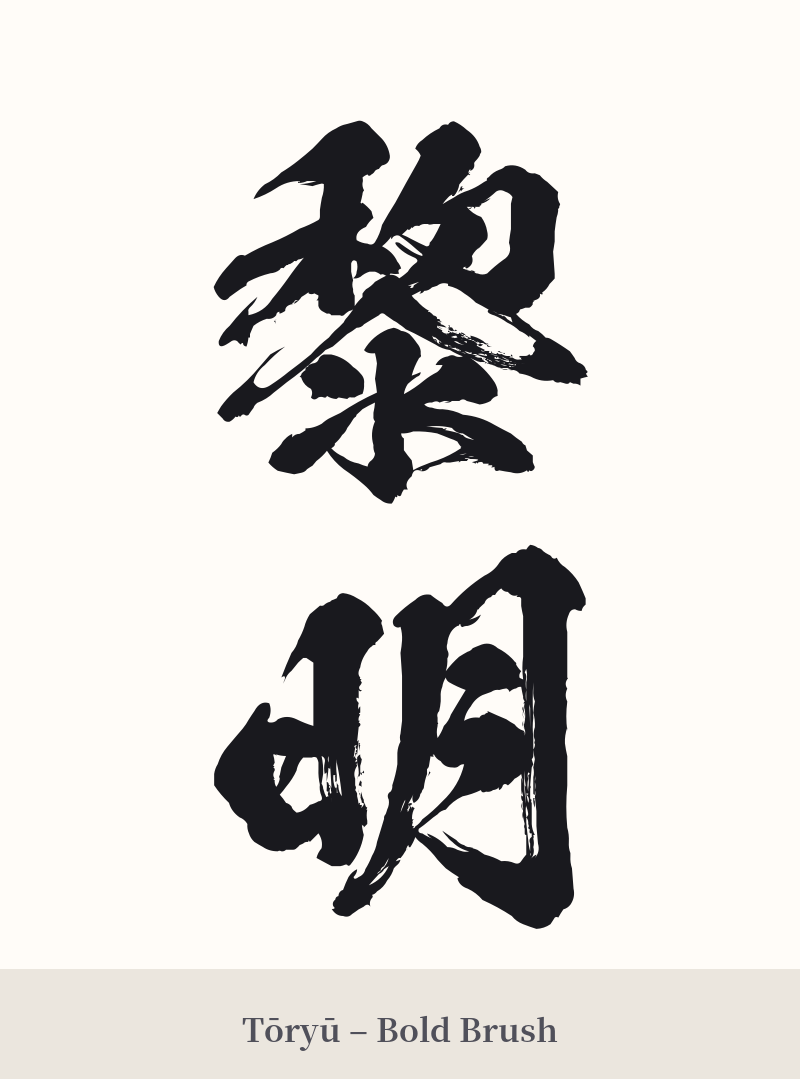
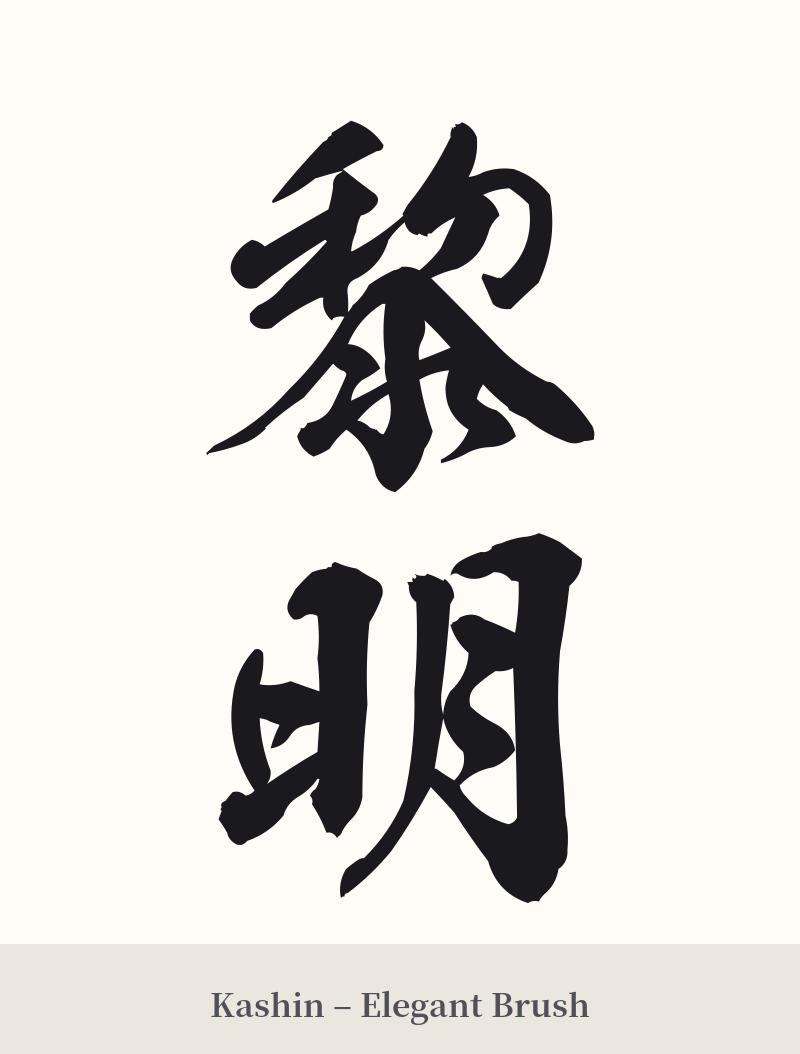
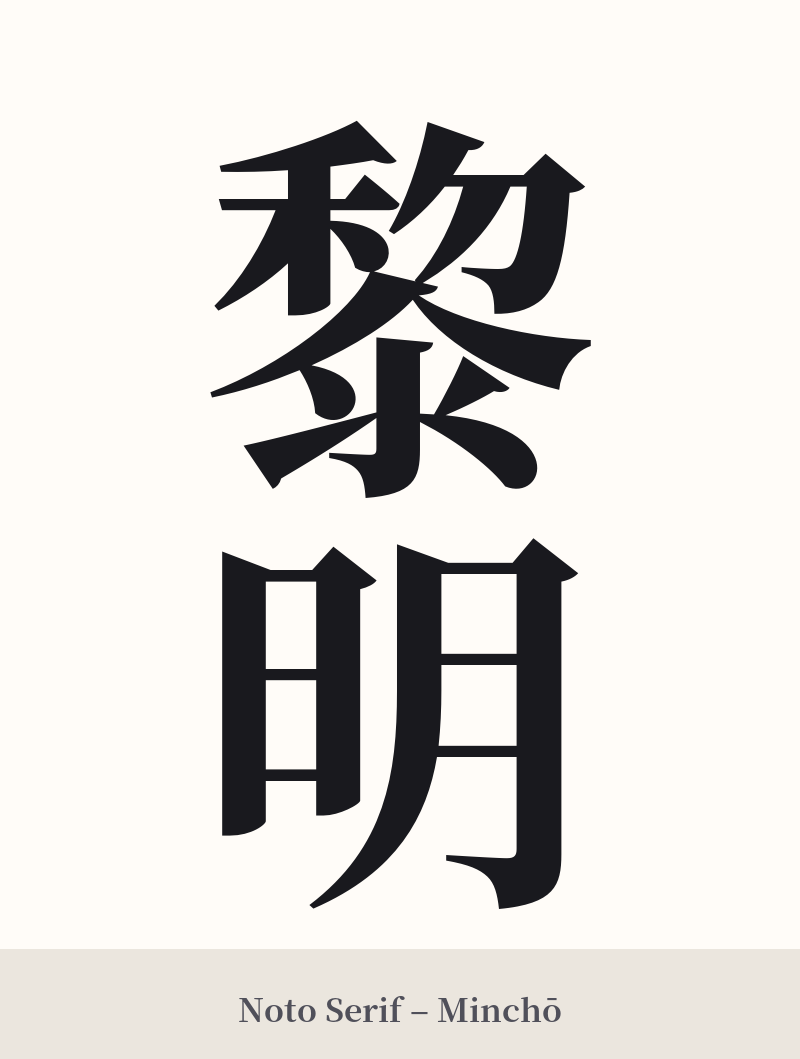
The same kanji can look dramatically different depending on the calligraphy style. Choose a font that matches the mood you want for your tattoo or design.
🎨 Tattoo Suitability
📐 Tattoo Design Guide
For a 黎明 (Reimei) tattoo, a vertical alignment is highly recommended. This classic orientation suits the natural flow of kanji and looks elegant on the forearm, spine, or along the calf.
– Font Style: A semi-cursive script (Gyosho) can capture the flowing, hopeful feeling of dawn. For a stronger, more deliberate statement, a clean block script (Kaisho) will highlight the beautiful complexity of the first character, 黎, against the simplicity of the second, 明.
– Placement: The inner forearm provides a great canvas for a vertical design that is easy to see. For a more private and impactful placement, the spine is an excellent choice, symbolizing the core of one's new beginning.
– Visual Elements: While 黎明 stands powerfully on its own, it can be complemented by subtle imagery. Consider a simple horizon line below the kanji, a watercolor wash of red and orange like a sunrise, or a silhouette of a bird taking flight. Keep these additions minimal to let the kanji remain the focus.
Comments