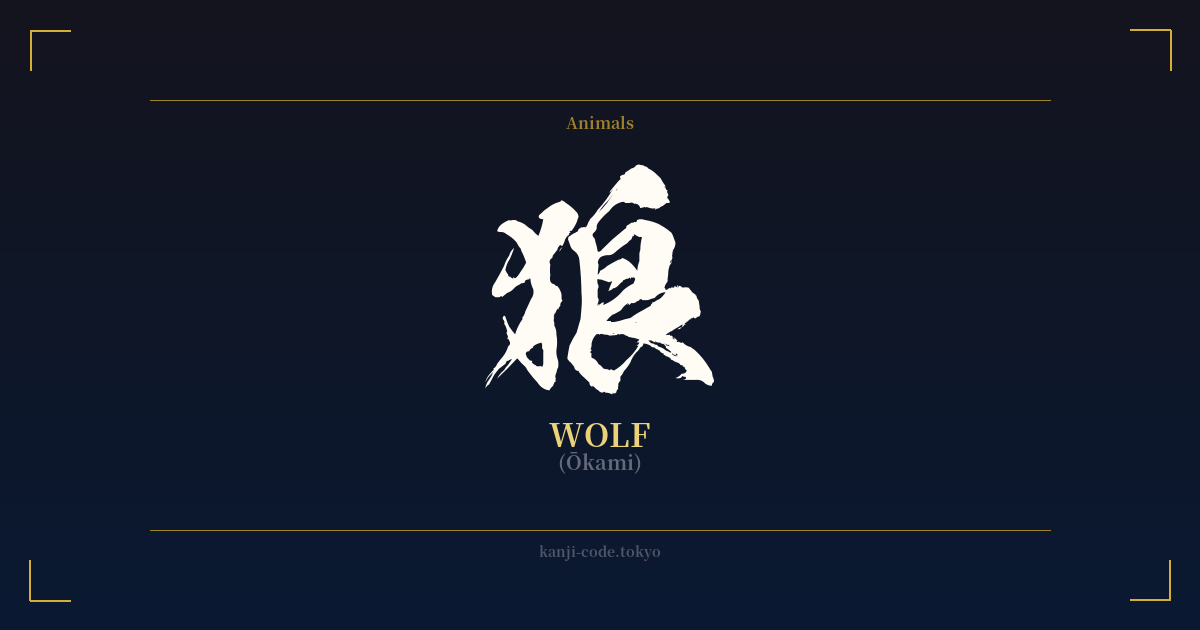
✍️ 狼 (Ōkami) — Cultural Context
The kanji 狼 (Ōkami) encapsulates a creature of profound duality in Japanese culture, embodying both the untamed wilderness and divine protection. Unlike the villainous "big bad wolf" common in Western folklore, the Japanese wolf was historically a creature of immense respect and reverence, often viewed as a spiritual entity or a messenger of the mountain gods (yama no kami).
The Japanese archipelago was once home to two endemic subspecies: the Hokkaido wolf and the Honshū wolf. The Honshū wolf, or Nihon Ōkami (日本狼), was particularly venerated. It was seen as a protector of mountain travelers and a guardian of the crops, preying on the deer and wild boar that would otherwise damage farms. This benevolent role led to a close, spiritual relationship between humans and wolves.
This reverence is deeply embedded in Shintoism. Many shrines, such as Mitsumine Shrine in Saitama, are dedicated to the wolf, treating it as a divine servant or familiar (otsukai) of the resident kami. At these shrines, the wolf is worshipped as a protector against fire, theft, and misfortune. A popular folk etymology even suggests the word Ōkami comes from Ōkami (大神), meaning "great god," highlighting this sacred connection.
The extinction of the Honshū wolf in the early 20th century cemented its status in the realm of myth and memory. It became a powerful symbol of Japan's lost wilderness and a poignant reminder of the delicate balance between humanity and nature. This tragic loss has only deepened its symbolic power in modern times.
Today, the image of the wolf is prevalent in Japanese popular culture, often drawing on its divine and spiritual aspects. Hayao Miyazaki's film Princess Mononoke features a formidable wolf clan led by the god Moro, who represents the untamed force of the natural world. Similarly, the acclaimed video game Ōkami casts the player as the sun goddess Amaterasu in the form of a white wolf, tasked with restoring beauty to a cursed land. These portrayals reinforce the wolf as a noble, powerful, and sacred being, far from a simple beast.
🖌️ Font Styles for 狼
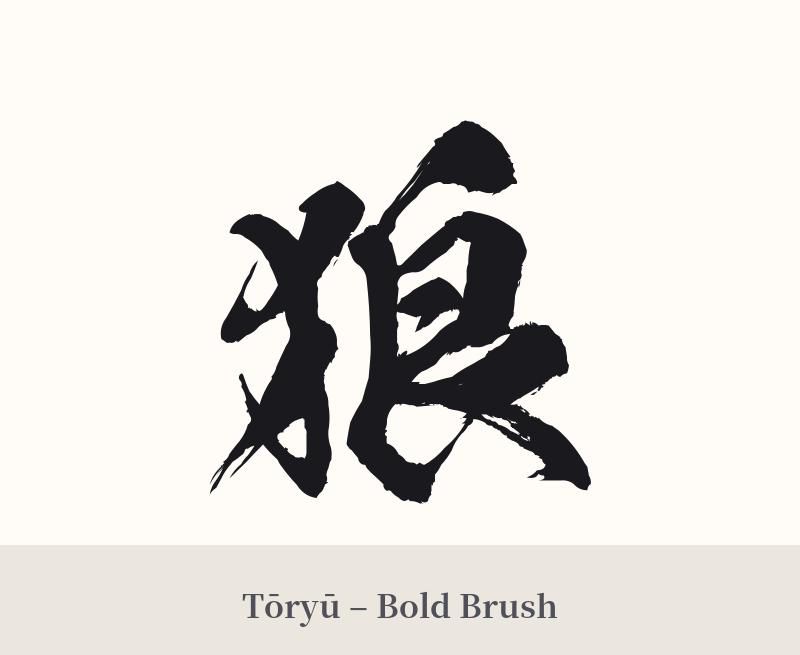
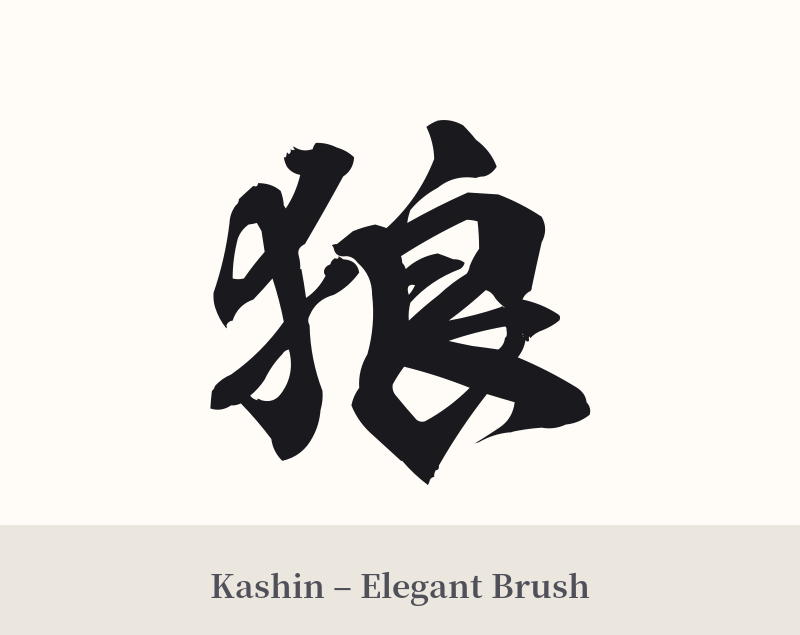
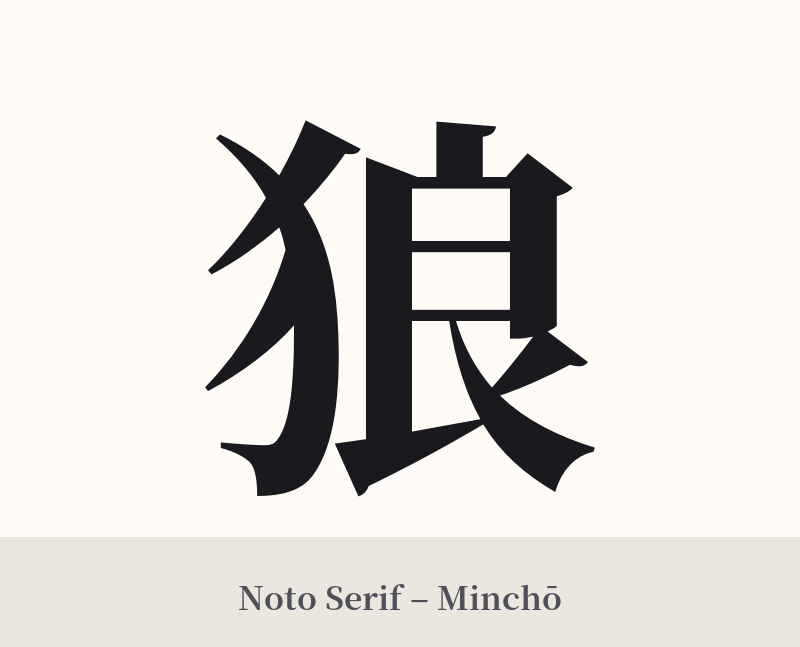
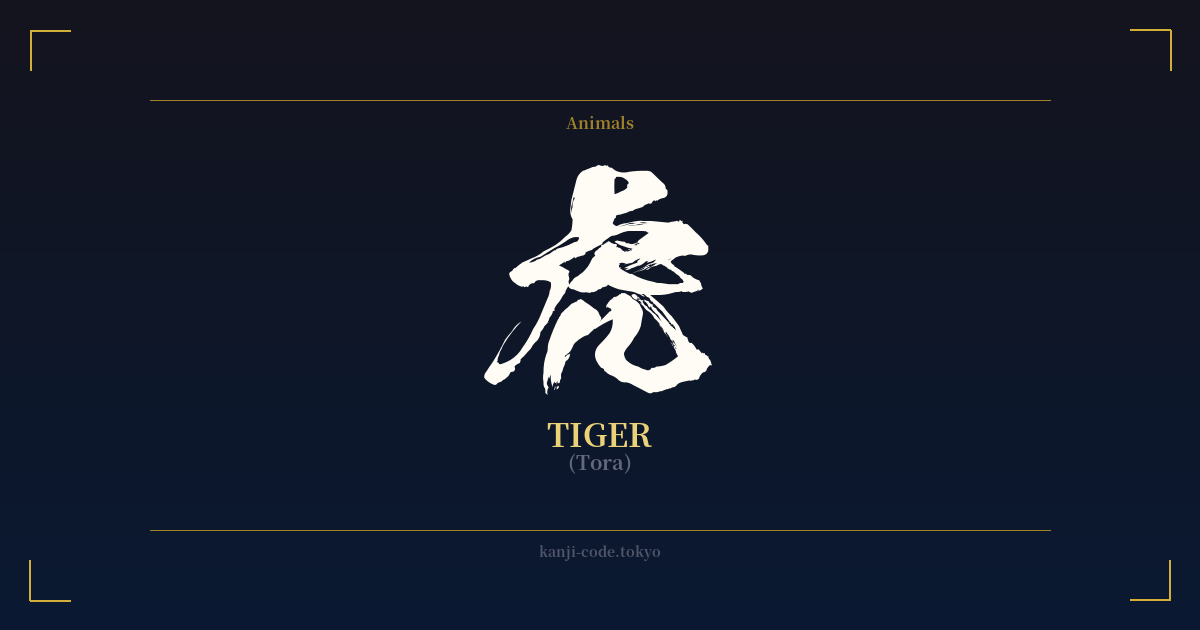
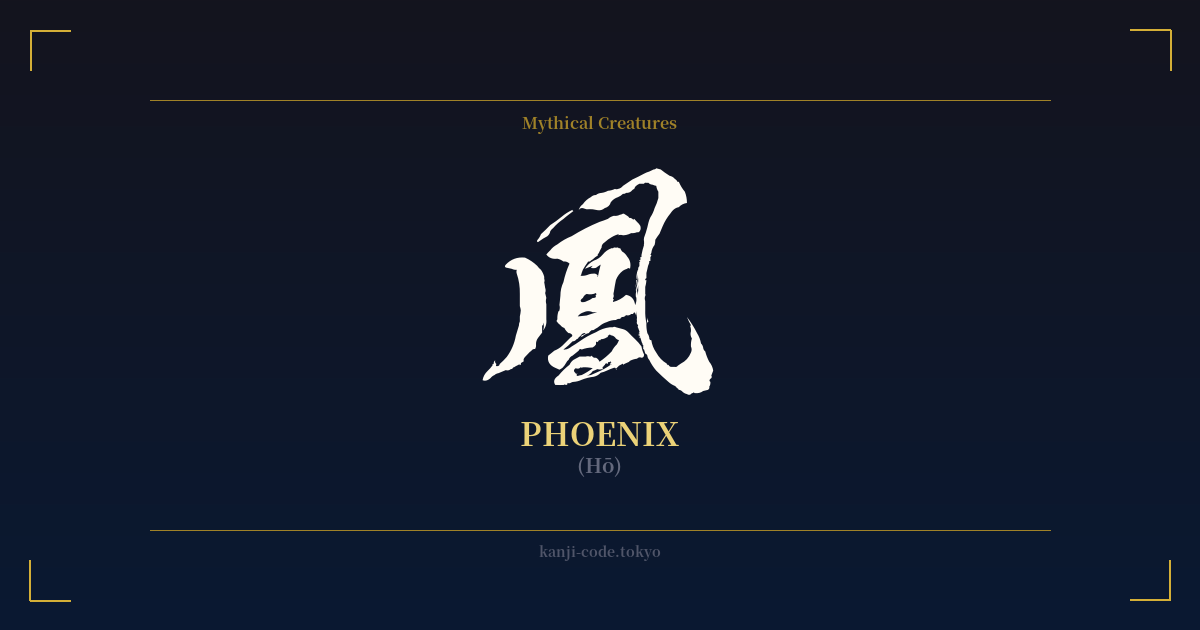
The same kanji can look dramatically different depending on the calligraphy style. Choose a font that matches the mood you want for your tattoo or design.
🎨 Tattoo Suitability
📐 Tattoo Design Guide
The kanji 狼 is a versatile and powerful choice for a tattoo, suitable for various styles and placements.
– Placement: For a standalone piece, consider areas that offer a flat, prominent canvas like the forearm, calf, or back shoulder blade. A larger, more detailed piece could work well as a centerpiece on the back or chest.
– Style Suggestions: A dynamic, semi-cursive calligraphy (gyōsho) or a wild, expressive grass script (sōsho) can capture the wolf's untamed energy. For a more stoic and solid look, a bold Mincho or Gothic typeface provides a strong, impactful statement.
– Visual Combinations: While 狼 stands powerfully on its own, it pairs beautifully with other imagery. Consider integrating it with a full moon (a classic pairing), a silhouette of a pine forest, or rugged mountain peaks to evoke its natural habitat. A vertical orientation is a traditional and aesthetically pleasing way to present the character.
Comments