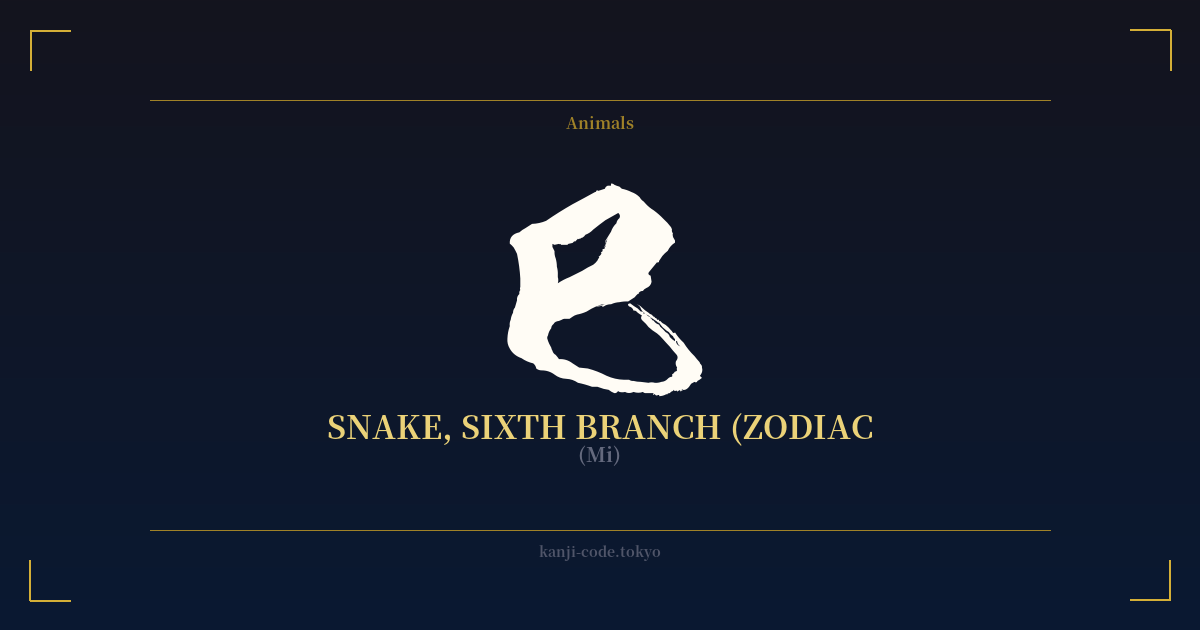
✍️ 巳 (Mi) — Cultural Context
The kanji 巳 (Mi) represents the sixth sign of the East Asian zodiac, known in Japan as the Jūnishi (十二支). It is crucial to understand that 巳 does not function as the everyday word for a snake; that role belongs to the character 蛇 (hebi). Instead, 巳 is a symbolic, almost esoteric character, tied specifically to the calendar, astrology, and ancient cosmology.
Its origins are fascinatingly abstract. The ancient pictograph is thought to represent a fetus or an embryo in the womb. This connects to its calendrical meaning, representing a stage of development where things are gestating and not yet fully formed or visible. This links beautifully to the snake itself, an animal that hibernates, disappears, and then re-emerges, seemingly reborn.
In Japanese culture, the snake (hebi) holds a powerful dualistic symbolism, which is inherited by 巳 as its zodiac avatar. On one hand, snakes are revered as messengers of the gods and symbols of good fortune. They are closely associated with Benzaiten (弁財天), one of the Seven Lucky Gods, who governs finance, music, and water. Shrines dedicated to her often feature snake imagery, and dreaming of a white snake is considered a sign of immense luck and impending wealth.
The snake's ability to shed its skin also makes it a potent symbol of regeneration, rebirth, and eternal life. This regenerative power ties into healing and medicine, and snakes were historically seen as guardians of life's mysteries.
However, there is a darker side. The snake also embodies jealousy, vengeance, and dangerous temptation. This is famously depicted in folklore and Noh theater, where a deeply jealous or scorned woman might transform into a monstrous serpent. This duality—of fortune and danger, wisdom and jealousy—is central to the snake's character in Japanese lore.
People born in the Year of the Snake (Mi-doshi) are said to embody these traits. They are considered to be thoughtful, wise, intuitive, and philosophical. They move through life with a quiet grace and determination. However, they can also be seen as secretive, possessive, and prone to suspicion, preferring to keep their true thoughts and feelings hidden.
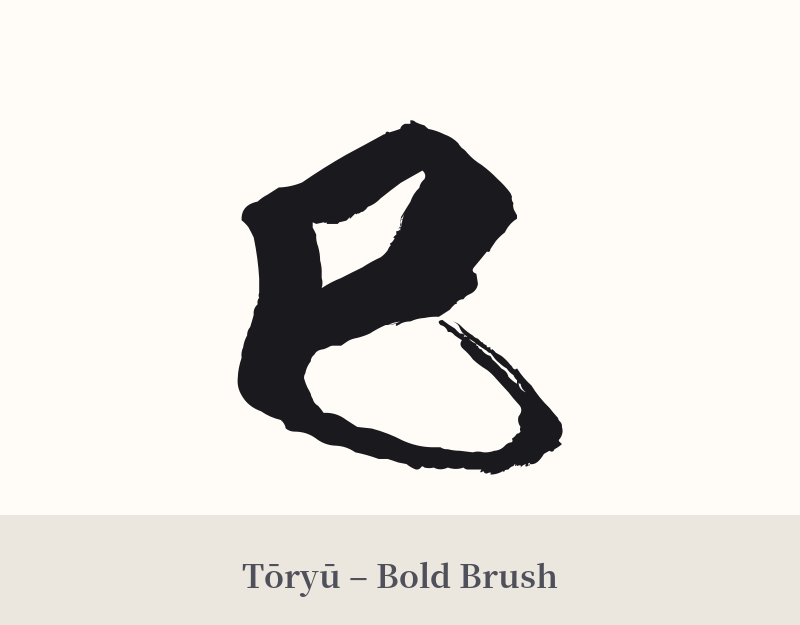
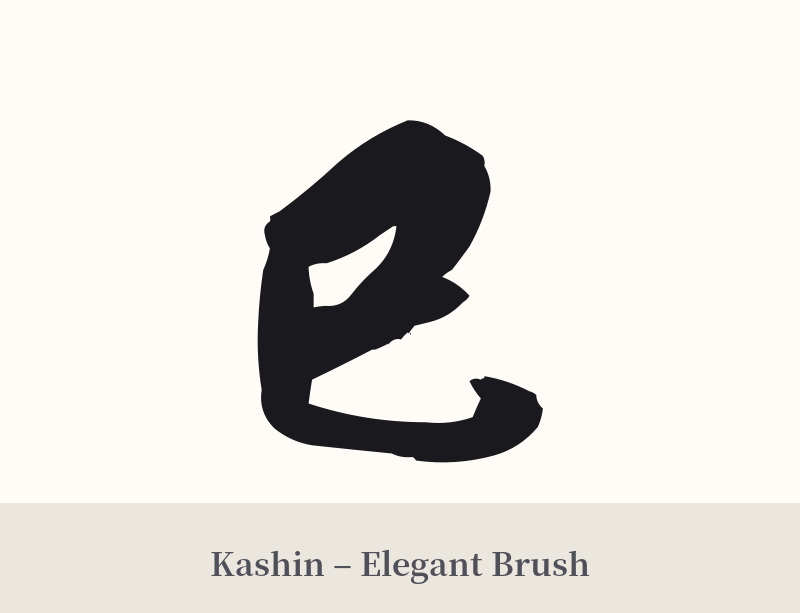
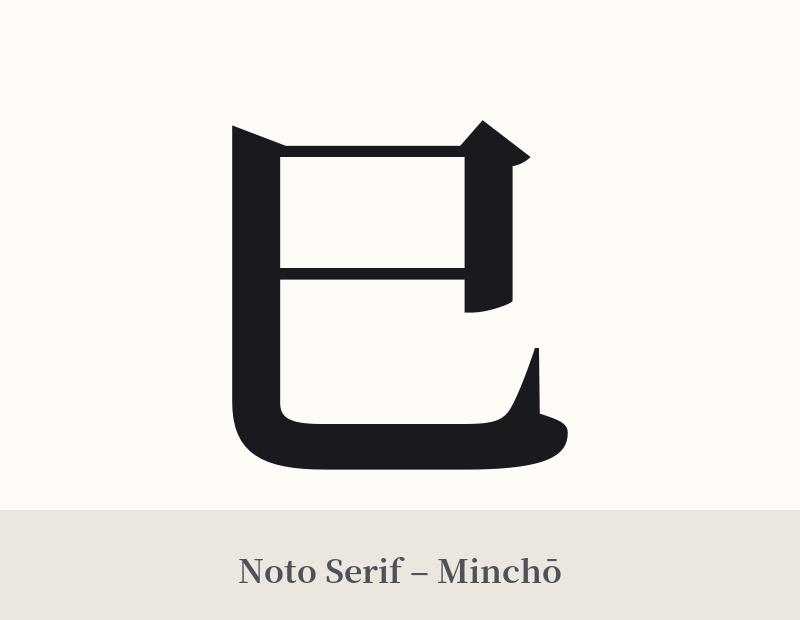
🖌️ Font Styles for 巳
The same kanji can look dramatically different depending on the calligraphy style. Choose a font that matches the mood you want for your tattoo or design.
🎨 Tattoo Suitability
📐 Tattoo Design Guide
Due to its simplicity and abstract nature, the design and placement of the kanji 巳 require careful thought.
– Placement: This character works well in small, discreet locations where its minimalist form can be appreciated. Consider the inner wrist, behind the ear, on the ankle, or as a subtle element within a larger piece. A large, solitary 巳 might look stark or incomplete.
– Font Style: A bold, clean Kaisho (block) script will emphasize its simple, geometric form. For a more organic feel, a flowing Sōsho (cursive) script could subtly mimic the movement of a snake, but this risks making the already-abstract character even less legible.
– Visual Tips: To add context and avoid ambiguity, consider pairing 巳 with a visual depiction of a snake. A design where a snake's body wraps around or forms part of the kanji can be very effective. Alternatively, you could incorporate it into a design with a lotus flower to honor its connection to the goddess Benzaiten, or place it within an ensō (Zen circle) to represent the cycle of life and rebirth.
Comments