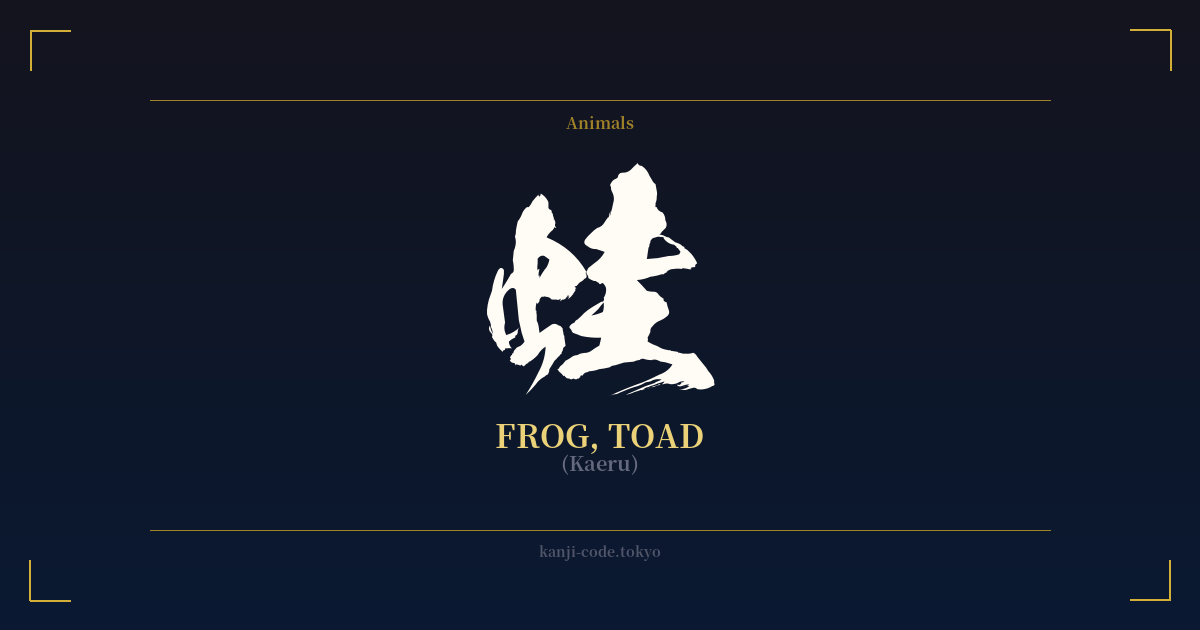
✍️ 蛙 (Kaeru) — Cultural Context
In Japan, the frog, or 'kaeru' (蛙), is far more than a simple amphibian; it's a potent symbol deeply woven into the nation's cultural and linguistic fabric. Its significance is most famously tied to a clever play on words. The verb 'kaeru' (帰る) means 'to return,' which sounds identical to the word for frog. This linguistic link has transformed the frog into a powerful emblem of return and renewal.
Because of this, frogs are widely regarded as a symbol of good fortune. It's believed that carrying a frog charm will ensure that good things, especially money, will return to you after being spent. Small frog figurines are common gifts and are often kept in a wallet or purse to invite prosperity and the safe return of one's assets. This also extends to travel; a frog charm is thought to guarantee a safe journey and a happy return home.
The frog's connection to the seasons is another vital aspect of its identity. As creatures that emerge in the spring and are most active during the rainy season ('tsuyu'), they are heralds of renewal, fertility, and the life-giving rains that nourish rice paddies. Their chorus of croaking on a summer evening is a quintessential sound of the Japanese countryside, evoking a sense of nostalgia and tranquility.
This connection to nature and quiet observation is immortalized in one of the most famous haiku poems ever written, by the master Matsuo Bashō:
'Furu ike ya / kawazu tobikomu / mizu no oto' 'An old silent pond / A frog jumps into the pond / Splash! Silence again.'
This poem captures a fleeting moment, emphasizing the Zen concepts of stillness, transience, and the beauty found in simple, natural events. The frog here is the catalyst for a moment of profound awareness.
In folklore and art, the frog appears in various forms. While 'kaeru' refers to the common frog, 'gama' (蝦蟇) refers to the toad, a creature often depicted with more mythical qualities. The legendary ninja Jiraiya was famously associated with toad magic, able to summon giant toads to aid him in battle. This adds a layer of mystical power and resilience to the amphibian's symbolism. Whether seen as a cute charm for good luck or a powerful folkloric being, the frog remains a beloved and meaningful figure in Japan.
🖌️ Font Styles for 蛙
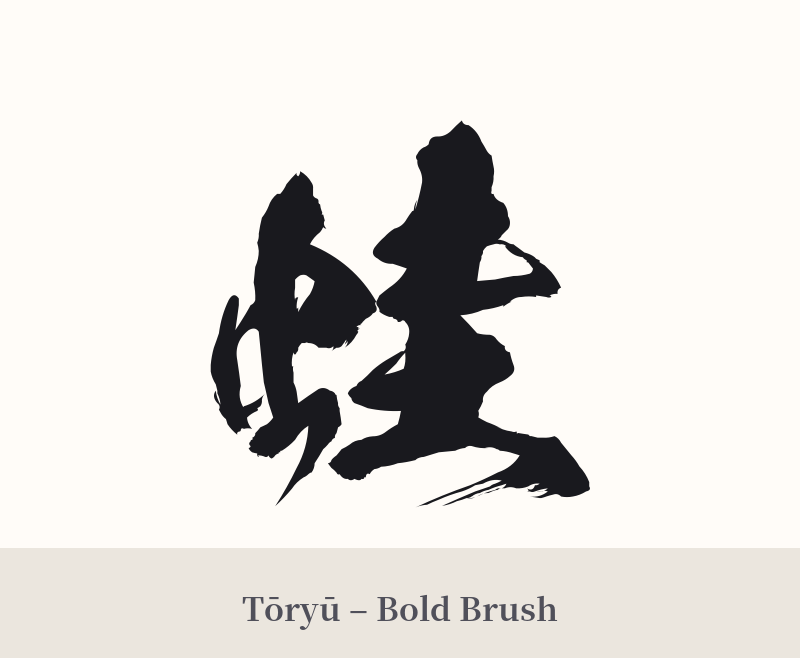
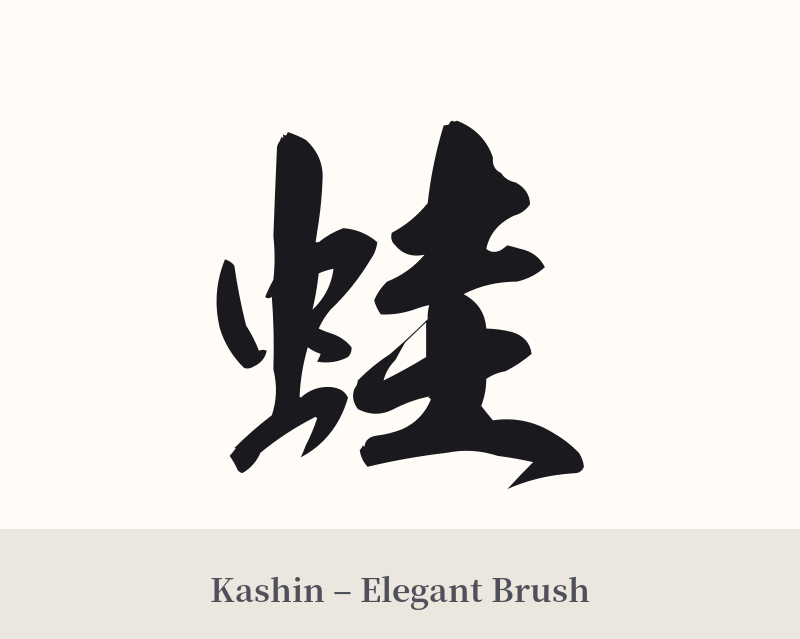
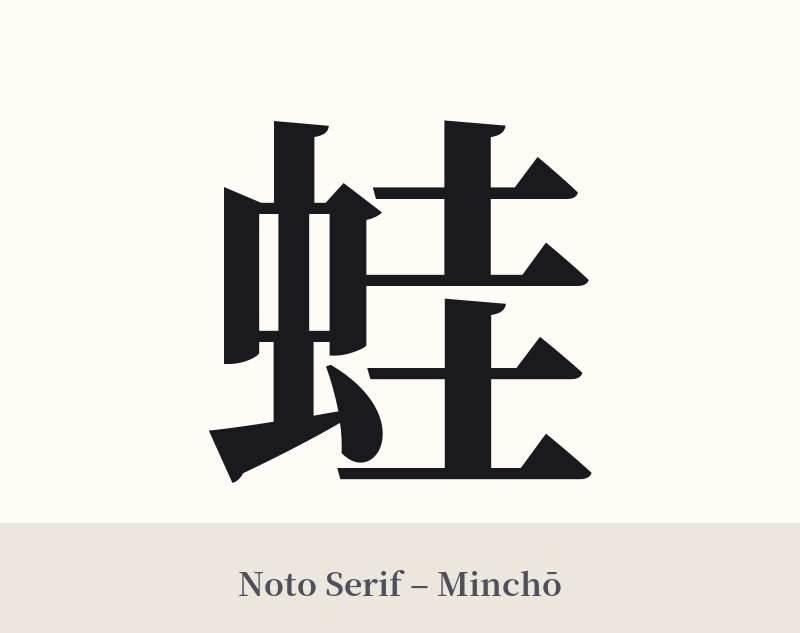
The same kanji can look dramatically different depending on the calligraphy style. Choose a font that matches the mood you want for your tattoo or design.
🎨 Tattoo Suitability
📐 Tattoo Design Guide
The kanji for frog, 蛙 (Kaeru), offers a lot of versatility in tattoo design. Its positive and natural connotations make it suitable for many placements and styles.
– Placement: For a small, discreet tattoo, the wrist, ankle, or behind the ear are excellent choices. As part of a larger composition, it fits well on the calf or forearm, especially when integrated into a nature scene with water, reeds, or a lotus leaf.
– Style: A painterly, brush-stroke style (shodō) can emphasize its connection to traditional art and poetry. For a more playful or whimsical look, a rounded or slightly stylized font works well. A classic, clean Mincho or Kaisho font gives it a timeless, dignified appearance.
– Visual Pairing: Consider pairing the kanji with an image of a frog itself, or with elements that evoke its habitat. Water ripples, a lotus pad, or even a crescent moon can create a complete and evocative scene that tells a deeper story.
Comments