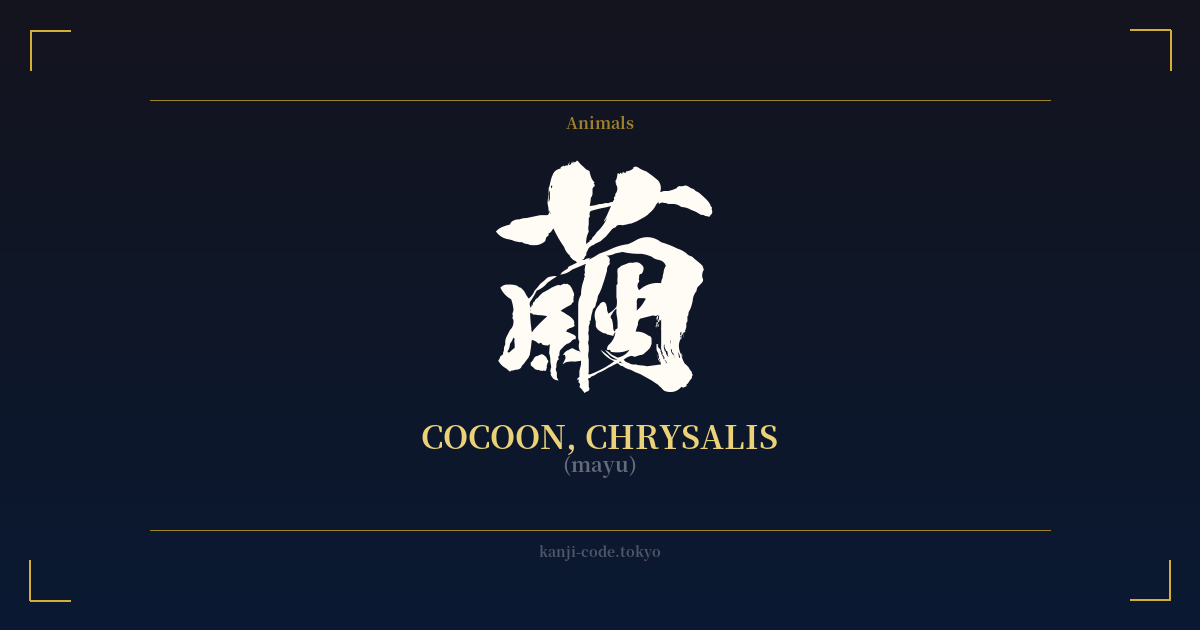
✍️ 繭 (mayu) — Cultural Context
The kanji 繭 (mayu) literally means 'cocoon,' the protective casing spun by a silkworm before its metamorphosis. Its visual construction beautifully tells this story. The character is composed of the radical 糸 (ito), meaning 'thread' or 'silk,' which forms a shelter around the character 虫 (mushi), meaning 'insect' or 'worm.' It's a pictographic representation of an insect wrapped in its own threads, a perfect union of form and meaning.
Beyond its literal definition, 繭 is deeply embedded in Japanese culture and history, primarily through the legacy of sericulture, or silk farming. For centuries, silk (絹, kinu) was a symbol of wealth, status, and refinement in Japan. The production of this luxurious material began with the humble cocoon, making 繭 a foundational element of a vast and important industry that shaped trade, fashion, and art. The Tomioka Silk Mill, a UNESCO World Heritage site, stands as a testament to the modernization of Japan's silk industry and the central role the cocoon played.
Metaphorically, 繭 carries profound symbolism. It represents a period of quiet incubation, protection, and patient waiting. It is the silent, introspective phase before a great transformation. While the cocoon itself may seem inert, it holds immense potential and the promise of a new form—the butterfly or moth. This makes it a powerful symbol for personal growth, overcoming hardship, or preparing for a new chapter in life. It speaks to the idea that true change often requires a period of withdrawal and internal development before one can emerge stronger and renewed.
In modern Japan, the word 'mayu' is also a gentle and classic female given name. It evokes images of softness, protection, and natural beauty, much like the fine threads of a cocoon. The name carries a sense of preciousness and quiet strength, reflecting the cultural appreciation for the concepts embodied by the kanji.
Whether seen as a key component of a historic industry, a symbol of personal metamorphosis, or a delicate name, 繭 encapsulates a world of meaning within its intricate strokes. It is a reminder that periods of stillness and enclosure are not signs of weakness, but necessary stages for profound and beautiful change.
🖌️ Font Styles for 繭
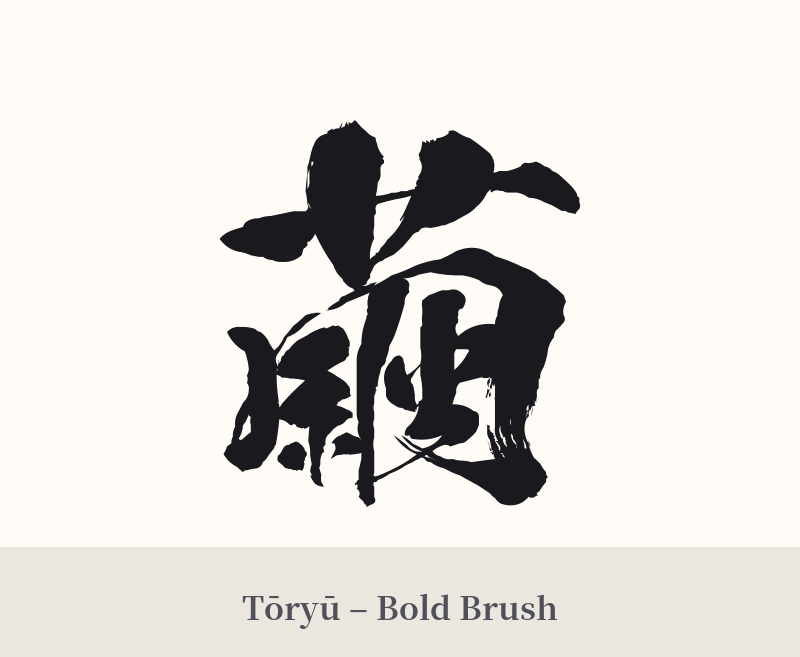
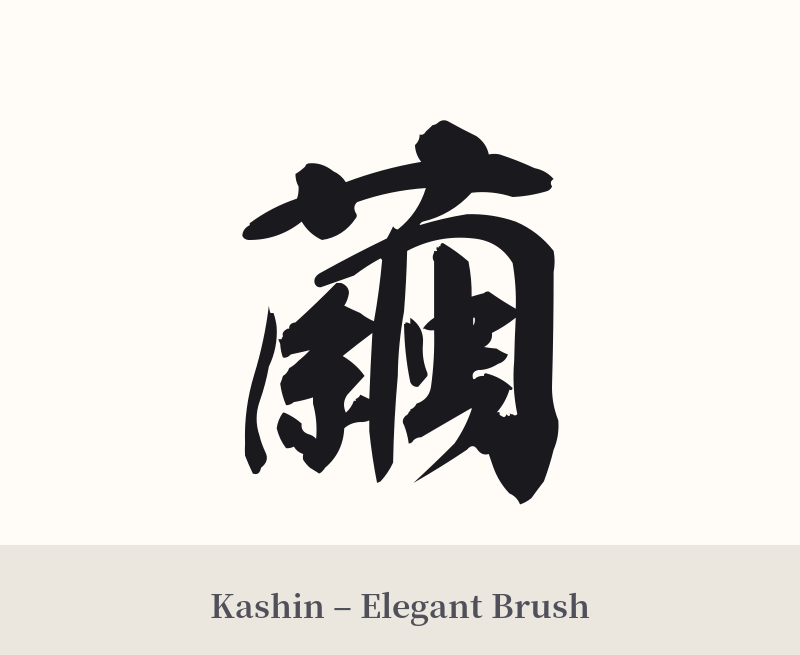
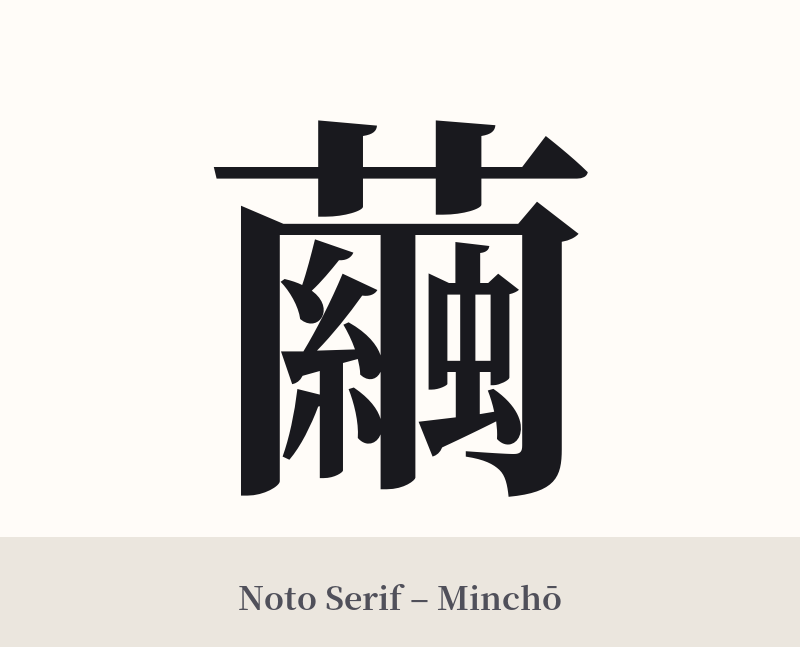
The same kanji can look dramatically different depending on the calligraphy style. Choose a font that matches the mood you want for your tattoo or design.
🎨 Tattoo Suitability
📐 Tattoo Design Guide
The kanji 繭 (mayu) offers a design that is both intricate and deeply symbolic. Its complexity lends itself well to being a standalone centerpiece.
– Placement: Consider areas that feel personal and protected. The inner forearm, the space just below the collarbone, or the back of the neck are excellent choices that complement the kanji's meaning of incubation and inner transformation.
– Style: A traditional calligraphy style like Gyoshotai (semi-cursive) can capture the organic, flowing nature of silk threads. For a cleaner, more modern aesthetic, a crisp Mincho font would highlight the character's structural complexity.
– Visual Elements: While 繭 is strong on its own, it can be beautifully paired with an emerging butterfly (蝶) to complete the story of transformation. Adding a few delicate cherry blossom petals (桜) can also enhance the theme of transient beauty and renewal.
Comments