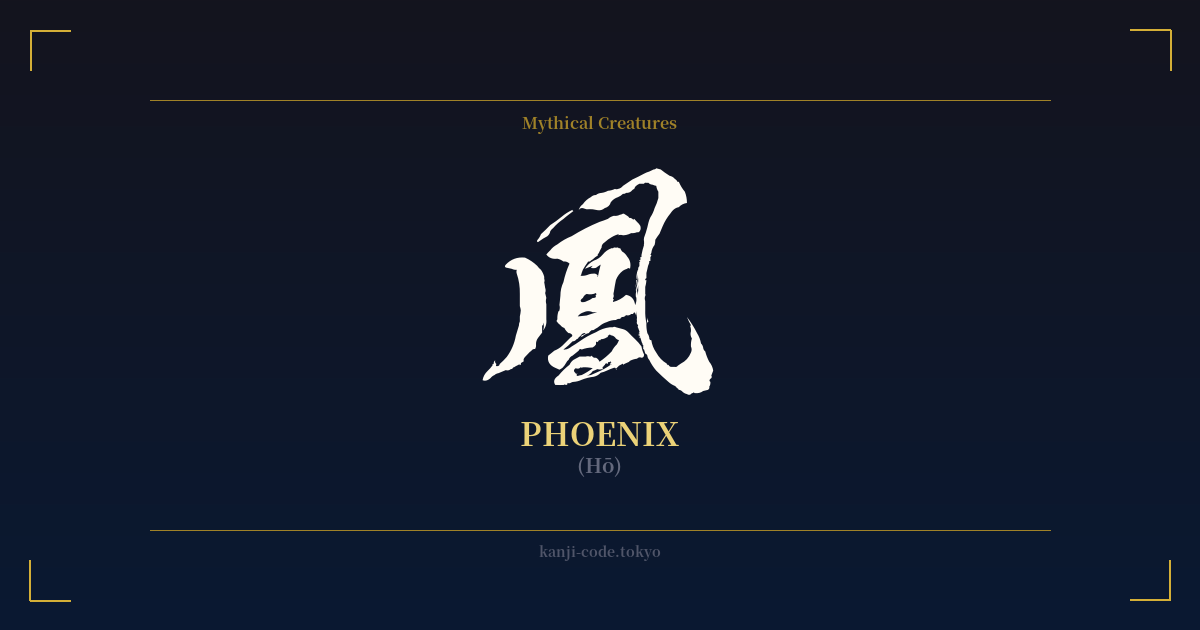
✍️ 鳳 (Hō) — Cultural Context
The kanji 鳳 (Hō) refers to the magnificent mythical bird known in Japan as the Hō-ō (鳳凰), often translated as the Phoenix. However, it's crucial to distinguish this creature from the Western phoenix. While the Western bird is a solitary creature famous for its cycle of death and rebirth in flames, the East Asian Hō-ō is a symbol of peace, imperial virtue, and profound good fortune.
Originating in Chinese mythology as the Fenghuang, this sacred bird was adopted into Japanese culture, where it became one of the most significant celestial symbols. The Hō-ō is said to appear only during times of peace and prosperity, specifically when a virtuous and benevolent ruler is on the throne. Its presence is a divine seal of approval, a confirmation that the world is in harmony.
Traditionally, the word 鳳凰 (Hō-ō) represents a pair: 鳳 (Hō) is the male bird, and 凰 (Ō) is the female. Over time, the single character 鳳 has come to represent the creature as a whole, though it retains a strong association with the Empress, just as the Dragon (龍) is linked to the Emperor. Together, the Phoenix and Dragon represent the perfect imperial union, a balance of yin and yang.
The Hō-ō is described as a stunning composite of the most beautiful birds. It is said to have the head of a golden pheasant, the body of a mandarin duck, the tail of a peacock, the legs of a crane, the beak of a parrot, and the wings of a swallow. Its feathers are a dazzling array of five colors, representing the five Confucian virtues: benevolence, righteousness, propriety, wisdom, and sincerity.
This majestic bird's influence is deeply embedded in Japanese art and architecture. Perhaps the most famous example is the Phoenix Hall (鳳凰堂, Hōō-dō) at the Byōdō-in temple in Uji, Kyoto. Its elegant structure, designed to resemble a phoenix descending to earth, is even featured on the Japanese 10-yen coin. The 鳳 kanji itself embodies this elegance, its intricate strokes evoking a sense of grace, nobility, and auspicious power.
🖌️ Font Styles for 鳳
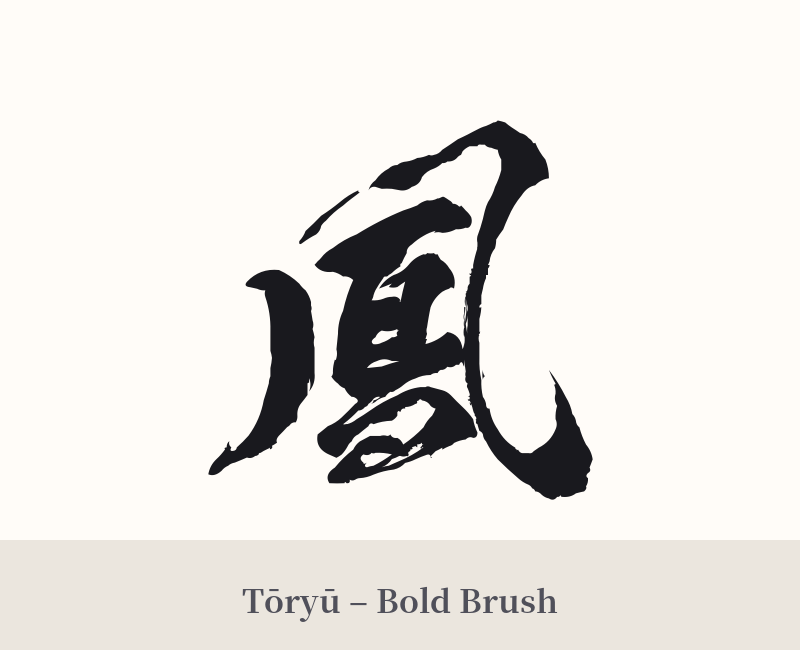
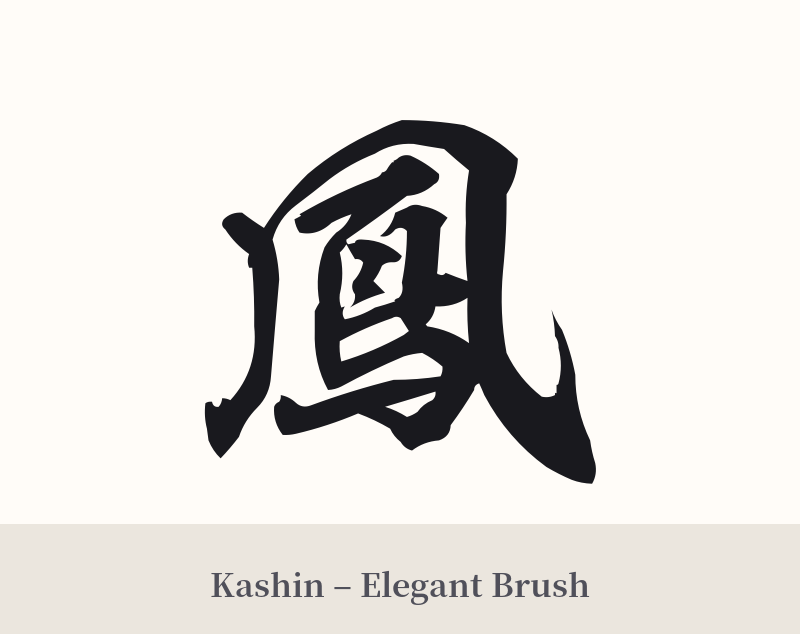
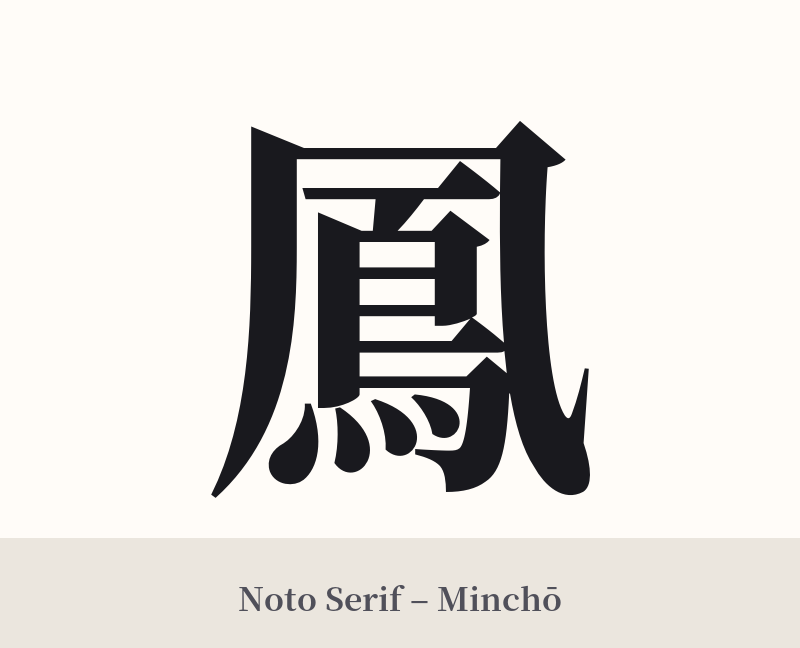
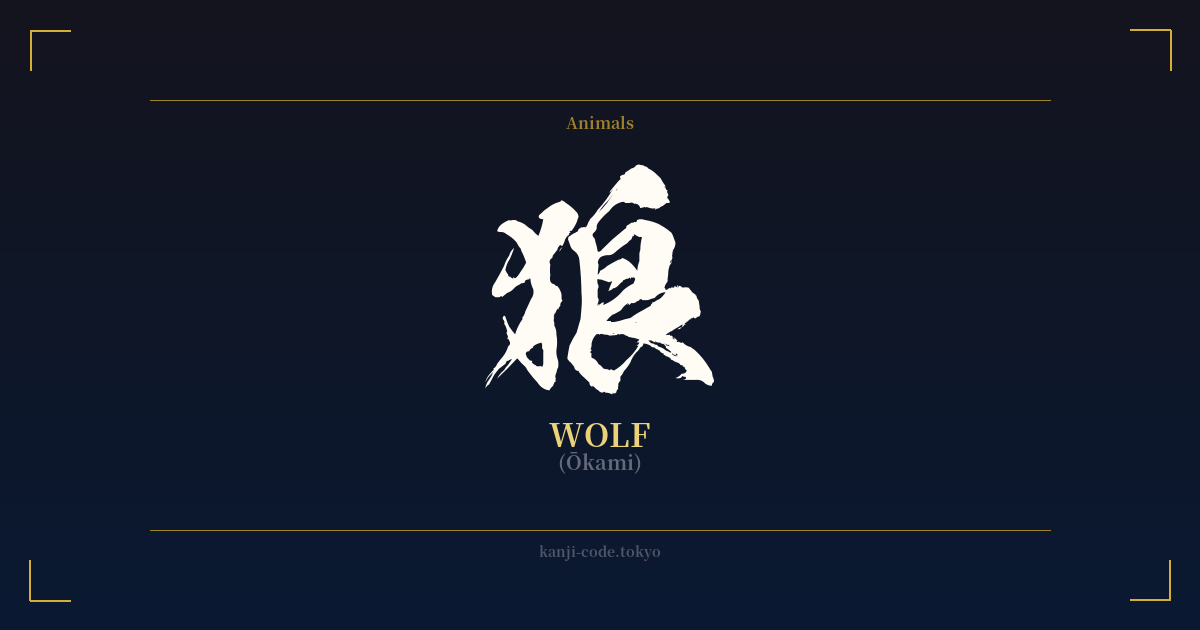
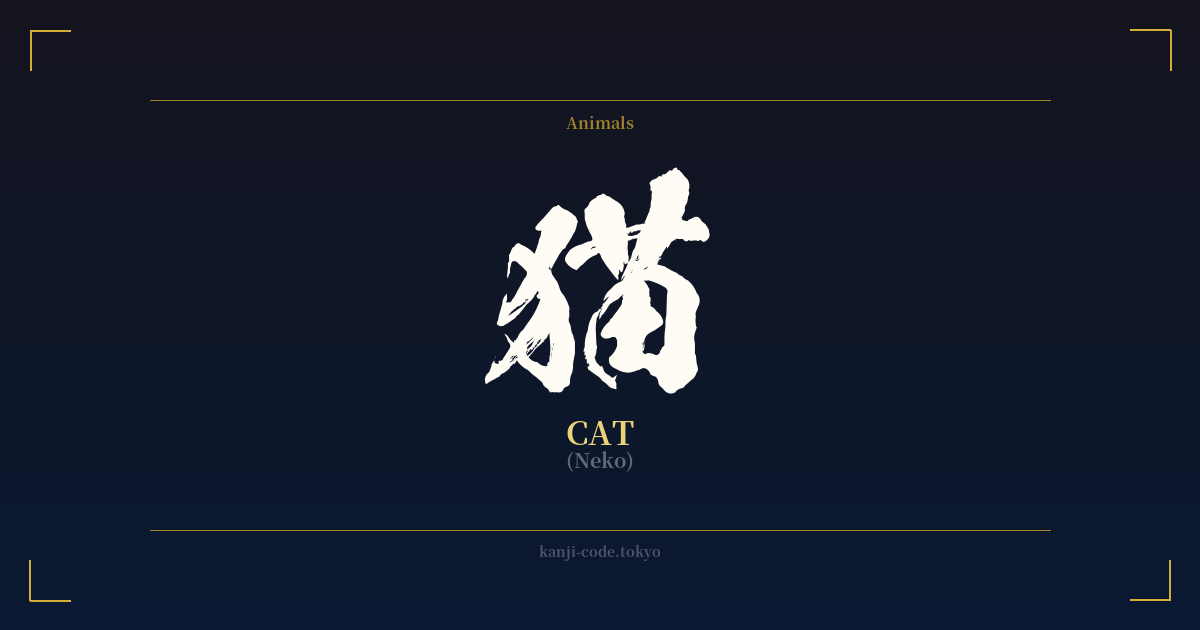
The same kanji can look dramatically different depending on the calligraphy style. Choose a font that matches the mood you want for your tattoo or design.
🎨 Tattoo Suitability
📐 Tattoo Design Guide
The 鳳 kanji is a visually complex and beautiful character, making it an excellent choice for a tattoo that is both meaningful and artistic.
– Placement: Due to its detail, this kanji is best suited for larger areas where the artist can render the strokes clearly. Consider the back, chest, thigh, or forearm. A vertical placement along the spine or arm can be particularly striking.
– Style: A semi-cursive (gyōsho) or cursive (sōsho) calligraphic style can enhance the kanji's inherent elegance and flowing, bird-like quality. For a bolder, more formal statement, a classic block script (kaisho) works well, emphasizing its imperial authority.
– Visual Tips: While 鳳 is powerful on its own, it can be incorporated into a larger design. Pairing it with an artistic depiction of the Hō-ō bird itself creates a cohesive and stunning piece. It can also be paired with the kanji for Dragon (龍) to symbolize balance and a powerful union.
Comments