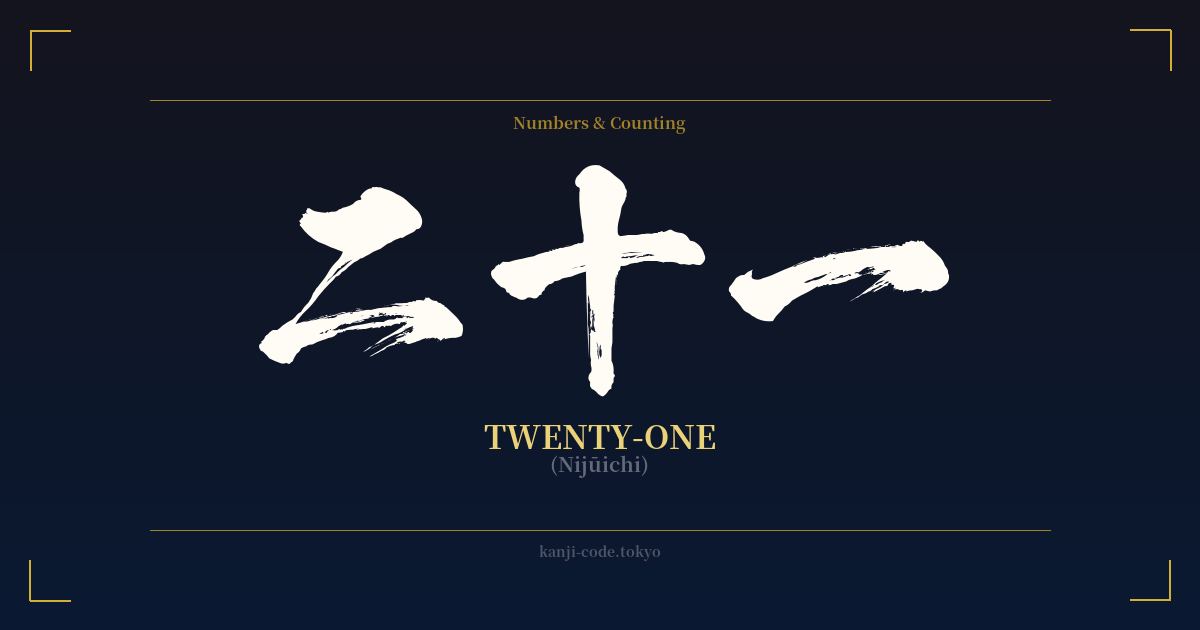
✍️ 二十一 (Nijūichi) — Cultural Context
The Japanese word for 'twenty-one', 二十一 (Nijūichi), is a perfect example of the logical and additive nature of the kanji-based counting system. It is constructed quite literally: 二 (ni) means 'two', 十 (jū) means 'ten', and 一 (ichi) means 'one'. The structure reads as '(two times ten) plus one,' forming the number 21. This straightforward system is consistent across all numbers in Japanese and is a testament to the language's systematic approach.
Unlike the number twenty (二十歳, hatachi), which marks the traditional and highly celebrated 'Coming of Age Day' (成人式, Seijin-shiki), the number twenty-one holds no comparable cultural significance in Japan. While the legal age of adulthood was officially lowered to 18 in 2022, the cultural and ceremonial milestone remains firmly rooted at age 20. Therefore, turning 21 is simply another birthday, without the specific rites of passage or social recognition associated with the previous year.
Because of its literal nature, 二十一 is not a term found in proverbs or philosophical concepts. Its use is purely numerical, seen in dates, quantities, and ages. However, this doesn't render it meaningless. In a personal context, any number can hold immense value. A tattoo of 二十一 could commemorate a 21st birthday, a 21st anniversary, a significant event that occurred on the 21st day of a month, or even a lucky number.
The beauty of these characters lies in their simplicity and historical roots. The kanji for one (一), two (二), and ten (十) are among the most basic and ancient characters, derived from simple pictographs. Their clean, geometric lines offer a minimalist aesthetic that is both modern and timeless. While 二十一 may not tell a grand cultural story, it can effectively and elegantly represent a personal one, written in a script that is both beautiful and functional.
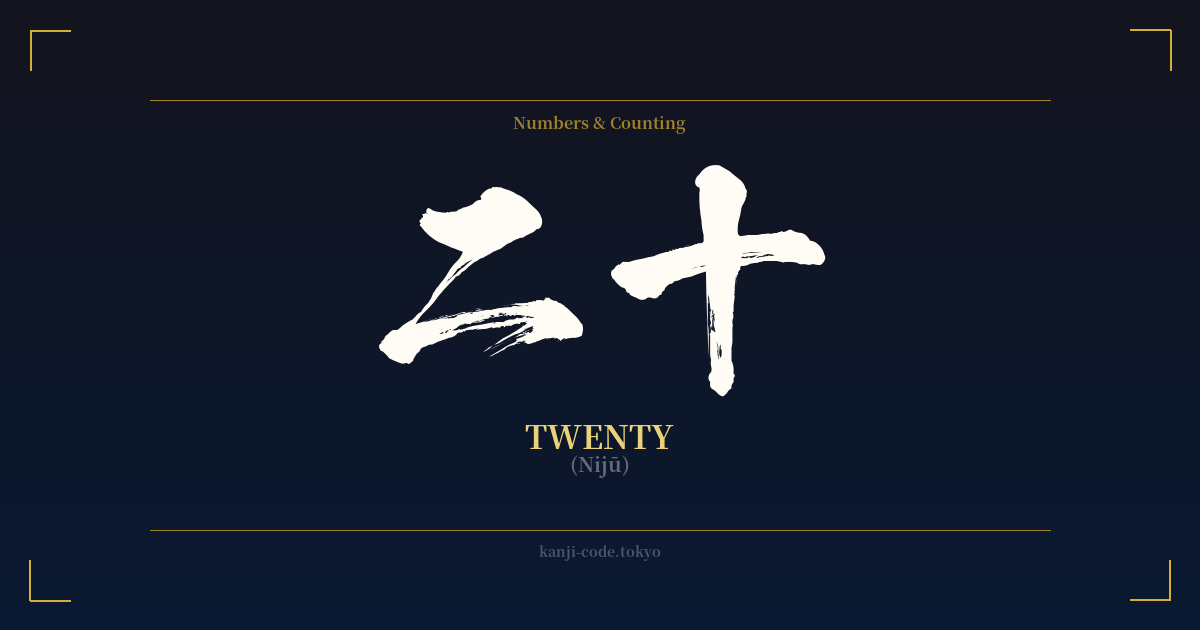
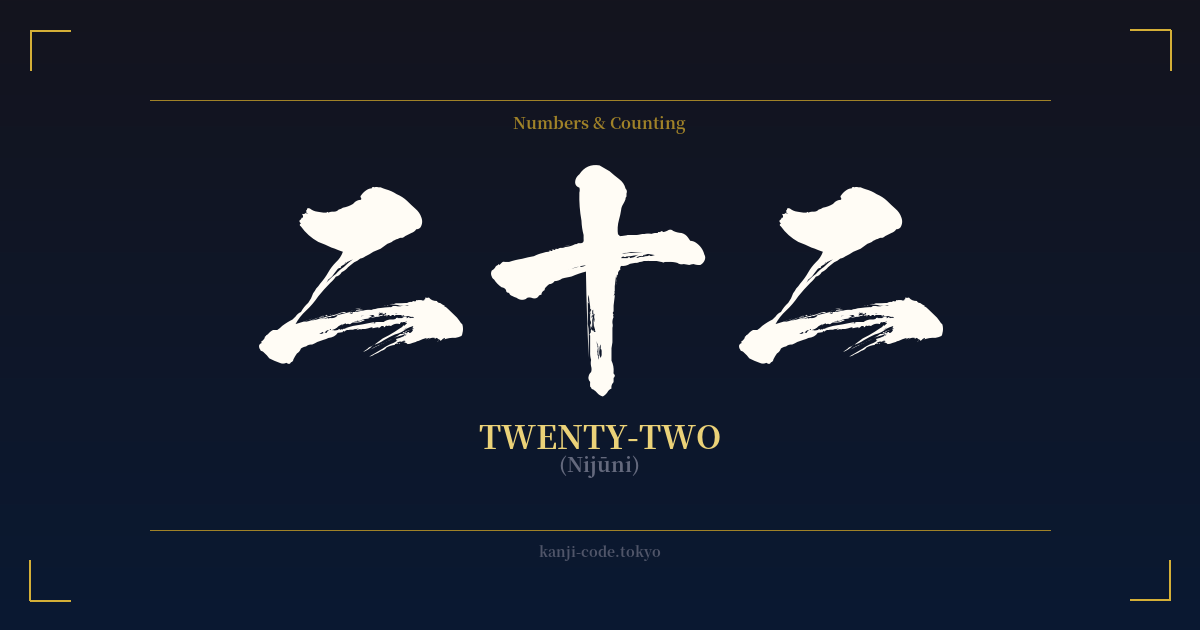
🖌️ Font Styles for 二十一
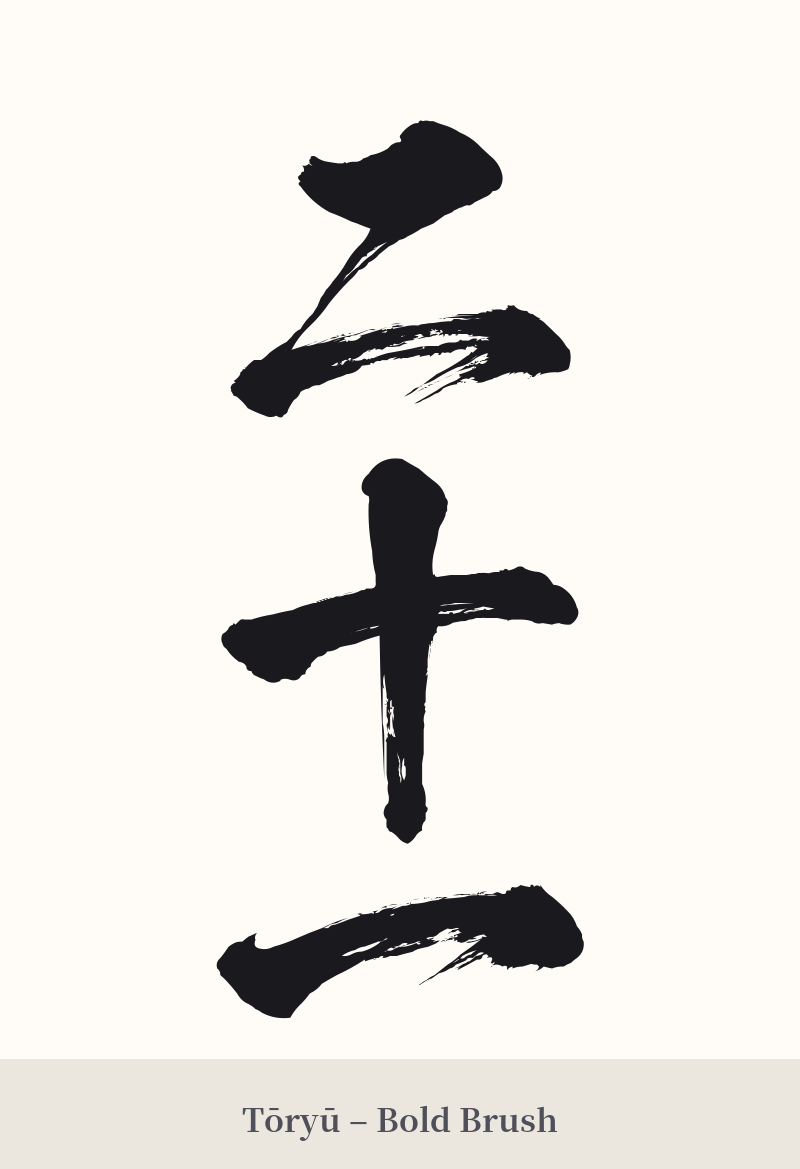
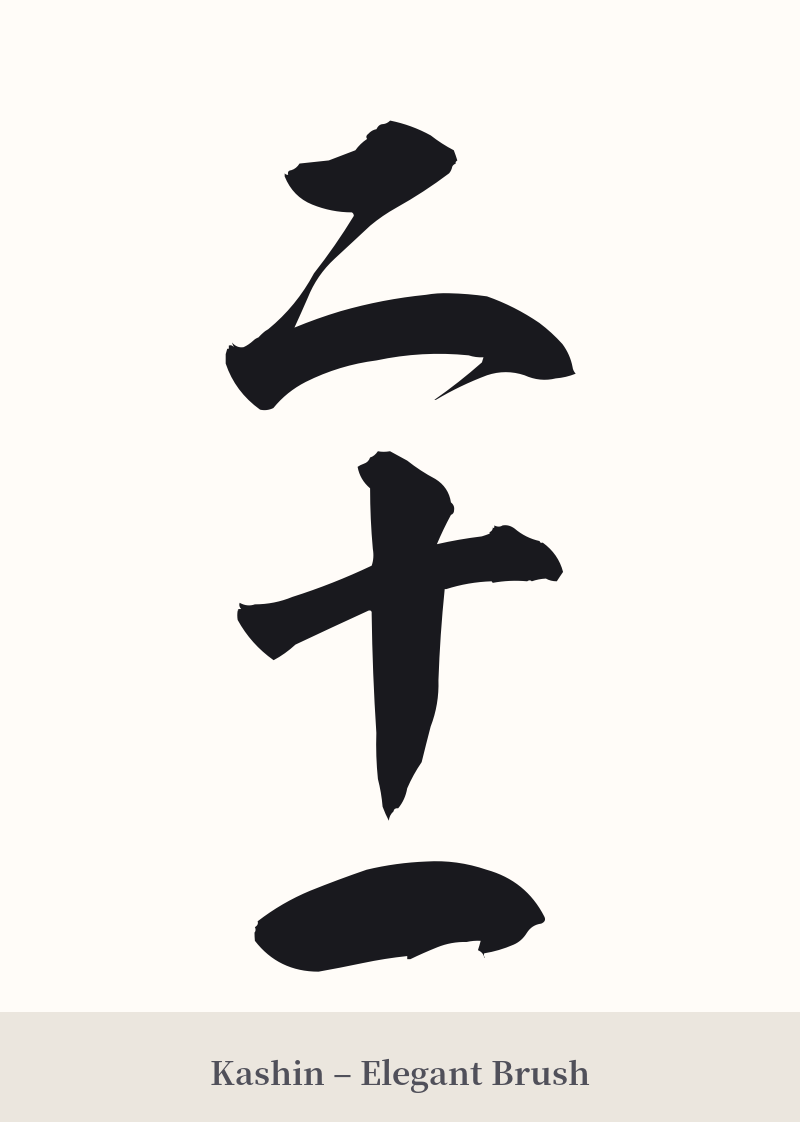
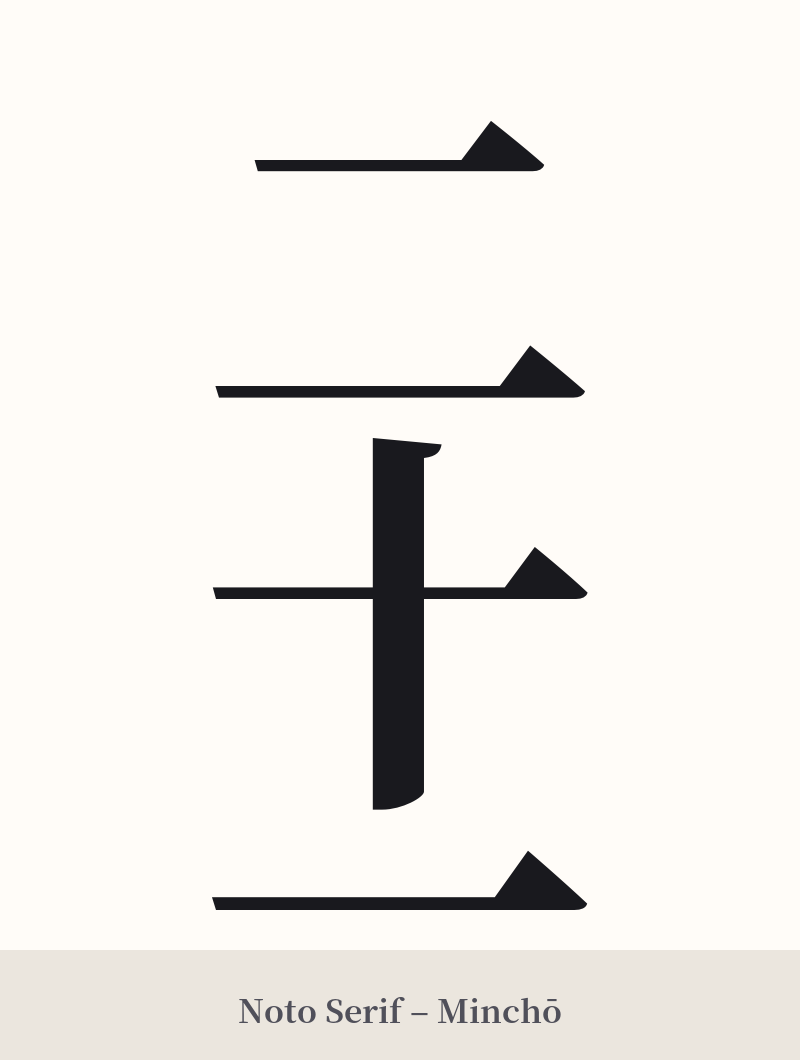
The same kanji can look dramatically different depending on the calligraphy style. Choose a font that matches the mood you want for your tattoo or design.
🎨 Tattoo Suitability
📐 Tattoo Design Guide
The three-character structure of 二十一 lends itself beautifully to vertical arrangements, which is the traditional way of writing in Japanese. This orientation creates an elegant, flowing line that works well on the arm, leg, or down the spine.
– Placement: A vertical column is highly recommended. Consider the inner forearm, along the bicep, down the calf, or centered on the back. A horizontal layout is possible but less common and can feel less balanced for multi-character kanji.
– Font Style: The simplicity of the characters allows for a wide range of artistic expression. A bold, blocky Mincho or Gothic font will emphasize its clean, geometric nature for a modern feel. Conversely, a flowing, semi-cursive (Gyosho) or cursive (Sosho) calligraphy style can add a dynamic, artistic flair, transforming the simple number into a piece of art.
– Visual Tips: To add a personal touch, consider incorporating the number into a larger piece. For instance, the kanji could be written on a scroll element or placed beside a symbol that represents the memory tied to the number. Adding a small red seal or stamp (hanko) at the end of the kanji can also provide a traditional finishing touch and a pop of color.
Comments