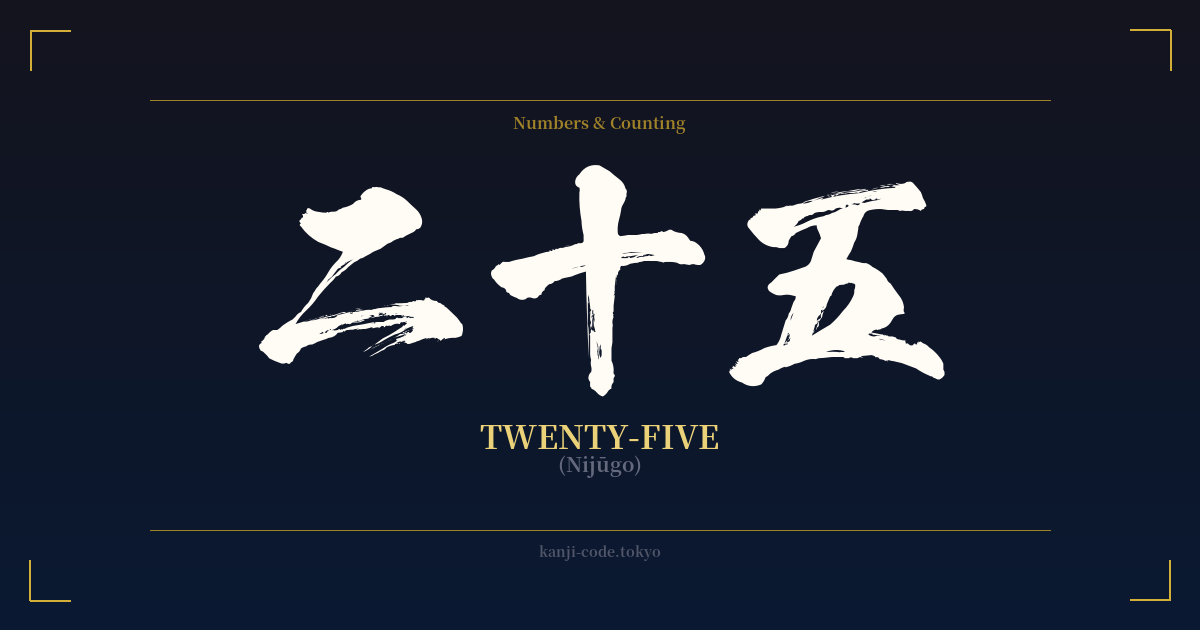
✍️ 二十五 (Nijūgo) — Cultural Context
The Japanese word for twenty-five, 二十五 (Nijūgo), is a perfect example of the logical and systematic nature of kanji-based counting. It is constructed literally as "two-ten-five": 二 (ni, two), 十 (jū, ten), and 五 (go, five). This straightforward, additive and multiplicative system forms the backbone of how numbers are conceptualized and written in Japan, a stark contrast to the more irregular number words found in some Western languages.
While the number twenty-five itself doesn't carry the same heavy symbolism as numbers like seven (七) or eight (八), it holds significant cultural weight in specific contexts. One of the most profound is in Pure Land Buddhism (Jōdo shū and Jōdo Shinshū). The Nijūgo Bosatsu (二十五菩薩), or the Twenty-Five Bodhisattvas, are a key feature of this tradition. Led by Kannon (Avalokiteshvara) and Seishi (Mahasthamaprapta), these divine beings are believed to accompany Amida Buddha (Amitābha) to welcome the souls of the faithful into the Western Paradise, or Pure Land, at the moment of death. This event, known as 'raigō' (来迎), is a popular subject in Japanese religious art, depicting a glorious procession descending from the heavens. The number 25, in this context, symbolizes divine salvation, compassion, and the promise of a peaceful afterlife.
On a more secular level, the age of twenty-five (二十五歳, nijūgo-sai) is a notable milestone. It marks the quarter-century point in a person's life, an age often associated with significant life transitions. In modern Japan, as in many other cultures, it's a time of solidifying one's career path after leaving university, gaining financial independence, and contemplating future personal goals. Historically, it was also considered part of the 'tekireiki' (適齢期), or the socially appropriate age for marriage, particularly for women, although this concept is far more flexible in contemporary society.
In everyday life, you'll see 二十五 used in formal documents, on traditional shop signs, and in vertical writing where kanji numerals are preferred for aesthetic consistency over Arabic numerals (25). This dual system allows for flexibility, with Arabic numerals dominating in modern, horizontal contexts like digital displays and pricing, while kanji numbers maintain a sense of tradition and formality.
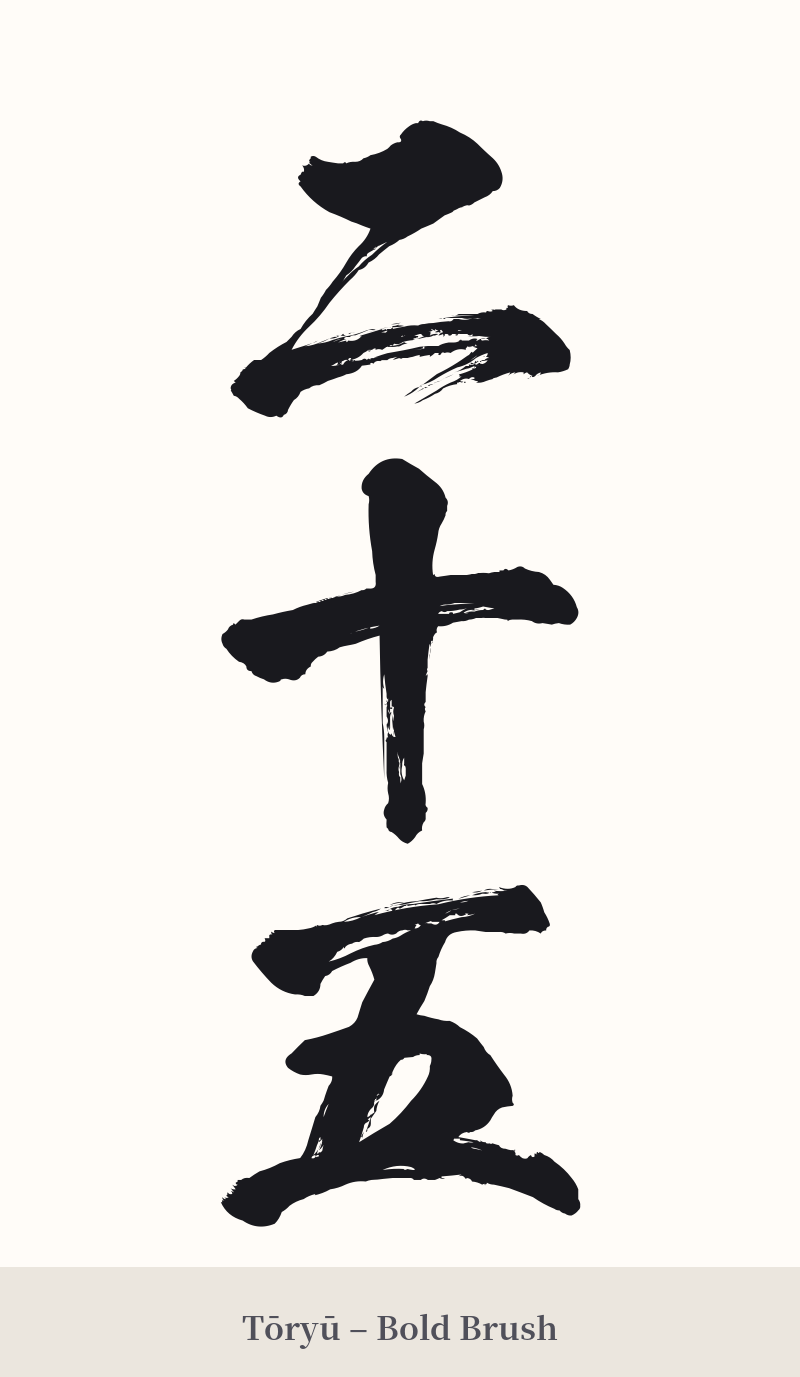
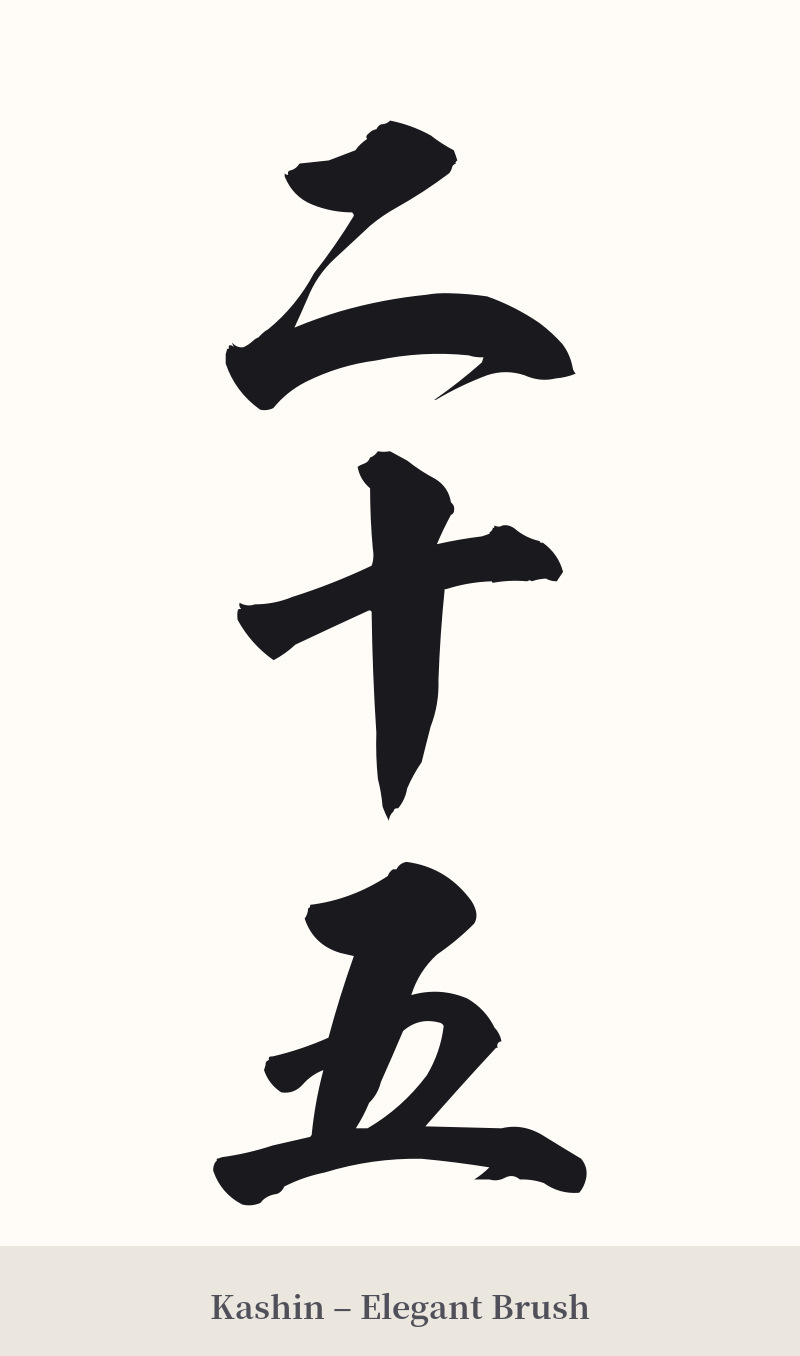
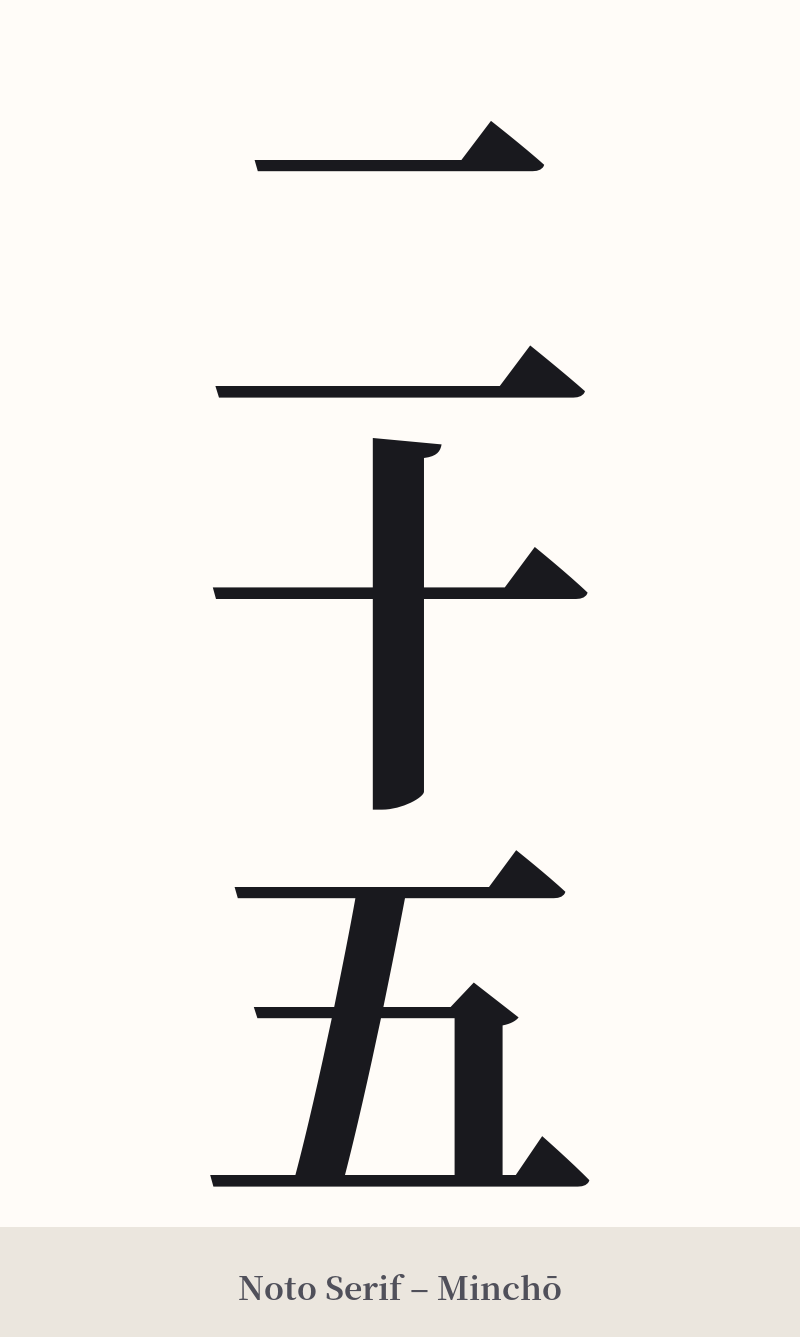
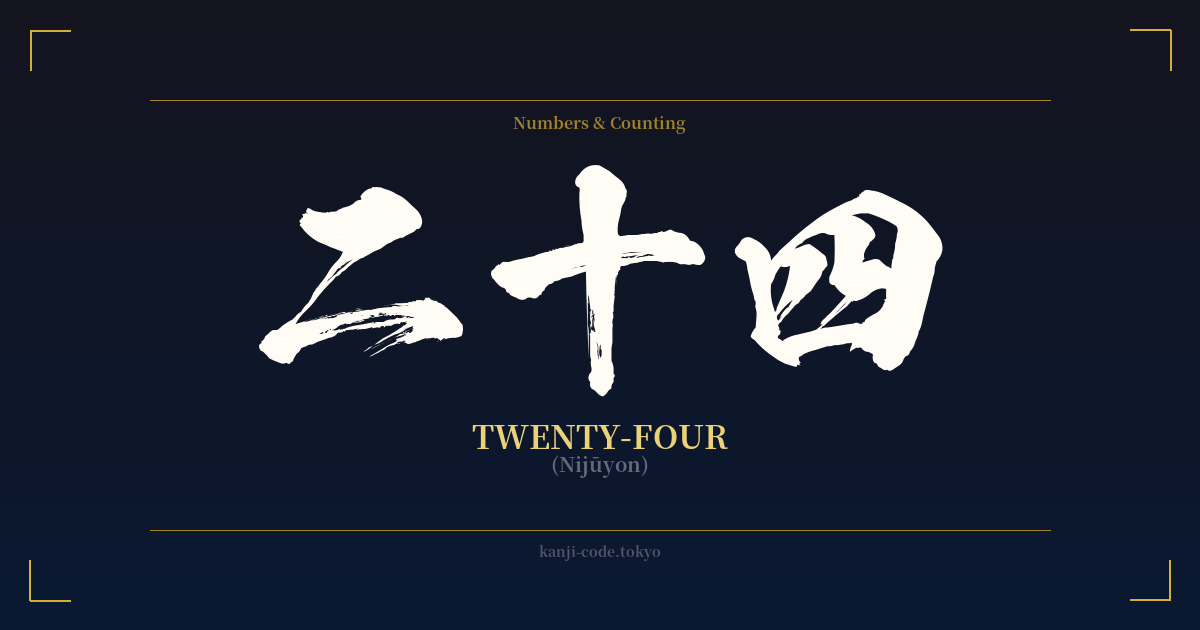
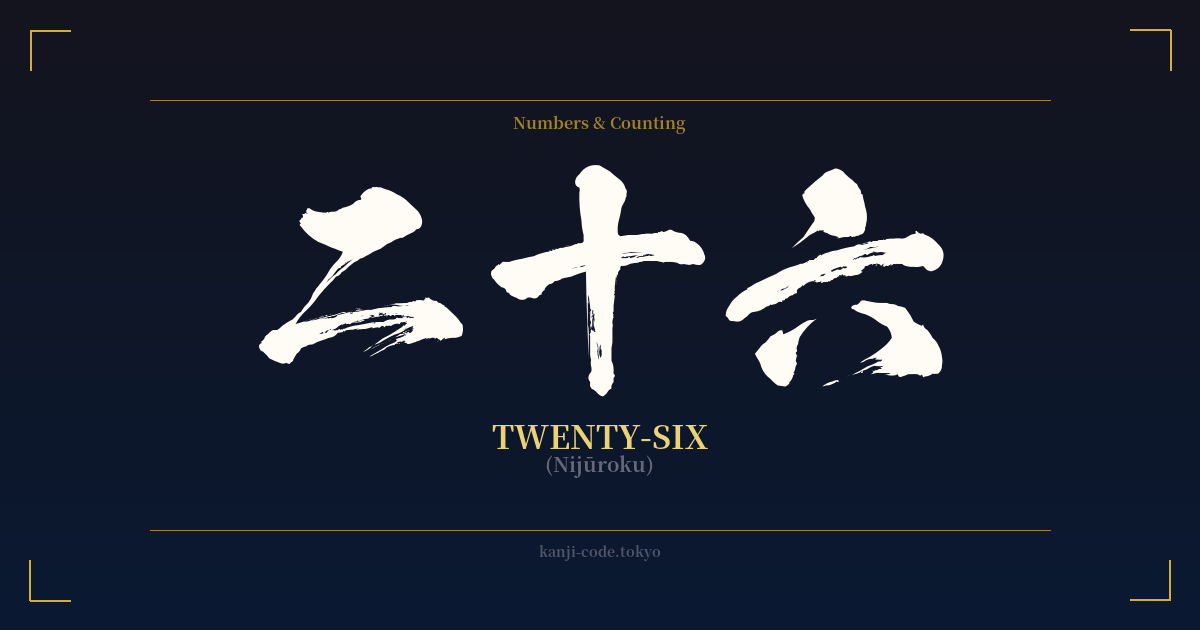
🖌️ Font Styles for 二十五
The same kanji can look dramatically different depending on the calligraphy style. Choose a font that matches the mood you want for your tattoo or design.
🎨 Tattoo Suitability
📐 Tattoo Design Guide
For a tattoo of 二十五, the design choices can help elevate its simple structure.
– Placement: Vertical alignment is the most traditional and aesthetically pleasing for multi-character Japanese words. Consider placing it along the forearm, the spine, or down the side of the calf. A horizontal arrangement can also work across the chest, upper back, or along the collarbone.
– Font Style: Because the characters themselves are low-stroke-count and simple, a bold, clean script like a blocky Kaisho (楷書) or a sharp Mincho (明朝) style can give it a strong, deliberate look. For a more artistic and fluid feel, a Gyōsho (行書) semi-cursive script can connect the characters slightly, adding a sense of movement.
– Visual Accompaniment: To give the number context and visual flair, consider weaving it into a larger design. If '25' represents an anniversary, you could wrap the kanji with a specific flower. If it's a lucky number, you might place it within a larger symbolic image that is meaningful to you. This helps tell the story behind the number.
Comments