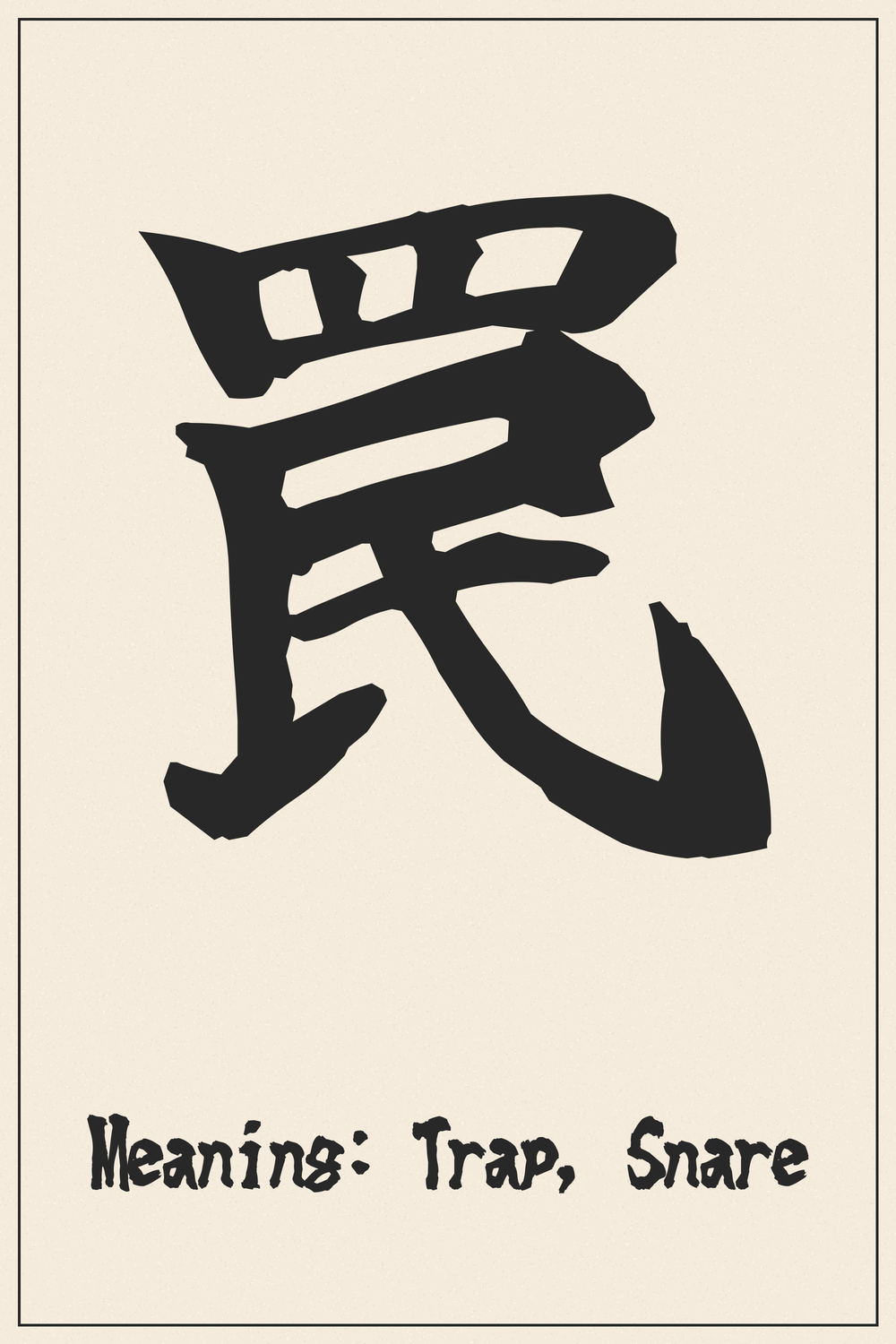
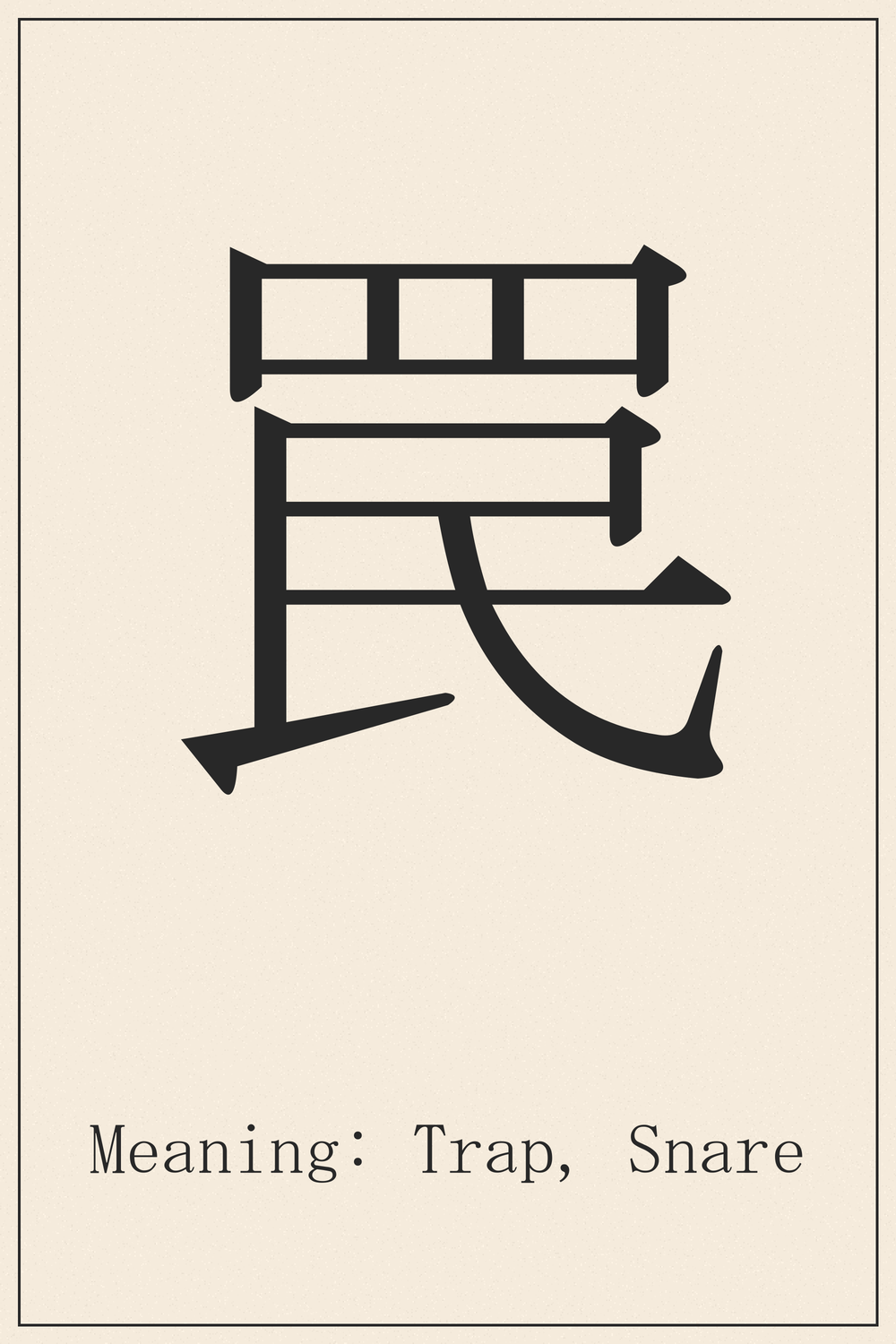
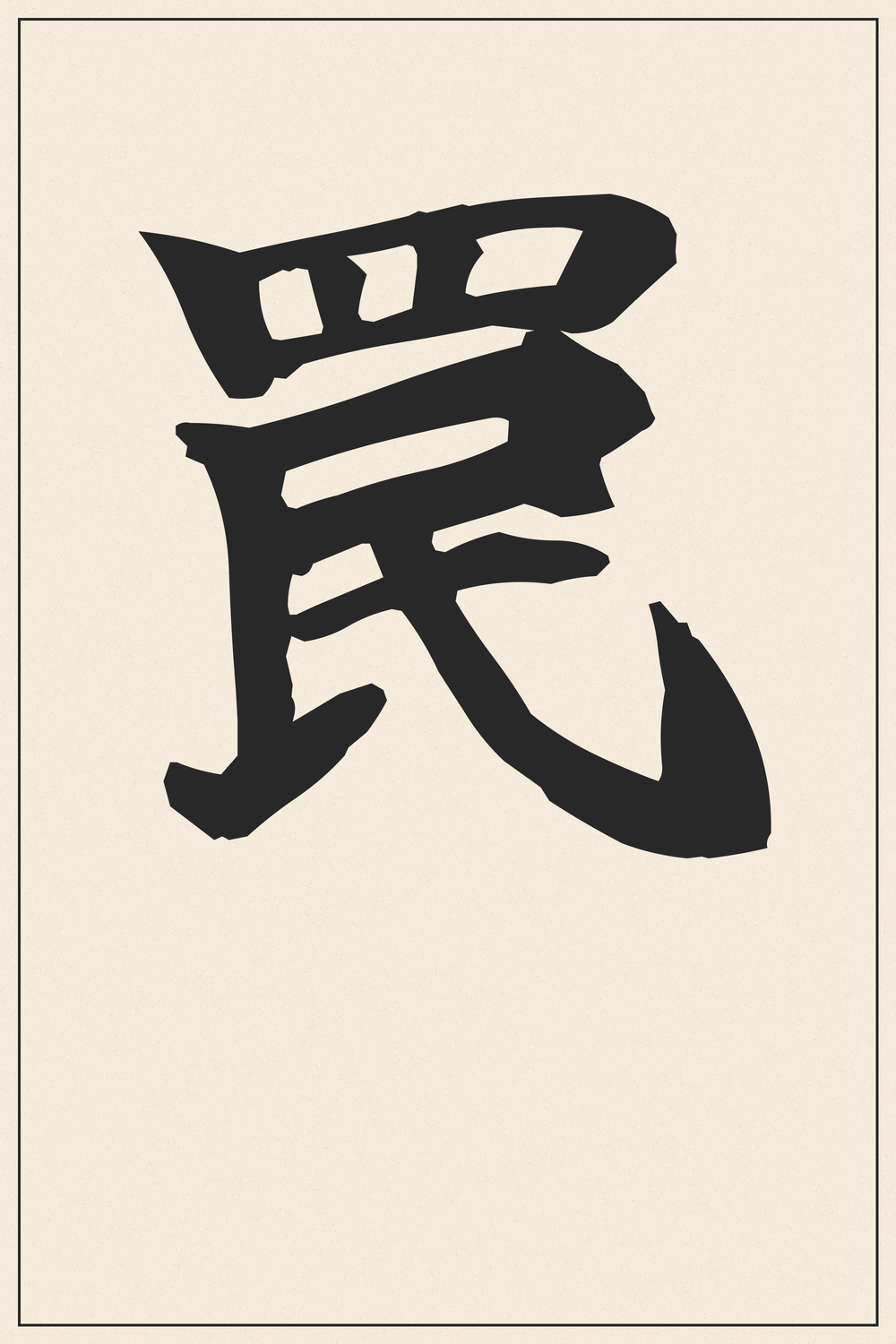
The Kanji 罠 (Wana) embodies the intricate concept of a trap or snare, a device designed to capture or deceive. It represents both physical mechanisms and metaphorical predicaments.
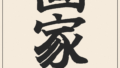
The atmosphere of a Kanji character changes dramatically depending on the font style. A character that looks elegant in a brush style might look bold and modern in a different font.
Recommendation:
Since a tattoo is permanent, we strongly recommend comparing various font styles beyond what is shown here. Use our designs as a trusted reference for the correct structure, but feel free to explore different artistic variations to find the perfect match for your vision.
The Deep Meaning Behind 罠
The Kanji 罠 (Wana) is a unique character in Japanese, classified as a kokuji (国字), meaning it was created in Japan rather than imported from China. It specifically refers to a trap, often for animals, but also extends to strategic or deceptive situations.
In Japanese culture, ‘wana’ can evoke images of cunning and strategy, not just a literal device. It appears in contexts ranging from hunting to warfare tactics and even in personal relationships, signifying a deceptive ploy or an inescapable situation.
Kanji Breakdown
The character 罠 is a fascinating example of a kokuji, combining elements to convey its specific meaning.
Meaning: Net, Mesh. This radical visually represents the woven material used in a trap, clearly indicating the character’s core function of capture.
Meaning: Assigned, Addressed. In 罠, this component serves primarily as a phonetic element, providing the ‘wa’ sound. It also subtly suggests the ‘designation’ or ‘aim’ of a trap towards its target.
Conclusion
The Kanji 罠 offers a direct and clear representation of a trap or snare, embodying both physical capture and strategic deception. Its unique origin as a kokuji adds a layer of Japanese linguistic ingenuity.
For a tattoo, 罠 is a distinctive choice for those who appreciate straightforward symbolism and the concept of strategy or overcoming challenges. While it lacks the profound philosophical depth of some other kanji, its clarity makes it a powerful emblem for vigilance, cunning, or the ability to navigate difficult situations.
Comments