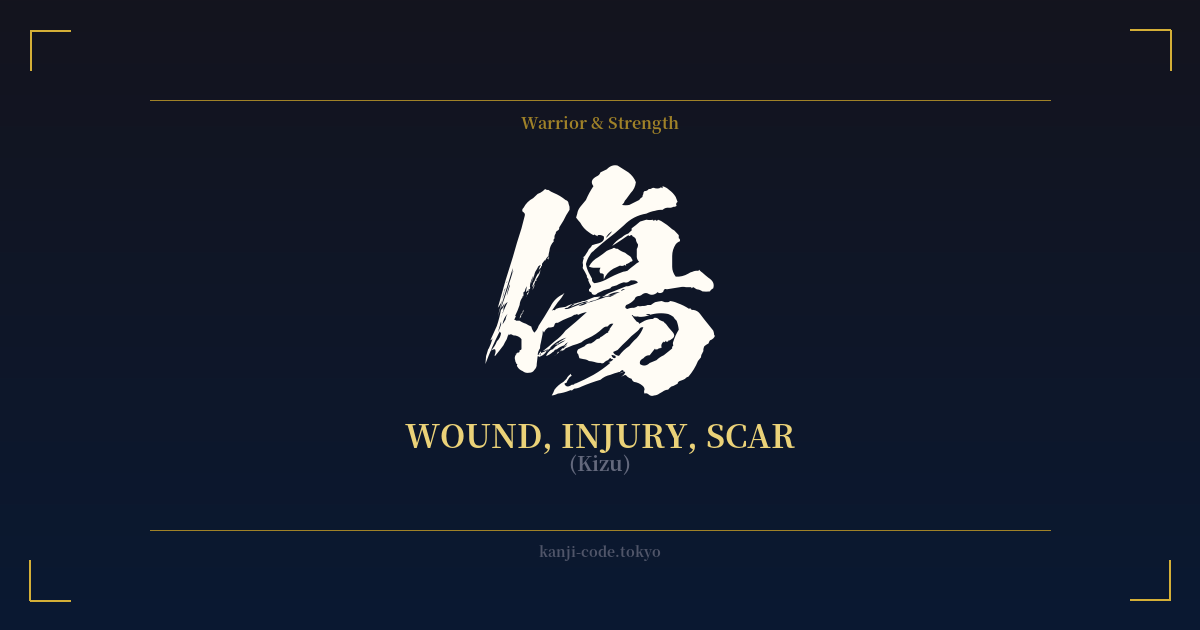
✍️ 傷 (Kizu) — Cultural Context
The kanji 傷 (kizu) is a character steeped in the raw, visceral experience of being human. It represents not just physical wounds but the entire spectrum of damage, from a minor scratch to a deep emotional scar. Its etymology offers a stark image: the character is composed of the radical 亻, meaning 'person,' and a phonetic component suggesting an arrow strike. It is the very picture of a person being wounded.
In Japanese culture, 傷 carries a profound duality. On one hand, it is a straightforward term for injury. A cut is a kizu, a scratch on a car is a kizu, and a flaw in a piece of pottery is a kizu. It speaks to imperfection and damage, things that are generally seen as undesirable. This is the most common, everyday understanding of the word.
However, this simple interpretation belies a much deeper cultural resonance, particularly within the context of warriors and aesthetics. For the samurai, scars (kizuato) were not just marks of damage but proof of battle and survival. They were a testament to one's experience and fortitude, a story written on the body. A warrior without scars might be seen as one who has never truly been tested.
This idea of finding value in imperfection is a cornerstone of Japanese aesthetics, most famously expressed in the art of Kintsugi (金継ぎ). When a cherished ceramic bowl breaks, it is not discarded. Instead, the broken pieces are meticulously reassembled, and the cracks are filled with lacquer mixed with powdered gold. The kizu are not hidden; they are illuminated, becoming the most celebrated part of the object. The repaired bowl is considered more beautiful and valuable for its history of being broken and healed. This philosophy provides a powerful metaphor for the human experience of trauma and recovery, where emotional wounds, or 'kokoro no kizu' (心の傷), can become sources of strength and beauty.
Therefore, 傷 is more than just a word for injury. It is a concept that acknowledges pain while simultaneously holding space for the resilience that follows. It represents the understanding that life is imperfect, that survival leaves its mark, and that there is a unique, profound beauty to be found in the scars we carry.
🖌️ Font Styles for 傷
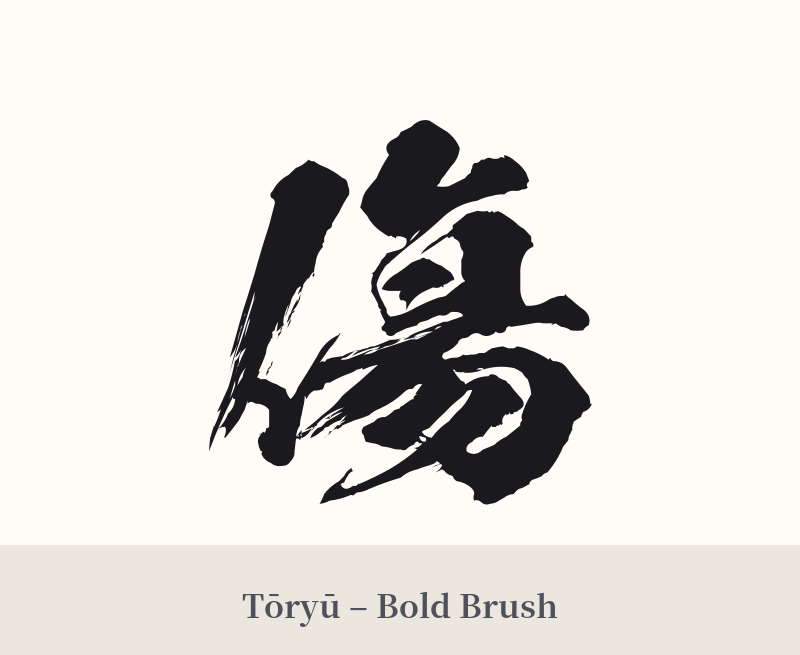
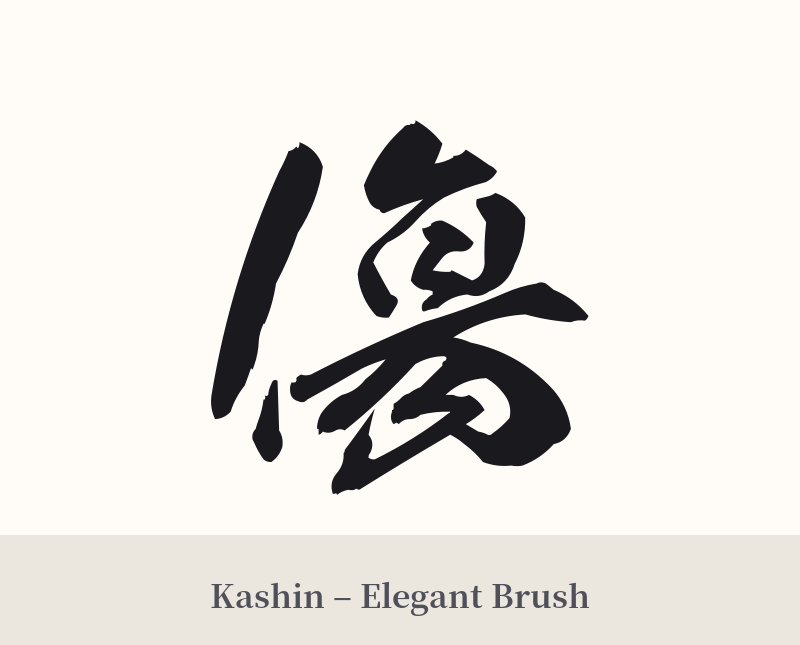
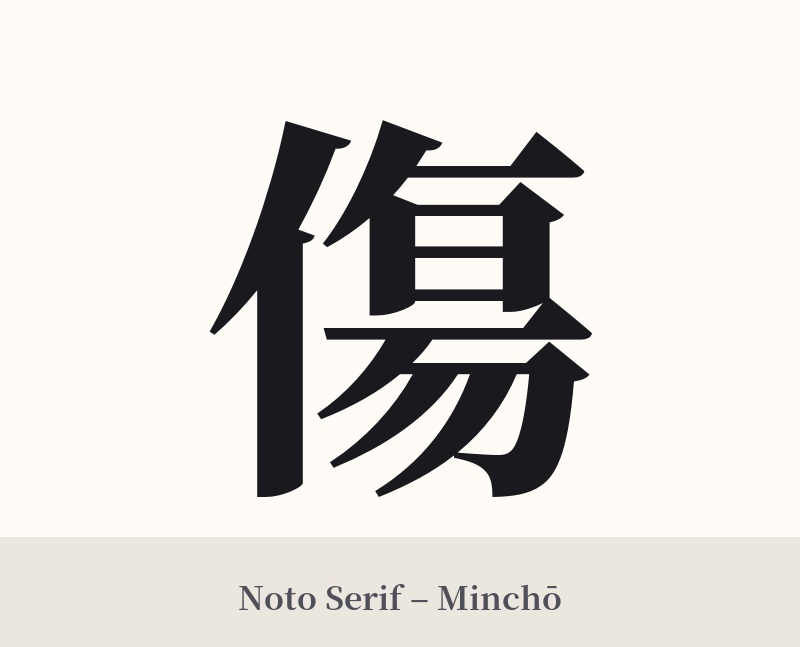
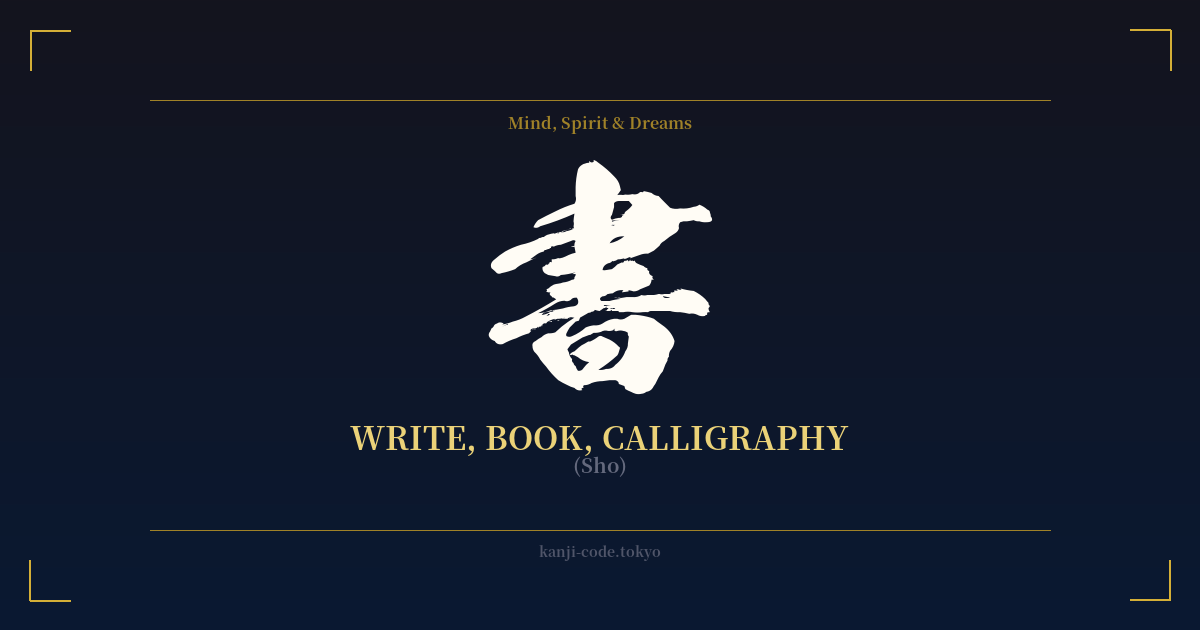
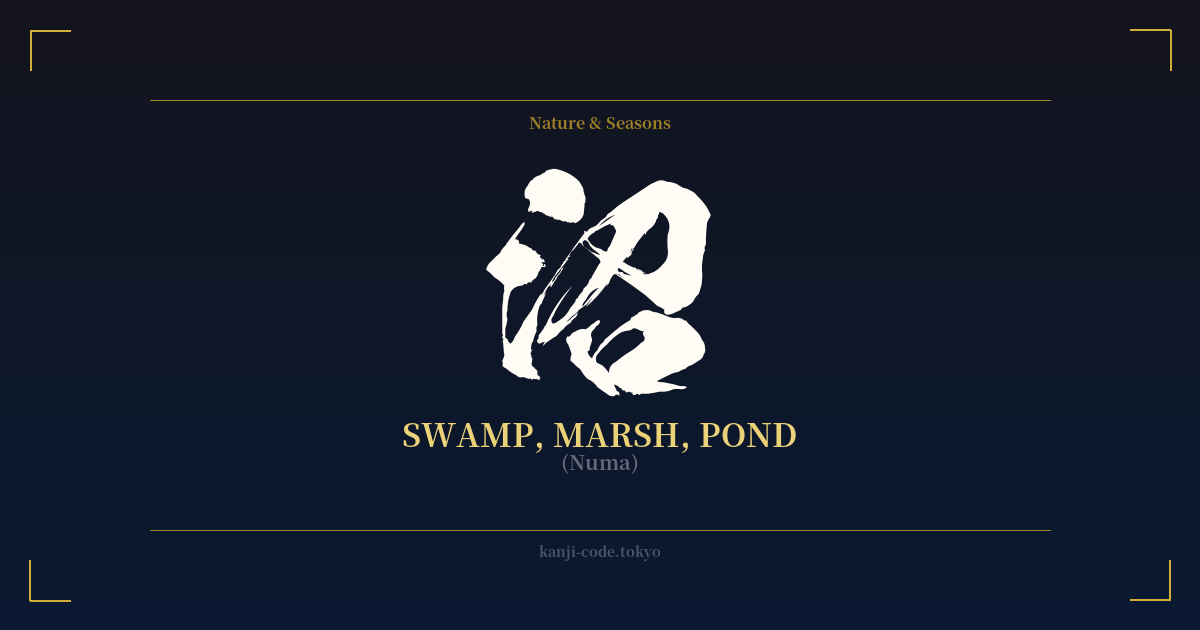
The same kanji can look dramatically different depending on the calligraphy style. Choose a font that matches the mood you want for your tattoo or design.
🎨 Tattoo Suitability
📐 Tattoo Design Guide
A tattoo of 傷 (kizu) is a deeply personal statement, and its design should reflect the wearer's story. It's about acknowledging a wound, whether physical or emotional, and a design can emphasize either the pain or the healing.
– Placement: Consider places that mirror the personal nature of a scar. The forearm, ribs, or back of the neck are common choices. Placing it near or over an actual scar can be a powerful act of reclamation, giving the old mark a new layer of meaning.
– Font Style: The choice of font dramatically alters the message. A rough, aggressive calligraphy style (shodō) can capture the raw energy and pain of the initial wound. Conversely, a clean, sharp Mincho or Gothic font can represent the healed scar—a clear, accepted part of one's history.
– Visual Embellishments: Integrating kizu with other elements can deepen its narrative. A Kintsugi-style golden crack running through or from the kanji beautifully visualizes the concept of healing with value. Pairing it with cherry blossoms (sakura) can symbolize the transient, beautiful nature of life that continues after hardship.
Comments