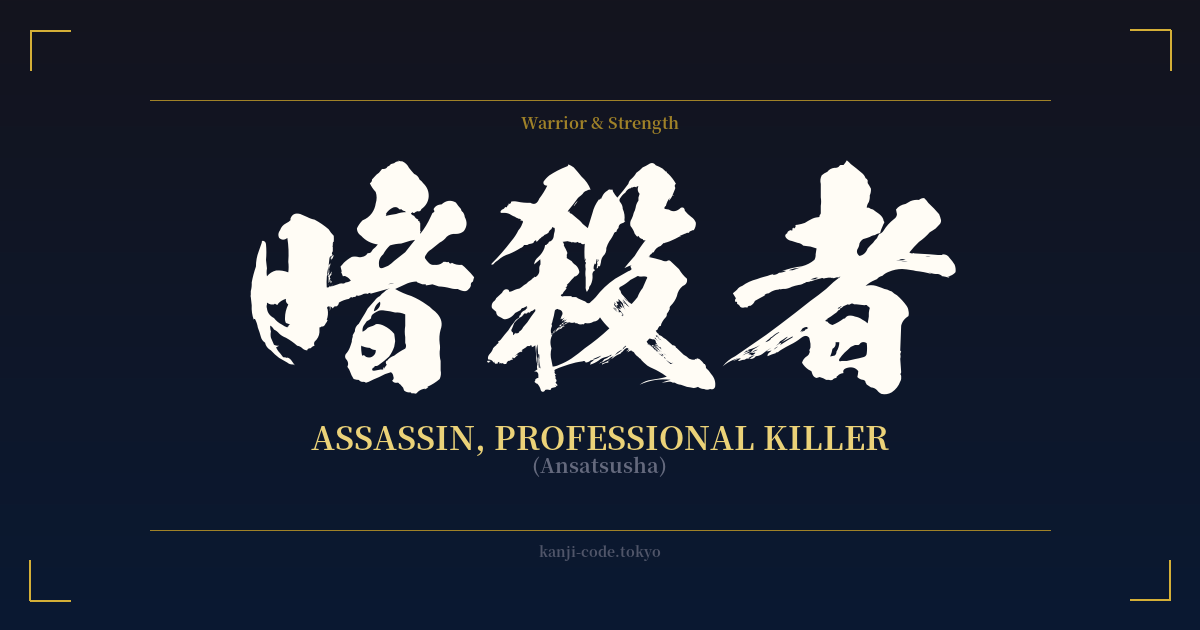
✍️ 暗殺者 (Ansatsusha) — Cultural Context
暗殺者 (Ansatsusha) is the Japanese word for 'assassin' or 'professional killer.' The term is a direct and chilling combination of its constituent kanji: a 'person' (者) who 'kills' (殺) in 'darkness' or 'secret' (暗). This isn't just any warrior; it’s a specialist whose work is defined by stealth, conspiracy, and the clandestine removal of a target.
Historically, while Japan has a rich history of espionage and covert operations, the term 'ansatsusha' as a clear professional designation is more of a modern construct, heavily influenced by its use in literature and media. The figure most associated with this role is the Ninja (or Shinobi). These feudal-era agents were masters of espionage, sabotage, and infiltration. Assassination was certainly part of their skillset, but their primary function was intelligence gathering. An 'ansatsusha' is a specialist in killing; a ninja was a specialist in information, for whom killing was just one tool of many.
In the context of the samurai, assassination was viewed with deep dishonor. The samurai code, Bushido, prized open combat, honor, and a 'clean' death on the battlefield. Killing from the shadows was considered cowardly and beneath a true warrior. However, this ideal was not always reality. Feudal Japanese history is filled with political intrigue and assassinations carried out for strategic advantage, often disavowed publicly to maintain a facade of honor. The famous tale of the 47 Ronin, for example, culminates in an act of vengeance that could be framed as a targeted killing, though it was driven by loyalty and honor.
Today, the image of the 'ansatsusha' is overwhelmingly shaped by popular culture. In countless anime, manga, and video games—from 'Naruto' and 'Assassination Classroom' to the 'Tenchu' and 'Sekiro' game series—the assassin is a popular archetype. They are often portrayed as anti-heroes or complex protagonists with tragic backstories, possessing superhuman skills and a cool, detached demeanor. This fictional portrayal has made 暗殺者 a popular and aesthetically 'cool' term among international fans of Japanese culture.
However, it's crucial to separate this romanticized image from the word's literal meaning in modern Japanese. In a contemporary news report, an 'ansatsusha' would be a hitman, a political assassin, or a terrorist. The word carries no inherent honor or mystique; it is a stark, functional term for a person who murders for a purpose. This disconnect between its fictional coolness and its real-world gravity is essential to understand when considering it for a design.
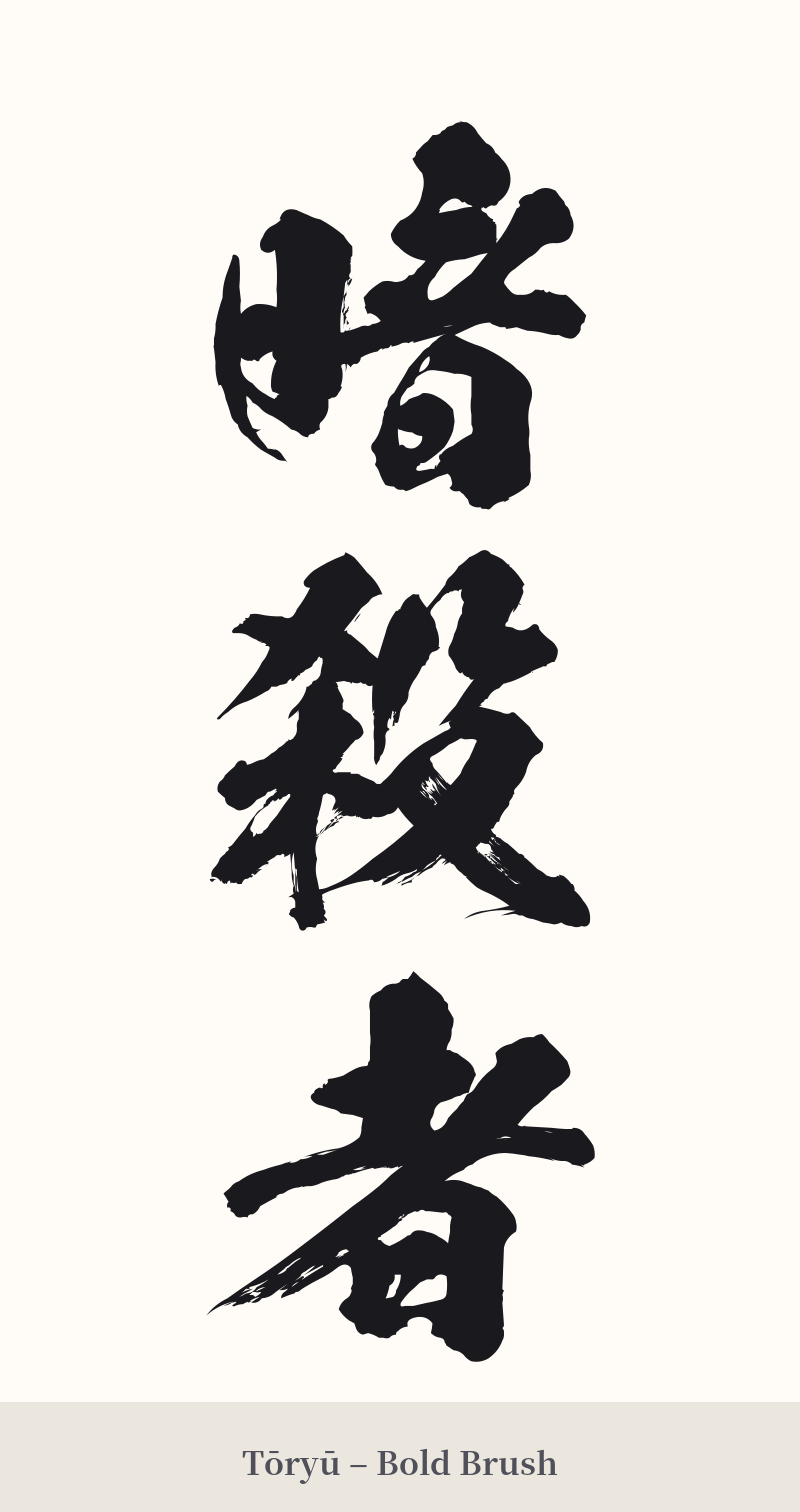
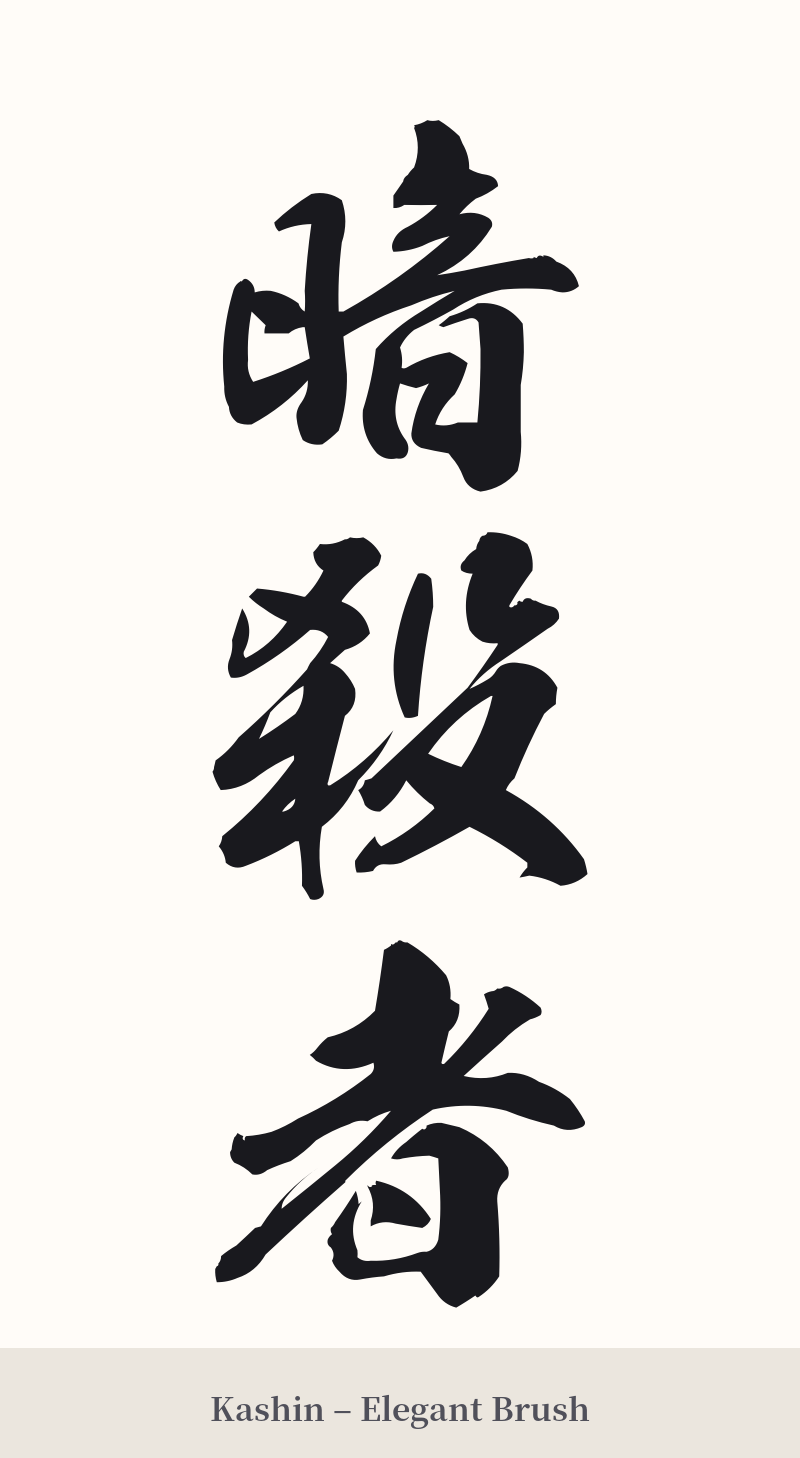
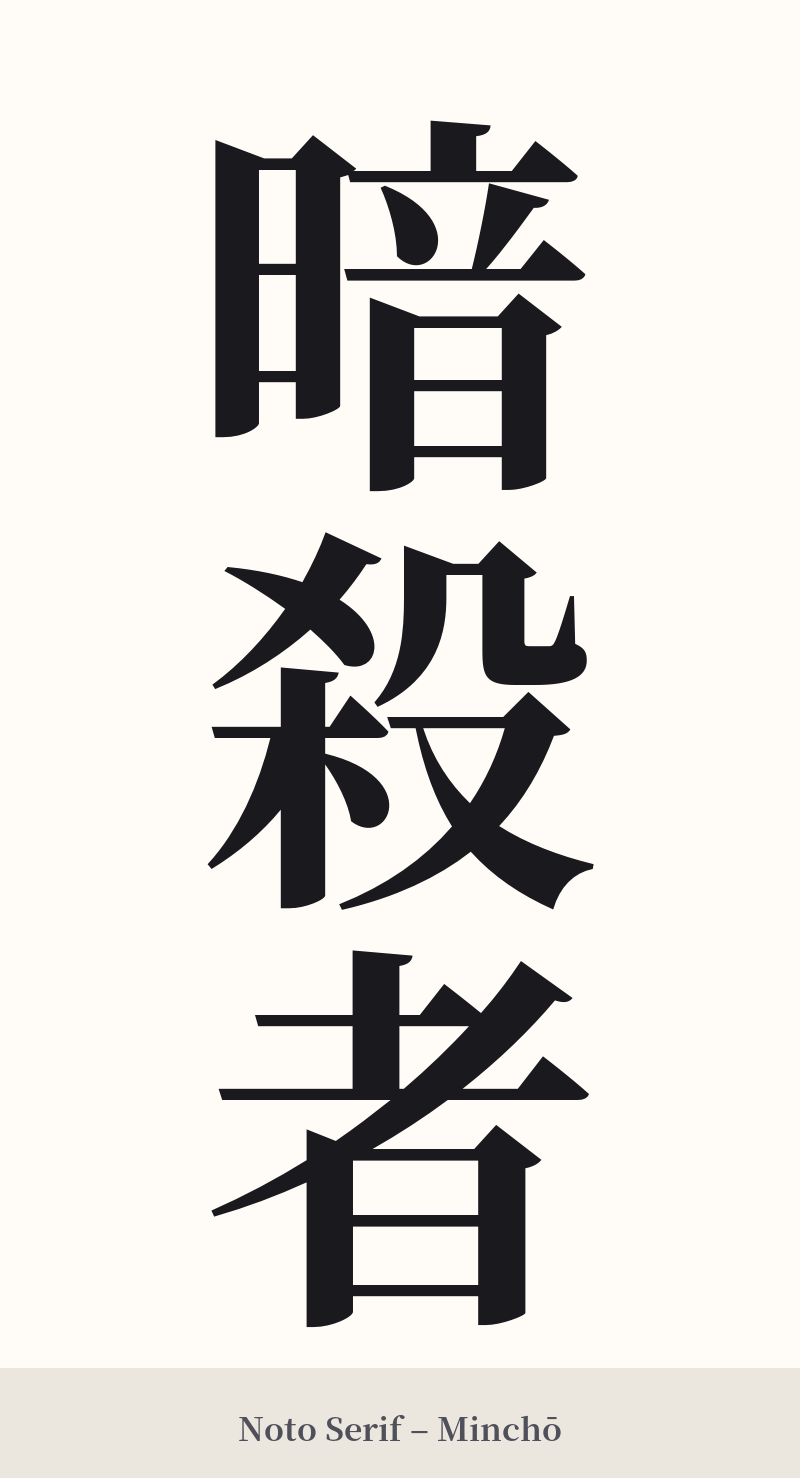
🖌️ Font Styles for 暗殺者
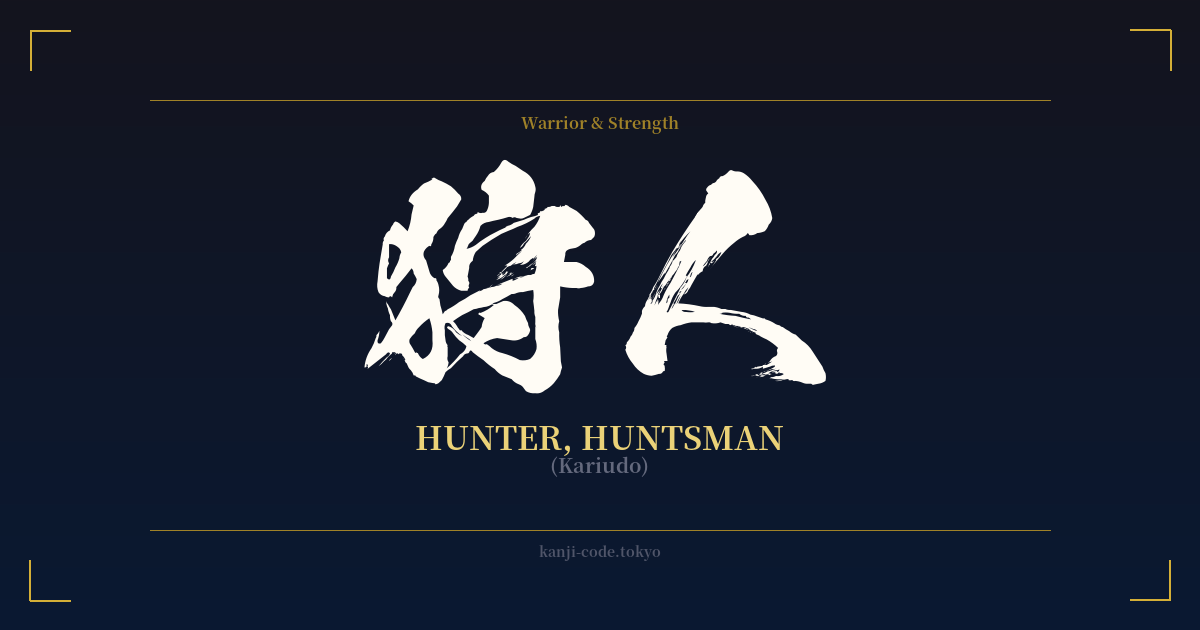
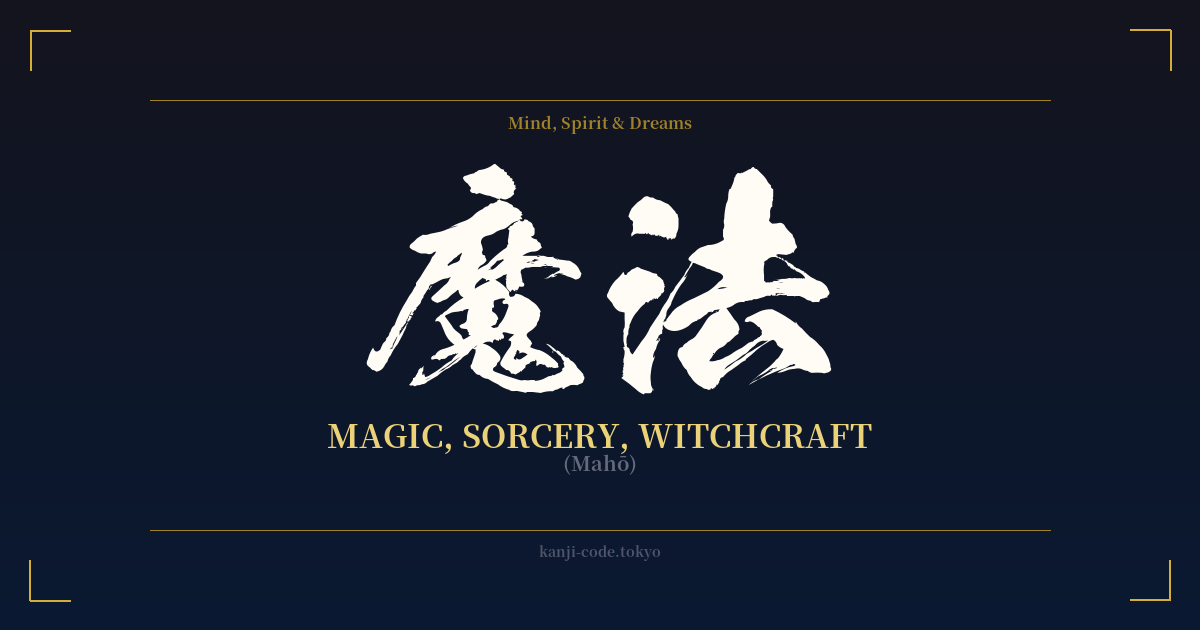
The same kanji can look dramatically different depending on the calligraphy style. Choose a font that matches the mood you want for your tattoo or design.
🎨 Tattoo Suitability
📐 Tattoo Design Guide
The word 暗殺者 (Ansatsusha) offers a potent visual for a tattoo, best served by a design that enhances its dark and precise nature.
– Placement: A vertical orientation is highly recommended, as it aligns with traditional Japanese script. Ideal placements include the spine, the length of the forearm, or down the calf and shin. This draws the eye along the characters and emphasizes their collective meaning.
– Font Style: The choice of font can dramatically alter the feel. A chaotic, semi-cursive or brushstroke style (gyōsho or sōsho) can evoke the swift, deadly motion of an assassin. Conversely, a sharp, angular, block-style font (kaisho) can convey the cold, professional precision of a modern hitman.
– Visual Tips: Consider integrating subtle imagery. A deep red ink splash, resembling blood, near the character 殺 (kill) can add dramatic flair. Alternatively, having the characters fade into a shadow or a wisp of smoke at the bottom can play on the 'secret' aspect of the word. Keep additions minimal; the kanji itself carries immense weight and should remain the focal point.
Comments