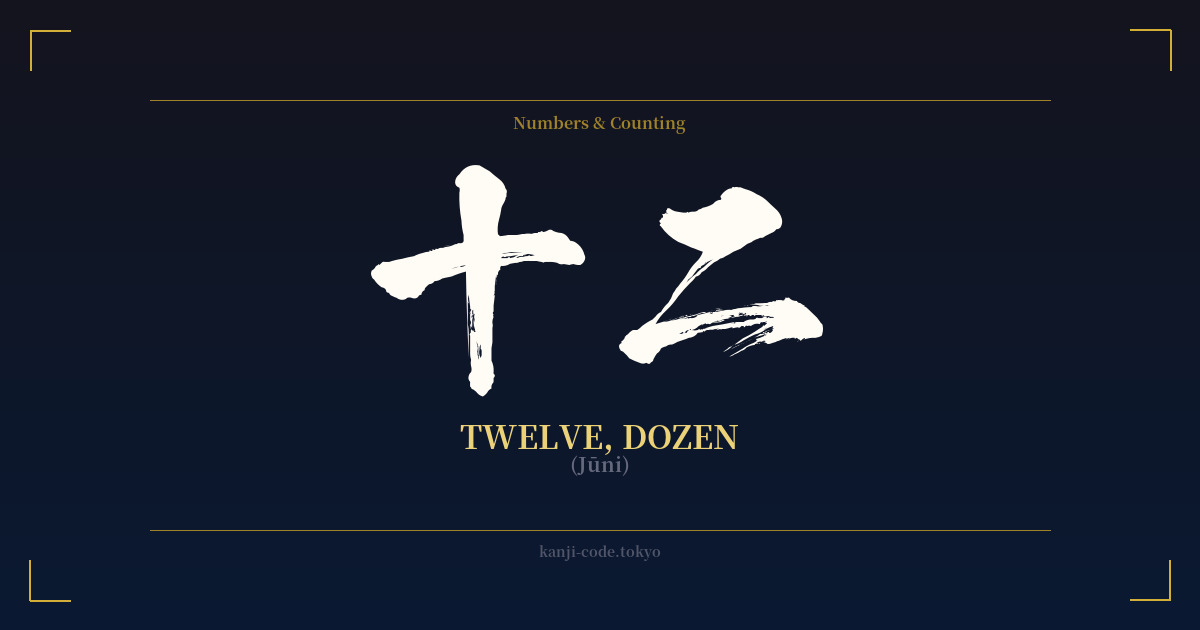
✍️ 十二 (Jūni) — Cultural Context
The Japanese word 十二 (Jūni) literally translates to 'twelve,' but its cultural weight extends far beyond a simple number. It is a cornerstone of East Asian cosmology, representing completeness, order, and the cyclical nature of time itself. Its significance is most famously embodied in the Jūnishi (十二支), the twelve Earthly Branches, more commonly known in the West as the Chinese Zodiac.
This zodiac system, adopted into Japanese culture centuries ago, assigns an animal to each year in a twelve-year cycle: Rat, Ox, Tiger, Rabbit, Dragon, Snake, Horse, Goat, Monkey, Rooster, Dog, and Boar. This cycle governs not just years but also influences personality traits, compatibility, and fortune. Being born in a particular animal's year connects an individual to a larger cosmic rhythm, a concept deeply ingrained in Japanese society.
The influence of twelve doesn't stop with the years. In the traditional Japanese timekeeping system (不定時法, futeijihō), the day was divided into twelve dual-hour units, each named after a zodiac animal. This further wove the number twelve into the fabric of daily life, linking the passage of time directly to the celestial cycle.
Furthermore, the number twelve structures the calendar with its twelve months, marking the passage of seasons and the rhythm of agriculture and festivals. This reinforces its role as a symbol of a full, complete period. In Buddhism, the number also holds importance, notably with the Jūni Shinshō (十二神将), the twelve divine generals who act as guardians of the Medicine Buddha (Yakushi Nyorai). Each general commands a legion of 7,000 soldiers and protects the faithful, adding a layer of martial and spiritual protection to the number's meaning.
Therefore, 十二 is not merely a quantity. It is a symbol of a comprehensive system, a harmonious whole, and the unending cycle of time and life. It speaks to a worldview where everything is interconnected within a grand, ordered pattern, from the hours in a day to the years of a lifetime.
🖌️ Font Styles for 十二
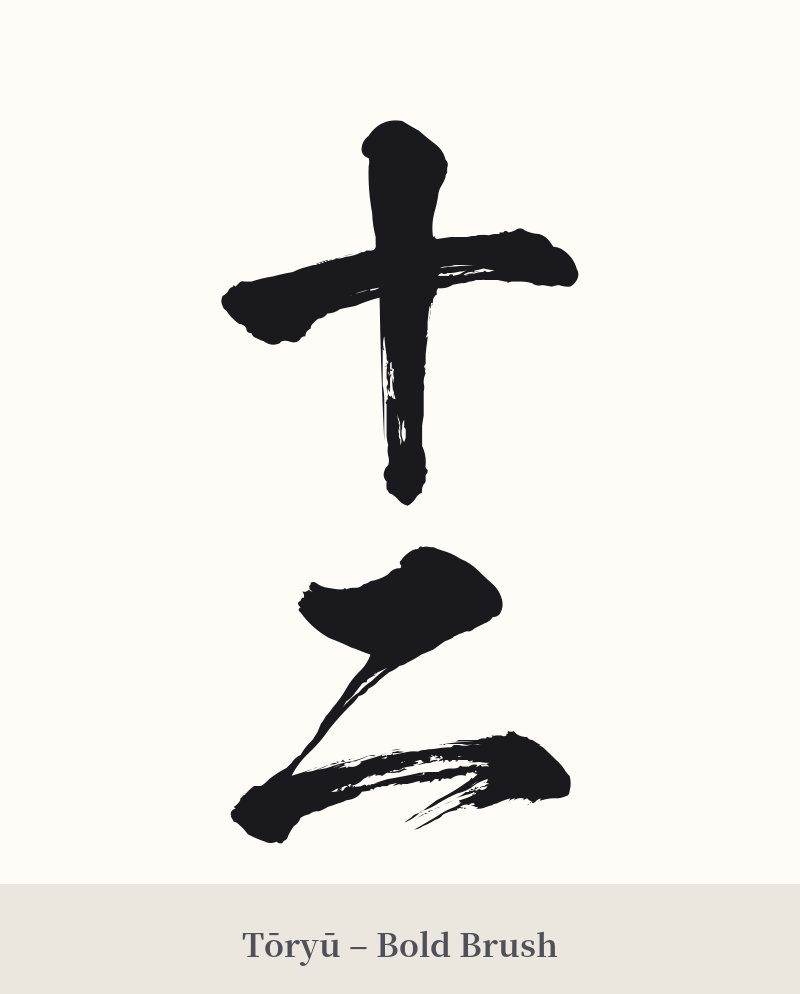
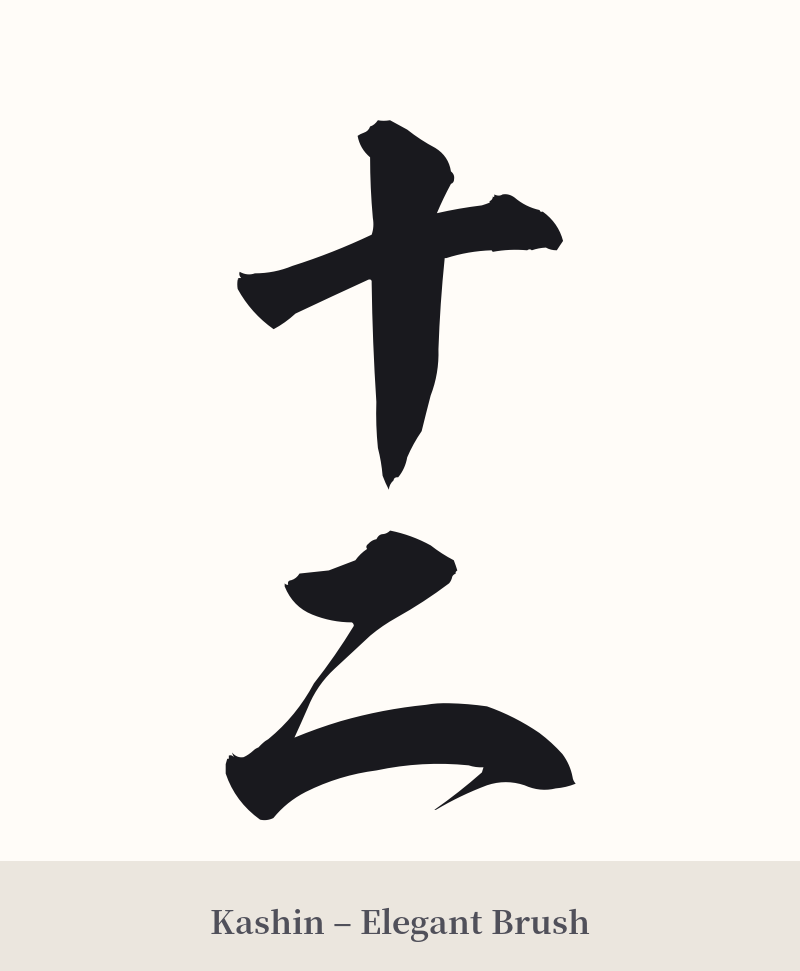
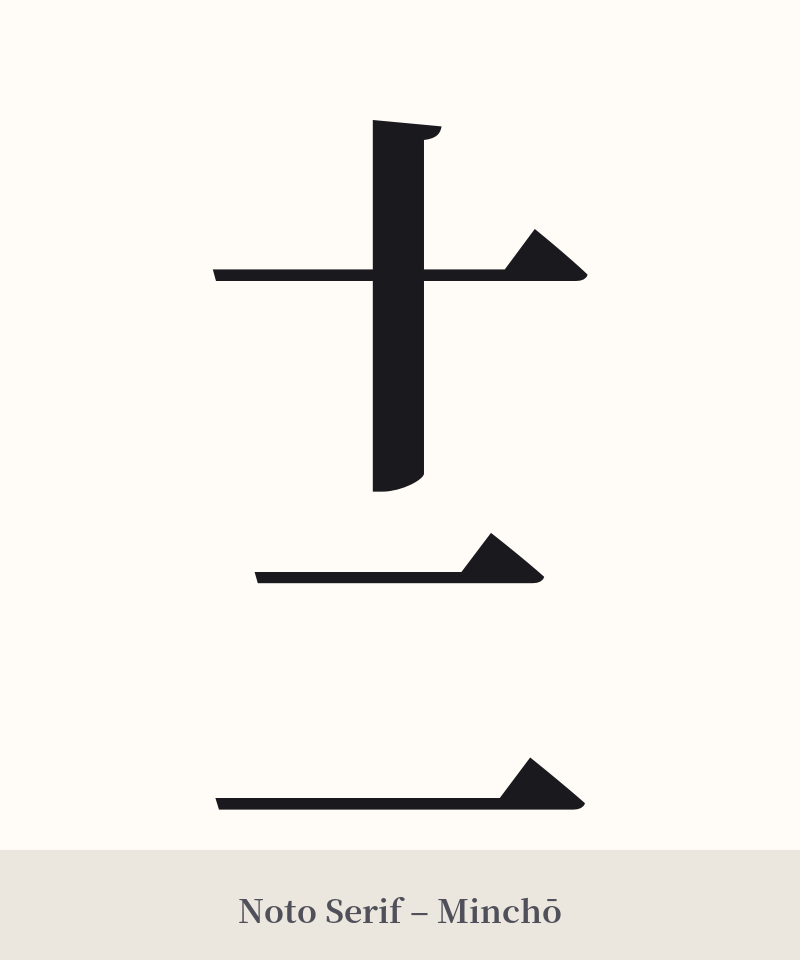
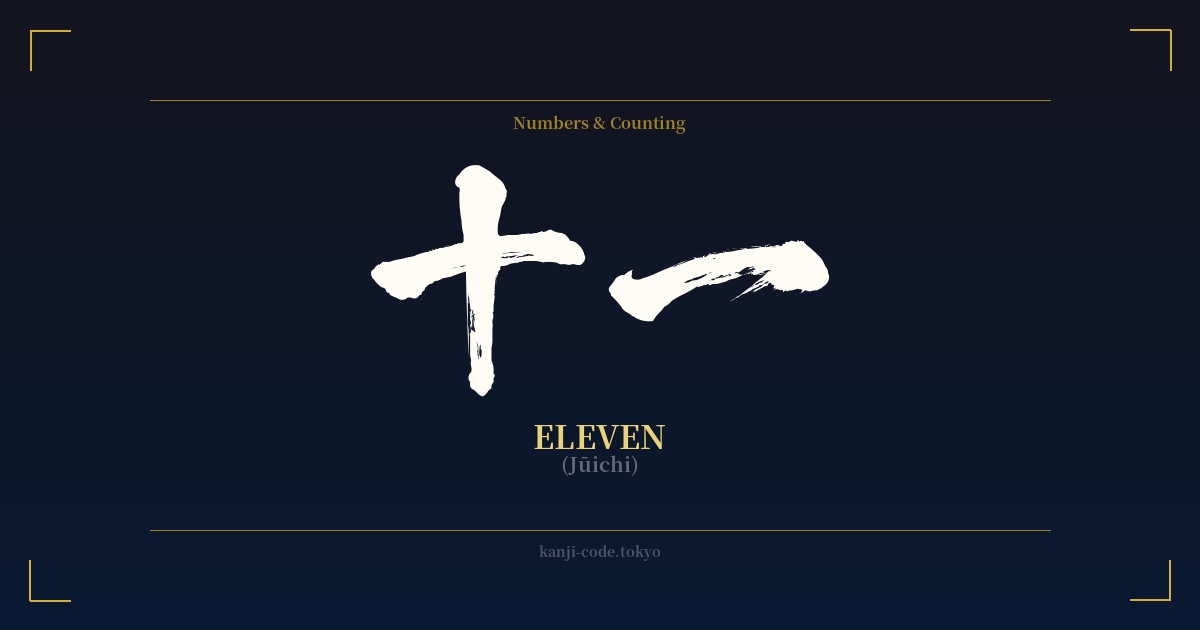
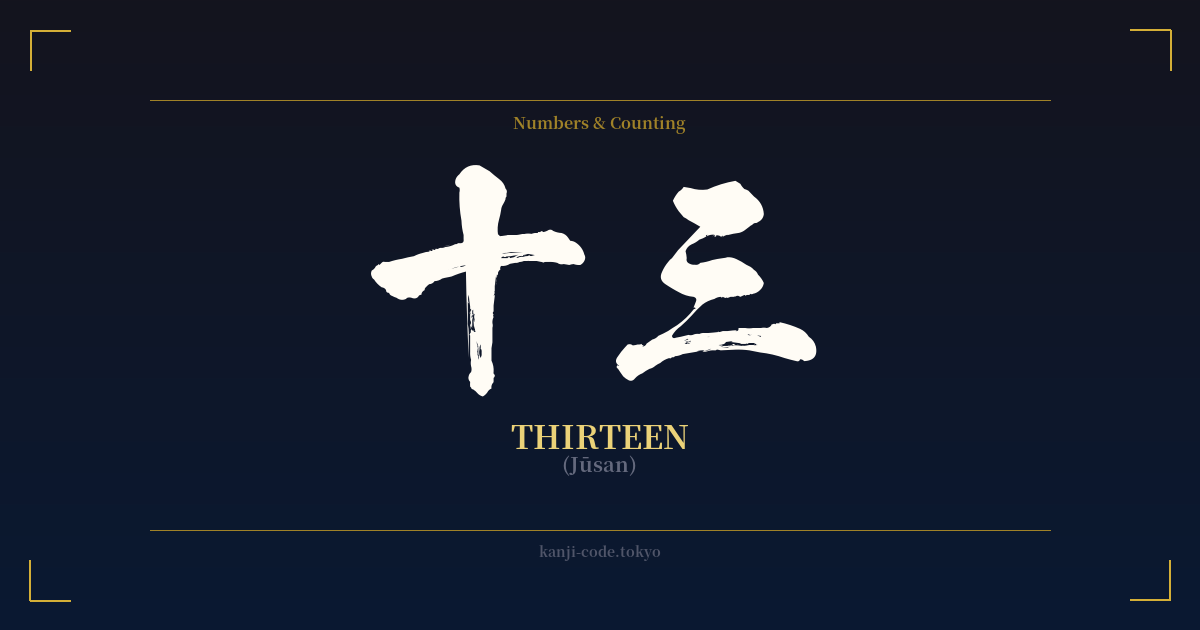
The same kanji can look dramatically different depending on the calligraphy style. Choose a font that matches the mood you want for your tattoo or design.
🎨 Tattoo Suitability
📐 Tattoo Design Guide
The kanji 十二, while simple, offers unique design opportunities when approached with creativity. Its minimalism can be a strength or a weakness, depending on the execution.
– Placement: Its vertical structure is a natural fit for the spine, forearm, or calf. Horizontally, it can work well on the chest or upper back. Because of its simplicity, it's an excellent candidate for integration into a larger, more complex piece.
– Font Style: To counteract the simplicity of the strokes, consider a bold, impactful font. A strong Kaisho (block) or Gyosho (semi-cursive) style can give the characters weight and presence. Avoid thin, wispy fonts, which can make the design appear frail.
– Visual Tips: The key to a powerful 十二 tattoo is context. Consider pairing it with the specific zodiac animal that holds personal meaning for you. Another powerful concept is to incorporate it into a clock face or an Enso (Zen circle) to emphasize the themes of time and cyclical completeness. For a more martial interpretation, you could draw inspiration from the armor or imagery associated with the Twelve Divine Generals (Jūni Shinshō).
Comments