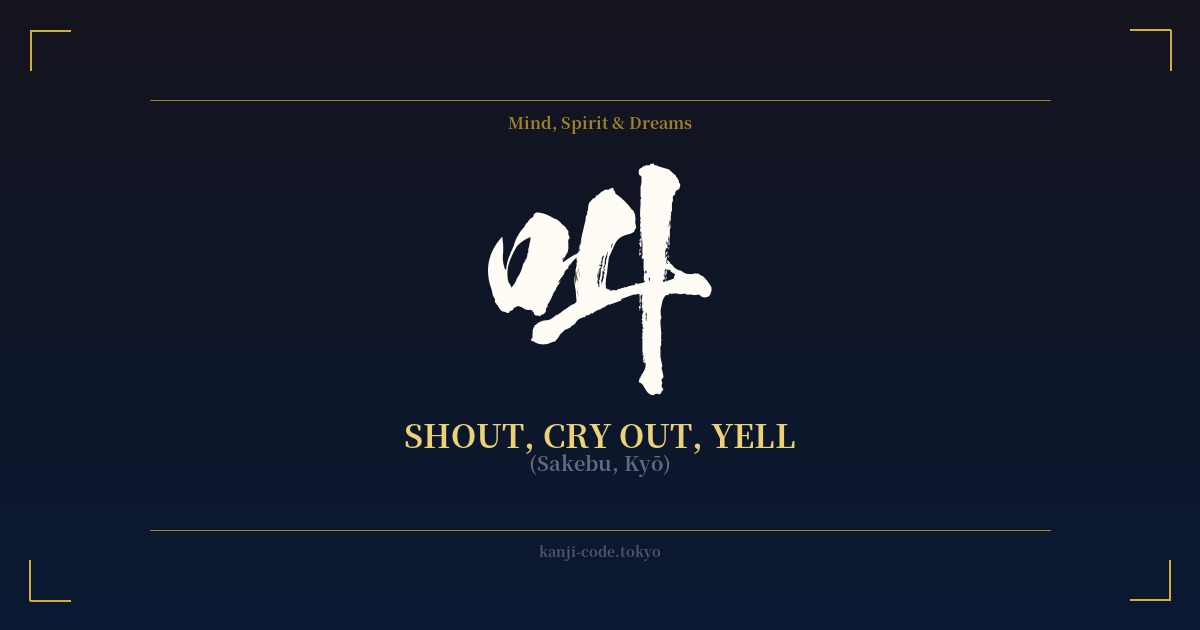
✍️ 叫 (Sakebu, Kyō) — Cultural Context
The kanji 叫 (sakebu) is a powerful and primal character that captures the raw act of shouting, yelling, or crying out. Its very structure tells a story. The character is composed of two parts: the radical 口 (kuchi), which means "mouth," and a phonetic component on the right. This combination visually represents a sound being forcefully expelled from the mouth, an outburst that is more than just speech.
In the Japanese language, 叫 is most commonly encountered as the verb 叫ぶ (sakebu). This isn't a word for a casual conversation; it denotes a sound born from intense emotion. It can be a shout of victory on the battlefield, a cry of desperation from someone in peril, a yell of frustration, or a passionate declaration of love. The key is the intensity and the lack of restraint. It's the sound you make when words are not enough.
This concept is deeply woven into Japanese pop culture, particularly in manga and anime. Protagonists often 叫ぶ the names of their special attacks, channeling their energy into a single, powerful vocalization. Think of the climactic moments in series like "Dragon Ball" or "Naruto," where a character's shout signifies a surge of power or a critical turning point in a fight. This usage highlights the kanji's association with raw energy and determination.
Beyond fiction, the idea connects to the martial arts concept of kiai (気合). While kiai is written with different kanji (spirit + harmony), 叫 embodies the physical act of the shout itself. A kiai is a focused yell used to intimidate an opponent, concentrate one's own power, and express fighting spirit. The sound is not just noise; it is a weapon and a tool for mental focus, originating from the hara (the body's center of energy).
The kanji also finds its place in more poignant contexts. The title of the famous Japanese novel and film, "Sekai no Chūshin de, Ai o Sakebu" (世界の中心で、愛をさけぶ), translates to "Crying Out Love, in the Center of the World." Here, the shout is not one of aggression but of profound love and loss, a desperate, cathartic release of emotion into the void. This shows the versatility of 叫; it is a vessel for any emotion strong enough to demand a voice. It represents a fundamental human experience: the need to be heard, to release what is held inside, whether it be joy, sorrow, anger, or passion.
🖌️ Font Styles for 叫
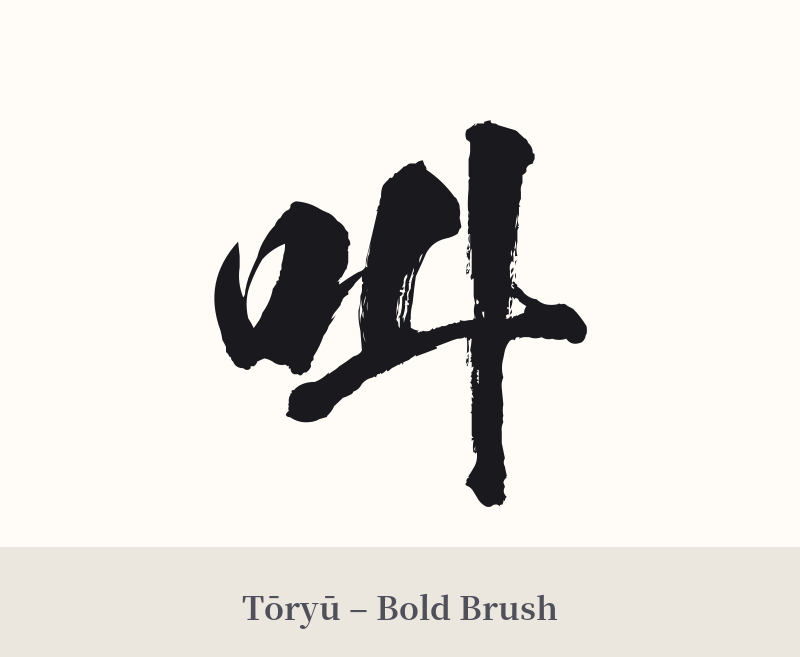
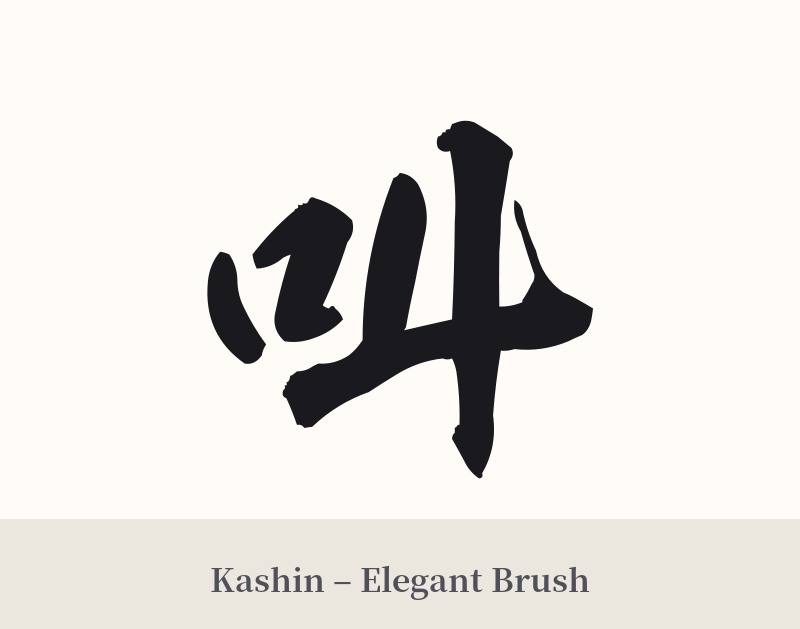
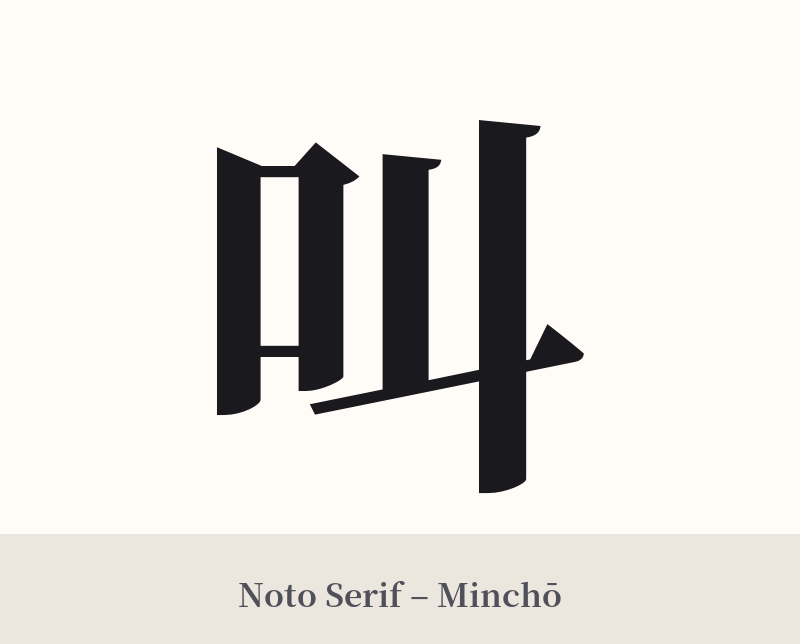
The same kanji can look dramatically different depending on the calligraphy style. Choose a font that matches the mood you want for your tattoo or design.
🎨 Tattoo Suitability
📐 Tattoo Design Guide
For a kanji as expressive as 叫, the design should match its energy.
– Placement: Consider areas that suggest power and projection, such as the forearm, calf, or across the back of the shoulders. A placement over the chest or ribs can symbolize a shout coming from the heart or lungs.
– Font Style: A rough, energetic calligraphy style (shodō) is a perfect match, especially a semi-cursive (gyōsho) or cursive (sōsho) script that captures a sense of explosive motion. Bold, heavy block fonts can also work, giving it the feel of a graphic novel sound effect.
– Visual Tips: To enhance the meaning, consider incorporating elements that suggest sound, like ink splashes, radiating lines, or a subtle shockwave effect around the character. Using red ink, either for the whole character or as an accent, can emphasize passion or a battle cry.
Comments