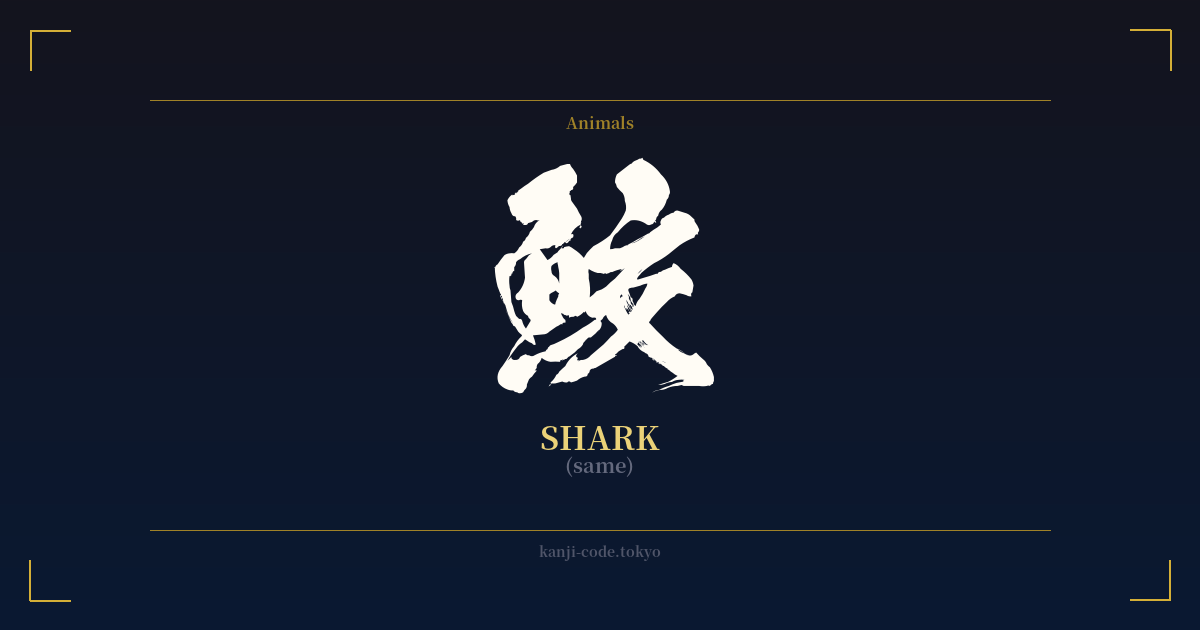
✍️ 鮫 (same) — Cultural Context
The kanji 鮫 (same) is a direct and powerful representation of the shark, an animal that commands both fear and respect in cultures worldwide. In Japan, an island nation with a deep maritime history, the shark holds a multifaceted significance that goes beyond the simple image of a predator.
The character itself offers clues to its identity. It is composed of the radical 魚 (sakana), meaning 'fish', on the left, which clearly categorizes it as an aquatic creature. The right side, 交 (kō, maji), means 'to mix' or 'intersect' and primarily serves a phonetic purpose here. However, one could poetically interpret this combination as the 'fish that intersects' with others, a nod to its apex predator status.
Historically, sharks were not just creatures of the sea but also a vital resource in Japanese craft and martial culture. The term 'samegawa' (鮫皮), literally 'shark skin', refers to the rough, textured hide of sharks and rays. This material was prized for its incredible grip and durability. Most famously, samegawa was used to wrap the hilts (tsuka) of Japanese swords like the katana and wakizashi. This provided the samurai with a non-slip grip in the heat of battle, making the shark an integral, if unseen, part of the warrior's identity.
Beyond the battlefield, high-quality samegawa was also used to create graters for wasabi, called 'oroshigane'. The skin's fine, sharp texture was perfect for grating the rhizome into a smooth paste, releasing its full flavor and pungency in a way metal graters could not. This elevates the shark from a mere predator to a key component of both Japanese martial and culinary arts.
In folklore, the image of the shark is more menacing. Creatures like the Isonade (磯撫), a massive, shark-like sea monster from the mythology of western Japan, were said to use their powerful, hook-covered tails to snag sailors and drag them into the depths. This speaks to the ancient and primal fear of the unknown dangers lurking in the ocean.
Today, the kanji 鮫 evokes a duality: the raw, untamable power of an apex predator, and the quiet, refined strength found in traditional Japanese craftsmanship. It represents survival, ferocity, and a deep, often misunderstood connection to the natural world.
🖌️ Font Styles for 鮫
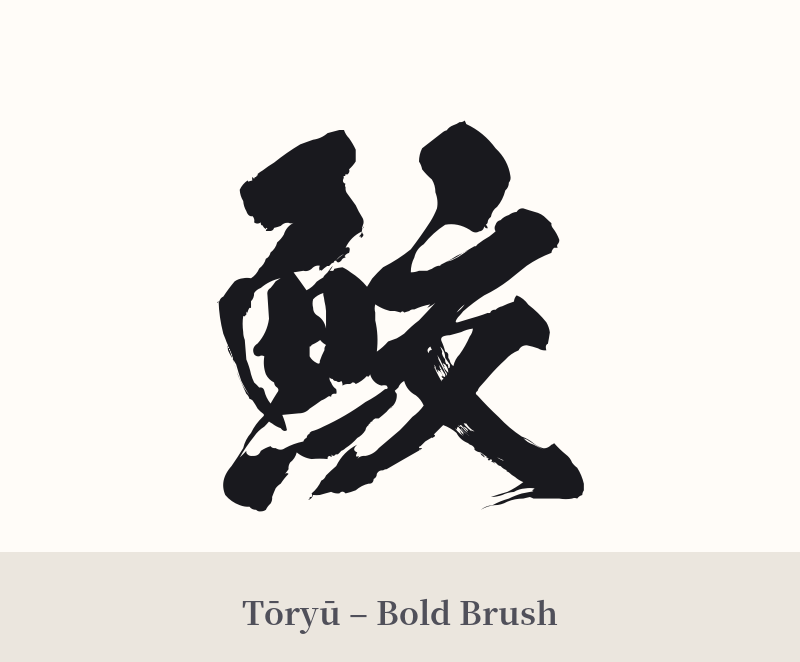
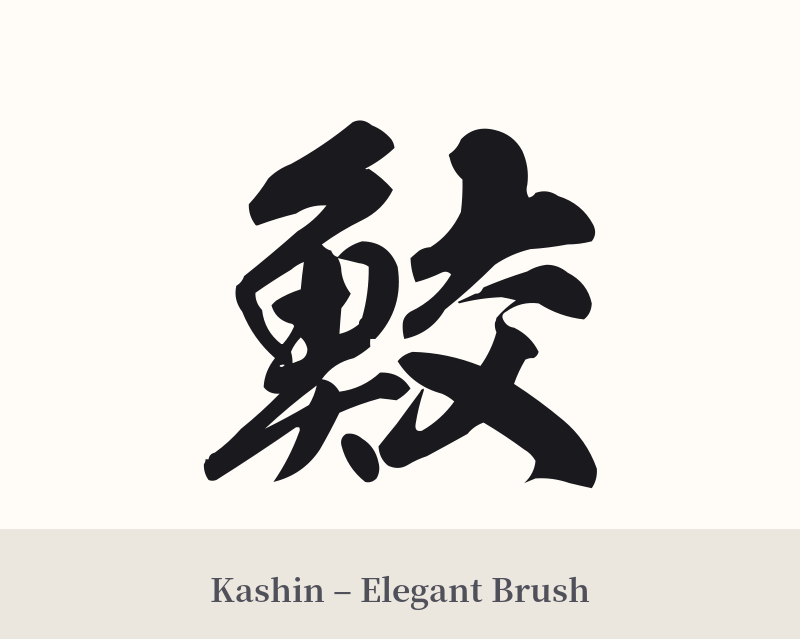
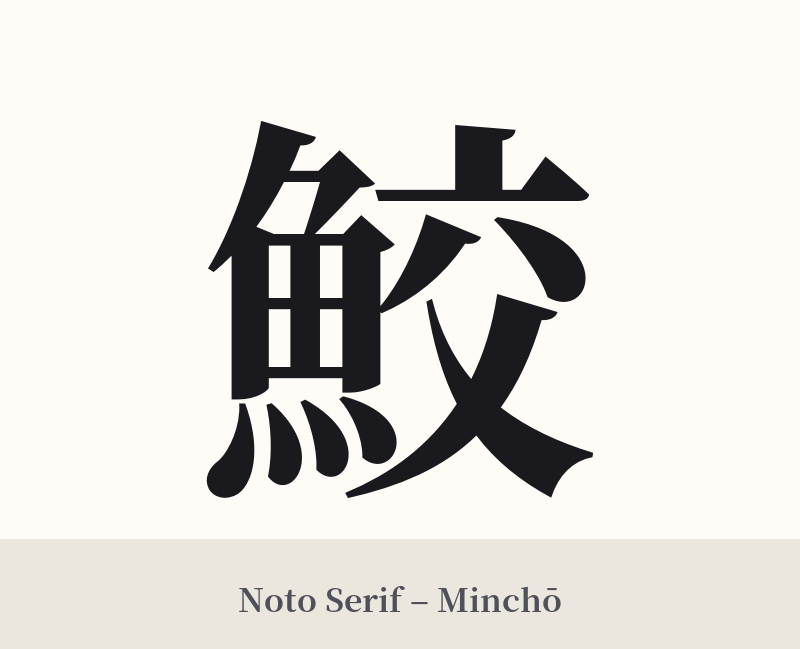
The same kanji can look dramatically different depending on the calligraphy style. Choose a font that matches the mood you want for your tattoo or design.
🎨 Tattoo Suitability
📐 Tattoo Design Guide
The kanji 鮫 is a fantastic choice for a tattoo, offering both visual complexity and powerful symbolism. To make the most of this character, consider the following design tips:
– Placement: Due to its detail, 鮫 works best on larger, flatter areas of the body. The forearm, calf, back, or thigh are all excellent choices that provide enough space for the artist to render the 17 strokes clearly.
– Style: A bold, dynamic calligraphy style (shodō) can emphasize the shark's aggressive and powerful nature. For a more refined and traditional look, a classic Mincho (serif) font style highlights the character's elegant structure.
– Visual Combinations: While 鮫 is strong enough to stand alone, it pairs exceptionally well with other Japanese motifs. Incorporating it into a background of churning waves (波) can create a dynamic scene. It can also be the centerpiece of a larger Japanese-style tattoo (irezumi) that features a realistic shark, water, and other marine elements.
Comments