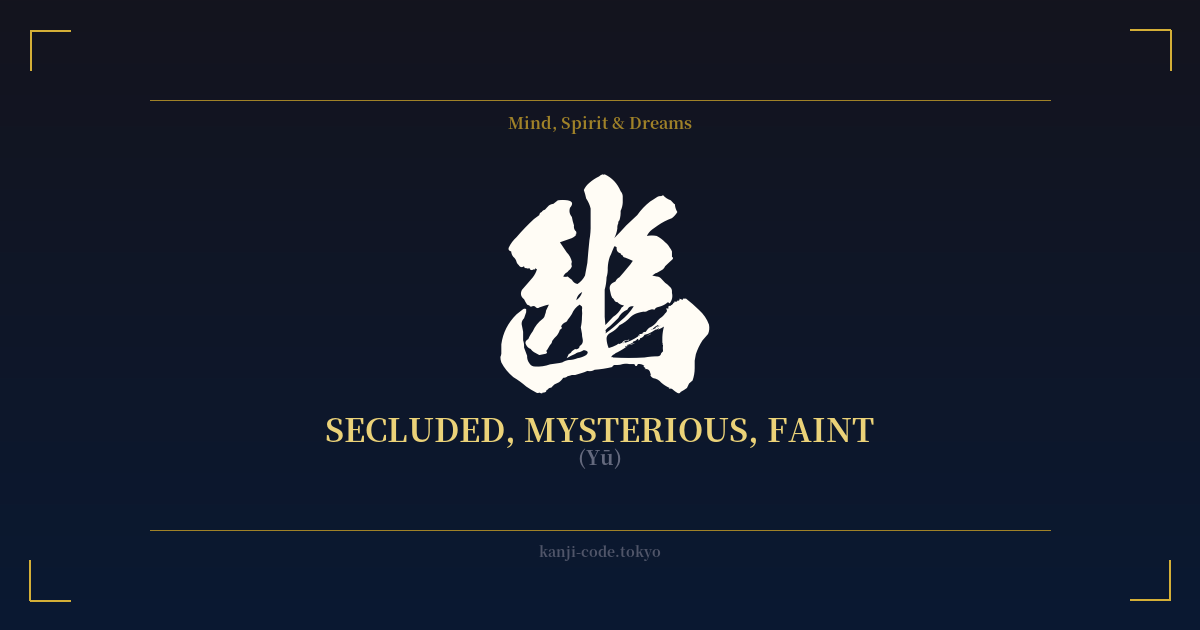
✍️ 幽 (Yū) — Cultural Context
The kanji 幽 (Yū) is a character steeped in shadow and subtlety, embodying concepts that are hidden, faint, and just beyond the grasp of ordinary perception. Its origins paint a vivid picture: the character is composed of 幺 (yō), meaning 'faint' or 'tiny,' written twice over 山 (yama), the character for 'mountain.' This combination evokes an image of something deep, dark, and obscure within a remote mountain landscape—a place of profound seclusion and mystery.
In modern Japanese, the most immediate and powerful association of 幽 is with the supernatural. It is the foundational character for words related to the spirit world. The most common of these is 幽霊 (yūrei), the Japanese term for a ghost or specter. This connection is so strong that seeing the character 幽 alone often brings ghosts to mind for a native speaker. Other related terms include 幽界 (yūkai), the world of the dead or spirits, and 幽体離脱 (yūtai ridatsu), the phenomenon of an out-of-body experience or astral projection. This gives the kanji a haunting, otherworldly, and somewhat somber quality.
However, 幽 is not solely about ghosts. It is also central to one of the most important concepts in traditional Japanese aesthetics: 幽玄 (Yūgen). Yūgen refers to a profound, subtle, and mysterious beauty that is hinted at rather than explicitly stated. It is the beauty of suggestion, of what is not fully seen. Think of the moon partially obscured by a cloud, the fading trail of a bird's song, or the depth of emotion conveyed by a single, minimalist gesture in a Noh play. Yūgen finds beauty in the shadows, in the impermanent and the unsaid. This concept elevates 幽 from the merely spooky to the deeply philosophical and artistic.
Beyond these two poles, 幽 also carries a more straightforward meaning of 'seclusion' or 'confinement.' The word 幽閉 (yūhei) means to be confined or imprisoned, often used in a historical context for nobles or political figures placed under house arrest. This usage taps into the kanji's sense of being hidden away from the world, cut off and isolated. Together, these meanings create a complex and fascinating character that speaks to the hidden, the mysterious, and the profoundly subtle, whether in the spirit world, in art, or in human experience.
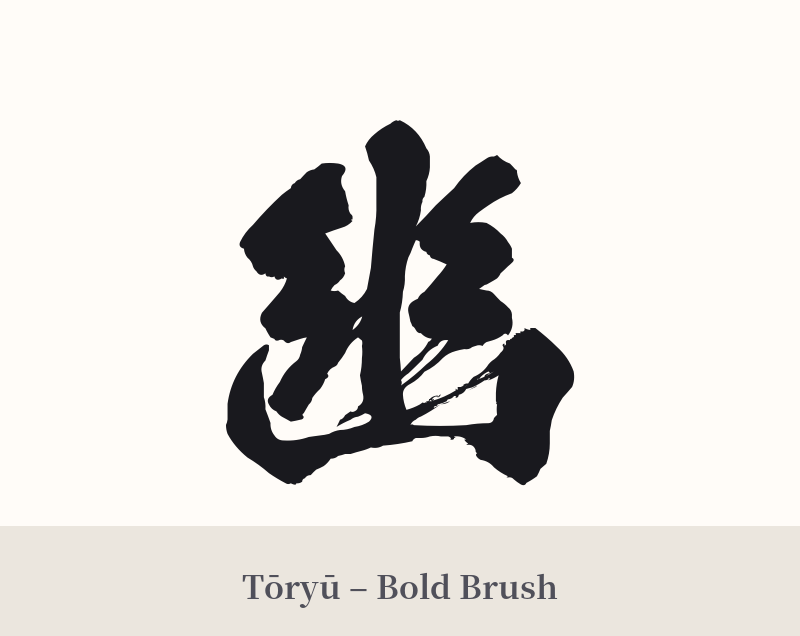
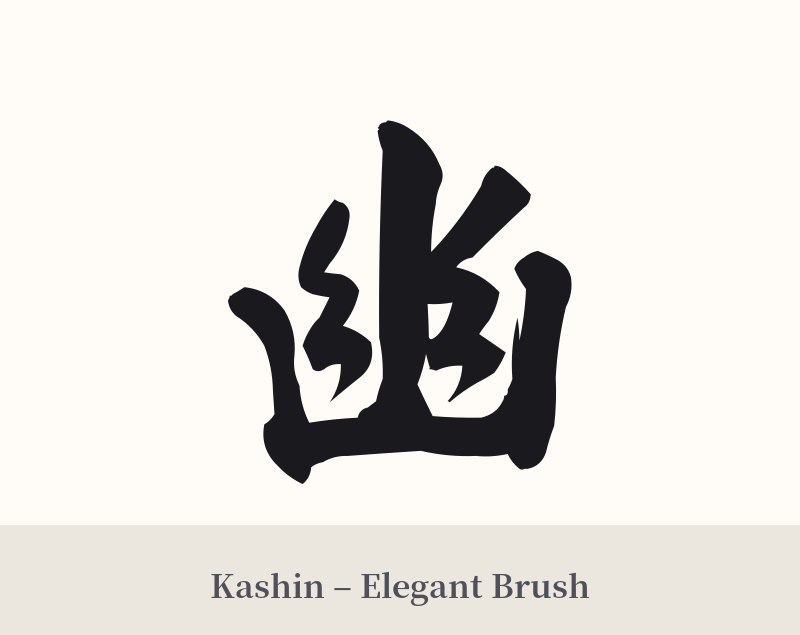
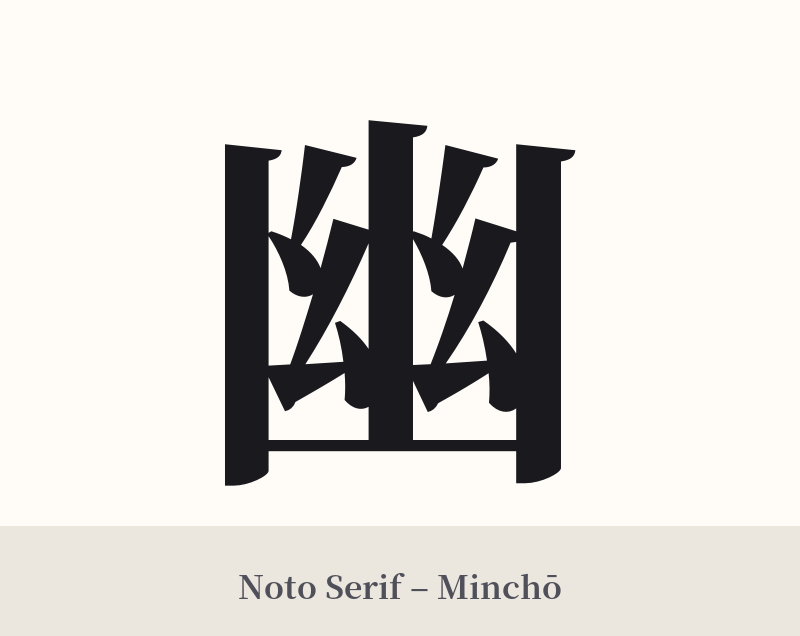
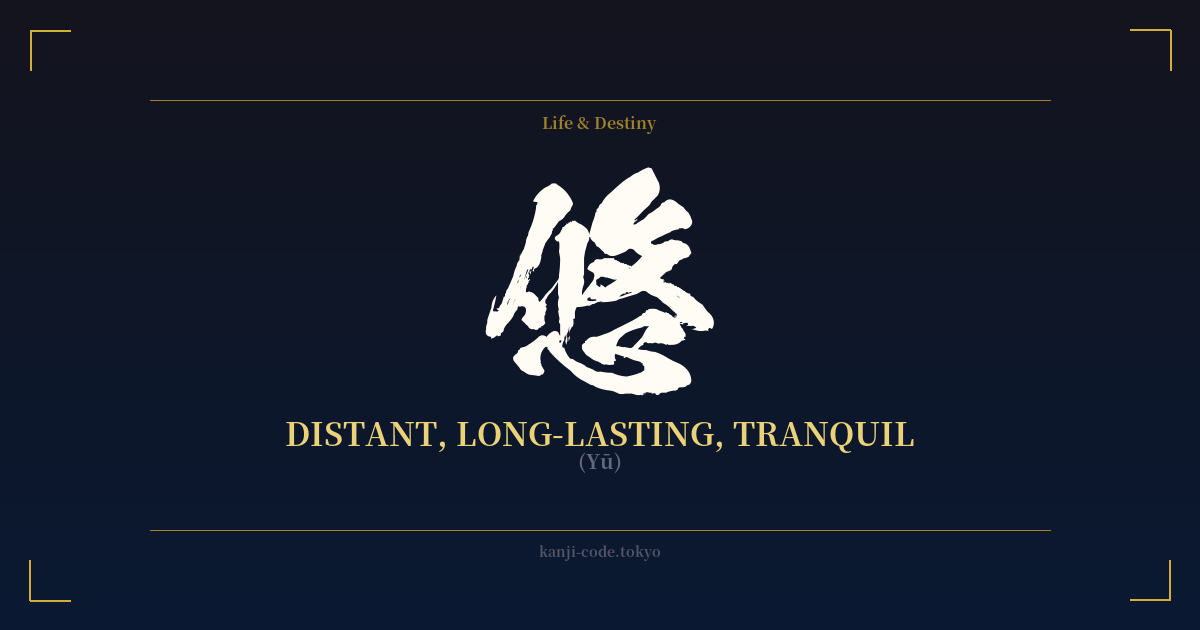
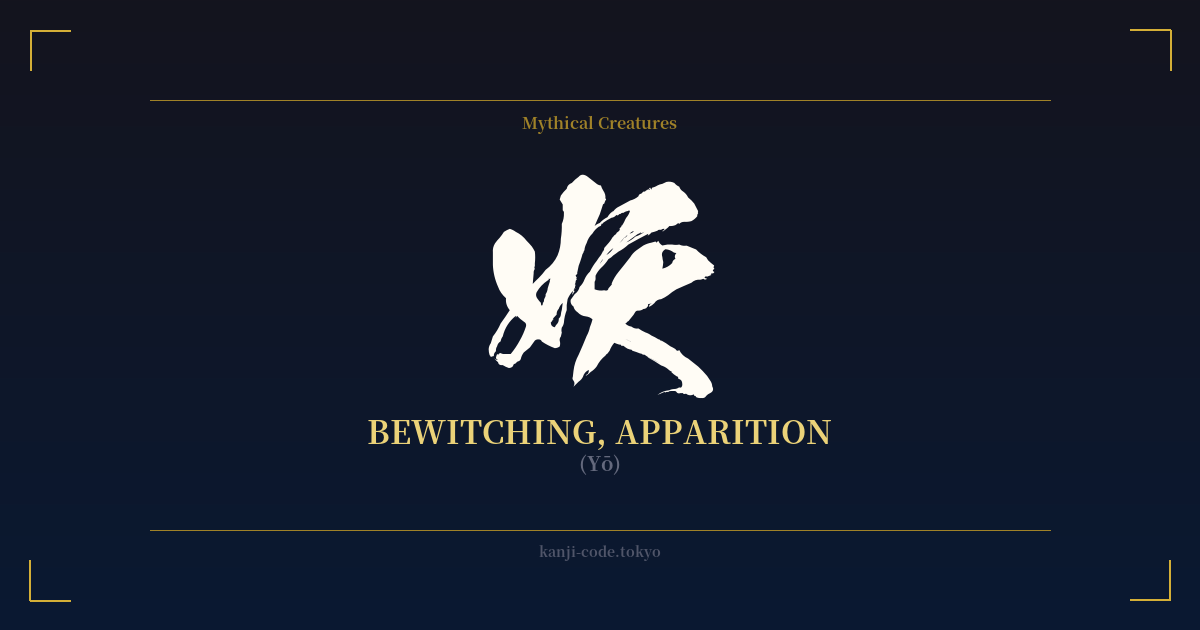
🖌️ Font Styles for 幽
The same kanji can look dramatically different depending on the calligraphy style. Choose a font that matches the mood you want for your tattoo or design.
🎨 Tattoo Suitability
📐 Tattoo Design Guide
A tattoo of 幽 (Yū) should reflect its subtle and mysterious nature. Aggressive or overly bold designs can clash with its core meaning.
– Placement: Consider locations that enhance the idea of subtlety or being hidden. The inner forearm, behind the ear, the back of the neck, or along the ribs are excellent choices. These spots allow the tattoo to be a personal discovery rather than a loud declaration.
– Font Style: The choice of script is crucial. A flowing, cursive sōsho (grass script) can beautifully capture the ethereal, ghostly quality of the kanji. Alternatively, a thin and delicate kaisho or mincho style can emphasize its 'faint' and 'subtle' aspects.
– Visual Tips: Avoid making the tattoo too large or thick, as this would contradict the meaning. A smaller, more intricate design often works better. To add context and lean into the 'Yūgen' aesthetic, consider incorporating it into a larger piece with elements like mist, fog, a dark forest scene, or a crescent moon. A watercolor or wash effect could also be used to create a faded, spectral appearance that perfectly matches the kanji's vibe.
Comments