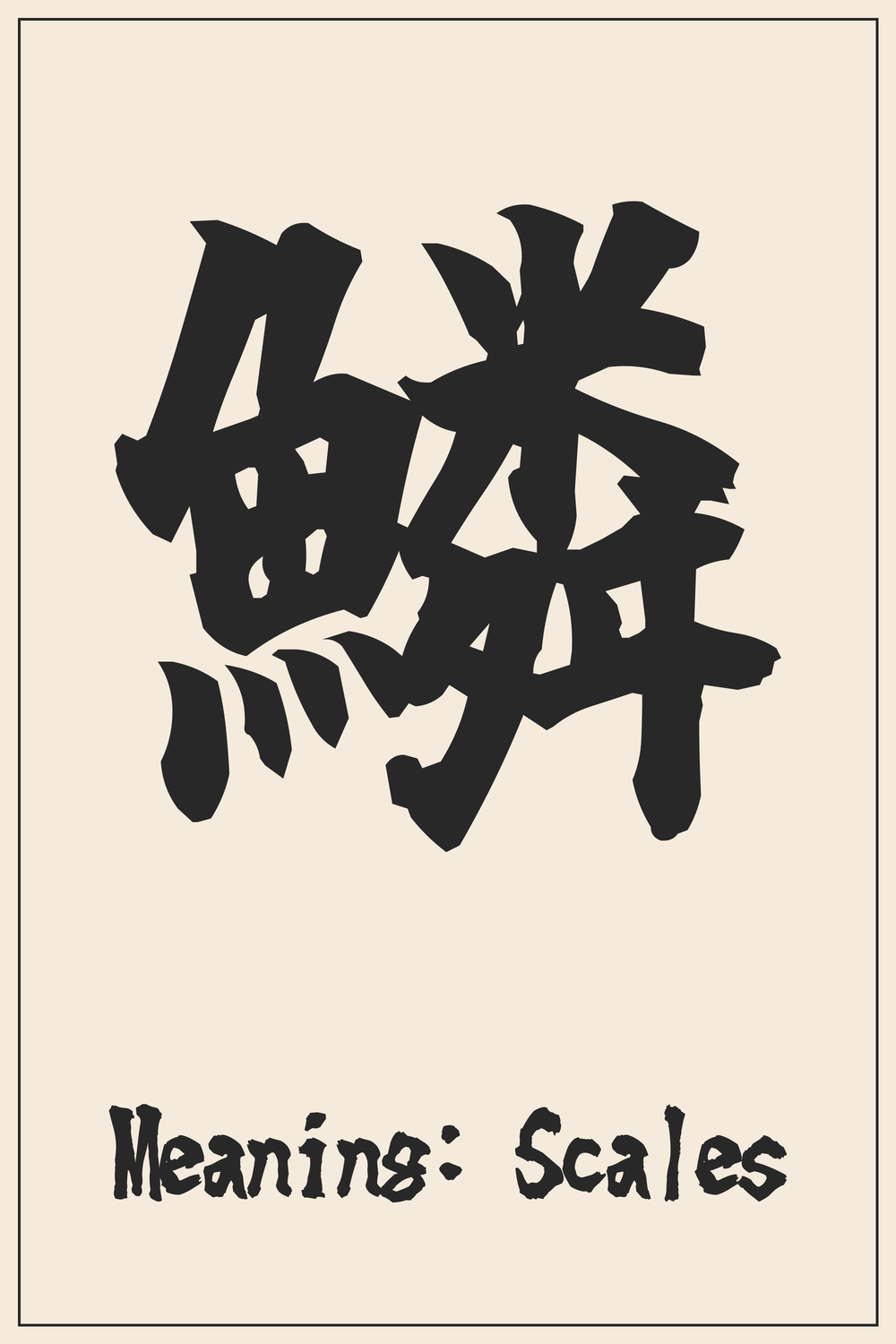
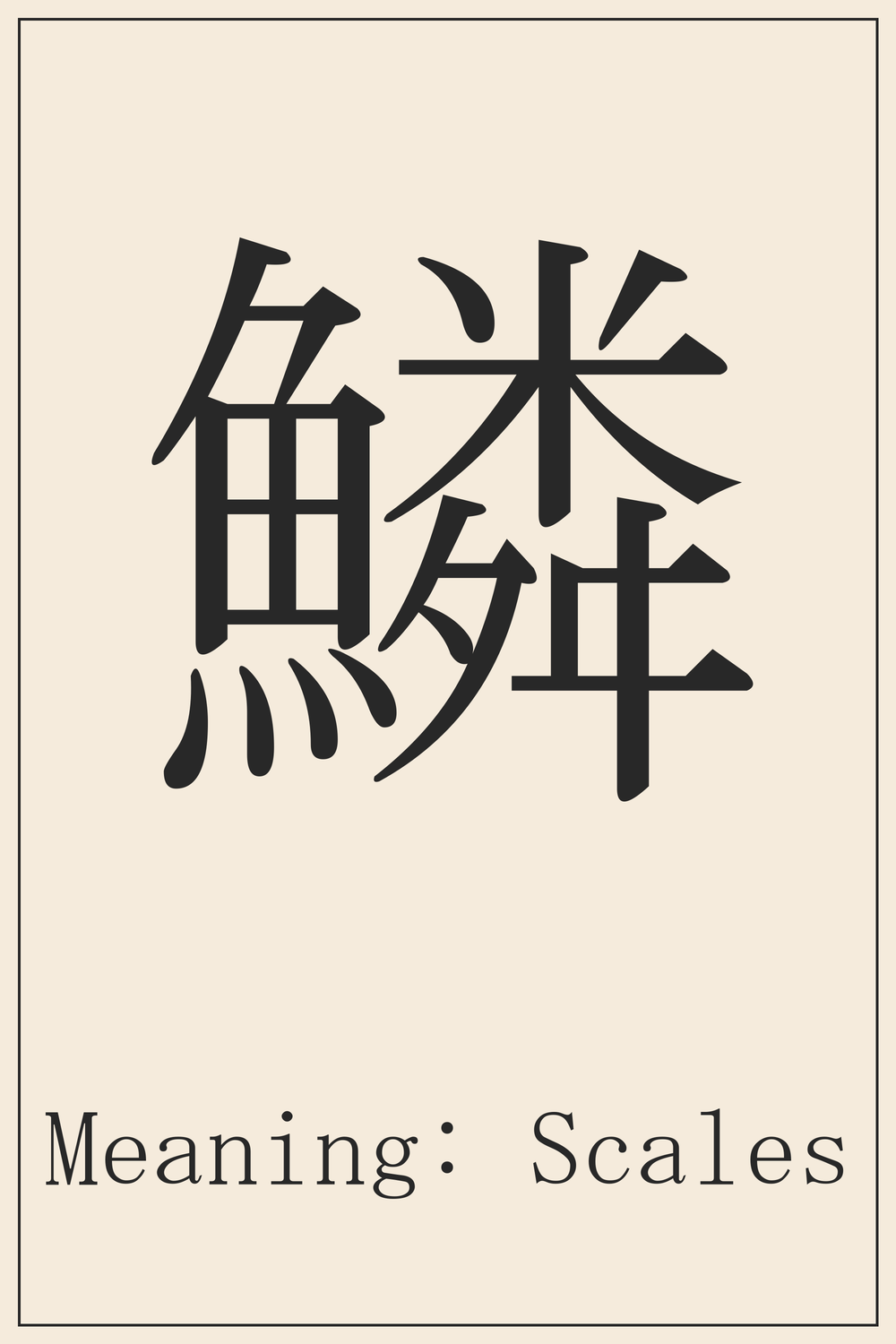
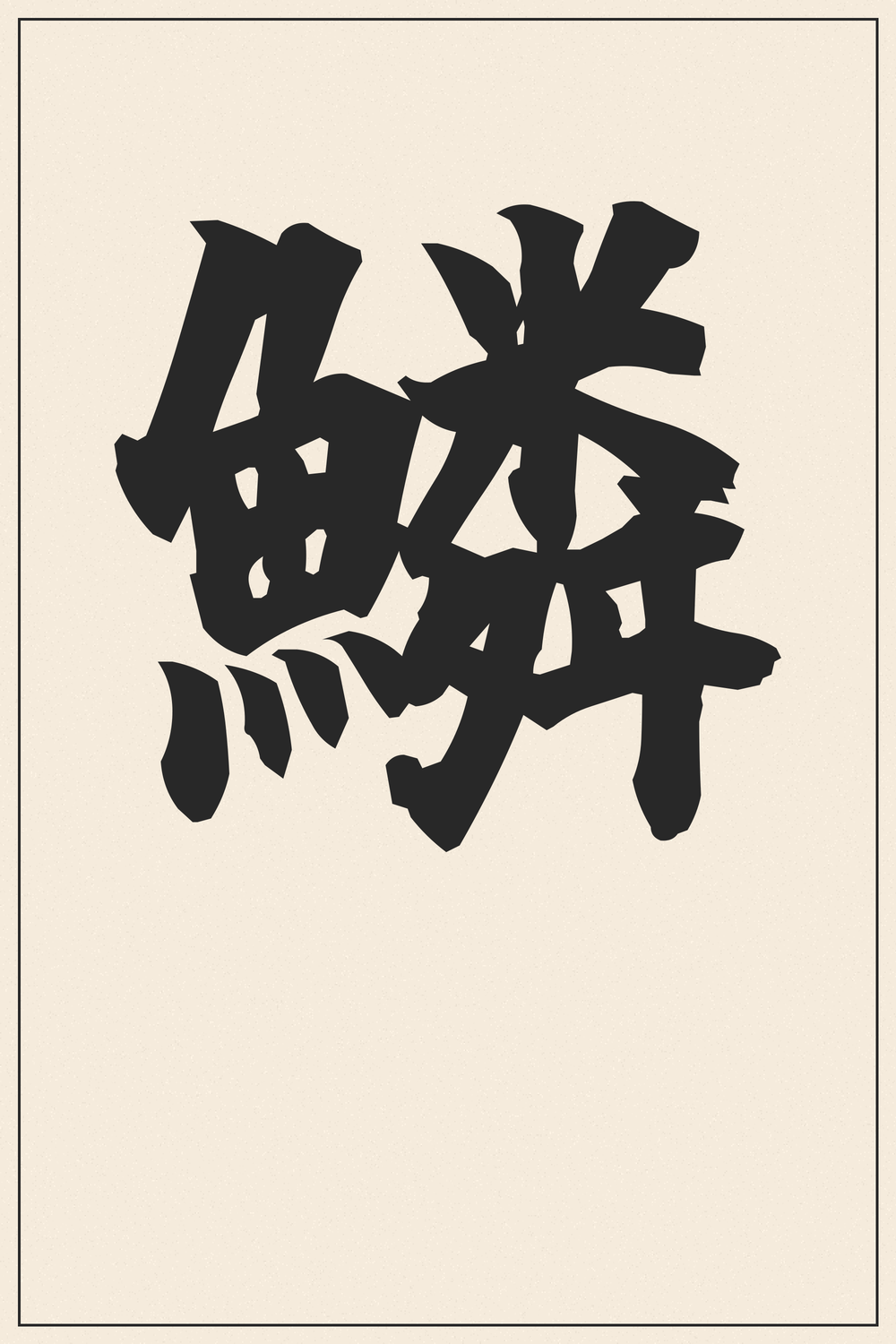
The Kanji 鱗 embodies the intricate beauty and protective power of scales, reflecting the resilience of aquatic and mythical creatures alike.
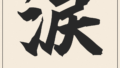
The atmosphere of a Kanji character changes dramatically depending on the font style. A character that looks elegant in a brush style might look bold and modern in a different font.
Recommendation:
Since a tattoo is permanent, we strongly recommend comparing various font styles beyond what is shown here. Use our designs as a trusted reference for the correct structure, but feel free to explore different artistic variations to find the perfect match for your vision.
The Deep Meaning Behind 鱗
The Kanji 鱗 (uroko) vividly depicts the protective covering found on fish, reptiles, and mythical dragons. Its etymological roots combine elements that evoke both the creature itself and the distinct appearance of its skin.
In Japanese culture, scales are often associated with strength, resilience, and transformation. Dragon scales, in particular, symbolize immense power and divine protection, while carp scales are linked to perseverance and success, reflecting the fish’s journey upstream. This makes 鱗 a versatile symbol in art and narrative.
Kanji Breakdown
The character 鱗 is a phono-semantic compound, skillfully combining a semantic component indicating its meaning with a phonetic component suggesting its pronunciation and visual qualities.
Meaning: This radical, uo or sakana, literally means ‘fish’. It provides the core semantic context for 鱗, clearly linking it to aquatic life and the covering found on such creatures.
Meaning: Pronounced rin, this component acts primarily as a phonetic indicator for 鱗. It also carries connotations of glimmering or sparkling, contributing to the image of scales that often reflect light.
Conclusion
The Kanji 鱗 is more than just a descriptor for skin; it encapsulates notions of defense, natural artistry, and the formidable grace of creatures from the mundane to the mythical. It speaks to an underlying strength and the beauty of intricate patterns found in nature.
Choosing 鱗 for a tattoo signifies an appreciation for resilience and protective qualities, often resonating with themes of transformation and enduring power. Its detailed structure offers a rich canvas for artistic interpretation, symbolizing a profound connection to the elemental forces of the natural world.
Comments