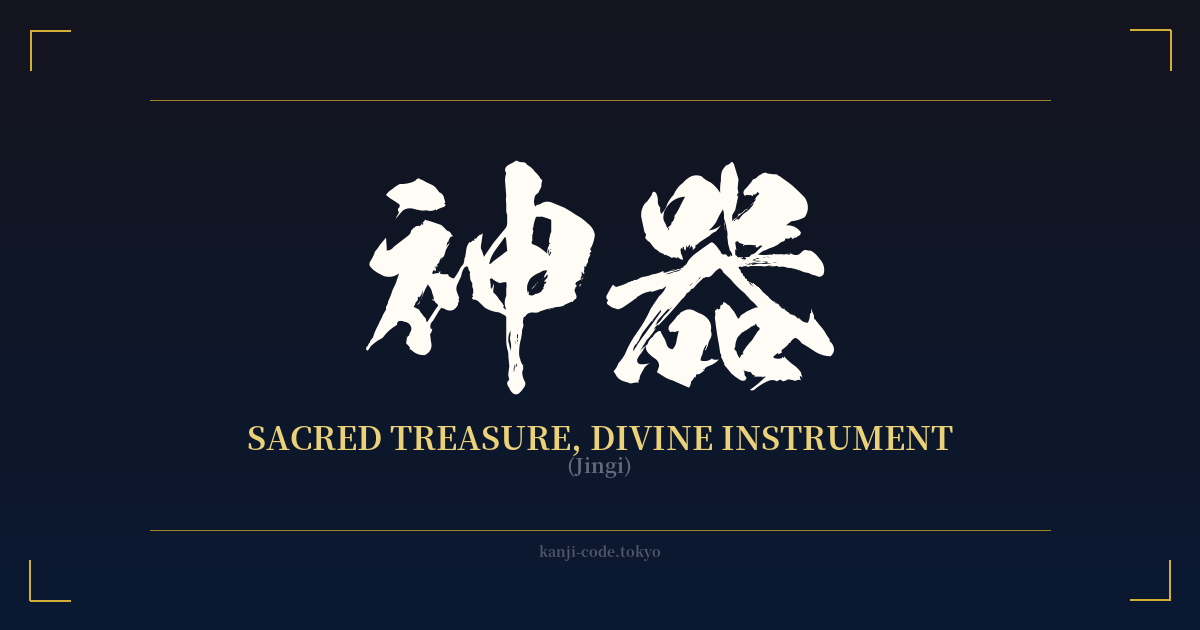
✍️ 神器 (Jingi) — Cultural Context
The word 神器 (Jingi) translates to 'sacred treasure' or 'divine instrument,' and it carries a weight of immense cultural and historical significance in Japan. It is not a term used lightly; it evokes images of myth, divinity, and the very foundation of the Japanese imperial line.
At the heart of the concept of Jingi are the Three Sacred Treasures of Japan (三種の神器, Sanshu no Jingi). These are the legendary artifacts that legitimize the rule of the Emperor. According to the foundational myths recorded in texts like the Kojiki and Nihon Shoki, these treasures were passed down from the sun goddess Amaterasu Ōmikami to her grandson Ninigi-no-Mikoto, who then descended to earth to establish the imperial dynasty.
The three treasures are: – The Sword: Kusanagi-no-Tsurugi (草薙の剣), representing the virtue of valor. – The Mirror: Yata-no-Kagami (八咫鏡), representing the virtue of wisdom and truth. – The Jewel: Yasakani-no-Magatama (八尺瓊勾玉), representing the virtue of benevolence.
These are not mere symbols. They are believed to be real, physical objects housed in various shrines across Japan, with their possession being a crucial part of the enthronement ceremony for a new Emperor. The mirror, considered the most sacred, is kept at Ise Grand Shrine, the sword at Atsuta Shrine, and the jewel at the Imperial Palace in Tokyo. Their presence validates the Emperor's divine ancestry and his role as the high priest of Shinto.
Beyond this primary, literal meaning, the term 'jingi' has entered the modern Japanese lexicon in a more metaphorical sense. During Japan's post-war economic boom, the phrase was humorously co-opted to refer to the 'three sacred treasures' of the modern household: the black-and-white television, the washing machine, and the refrigerator. These items were seen as essential, transformative tools that defined a new era of prosperity. This modern usage, while secular, still borrows from the original's sense of profound importance and transformative power.
To choose 神器 is to invoke this deep history. It is a word that speaks of divine right, legendary power, and items so crucial they can define an era or an entire nation's identity. It connects the bearer to one of Japan's most enduring and central myths.
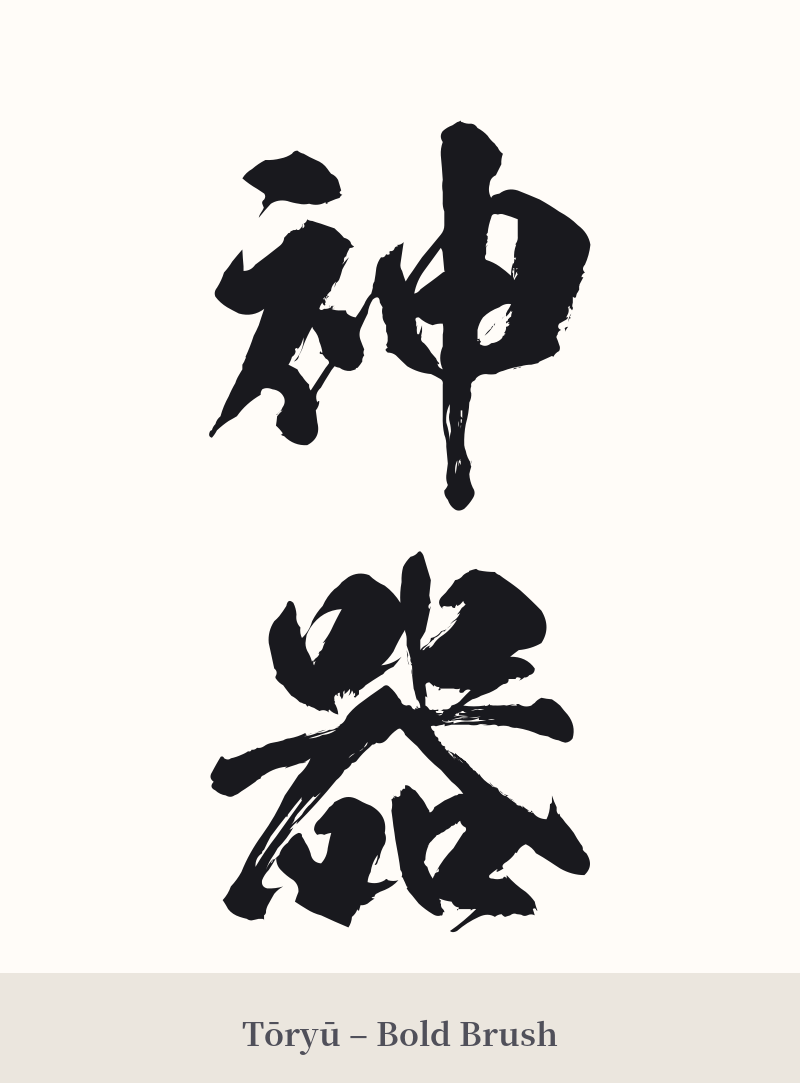
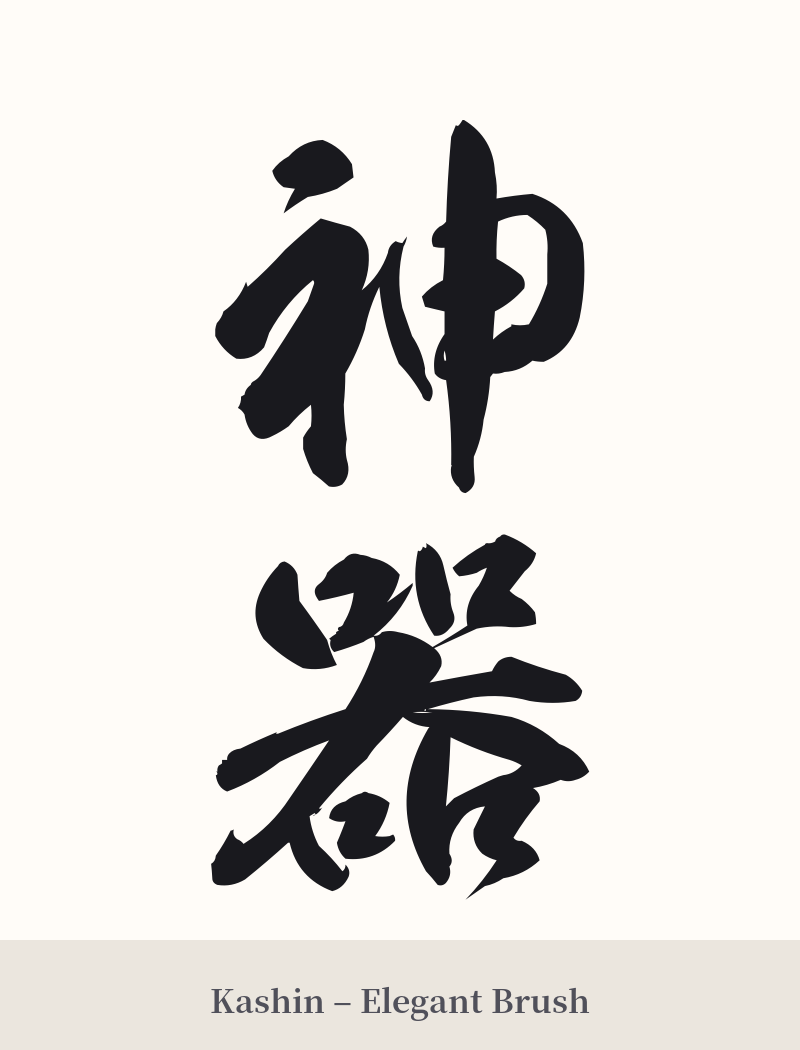
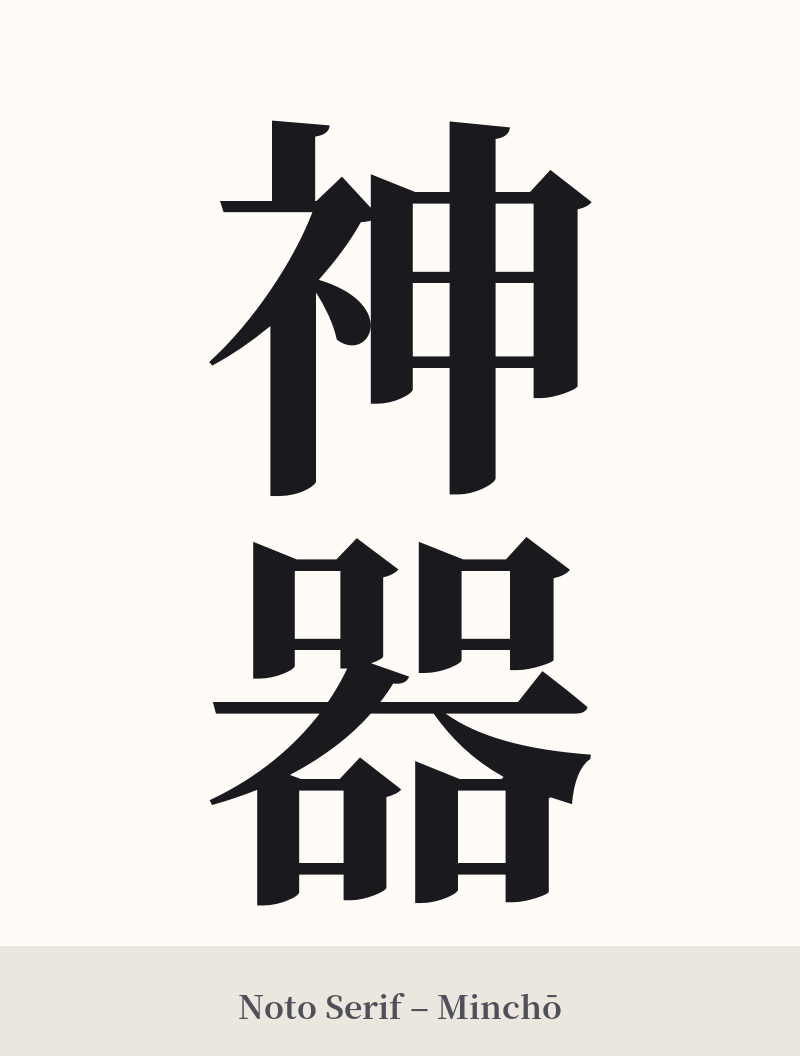
🖌️ Font Styles for 神器
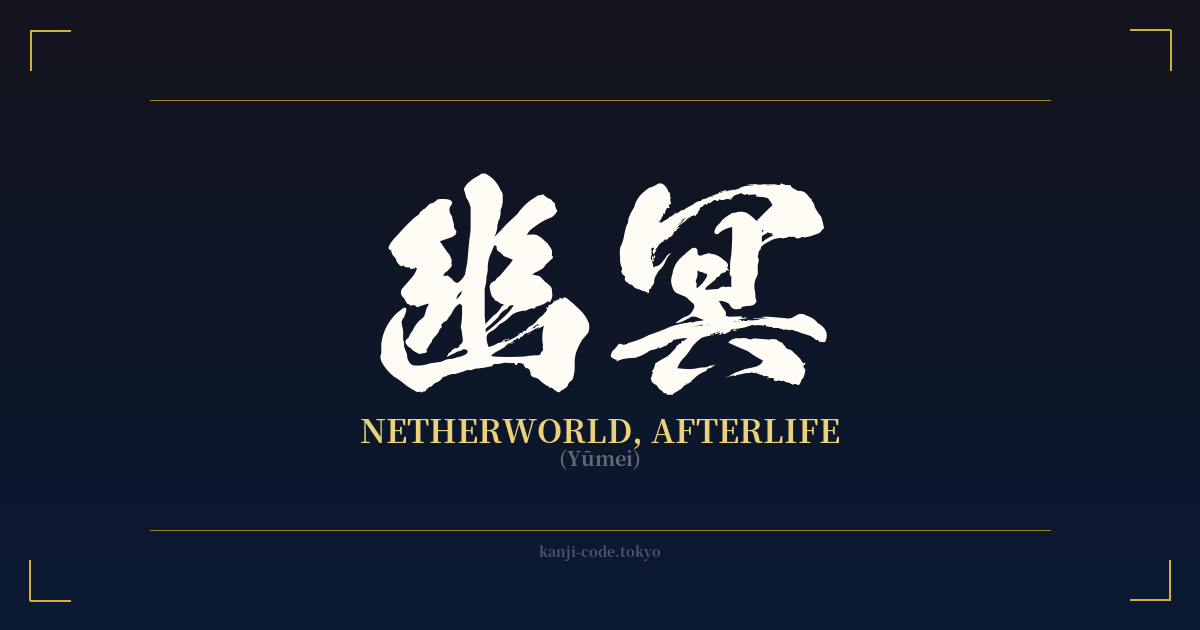
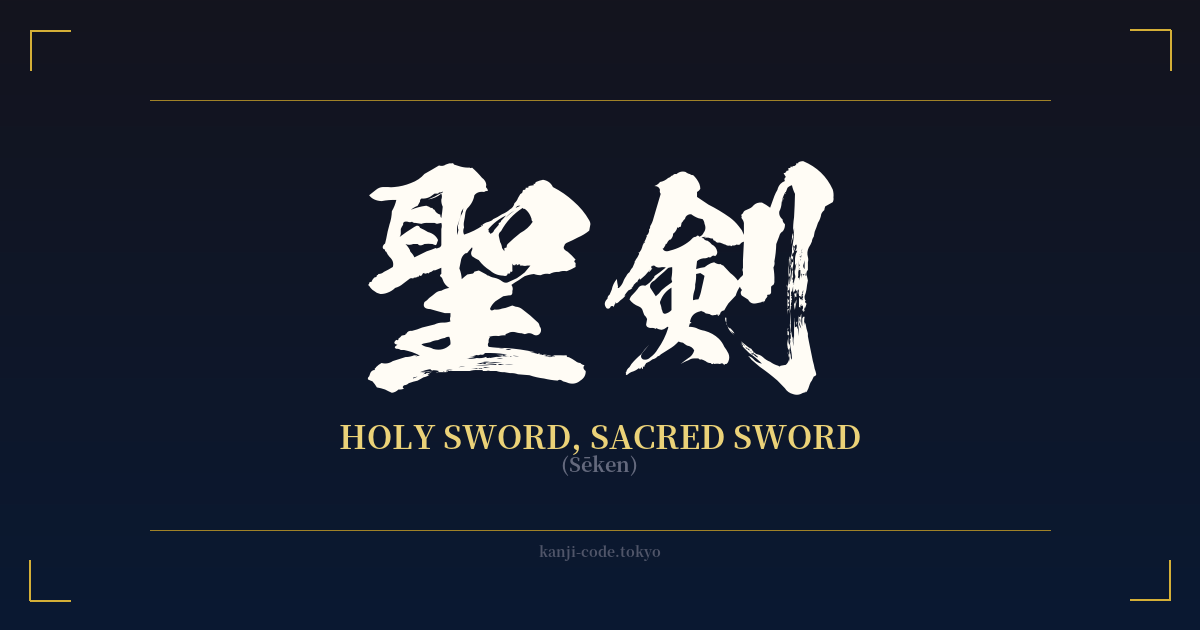
The same kanji can look dramatically different depending on the calligraphy style. Choose a font that matches the mood you want for your tattoo or design.
🎨 Tattoo Suitability
📐 Tattoo Design Guide
A tattoo of 神器 (Jingi) is a statement of power and reverence for history. The design should reflect this gravitas.
– Placement: Due to the complexity and importance of the word, larger placements are ideal. The forearm, calf, upper back, or chest provide ample space for the characters to be rendered clearly and with detail.
– Font Style: A traditional Japanese calligraphy style is highly recommended. A bold, blocky Kaisho (楷書) script emphasizes strength and stability, while a more fluid, semi-cursive Gyōsho (行書) can give it a sense of ancient elegance and movement.
– Visual Embellishments: Consider incorporating imagery of the Three Sacred Treasures themselves. A design could feature the kanji with a subtle sword, mirror, or magatama jewel woven into the background. Other fitting motifs include stylized Shinto ropes (shimenawa), clouds, or rays of light, all of which enhance the 'divine' aspect of the word.
Comments