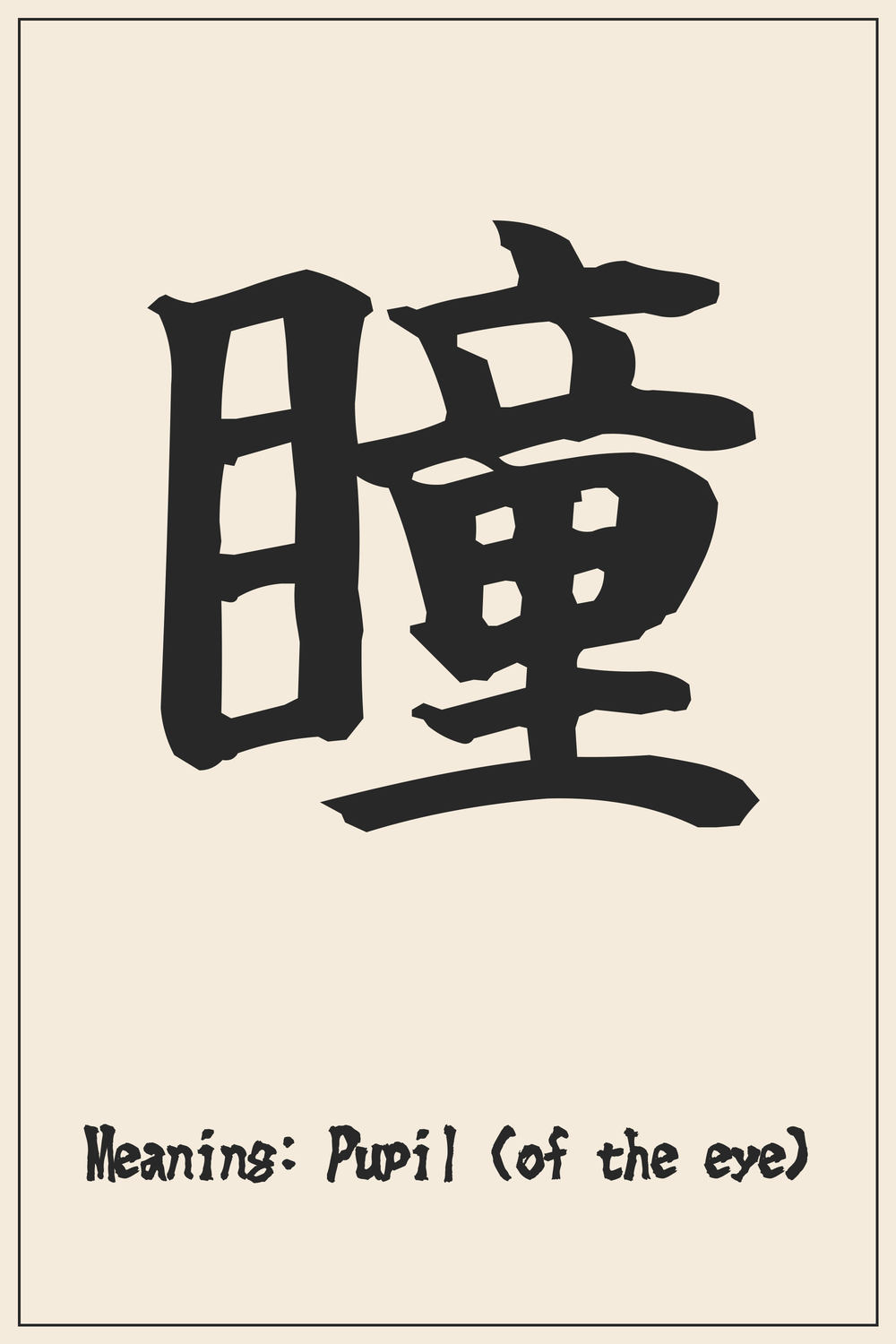
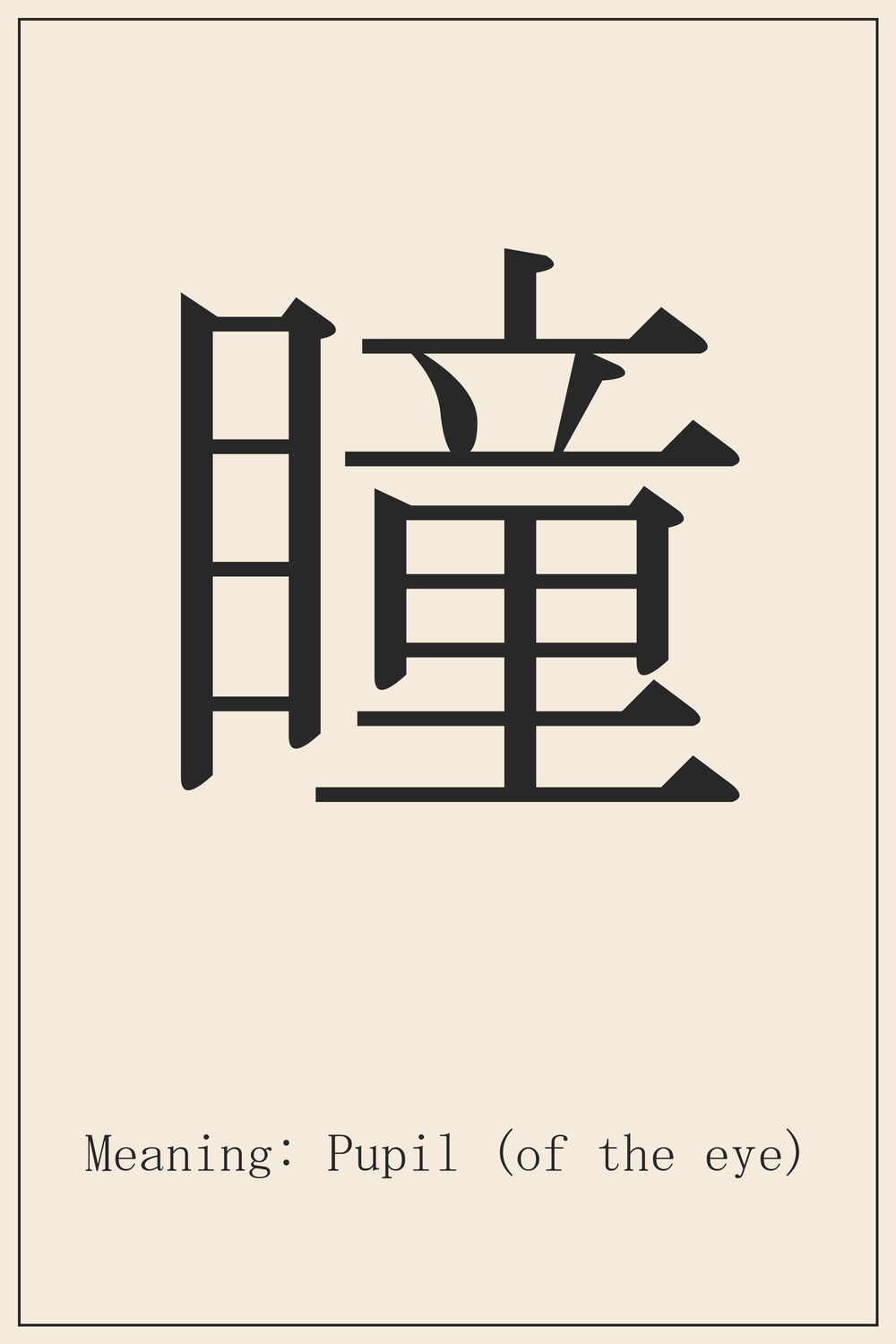
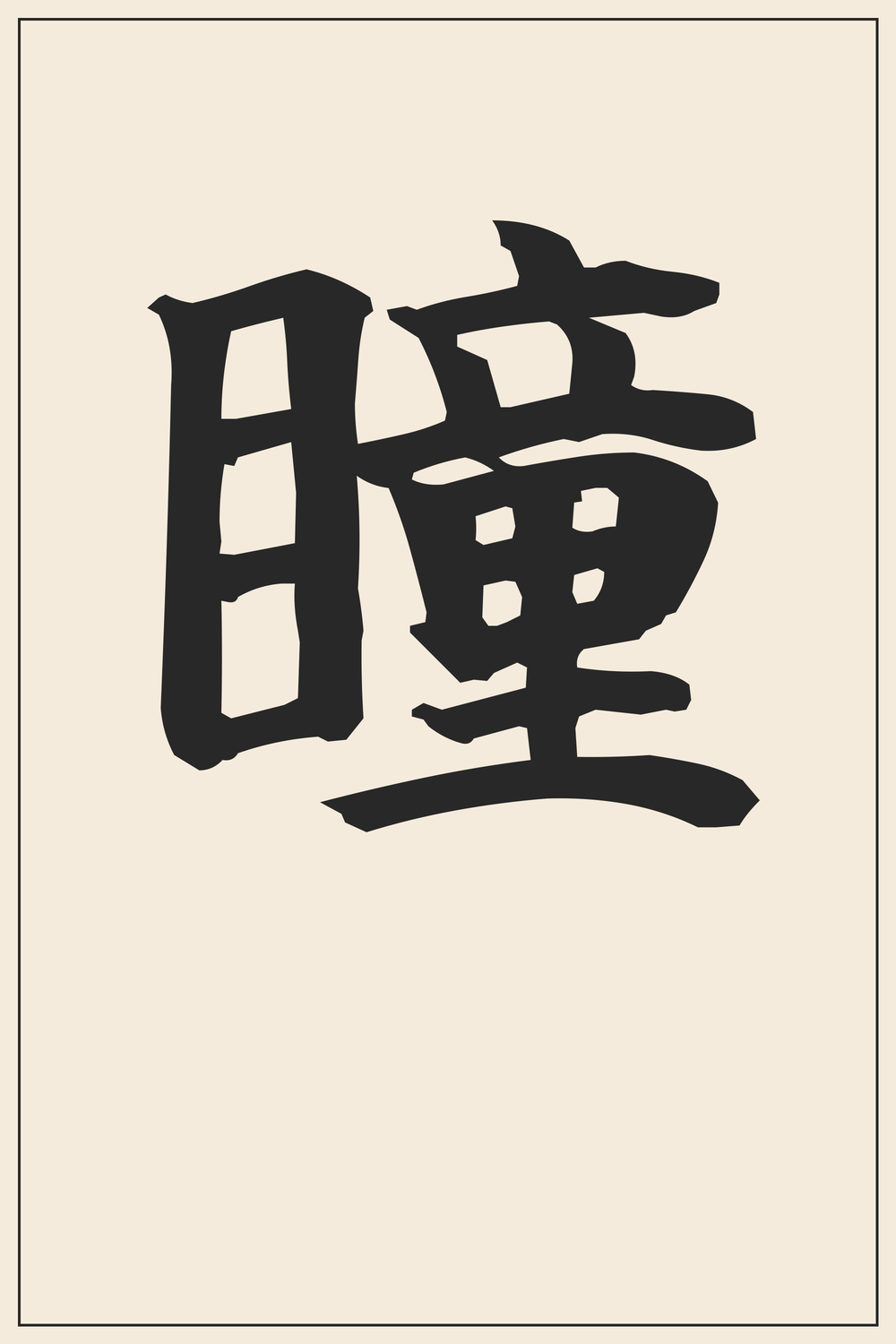
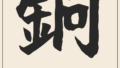
The Kanji 瞳 (Hitomi) represents the pupil of the eye, often revered as the ‘window to the soul’ and a symbol of profound perception. It encapsulates the essence of inner vision and clarity.
The atmosphere of a Kanji character changes dramatically depending on the font style. A character that looks elegant in a brush style might look bold and modern in a different font.
Recommendation:
Since a tattoo is permanent, we strongly recommend comparing various font styles beyond what is shown here. Use our designs as a trusted reference for the correct structure, but feel free to explore different artistic variations to find the perfect match for your vision.
The Deep Meaning Behind 瞳
The Kanji 瞳 (Hitomi) profoundly represents the pupil, the central aperture of the eye through which light enters. Culturally, the eyes, and specifically the pupils, are often seen as the ‘windows to the soul,’ offering a glimpse into a person’s inner world, emotions, and true character.
This character thus embodies themes of keen observation, deep understanding, and the unique perspective an individual holds. It goes beyond mere physical sight to signify insight, clarity of thought, and the ability to perceive truth.
Kanji Breakdown
The character 瞳 is a compound ideograph, combining two distinct components to convey its meaning.
Meaning: Eye. This radical directly signifies the organ of vision, forming the semantic core of the character 瞳.
Meaning: Child / Phonetic element / Round. While primarily a phonetic component contributing to the ‘hitomi’ reading, 童 also carries connotations of ‘small,’ ‘young,’ or ‘dark,’ aptly describing the small, dark, and round pupil within the eye.
Conclusion
The Kanji 瞳 (Hitomi) offers a sophisticated representation of the pupil, symbolizing not just physical sight but profound insight, clarity, and the unique essence of one’s perception. It is a powerful emblem for those who value understanding and inner truth.
Choosing 瞳 for a tattoo signifies a connection to deep vision and personal perspective. It serves as a reminder to look beyond the surface and appreciate the clarity of one’s own internal gaze.
Comments