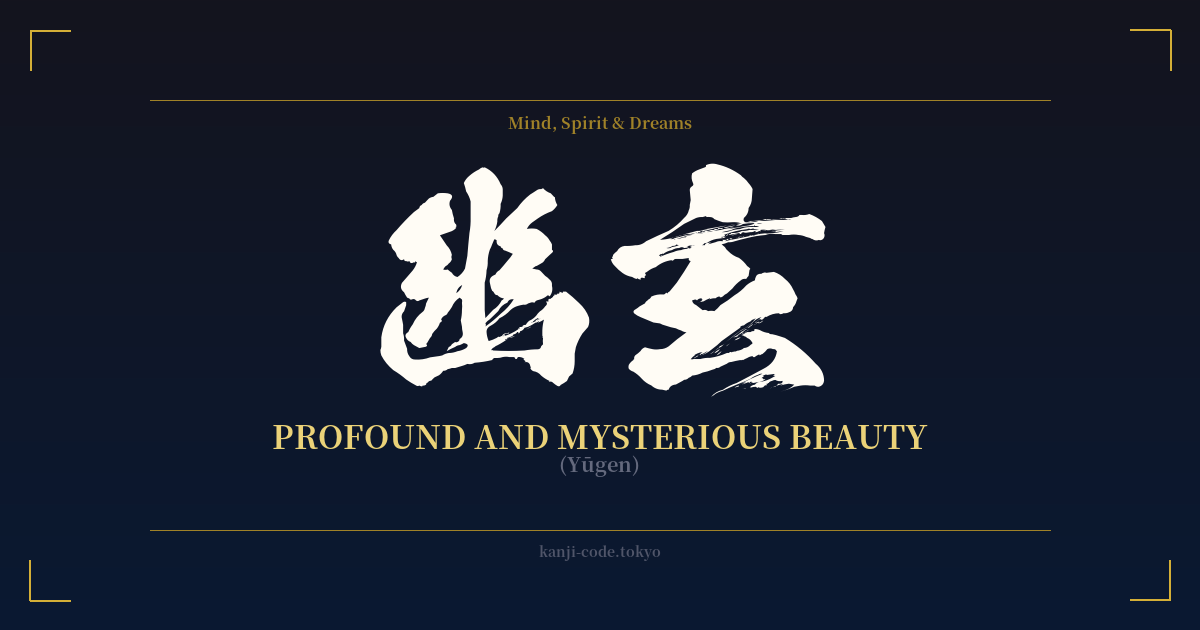
✍️ 幽玄 (Yūgen) — Cultural Context
Yūgen is one of the most important, and often elusive, concepts in traditional Japanese aesthetics. It doesn't have a simple, direct translation. While often described as 'mysterious profundity' or 'subtle grace,' Yūgen is less a thing to be seen and more a feeling to be experienced. It refers to a deep, quiet beauty that is suggested rather than explicitly stated.
Imagine watching a ship disappear behind a distant island, seeing the moon partially obscured by a passing cloud, or wandering through a forest veiled in mist. The beauty in these scenes lies not in what is fully visible, but in the unseen depths that are hinted at. Yūgen is the feeling that arises from contemplating what is beyond our immediate perception, evoking a sense of the vast and the profound.
The concept has roots in Chinese philosophical and literary thought but was fully developed and crystalized in medieval Japan. The most famous proponent of Yūgen was Zeami Motokiyo, the legendary Noh theater actor and playwright. For Zeami, Yūgen was the highest ideal of performance. It wasn't about flashy movements or loud declarations but about conveying the deepest emotions through subtle, controlled, and elegant gestures. The goal was to create an atmosphere of profound beauty that would resonate deeply with the audience's heart.
Beyond Noh theater, the spirit of Yūgen permeates many other Japanese arts. In waka poetry, it's found in verses that evoke a rich emotional landscape with just a few carefully chosen words. In sumi-e (ink wash painting), it's the empty space (yohaku) that gives form and meaning to the painted subjects. In Japanese garden design, it's the winding path that hides what's around the corner, encouraging a slow, contemplative journey.
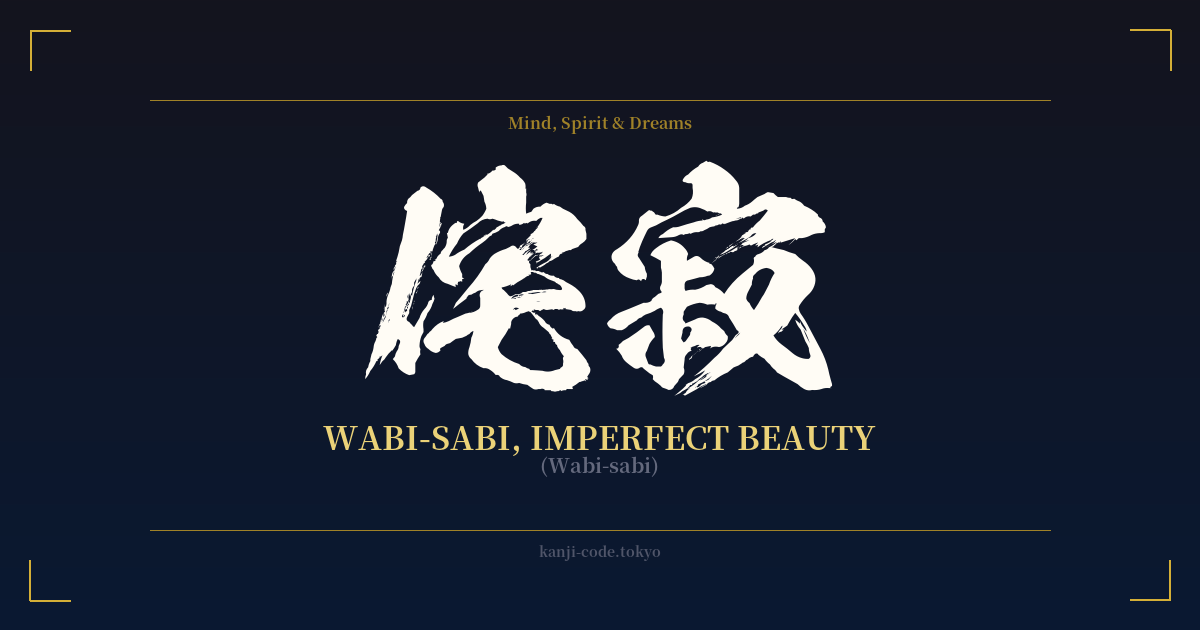
Yūgen is often discussed alongside other aesthetic concepts like Wabi-Sabi (the beauty of imperfection) and Mono no Aware (the pathos of things). While they are related, Yūgen is distinct. It is less about decay or sadness and more about a timeless, elegant, and otherworldly grace. It is the quiet recognition of a beauty that is too deep for words, a powerful feeling that connects us to the subtle mysteries of the world.
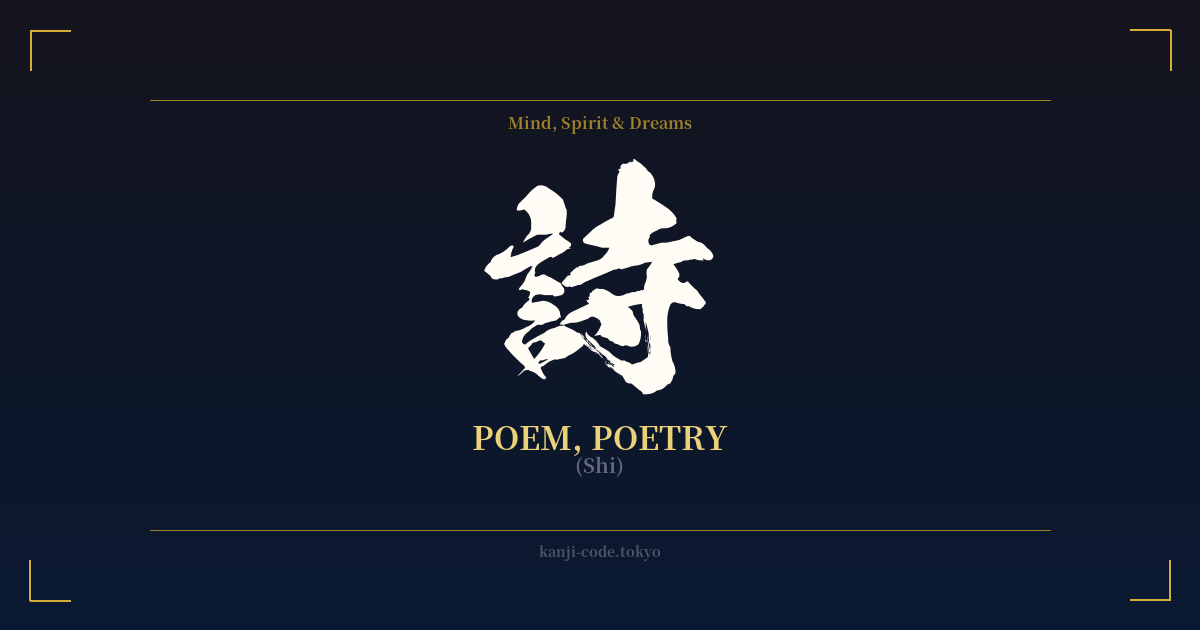
🖌️ Font Styles for 幽玄
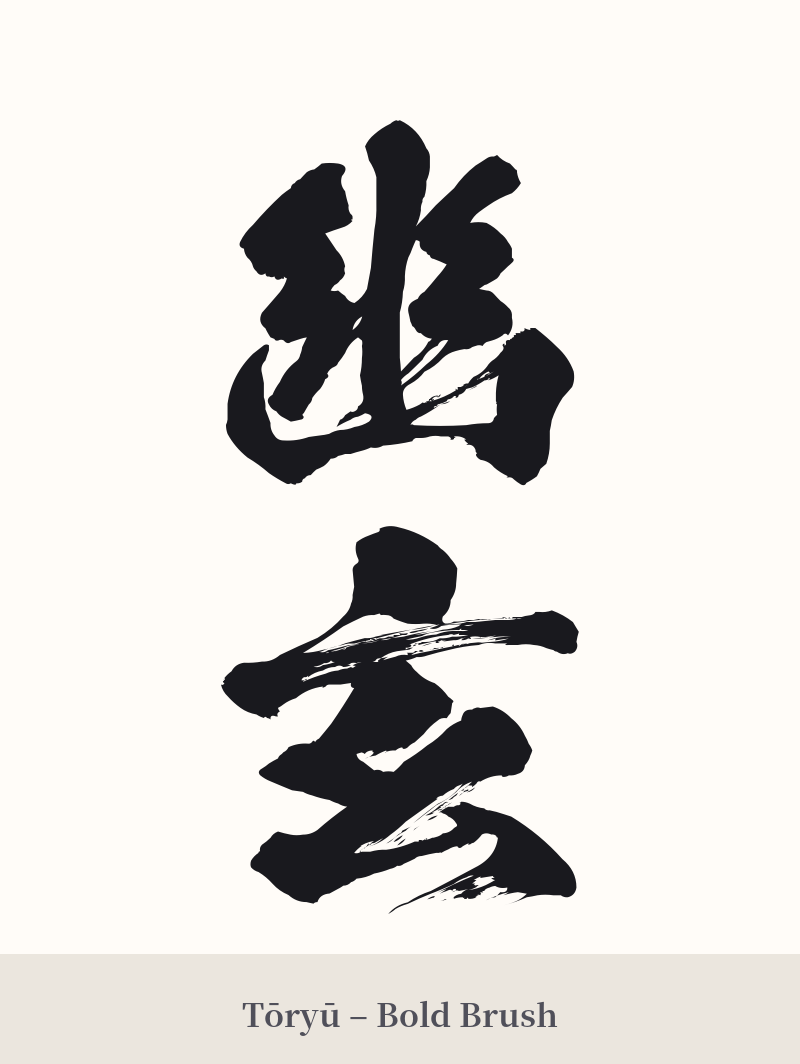
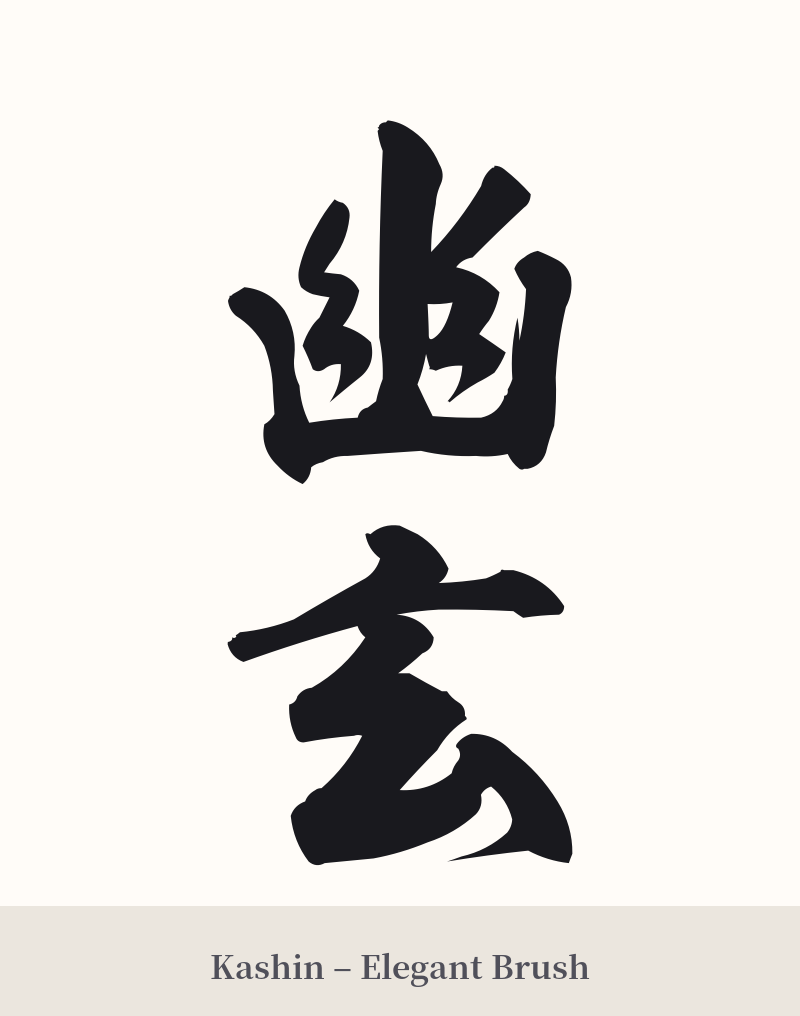
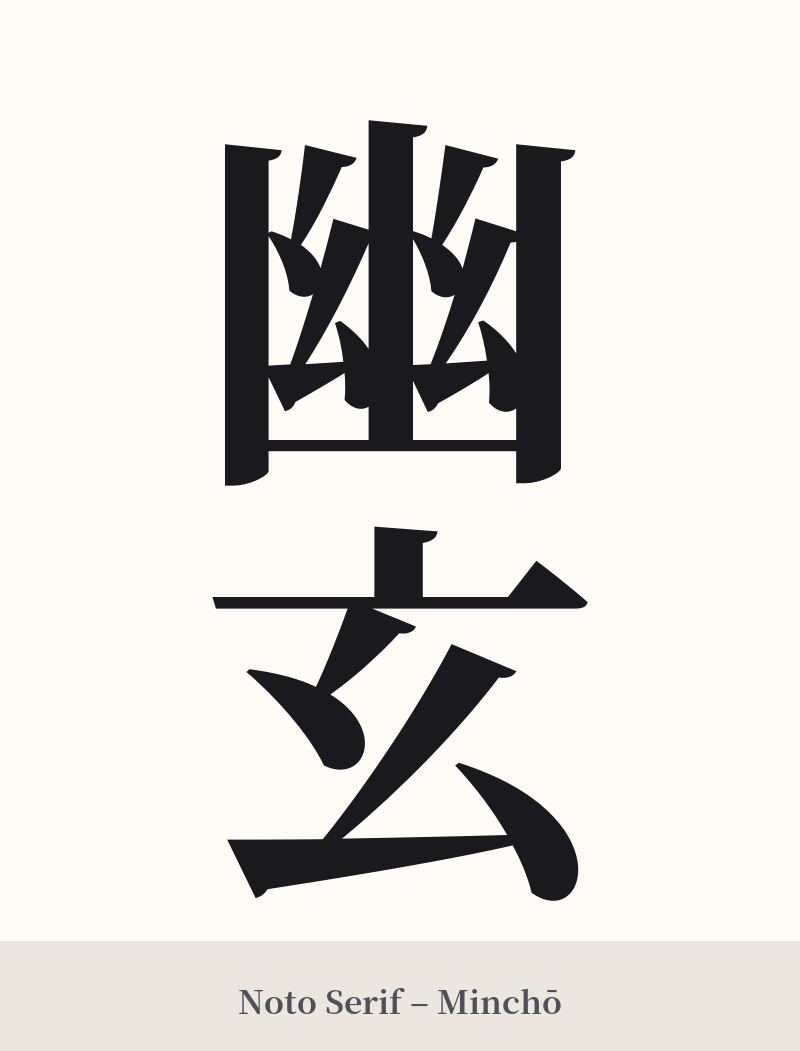
The same kanji can look dramatically different depending on the calligraphy style. Choose a font that matches the mood you want for your tattoo or design.
🎨 Tattoo Suitability
📐 Tattoo Design Guide
The profound and subtle nature of Yūgen lends itself well to elegant and thoughtful tattoo designs.
– Placement: Vertical alignment is highly recommended to accentuate the flow of the characters. Consider placing it along the forearm, the spine, the ribs, or the calf. For a horizontal design, the clavicle, upper back, or chest are excellent choices.
– Font Style: Calligraphic styles are a perfect match. A semi-cursive script (gyōsho) can capture the balance between legibility and artistic flow. For a more abstract and expressive feel, a full cursive script (sōsho) embodies the elusive nature of Yūgen. A clean, classic Mincho (serif) font also works well for a more stately and minimalist look.
– Visual Tips: While the kanji alone is powerful, you could subtly incorporate elements that evoke Yūgen. Consider a background of soft, misty clouds, a few falling maple leaves, or the silhouette of a pine branch. The key is to keep these elements suggestive and not overpowering, letting the kanji remain the focus.
Comments