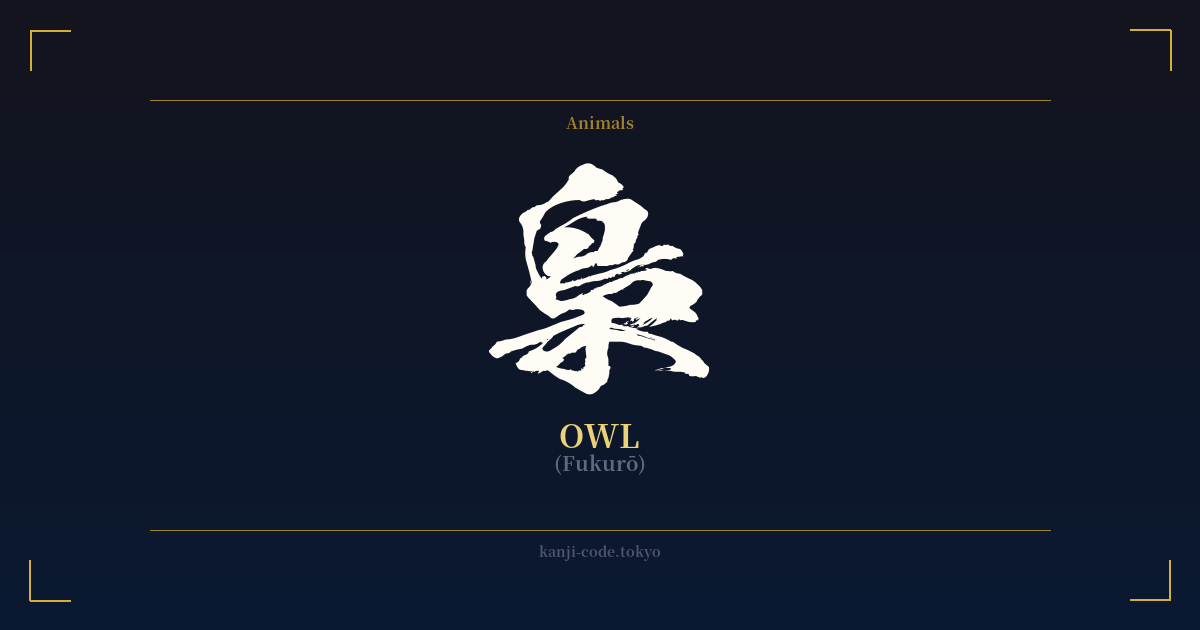
✍️ 梟 (Fukurō) — Cultural Context
The kanji 梟 (Fukurō), meaning owl, carries a fascinating duality in Japanese culture, embodying both light and shadow, fortune and mystery.
On one hand, the owl is a powerful symbol of good luck and protection. This stems from a clever play on words. The Japanese word for owl, 'fukurō,' can be written with different kanji to mean 'no hardship' (不苦労) or 'full of luck' (福来郎). Because of this, owl charms are popular souvenirs, believed to ward off suffering and invite good fortune into the home. They are seen as wise guardians, their ability to see in the dark representing insight and the power to overcome obstacles.
This association with wisdom is shared with many Western cultures. As silent, observant hunters of the night, owls are often linked to scholars, sages, and the pursuit of knowledge. They represent a calm, steady intelligence that can perceive truths hidden from others.
However, the owl's nocturnal nature also gives it a more mysterious and sometimes ominous dimension. As creatures of the night, they are connected to the spirit world, the unknown, and the shadows. In some older folklore, the hoot of an owl was considered a bad omen. This isn't necessarily 'evil,' but rather a sign that one is close to the boundary between the physical and the supernatural.
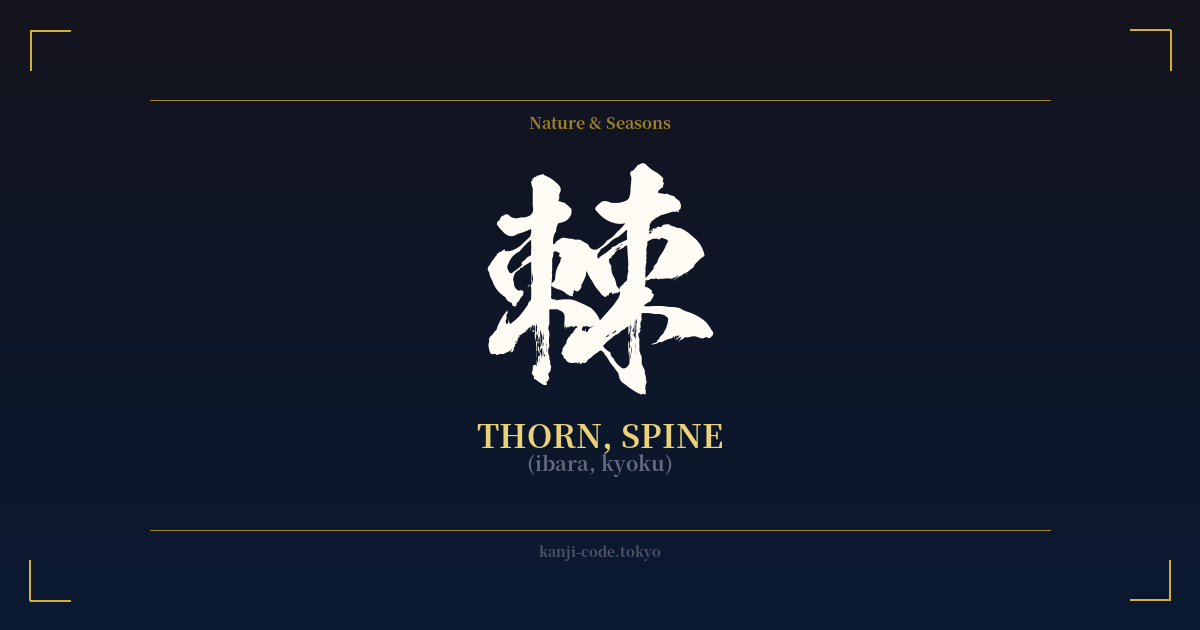
This darker side is cemented in an archaic and rather grim usage of the character 梟. The word 梟首 (kyōshu) historically referred to the practice of gibbeting—displaying a severed head for public view as a warning. The kanji itself, a combination of 木 (tree) and 鳥 (bird), was morbidly interpreted as a head hanging from a tree. While this meaning is now obscure and primarily historical, it adds a layer of formidable, dark power to the character that persists in its aura.
Today, the positive associations of luck and wisdom far outweigh the darker ones in everyday life. Yet, for those drawn to its design, 梟 offers this compelling blend: a wise protector, a bringer of good fortune, and a silent, powerful master of the night.
🖌️ Font Styles for 梟
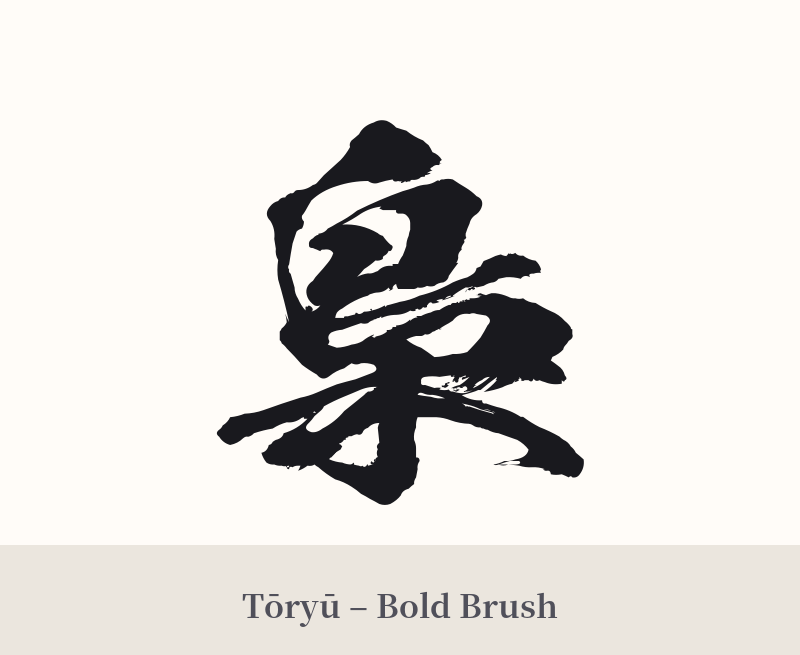
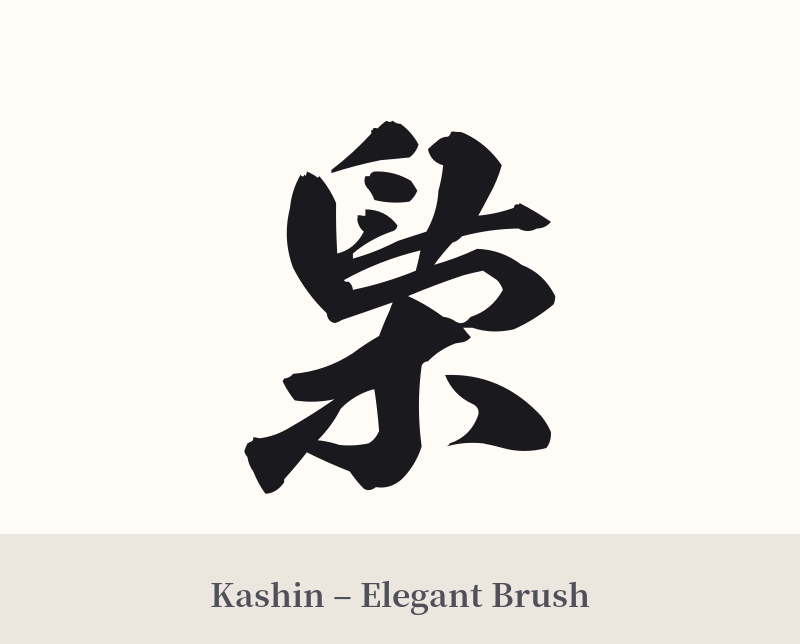
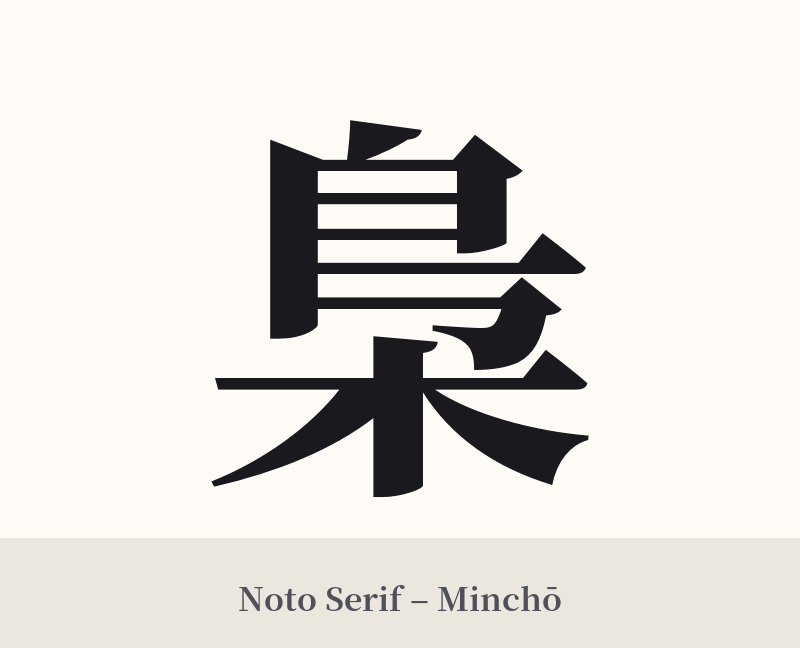
The same kanji can look dramatically different depending on the calligraphy style. Choose a font that matches the mood you want for your tattoo or design.
🎨 Tattoo Suitability
📐 Tattoo Design Guide
The kanji 梟 is visually complex and balanced, making it a strong centerpiece for a tattoo. Its design lends itself to various artistic interpretations.
– Placement: This character needs space for its details to shine. Consider flatter, larger areas like the forearm, calf, back, or shoulder blade. Avoid placing it on areas with too much curve or movement, which could distort its form.
– Style: For a powerful and traditional look, a bold calligraphy (shodō) style is an excellent choice. An artist can use dynamic brushstrokes to give it a sense of life and energy. It also works beautifully within a larger Japanese traditional (Irezumi) piece, perhaps accompanied by a moon, maple leaves, or a gnarled pine branch.
– Visual Tips: A skilled artist can emphasize the 'eye' like components at the top of the character, enhancing its owlish feel. You could also consider a design that integrates the kanji with a realistic or stylized illustration of an owl, having one element flow into the other.
Comments