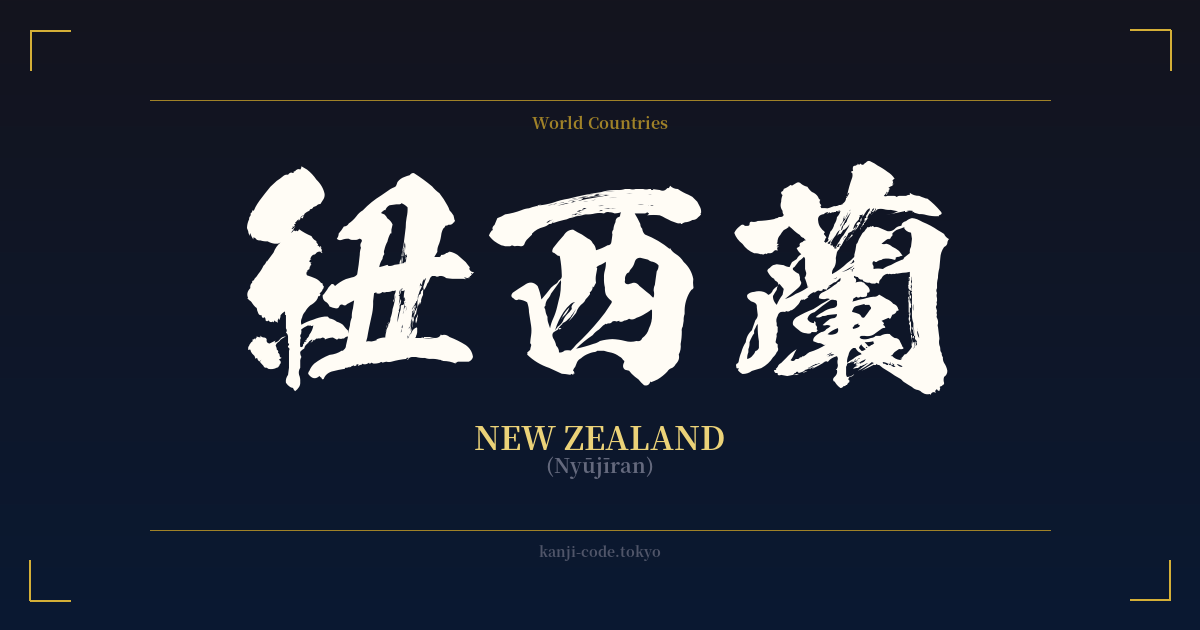
✍️ 紐西蘭 (Nyūjīran) — Cultural Context
The Japanese word 紐西蘭 (Nyūjīran) for New Zealand is a classic example of a practice known as ateji (当て字). In ateji, kanji characters are used for their phonetic values to represent foreign words, rather than for their literal meanings. This method was particularly common during the Meiji Restoration (late 19th century) when Japan rapidly modernized and needed to create names for foreign countries, concepts, and objects.
Instead of creating new symbols, scholars and officials combed through the vast library of existing kanji to find characters whose sounds approximated the foreign pronunciation. The result is a fascinating linguistic tapestry where the individual meanings of the kanji are secondary, and often completely irrelevant, to the word's overall meaning.
In the case of 紐西蘭, the characters were chosen to mimic the sounds of "New Zealand." 紐 (nyū), 西 (jī, a variant reading), and 蘭 (ran) combine to form "Nyūjīran." The literal meanings—"string," "west," and "orchid"—have no direct connection to the country itself. Any perceived poetic link is purely coincidental, a happy accident of phonetic matching.
This is a crucial point of understanding. While one could try to create a romantic story about "the land of western orchids tied by a string," it would be a fabrication. For Japanese people, these characters simply spell out the name of the country in an older, more formal style.
Today, the use of 紐西蘭 is quite rare. In everyday language, newspapers, and on television, the katakana script is used almost exclusively: ニュージーランド (Nyūjīrando). The kanji version is considered archaic and may only appear in highly formal documents, historical texts, or as a stylistic choice to evoke a sense of old-world classicism. Seeing it is akin to seeing "Prussia" instead of Germany or "Albion" instead of England in an English text—it signals a specific, often historical, context.
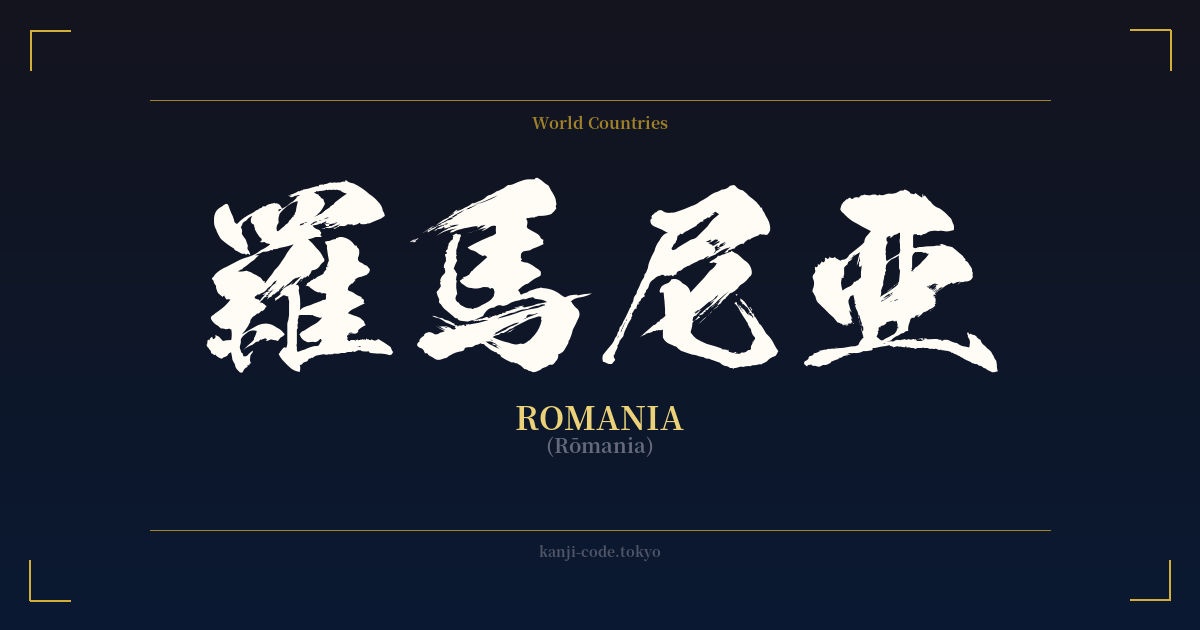
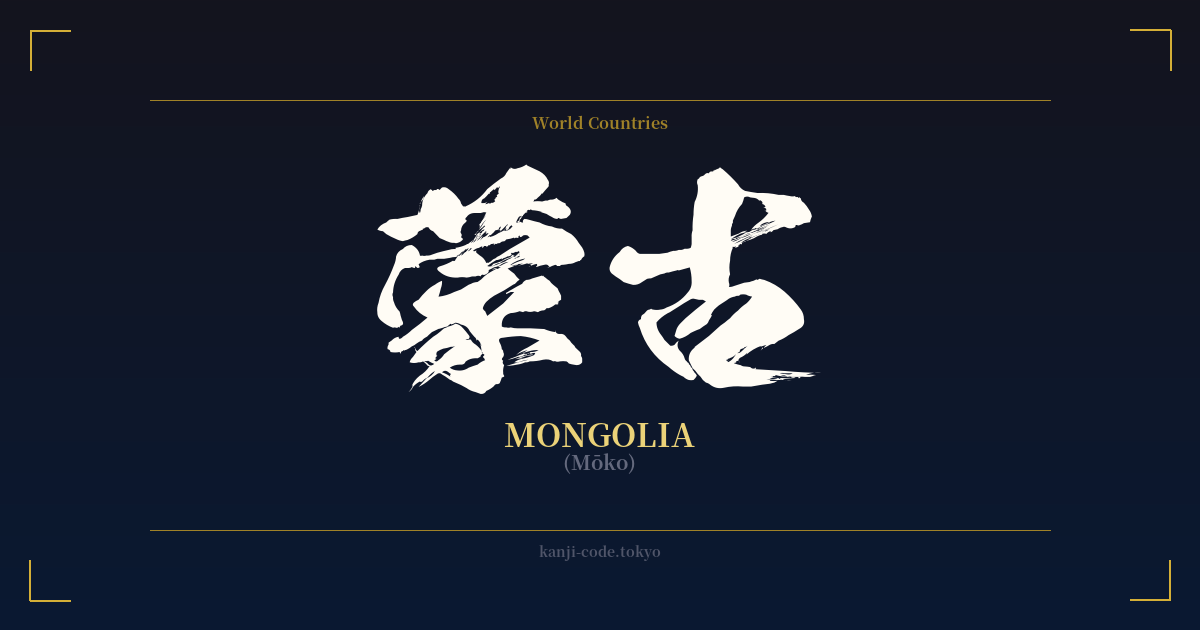
🖌️ Font Styles for 紐西蘭
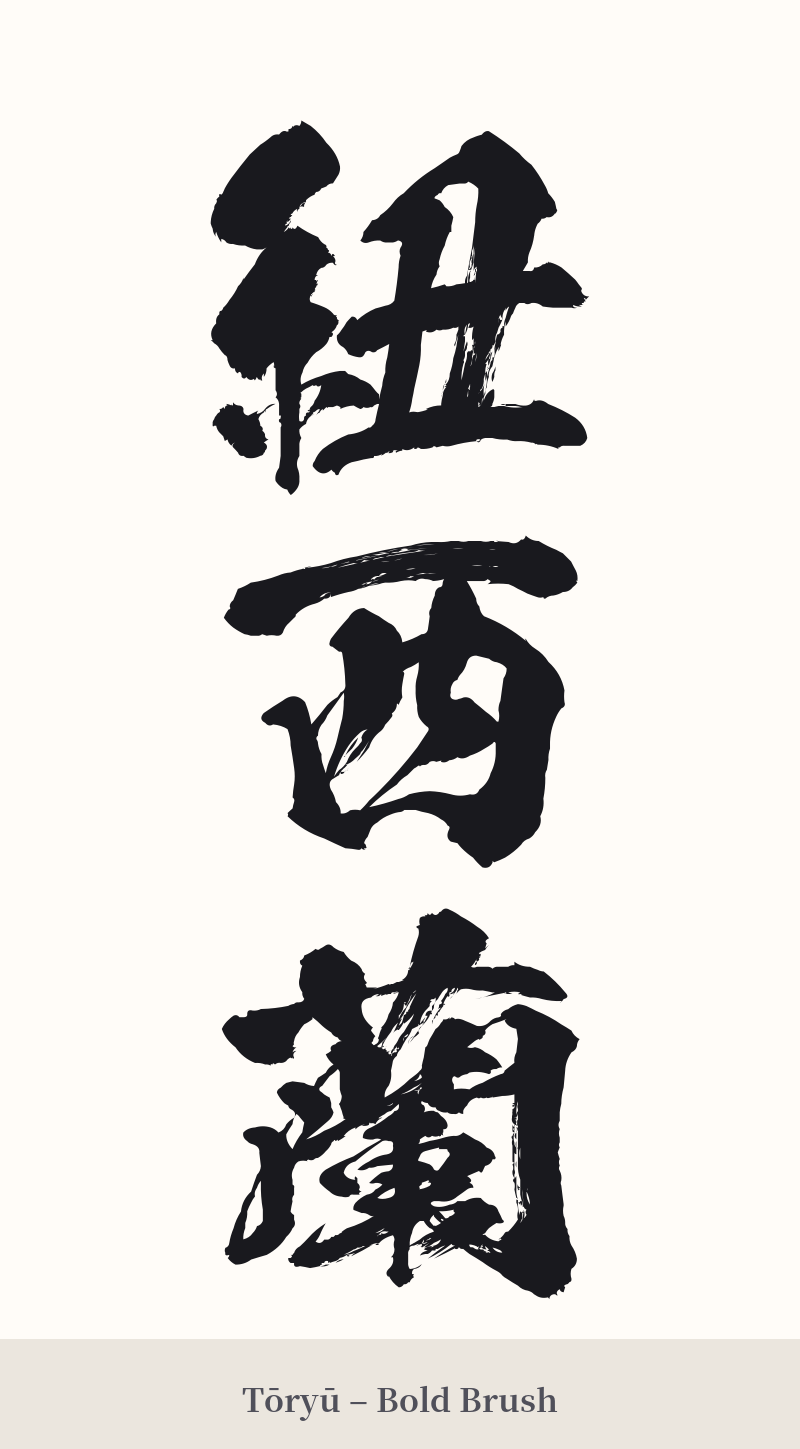
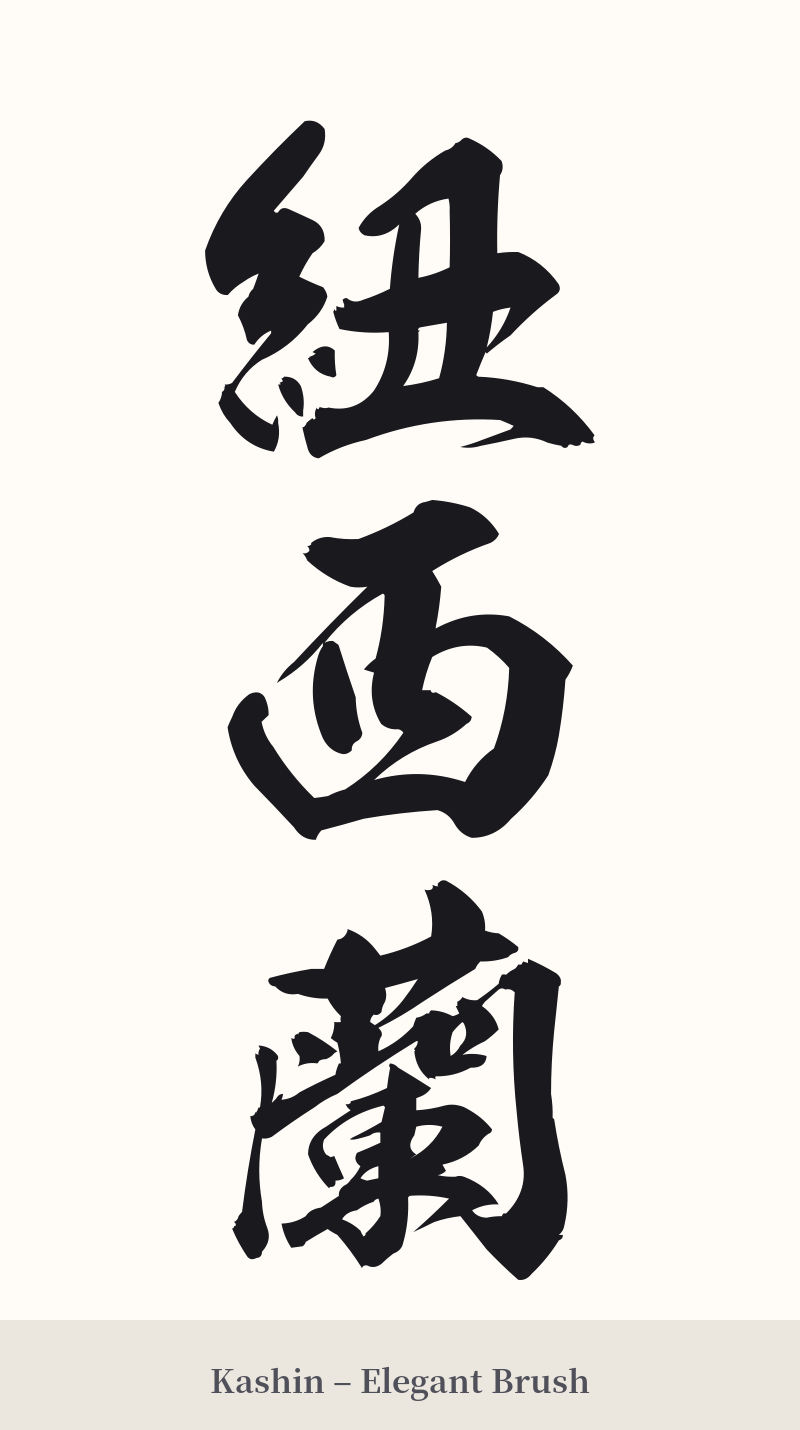
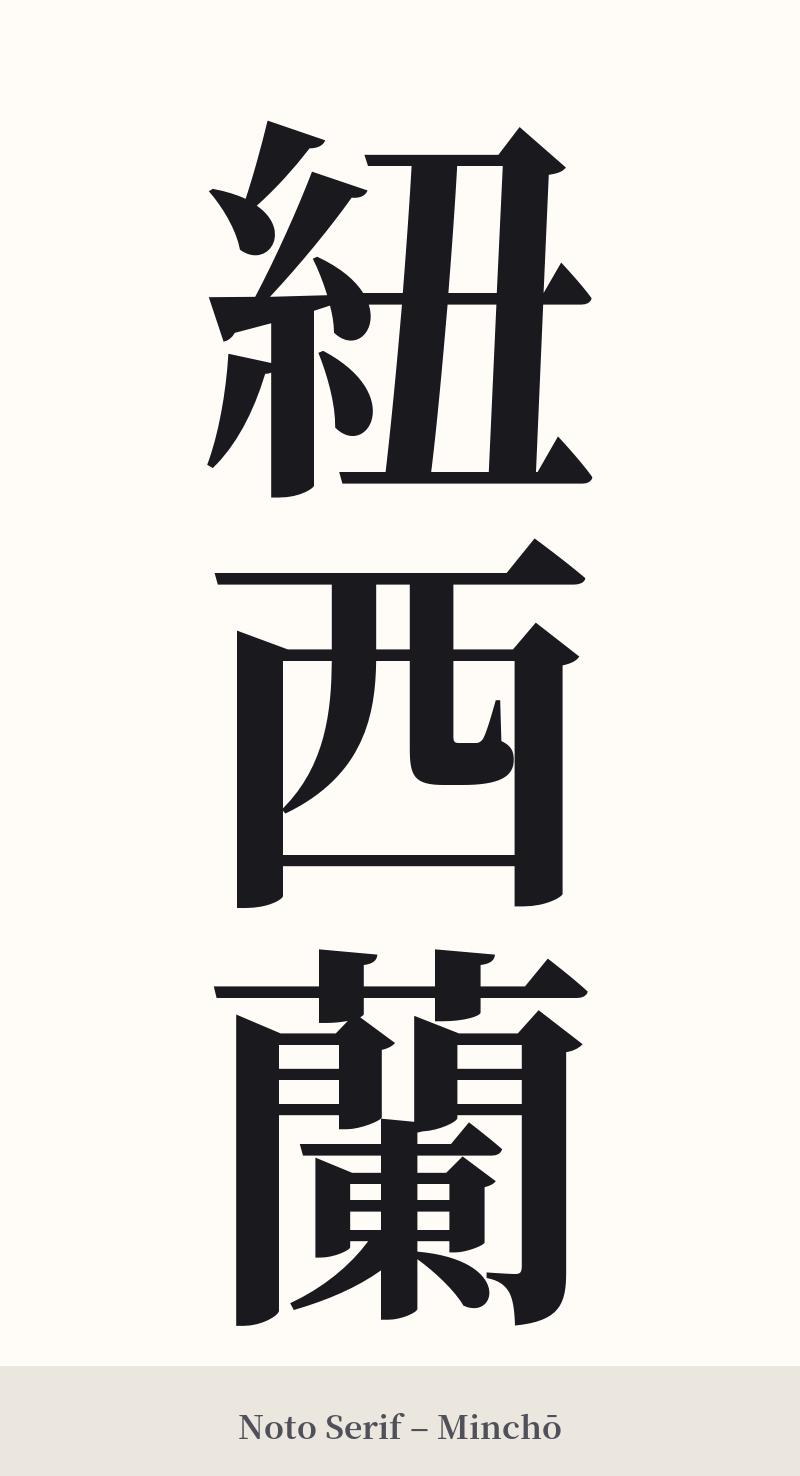
The same kanji can look dramatically different depending on the calligraphy style. Choose a font that matches the mood you want for your tattoo or design.
🎨 Tattoo Suitability
📐 Tattoo Design Guide
For a tattoo of 紐西蘭, the layout and font choice are critical due to the varying complexity of the characters.
– Placement: A vertical arrangement is highly recommended. This format is traditional for Japanese writing and gracefully accommodates the three characters. Consider the forearm, calf, or along the spine, where there is enough length for the design to flow.
– Font Style: A clear, bold font is essential. A standard Kaisho (block script) will ensure each stroke is legible, especially in the dense 蘭 character. A slightly more fluid Gyosho (semi-cursive) style could also work, but avoid highly stylized or thin fonts that could cause the 19 strokes of 蘭 to merge into an illegible blob over time.
– Visual Tips: The key to a successful design is balance. The simplicity of 西 (6 strokes) sits between the moderately complex 紐 (10 strokes) and the very intricate 蘭 (19 strokes). Ensure your tattoo artist allocates enough space for 蘭 so its details can be appreciated and don't get lost. Don't shrink the design too much; this is a word that needs a bit of size to be effective.
Comments