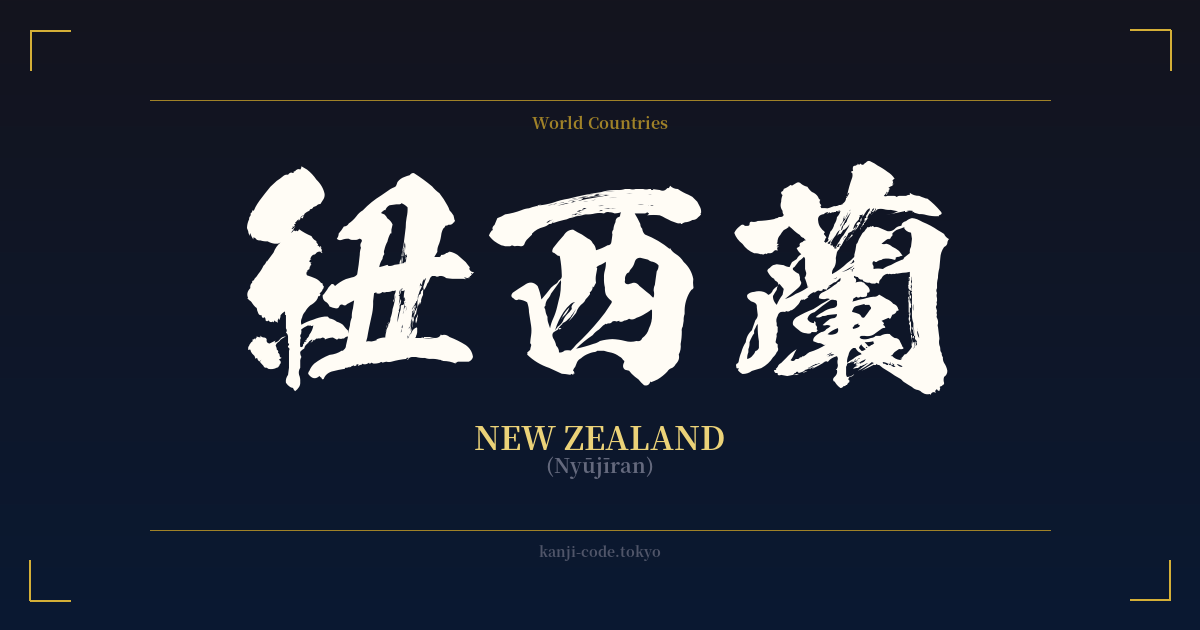
✍️ 紐西蘭 (Nyūjīran) — Contexto cultural
La palabra japonesa 紐西蘭 (Nyūjīran) para Nueva Zelanda es un ejemplo clásico de una práctica conocida como ateji (当て字). En ateji, los caracteres kanji se utilizan por sus valores fonéticos para representar palabras extranjeras, en lugar de por su significado literal. Este método fue particularmente común durante la Restauración Meiji (finales del siglo XIX), cuando Japón se modernizó rápidamente y necesitó crear nombres para países, conceptos y objetos extranjeros.
En lugar de crear nuevos símbolos, académicos y funcionarios examinaron minuciosamente el vasto repertorio de kanji existentes para encontrar caracteres cuyos sonidos se aproximaran a la pronunciación extranjera. El resultado es un fascinante tapiz lingüístico donde los significados individuales de los kanji son secundarios, y a menudo completamente irrelevantes, para el significado general de la palabra.
En el caso de 紐西蘭, los caracteres se eligieron para imitar los sonidos de "Nueva Zelanda". 紐 (nyū), 西 (jī, una variante de lectura) y 蘭 (ran) se combinan para formar "Nyūjīran". Los significados literales —"cuerda", "oeste" y "orquídea"— no tienen ninguna conexión directa con el país en sí. Cualquier posible vínculo poético es pura coincidencia, un feliz accidente fonético.
Este es un punto crucial para comprender. Si bien se podría intentar crear una historia romántica sobre "la tierra de las orquídeas occidentales atadas por un hilo", sería una invención. Para los japoneses, estos caracteres simplemente forman el nombre del país con una tipografía más antigua y formal.
Hoy en día, el uso de 紐西蘭 es bastante raro. En el lenguaje cotidiano, los periódicos y la televisión, se utiliza casi exclusivamente la escritura katakana: ニュージーランド (Nyūjīrando). La versión en kanji se considera arcaica y solo puede aparecer en documentos muy formales, textos históricos o como una elección estilística para evocar una sensación de clasicismo antiguo. Verla es similar a ver "Prusia" en lugar de Alemania o "Albión" en lugar de Inglaterra en un texto en inglés: indica un contexto específico, a menudo histórico.
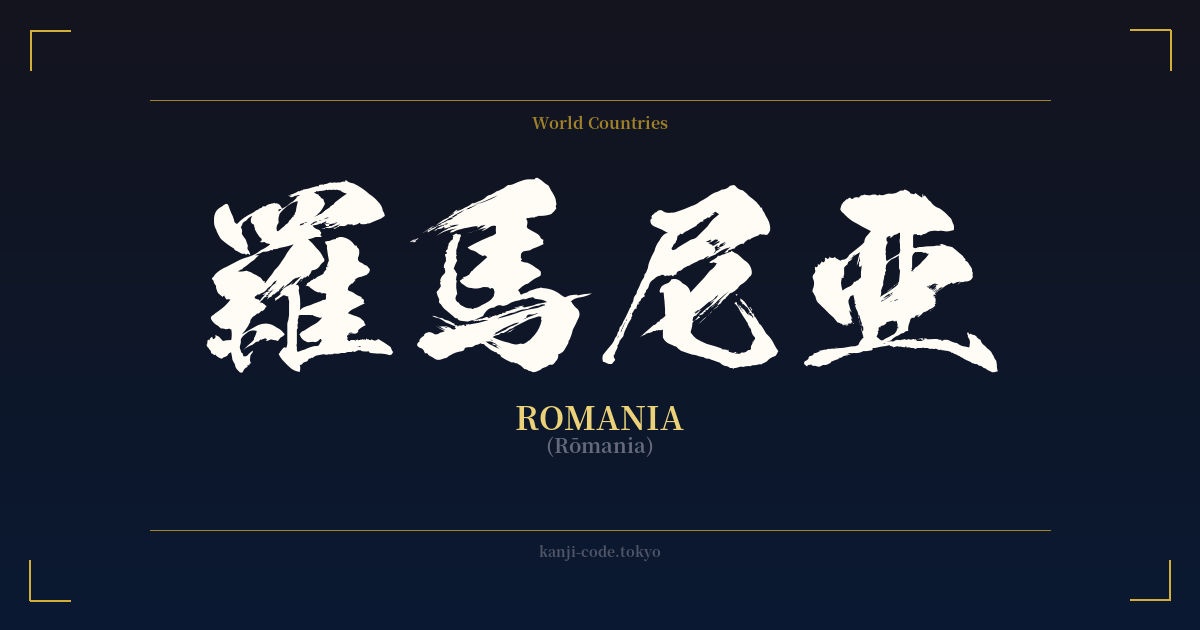
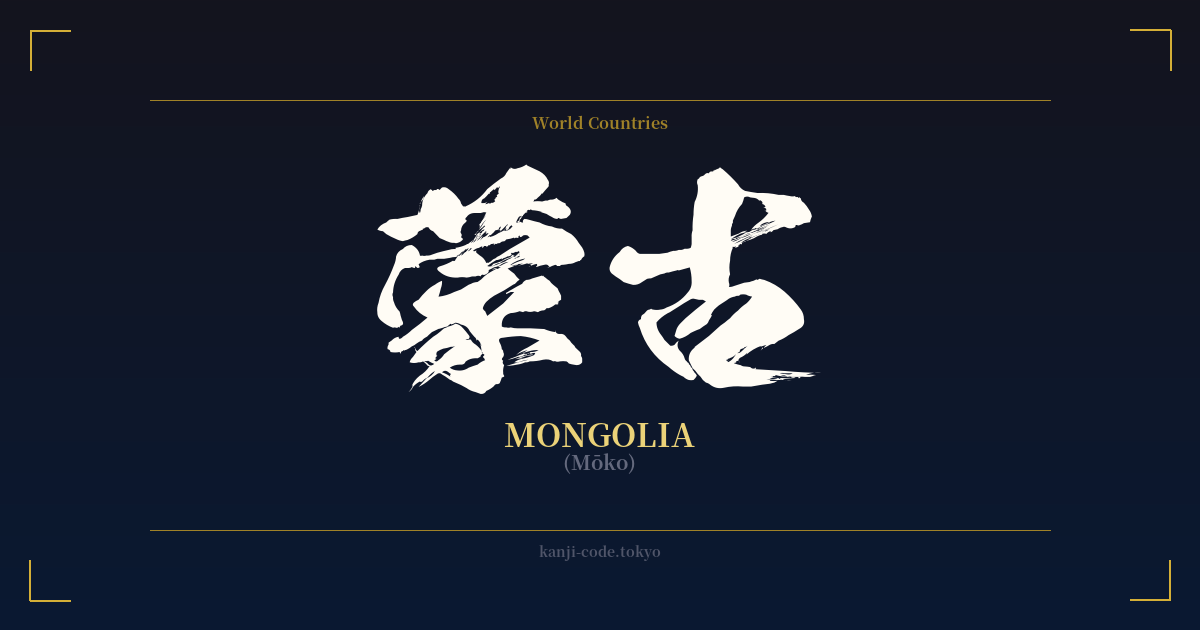
🖌️ Estilos de fuente para 紐西蘭
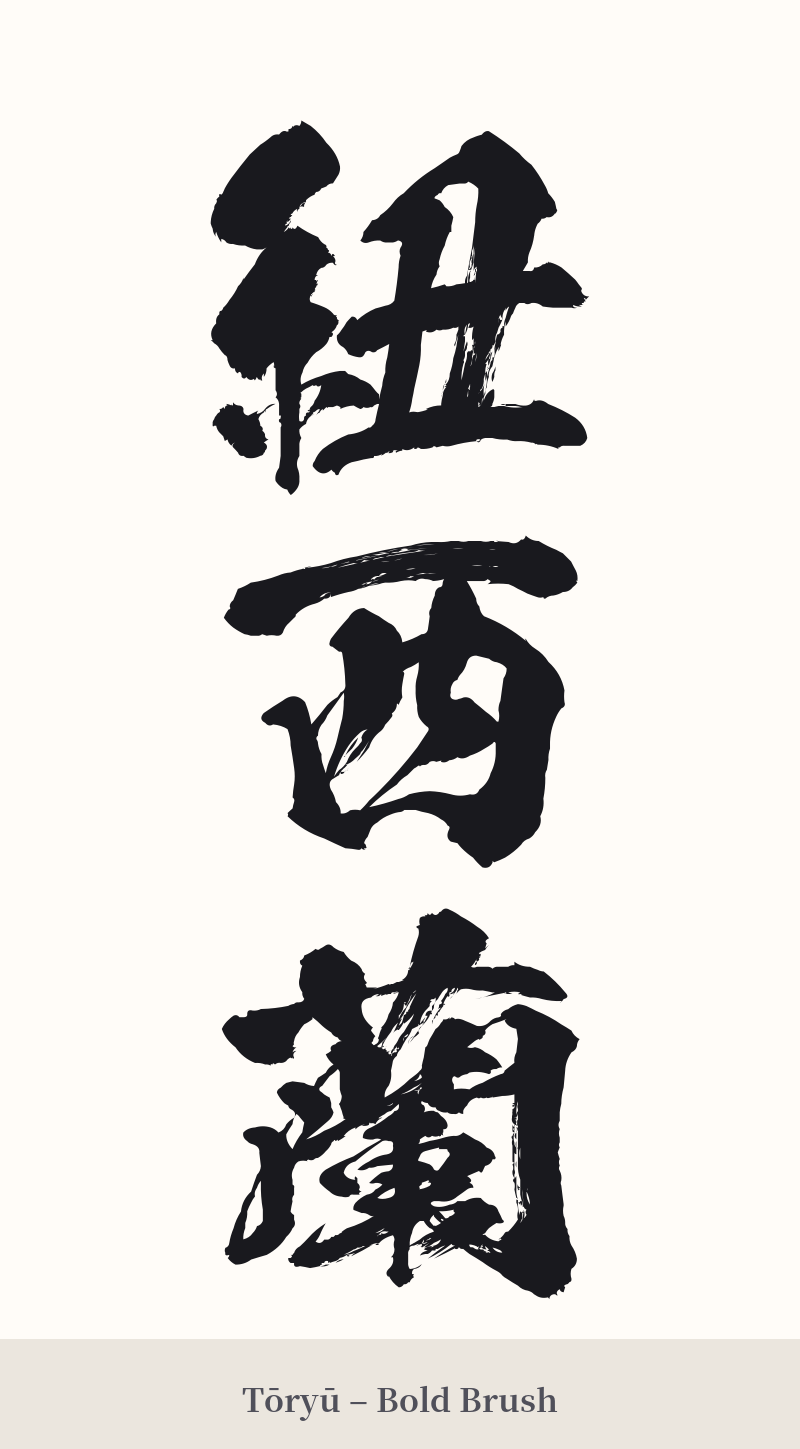
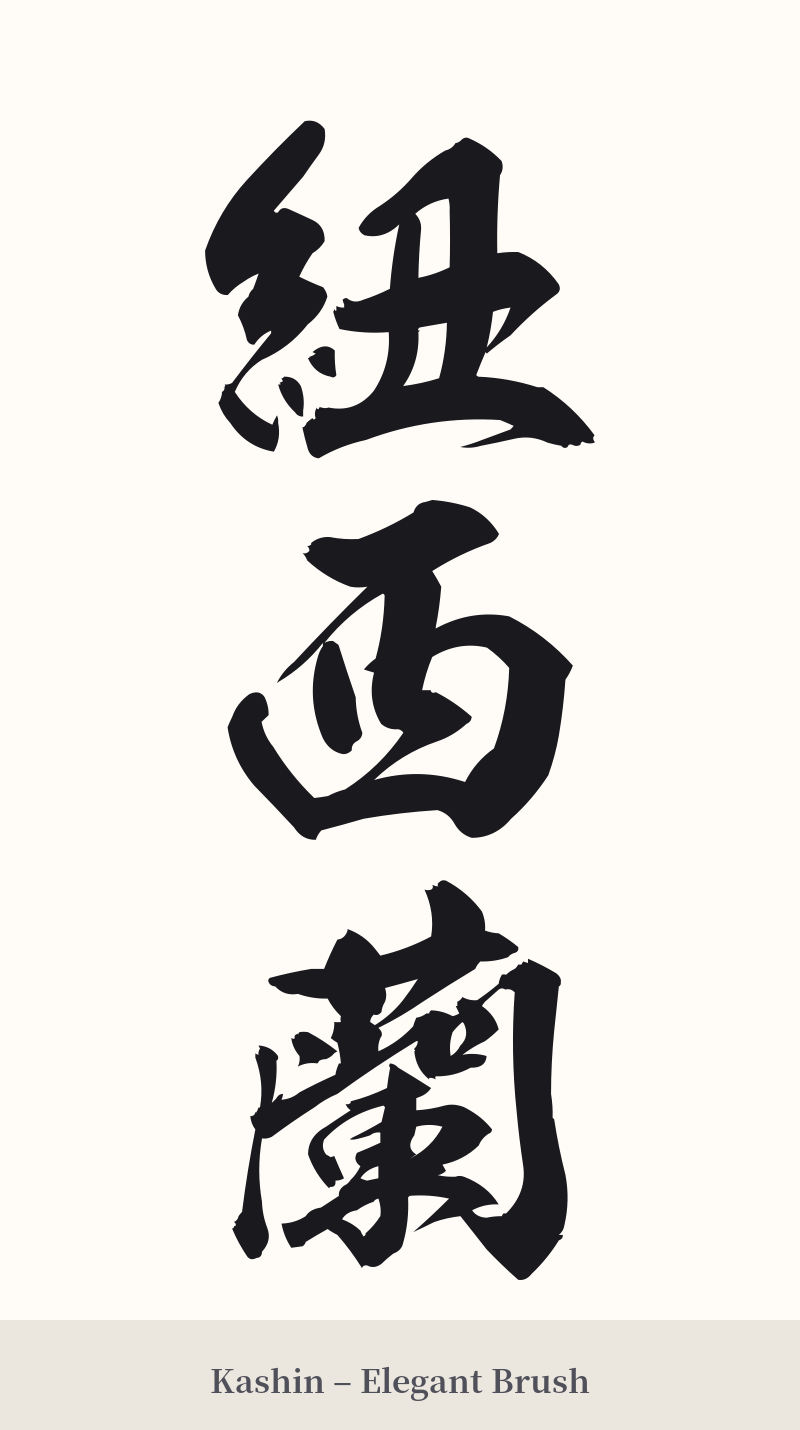
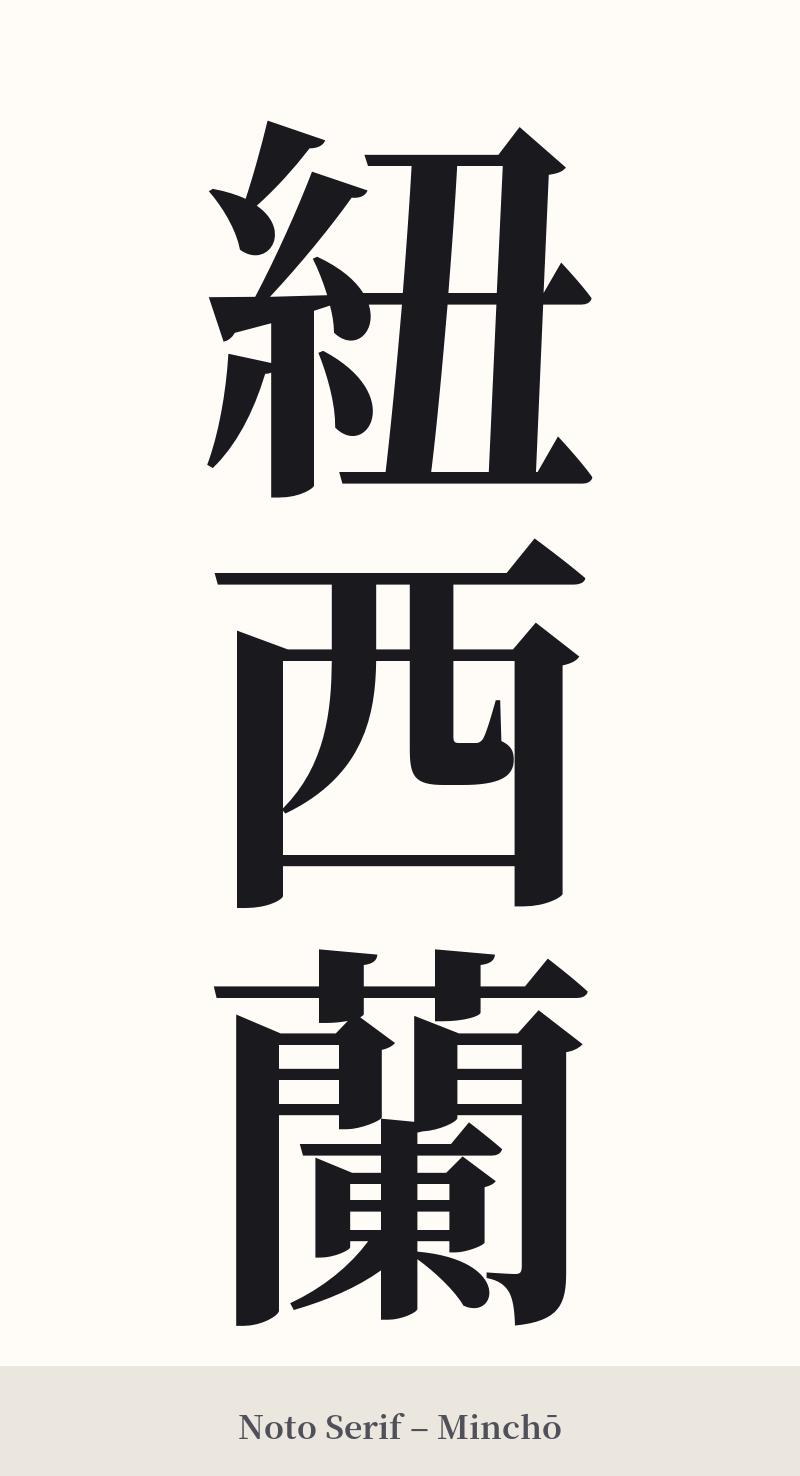
Los mismos caracteres kanji pueden verse muy diferentes según el estilo de caligrafía. Elige una fuente que se ajuste al ambiente que deseas para tu tatuaje o diseño.
🎨 Idoneidad para tatuajes
📐 Guía de diseño de tatuajes
Para un tatuaje de 紐西蘭, la disposición y la elección de la fuente son fundamentales debido a la complejidad variable de los caracteres.
– Ubicación: Se recomienda una disposición vertical. Este formato es tradicional en la escritura japonesa y permite que los tres caracteres se vean con elegancia. Considere el antebrazo, la pantorrilla o la columna vertebral, donde haya suficiente espacio para que el diseño fluya con naturalidad.
– Estilo de fuente: Es fundamental usar una fuente clara y en negrita. Una fuente Kaisho estándar (de imprenta) garantiza la legibilidad de cada trazo, especialmente en el denso carácter 蘭. Un estilo Gyosho (semicursivo) ligeramente más fluido también podría funcionar, pero evite las fuentes muy estilizadas o delgadas, ya que podrían hacer que los 19 trazos de 蘭 se fusionen en una mancha ilegible con el tiempo.
Consejos visuales: La clave para un diseño exitoso es el equilibrio. La simplicidad de 西 (6 trazos) se sitúa entre la moderadamente compleja 紐 (10 trazos) y la muy intrincada 蘭 (19 trazos). Asegúrate de que tu tatuador asigne suficiente espacio para 蘭 para que sus detalles se puedan apreciar y no se pierdan. No reduzcas demasiado el diseño; esta palabra necesita un tamaño considerable para ser efectiva.
Comentarios