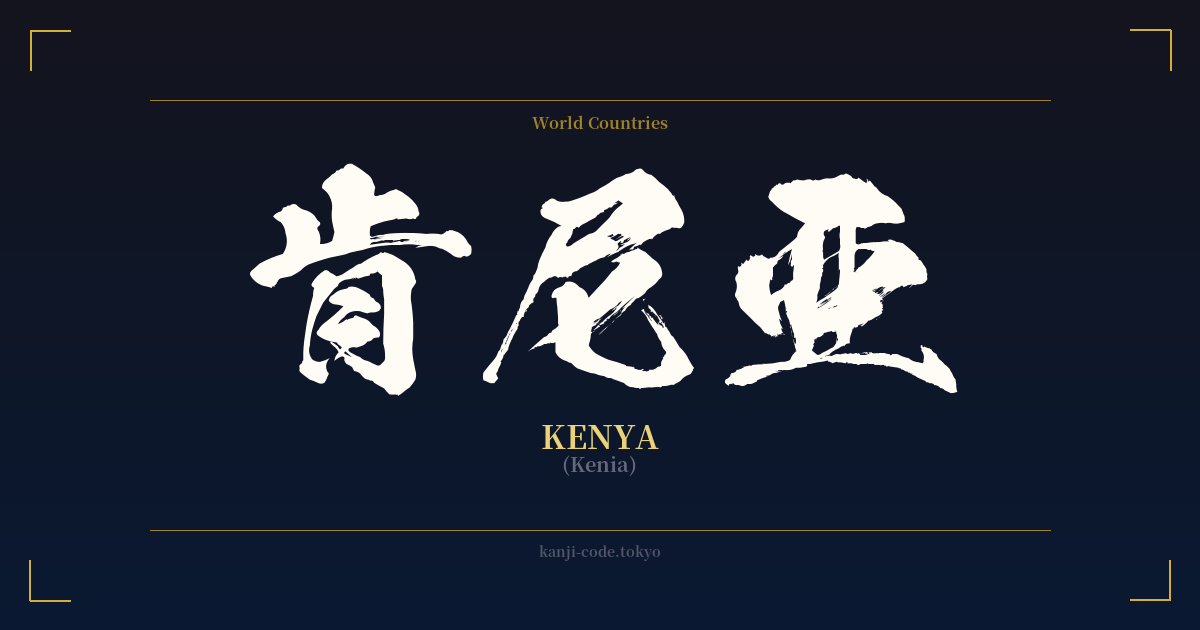
✍️ 肯尼亜 (Kenia) — Cultural Context
The characters 肯尼亜 (Kenia) represent the East African nation of Kenya in Japanese. However, this is not a word with a deep, poetic meaning. Instead, it is a prime example of a linguistic practice known as 'ateji' (当て字), where kanji are chosen solely for their phonetic sounds to represent a foreign word, completely disregarding their original meanings.
In this case, the characters were selected to mimic the sound 'Ke-ni-a'. 肯 (ken/ke) means 'consent', 尼 (ni) means 'nun', and 亜 (a) means 'Asia' or 'next'. Strung together, the literal meaning is a nonsensical 'consent-nun-Asia'. This clearly illustrates that the purpose here was purely phonetic transcription, not semantic representation.
This practice was particularly common during the Meiji Period (1868-1912) when Japan opened its borders to the world after centuries of isolation. A flood of new foreign concepts, names, and places needed to be integrated into the Japanese language. Before the widespread adoption of the katakana script for this purpose, using kanji phonetically was a standard method. You can see this with other country names as well, such as 亜米利加 (Amerika) for the USA or 仏蘭西 (Furansu) for France.
Today, the use of 肯尼亜 is considered archaic or formal. The standard, everyday way to write 'Kenya' in modern Japanese is with the katakana script: ケニア. Katakana was specifically designed to handle foreign loanwords, making it the clear and unambiguous choice in almost all contexts.
Seeing 肯尼亜 in a modern text is rare. It might be used for a stylistic, historical, or literary effect, perhaps on a formal document or in a work of art aiming for a classic feel. It stands as a fascinating linguistic artifact, a snapshot of a time when Japan was rapidly absorbing global culture and adapting its writing system to meet the challenge.
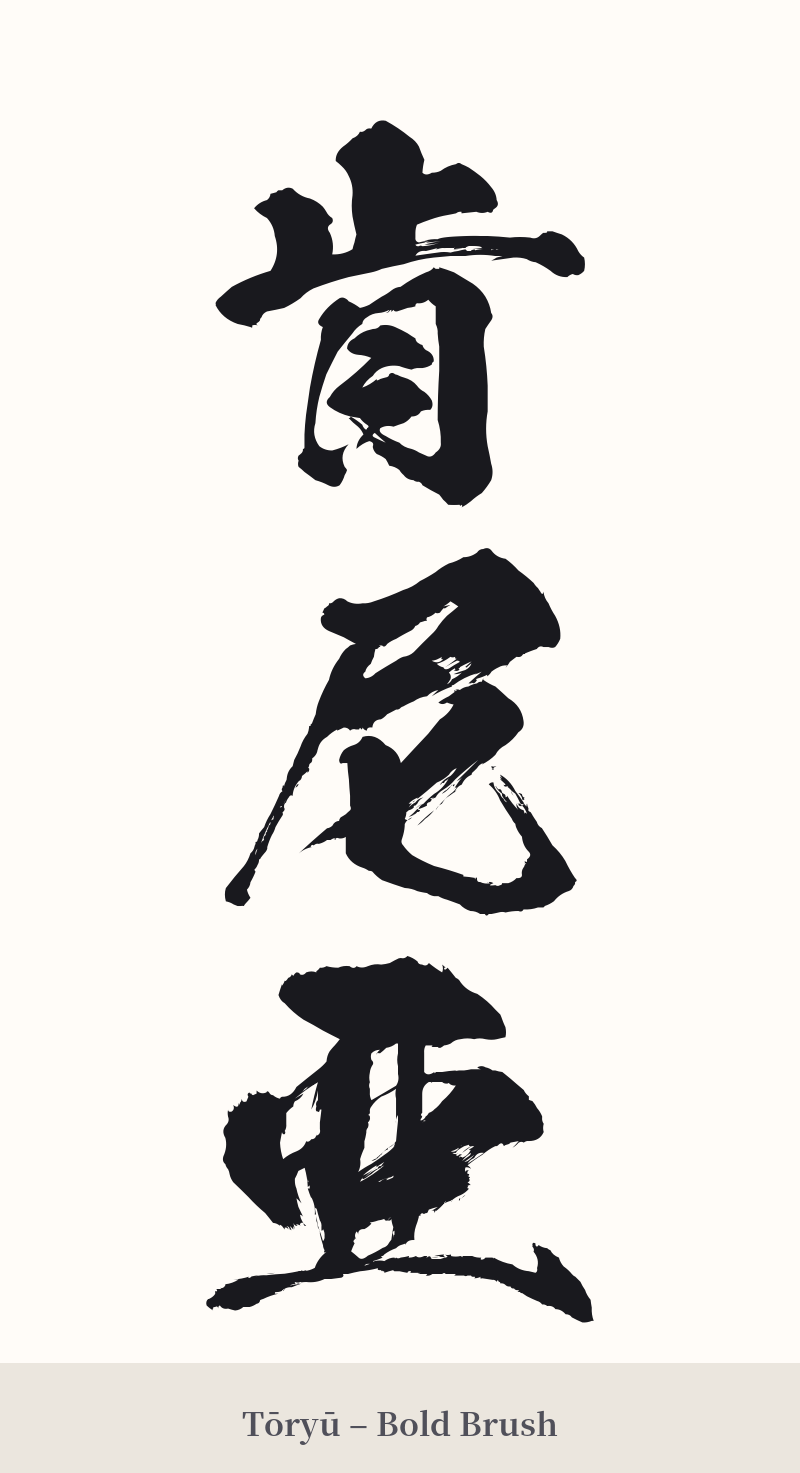
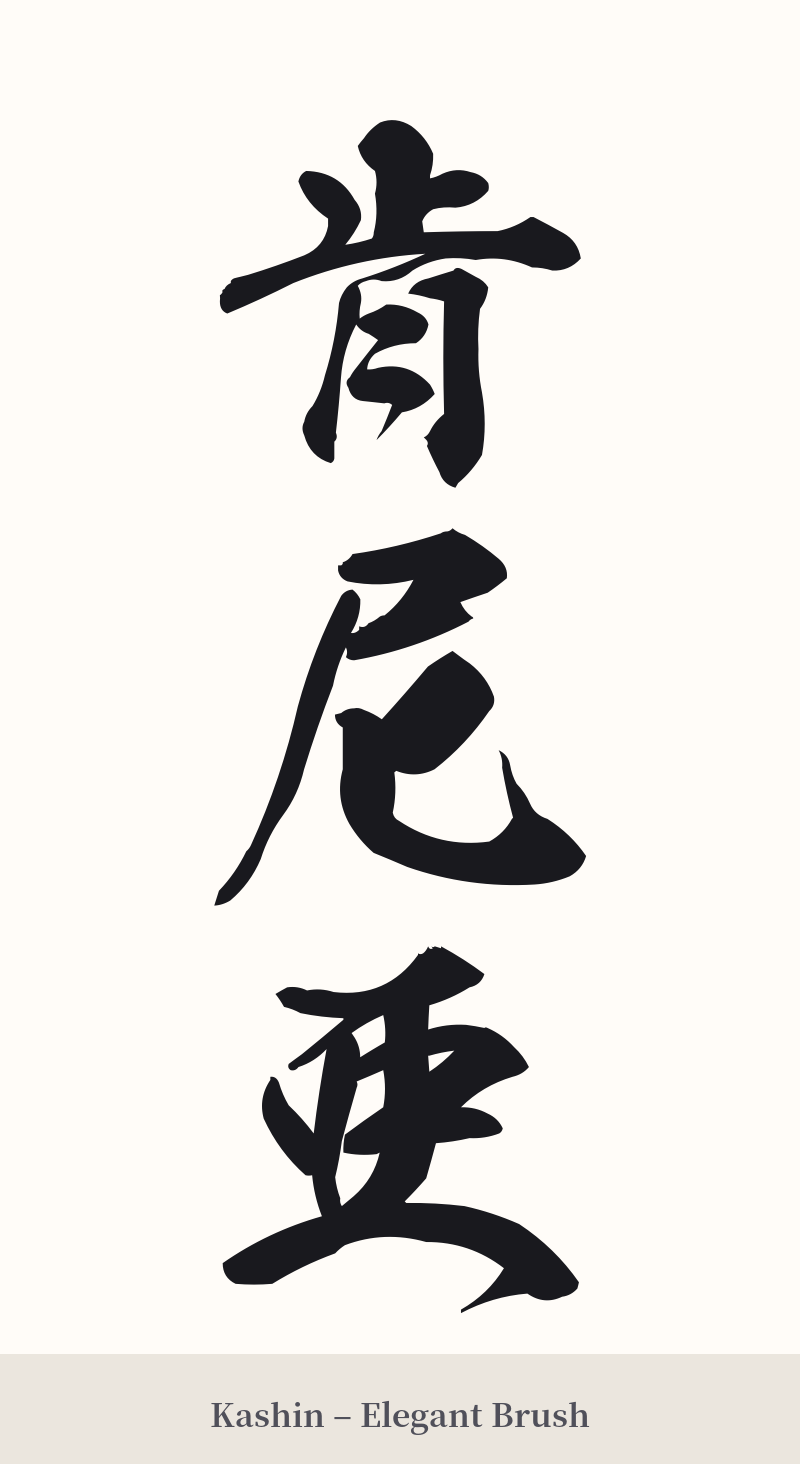
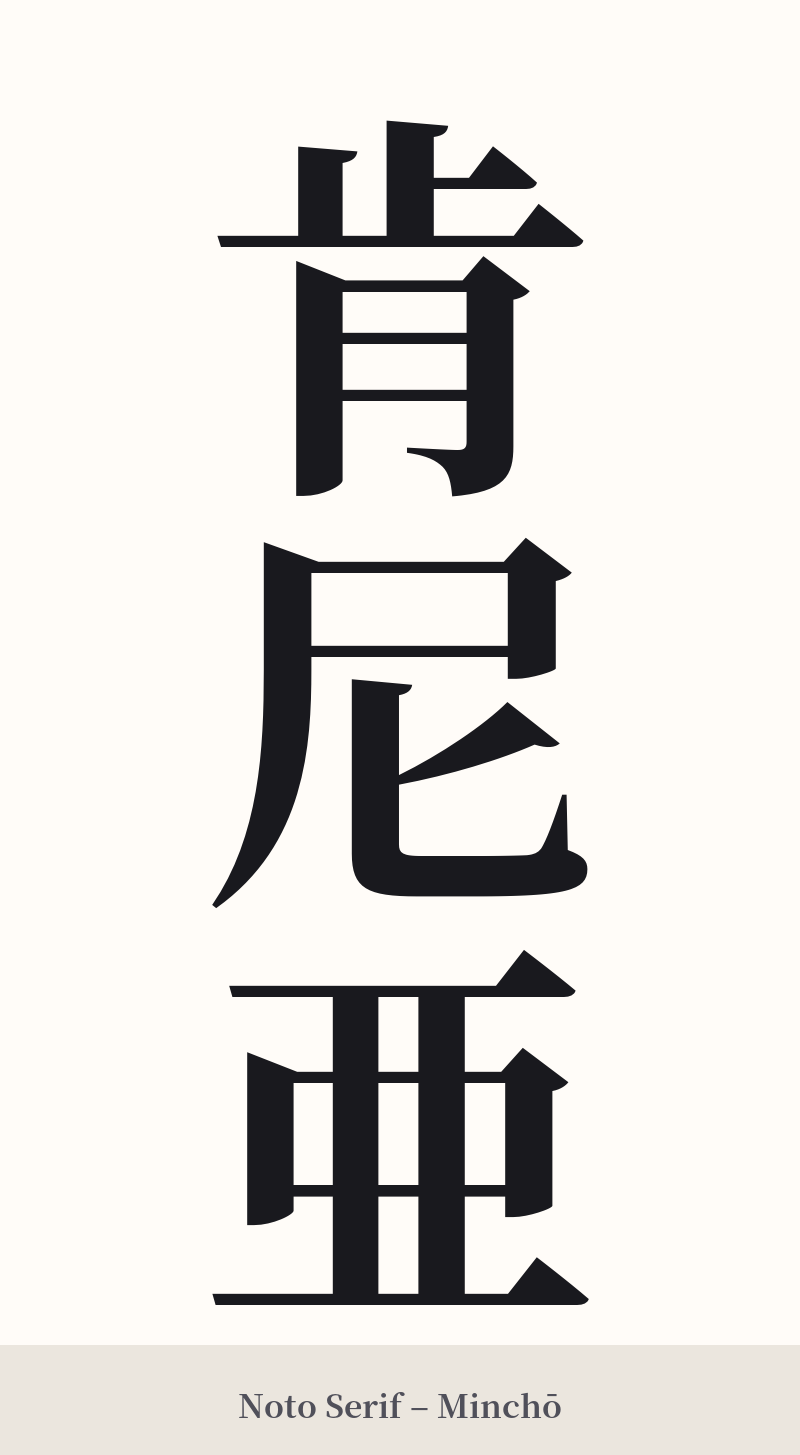
🖌️ Font Styles for 肯尼亜
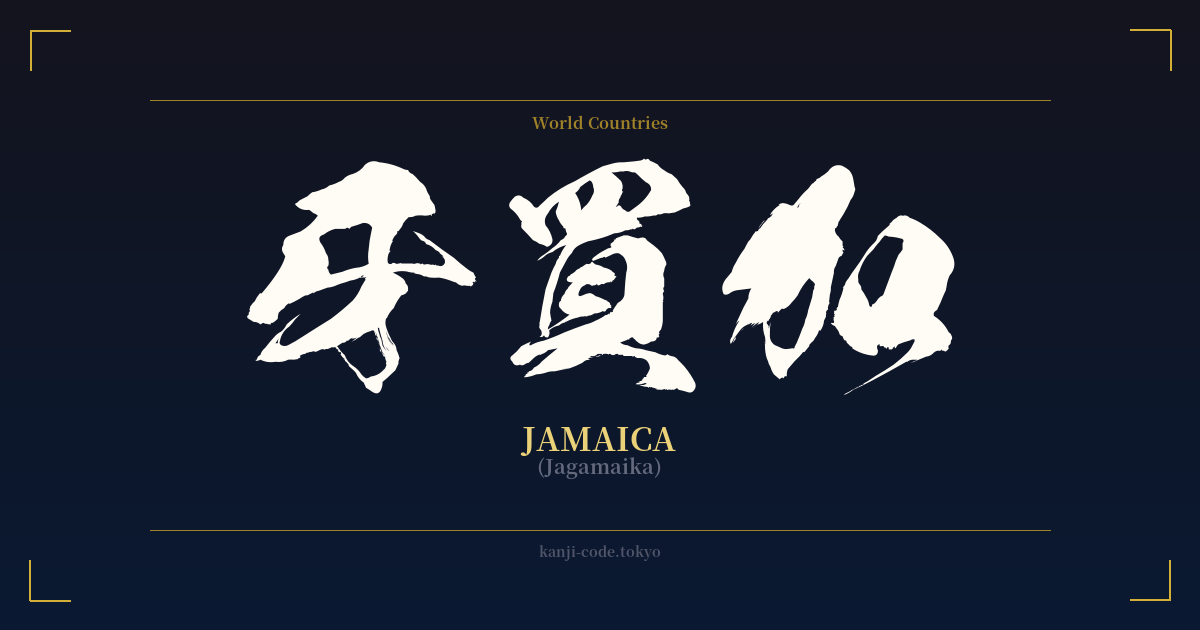
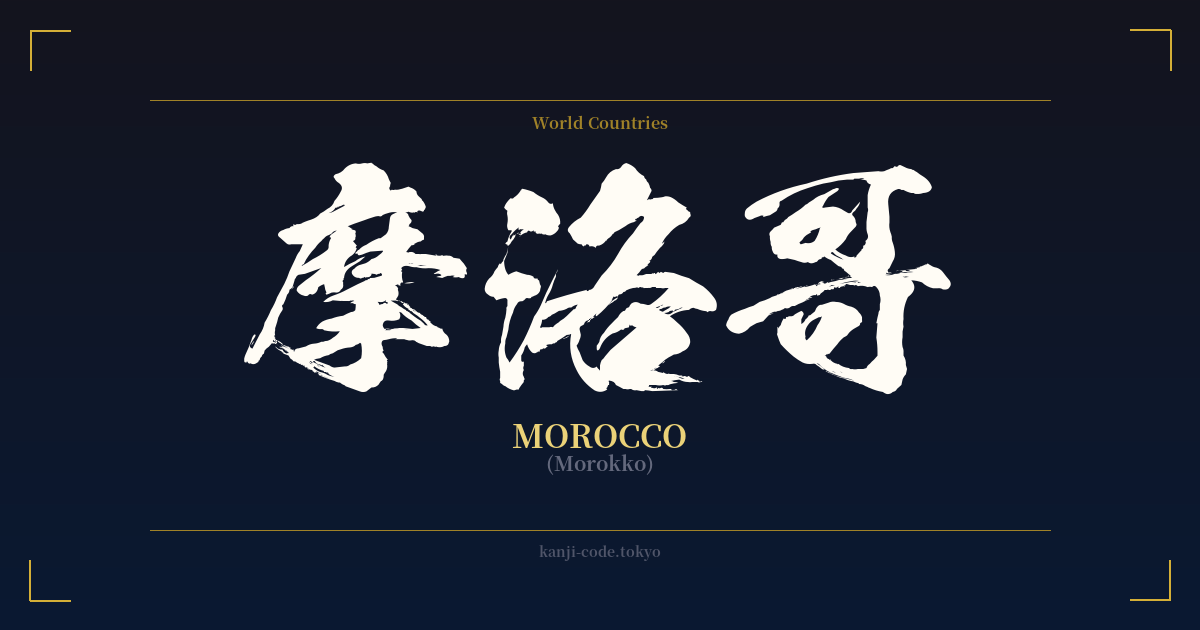
The same kanji can look dramatically different depending on the calligraphy style. Choose a font that matches the mood you want for your tattoo or design.
🎨 Tattoo Suitability
📐 Tattoo Design Guide
If you choose to tattoo 肯尼亜, the design should emphasize its classic, historical feel, as it is an archaic spelling.
– Placement: A vertical orientation is highly recommended. This three-character compound looks excellent running down the forearm, along the calf, or beside the spine. Horizontal placement is also possible on the chest or upper back.
– Font Style: Stick to traditional Japanese calligraphy styles. A bold, blocky Kaisho (楷書) script will look formal and strong. For a more fluid and artistic feel, a semi-cursive Gyosho (行書) style would be an excellent choice. Avoid modern or geometric fonts, as they would clash with the word's historical nature.
– Visual Tips: Because the characters themselves lack a connection to Kenya, consider incorporating other imagery to provide context. A design that blends the kanji with a silhouette of an acacia tree, the shape of the African continent, or an animal like a lion or elephant can create a much more meaningful and visually cohesive piece.
Comments