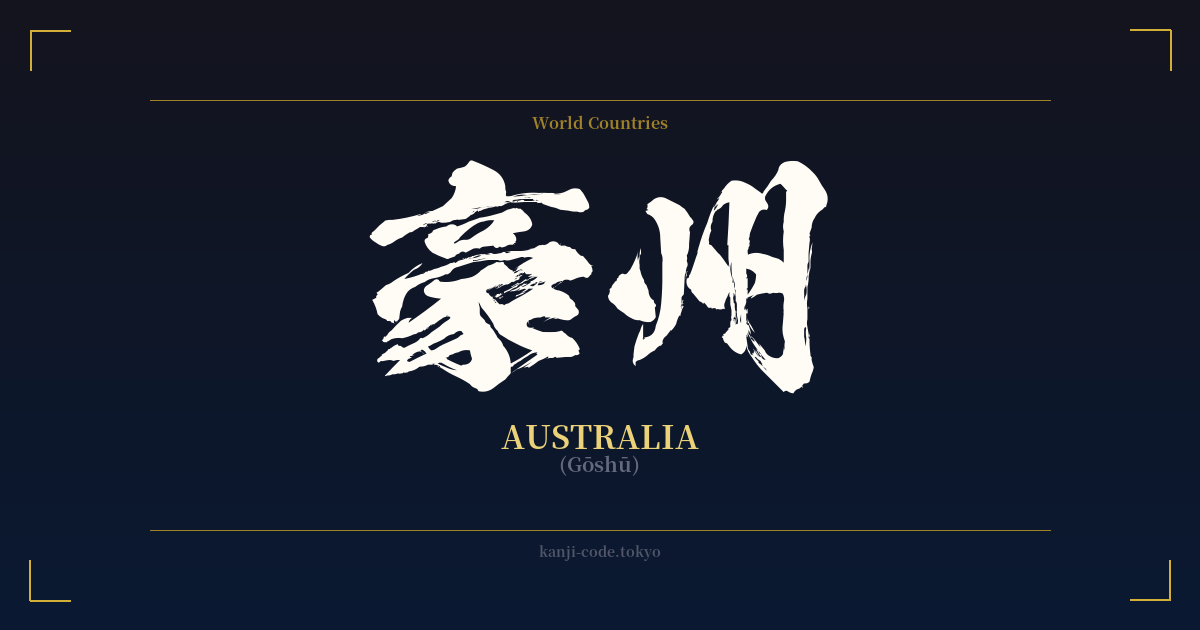
✍️ 豪州 (Gōshū) — Cultural Context
The term 豪州 (Gōshū) is the traditional Japanese kanji representation for the continent and country of Australia. It stands as a fascinating example of 'ateji' (当て字), a practice where kanji characters are used for their phonetic values to transcribe foreign words, often with a subtle nod to their meaning.
During the Meiji Restoration (1868-1912), Japan opened its doors to the world and needed to quickly create names for foreign countries and concepts. Instead of inventing new scripts, they repurposed existing kanji. For 'Australia,' the sounds were approximated to 'Gō-shū.'
The first character, 豪 (gō), was chosen for its sound. However, its meaning of 'grand,' 'heroic,' or 'powerful' adds a layer of unintended, yet fitting, grandeur. It evokes a sense of vastness and strength, painting a picture of a formidable and expansive land. This happy coincidence, where the phonetic choice also carries a suitable meaning, is a hallmark of well-crafted ateji.
The second character, 州 (shū), means 'state,' 'province,' or 'continent.' This choice was both phonetic and semantic, fitting perfectly for a landmass that is both a country and a continent. Together, 豪州 can be loosely interpreted as the 'Grand Continent' or 'Powerful State,' a far more evocative name than a simple phonetic transcription might suggest.
Today, the most common way to write 'Australia' in everyday Japanese is with Katakana: オーストラリア (Ōsutoraria). This is the standard for foreign loanwords. However, 豪州 is still widely used in more formal or traditional contexts. You will see it in newspaper headlines, official documents, and in the names of companies, such as in '日豪関係' (Nichigō kankei), meaning 'Japan-Australia relations.' Using 豪州 lends a sense of history and formality that the modern Katakana version lacks.
🖌️ Font Styles for 豪州
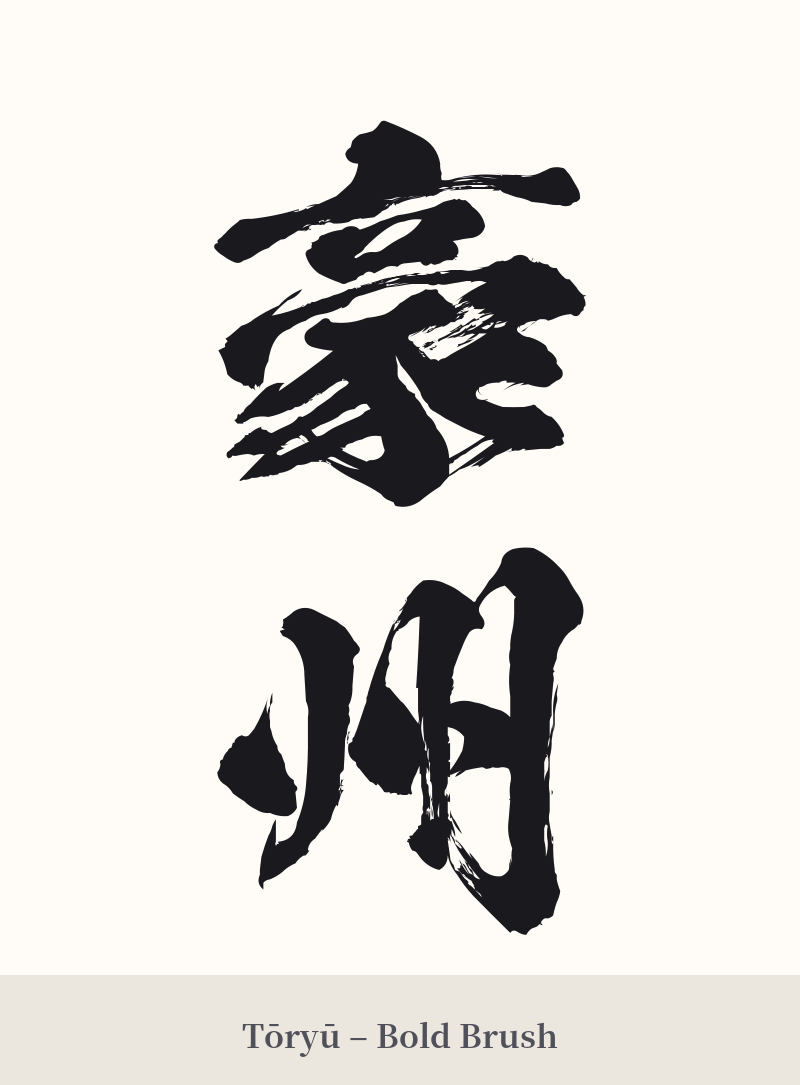
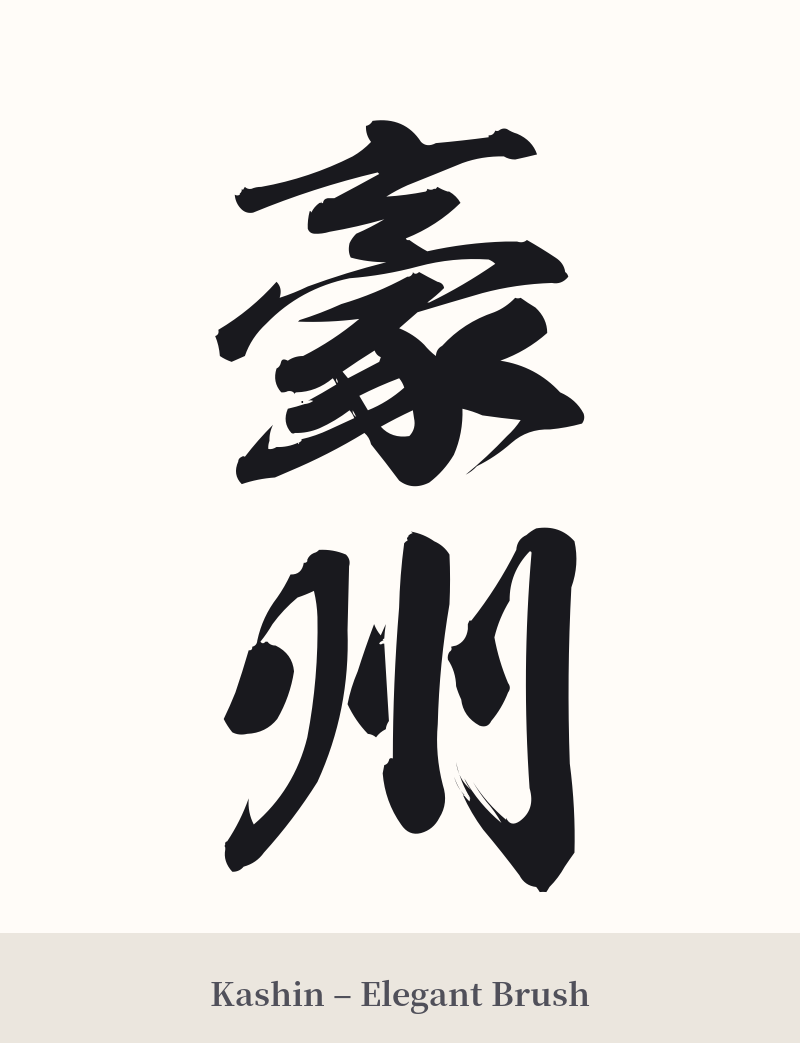
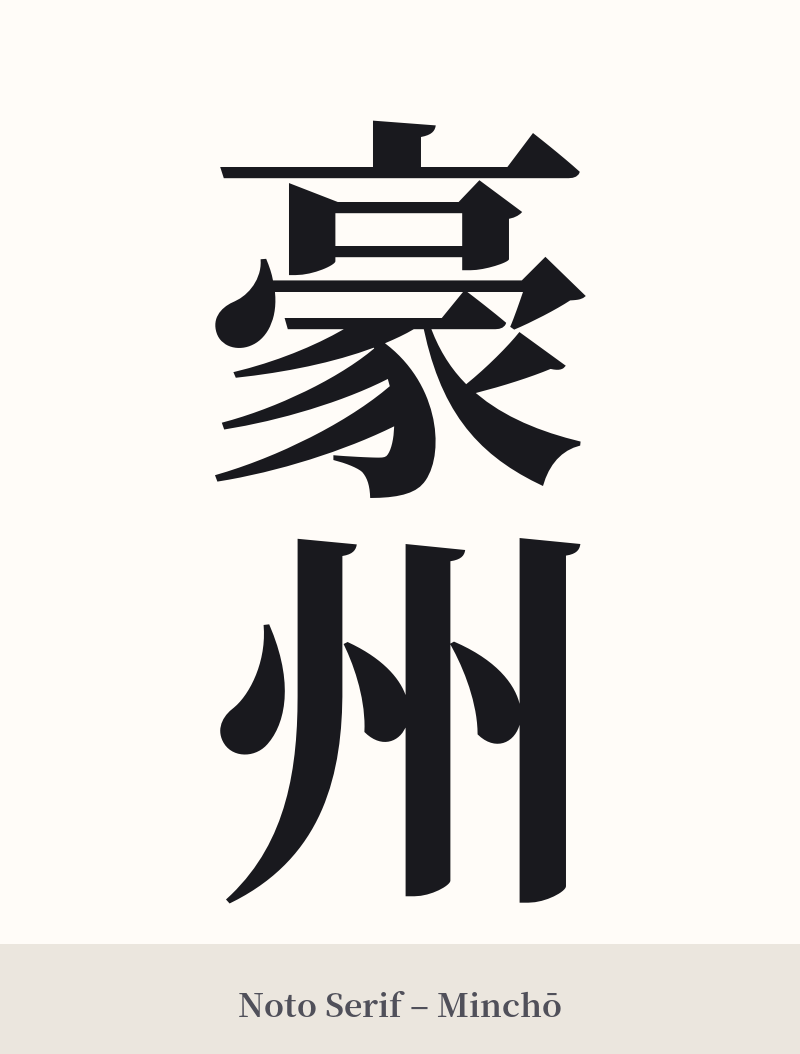
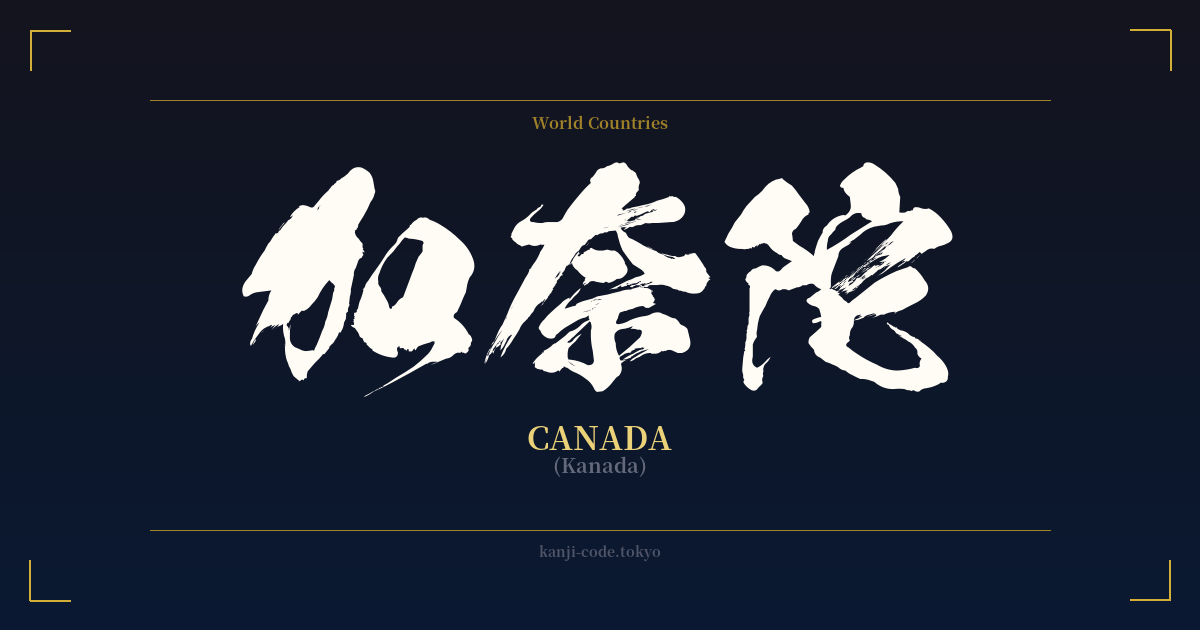
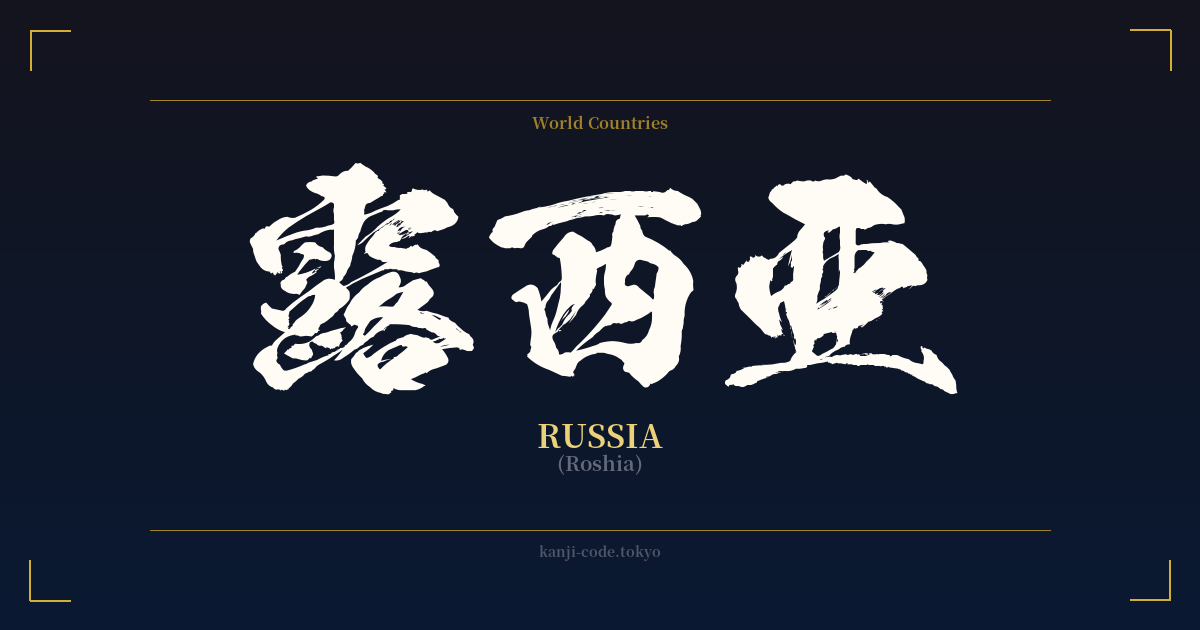
The same kanji can look dramatically different depending on the calligraphy style. Choose a font that matches the mood you want for your tattoo or design.
🎨 Tattoo Suitability
📐 Tattoo Design Guide
For a tattoo of 豪州, the design should emphasize the strength inherent in the first character, 豪.
– Placement: Due to the complexity of 豪 (14 strokes), this design works best on larger, flatter areas of the body. The forearm, calf, upper arm, or back provide ample space to ensure the strokes do not blur together over time.
– Style: A bold, confident script is recommended. Thick brush strokes in a Kaisho (block) or Gyosho (semi-cursive) style would complement the 'powerful' meaning of 豪. Avoid thin, delicate fonts that might fail to capture the word's stately feel.
– Orientation: Vertical alignment is the most traditional and aesthetically pleasing arrangement for a two-character kanji compound. It creates a strong, balanced column that flows well with the lines of the body.
Comments