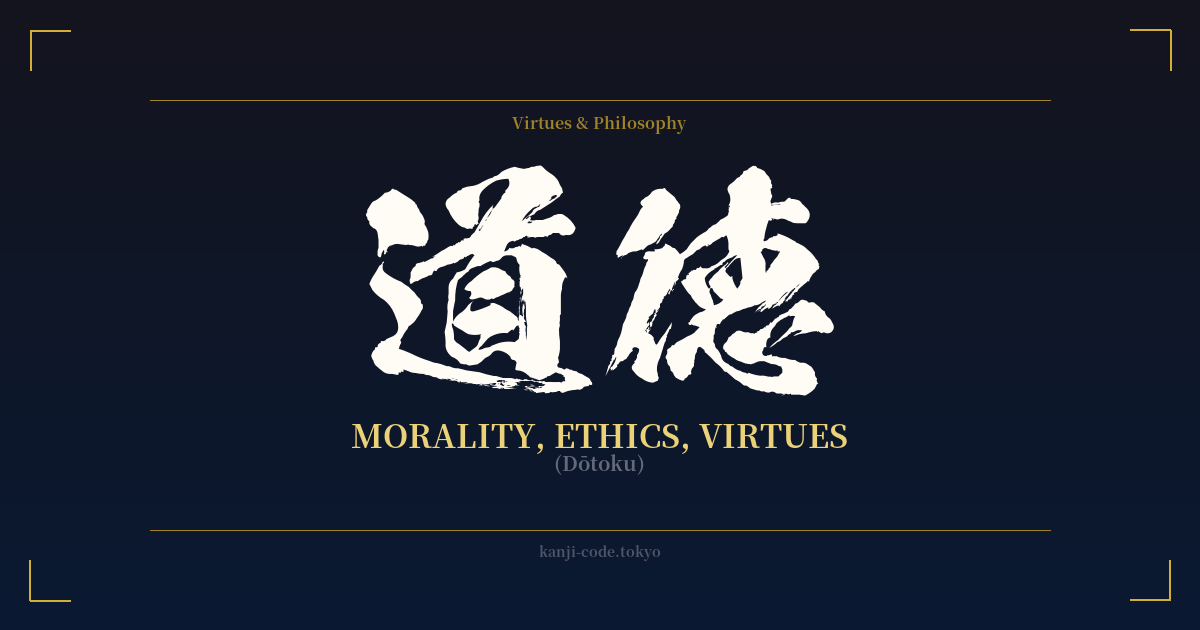
✍️ 道徳 (Dōtoku) — Cultural Context
道徳 (Dōtoku) is the Japanese word for morality, ethics, and virtue. It is a concept deeply woven into the fabric of Japanese society, representing the principles that guide right and wrong conduct. The term itself is a beautiful fusion of two powerful characters, offering insight into its philosophical underpinnings.
The first character, 道 (Dō), means 'path' or 'way'. This is the same 'Dō' found in words like Bushidō (the way of the warrior) and Jūdō (the gentle way). It signifies not just a physical road, but a course of life, a set of teachings, or a guiding principle. The second character, 徳 (Toku), translates to 'virtue,' 'benevolence,' or 'goodness.' It refers to the inherent quality and moral character of a person.
When combined, 道徳 (Dōtoku) literally translates to 'the path of virtue.' This isn't just a passive set of rules, but an active journey—a way of living one's life in accordance with moral principles. This concept has deep roots in Chinese philosophy, particularly Confucianism and Taoism, which were foundational to the development of Japanese thought. In Confucianism, 徳 (De in Chinese) is a central tenet related to good governance and personal cultivation, while 道 (Tao) is the central concept of Taoism, representing the natural order of the universe.
In Japan, Dōtoku is not merely an abstract philosophical idea. It's a practical part of social life. It informs the concept of 'wa' (和), or group harmony, where individual actions are considered in the context of their effect on the collective. It is also reflected in the samurai code of Bushido, which outlined a strict moral framework centered on virtues like righteousness (義, gi), integrity (誠, makoto), and loyalty (忠義, chūgi).
Even today, 'Dōtoku' is a formal subject in Japanese schools. Known as 'moral education,' this class aims to cultivate students' character, empathy, and sense of social responsibility. It focuses on teaching children to think about ethical dilemmas, respect others, and understand their role in society. This demonstrates how central the 'path of virtue' remains to the Japanese cultural identity, emphasizing a lifelong commitment to ethical conduct and personal integrity.
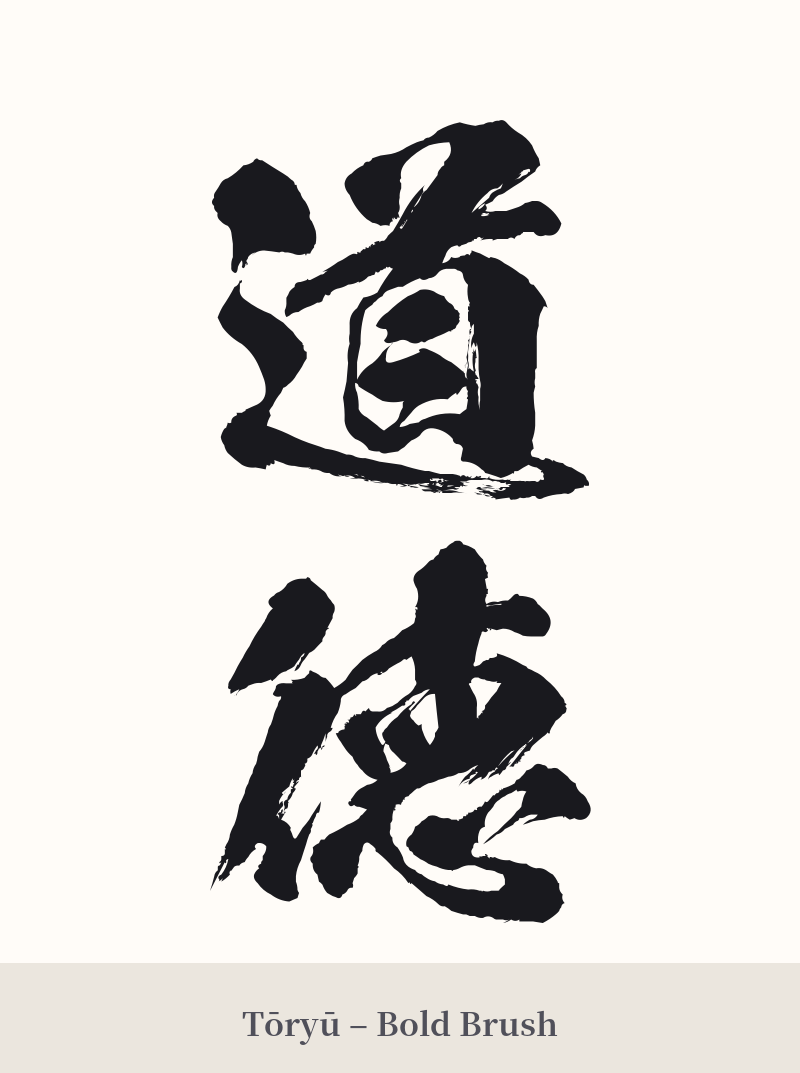
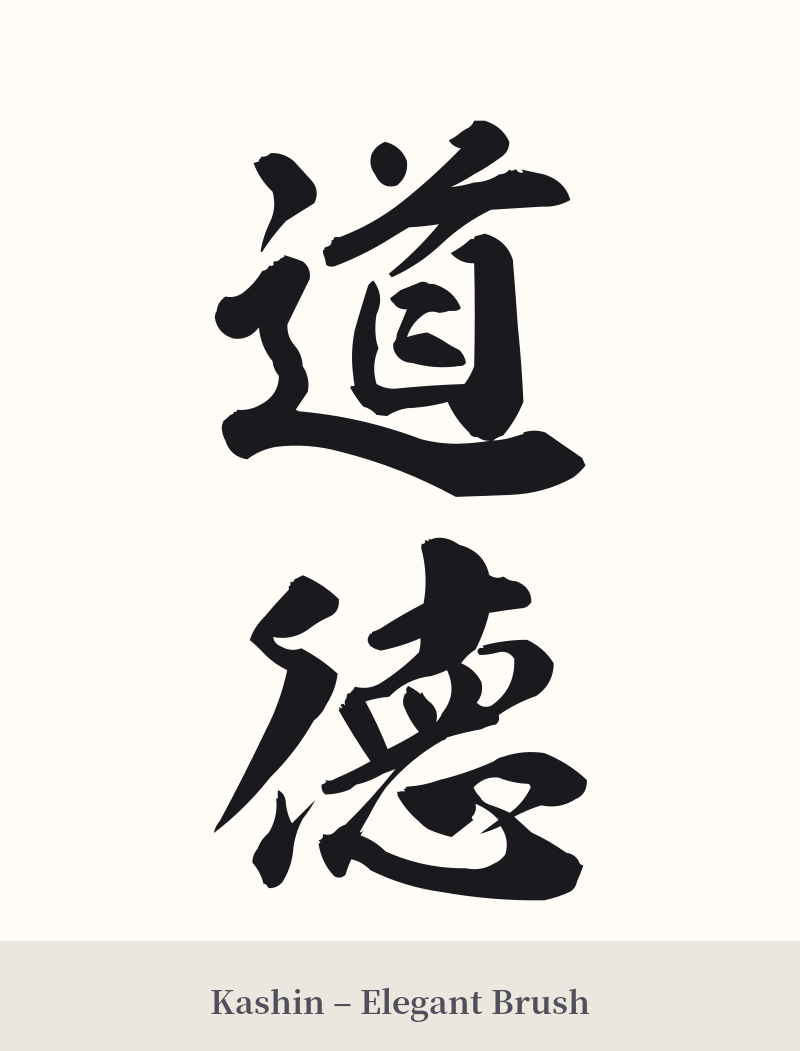
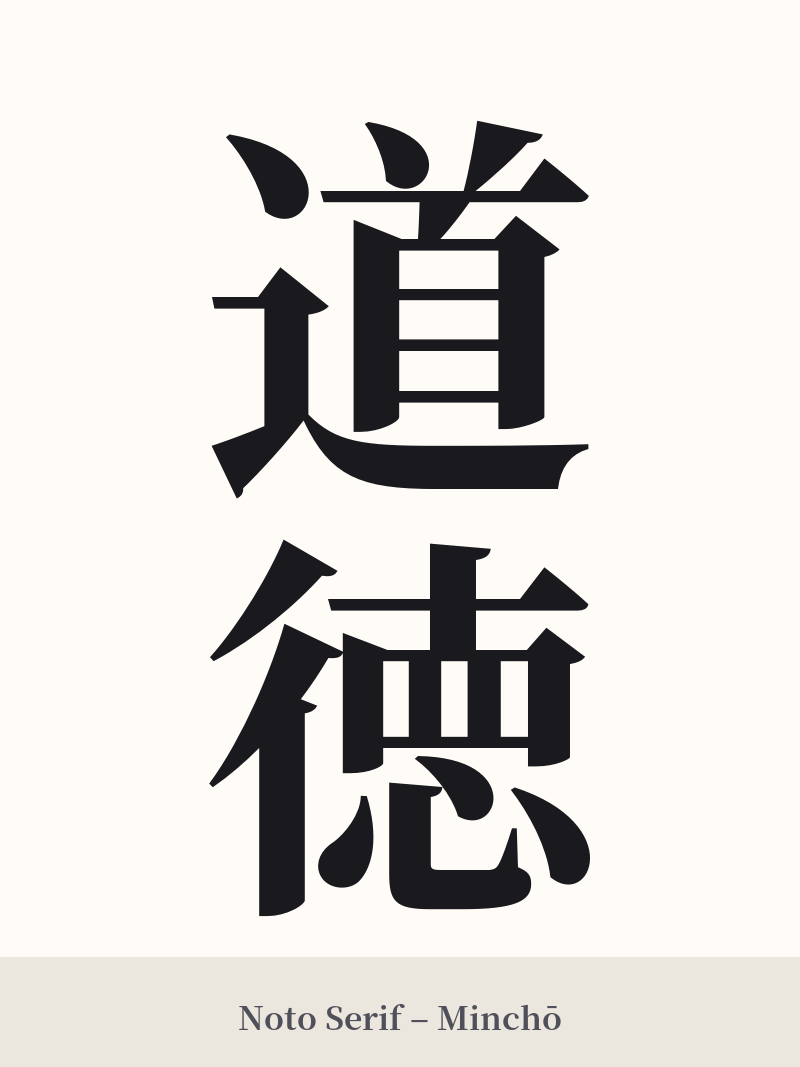
🖌️ Font Styles for 道徳
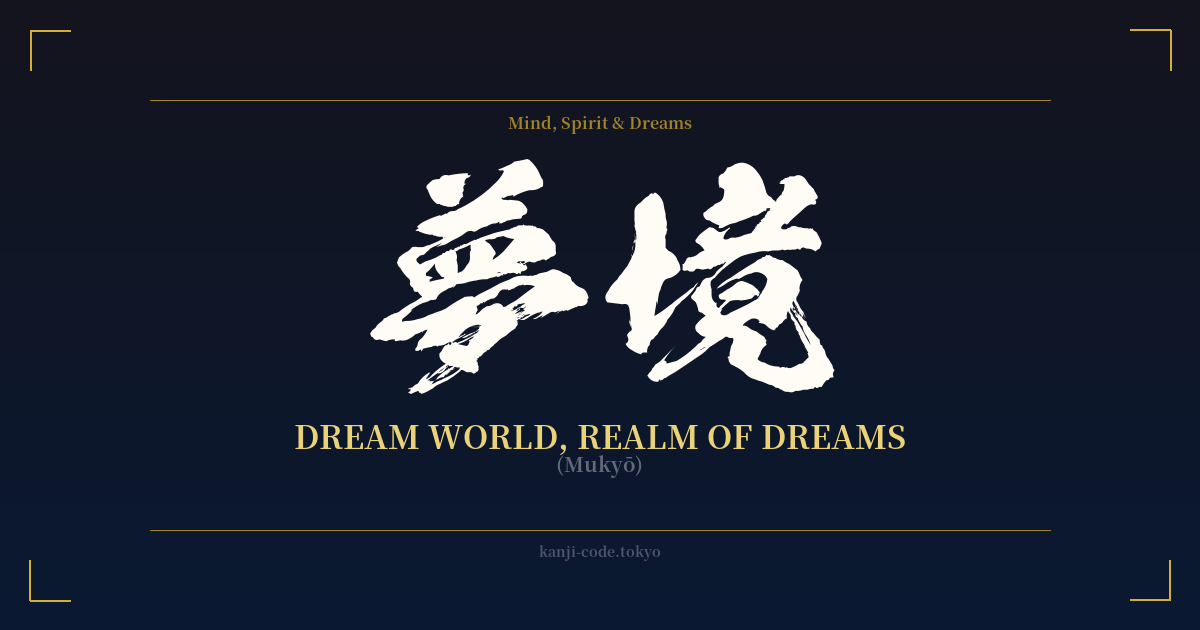
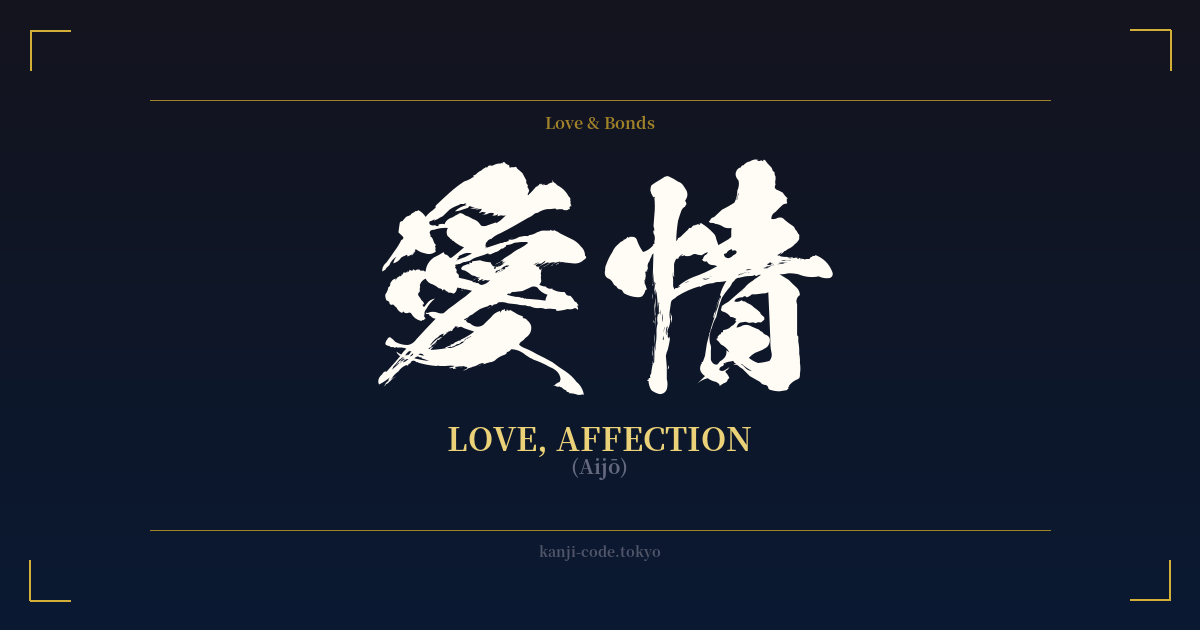
The same kanji can look dramatically different depending on the calligraphy style. Choose a font that matches the mood you want for your tattoo or design.
🎨 Tattoo Suitability
📐 Tattoo Design Guide
A tattoo of 道徳 (Dōtoku) carries a sense of dignity and principle. To honor its meaning, the design should be clean and deliberate.
– Placement: A vertical alignment is traditional and highly recommended. The spine, forearm, or calf are excellent choices as they provide the necessary length for the characters to flow naturally. For a horizontal design, the chest or upper back allows for the characters to be displayed with appropriate presence.
– Font Style: Traditional calligraphy styles work best. Kaisho (block script) offers clarity and a formal, solid feel, reflecting the seriousness of the concept. Gyosho (semi-cursive script) can add a touch of artistic fluidity and personal expression while remaining legible and respectful.
– Visual Tips: Due to the moderate complexity of the strokes, avoid making the tattoo too small. A larger size ensures that the details remain crisp and do not blur over time. Give the characters space to breathe; a crowded design can diminish their impact. While 道徳 stands powerfully on its own, it can be complemented by subtle imagery like an enso circle to represent enlightenment or a single bamboo stalk symbolizing integrity and resilience.
Comments