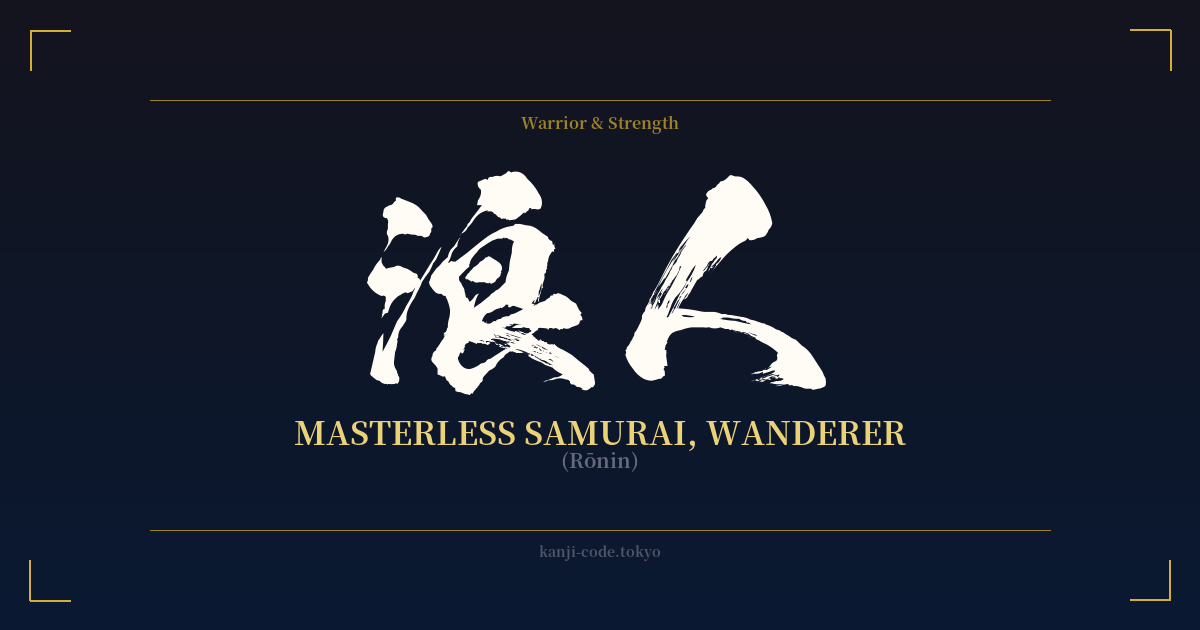
✍️ 浪人 (Rōnin) — Cultural Context
The word 浪人 (Rōnin) echoes through centuries of Japanese history and folklore, conjuring images of a lone warrior walking a path defined by loss, freedom, and a personal code of honor. Literally translating to "wave man" or "wandering person," the term originally described a samurai who had lost his master, either through the master's death or as a result of falling out of favor. In the strict feudal hierarchy of Japan, this was a significant fall from grace. A samurai's identity and purpose were tied to his lord; to be without one was to be adrift, an outcast from the warrior class.
This social displacement created a figure of great duality. On one hand, rōnin were often viewed with suspicion and fear. Without a stipend from a lord, many were forced to become mercenaries, bodyguards, bandits, or hired swords, their skills sold to the highest bidder. They lived on the fringes of society, a constant reminder of the fragility of status and honor.
On the other hand, this very detachment from the system allowed for a new kind of freedom. The rōnin embodies the spirit of self-determination and individualism. Freed from the rigid obligations of a clan, he must rely solely on his own strength, wits, and personal moral compass. This archetype has been romanticized in countless stories, plays, and films. The most famous historical example is the tale of the Forty-Seven Rōnin, a group of samurai who became masterless after their lord was forced to commit seppuku. They spent years plotting in secret before avenging their master, an ultimate act of loyalty that cemented their legendary status. This story elevated the rōnin from a figure of shame to a symbol of unwavering devotion that transcends a master's life.
In modern pop culture, the rōnin archetype is a global phenomenon. Akira Kurosawa's films, such as Yojimbo and Seven Samurai, feature rōnin protagonists who, despite their cynical exteriors, ultimately uphold justice and protect the weak. These stories heavily influenced the Western genre, with Clint Eastwood's "Man with No Name" being a direct parallel to the wandering swordsman. Today, the concept of a rōnin resonates with anyone who feels like they are forging their own path, unbound by conventional structures, and living by their own code.
It's important to note a significant modern meaning. In contemporary Japan, a "rōnin" is a high school graduate who has failed their university entrance exams and is spending a year studying to retake them. They are "masterless," lacking a university to call their own. While this usage is metaphorical, it's a common and well-understood meaning in Japan.
🖌️ Font Styles for 浪人
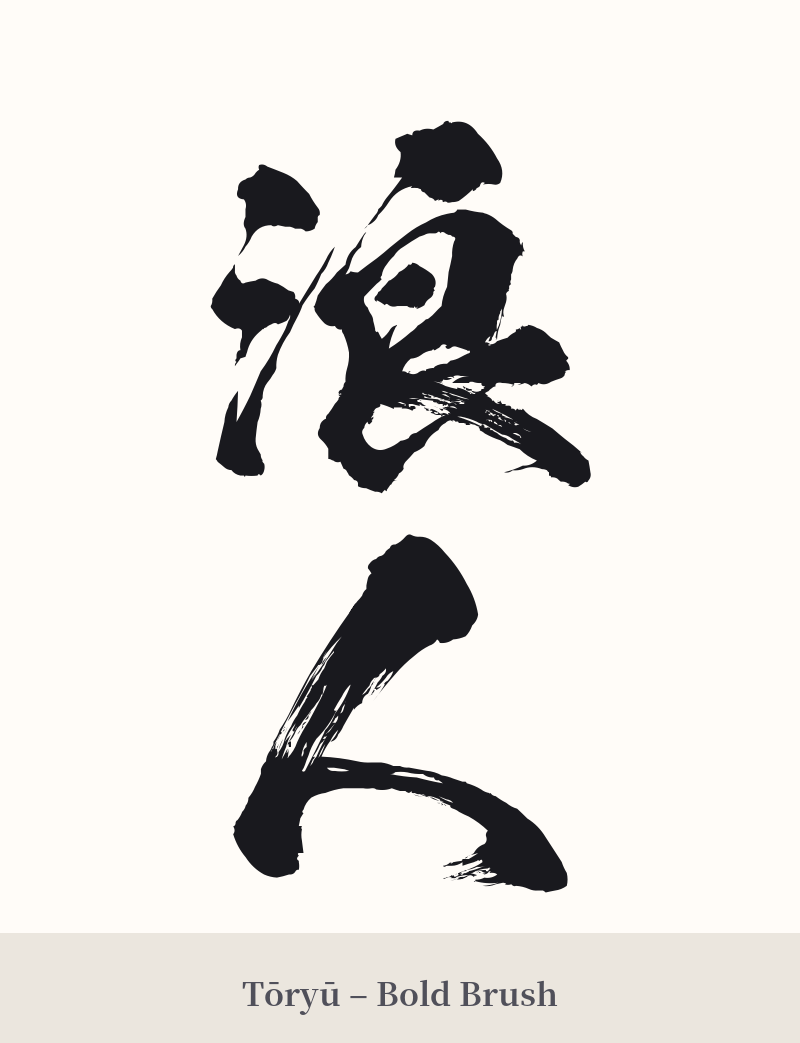
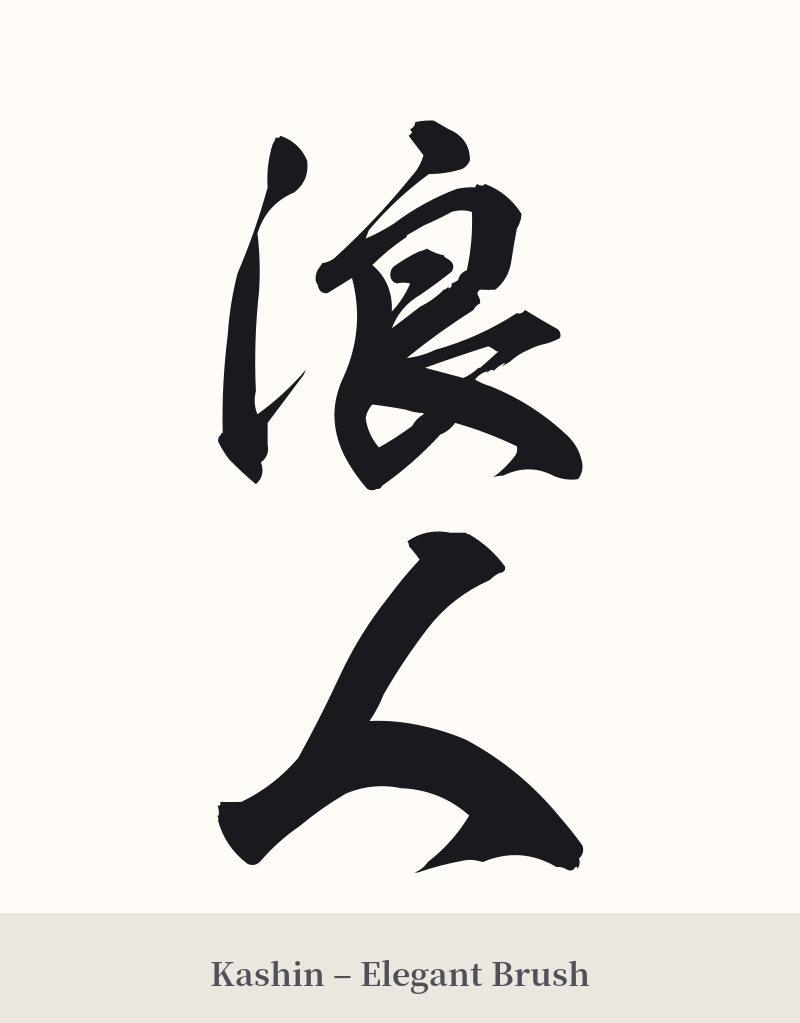
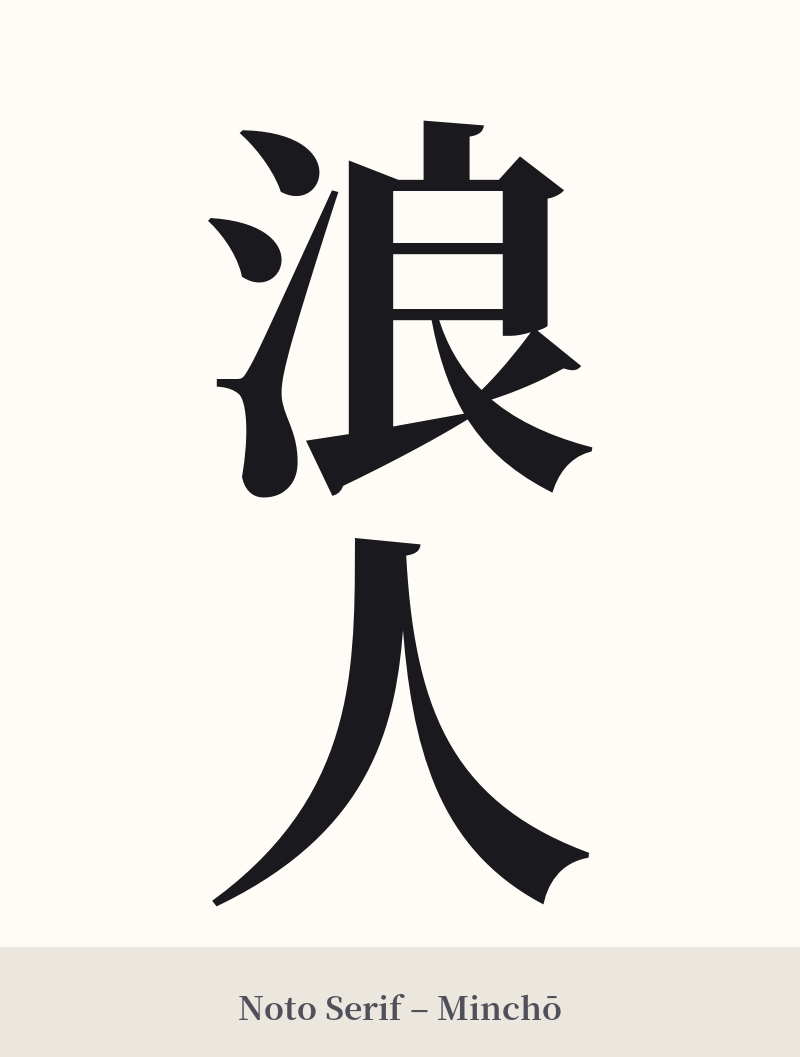
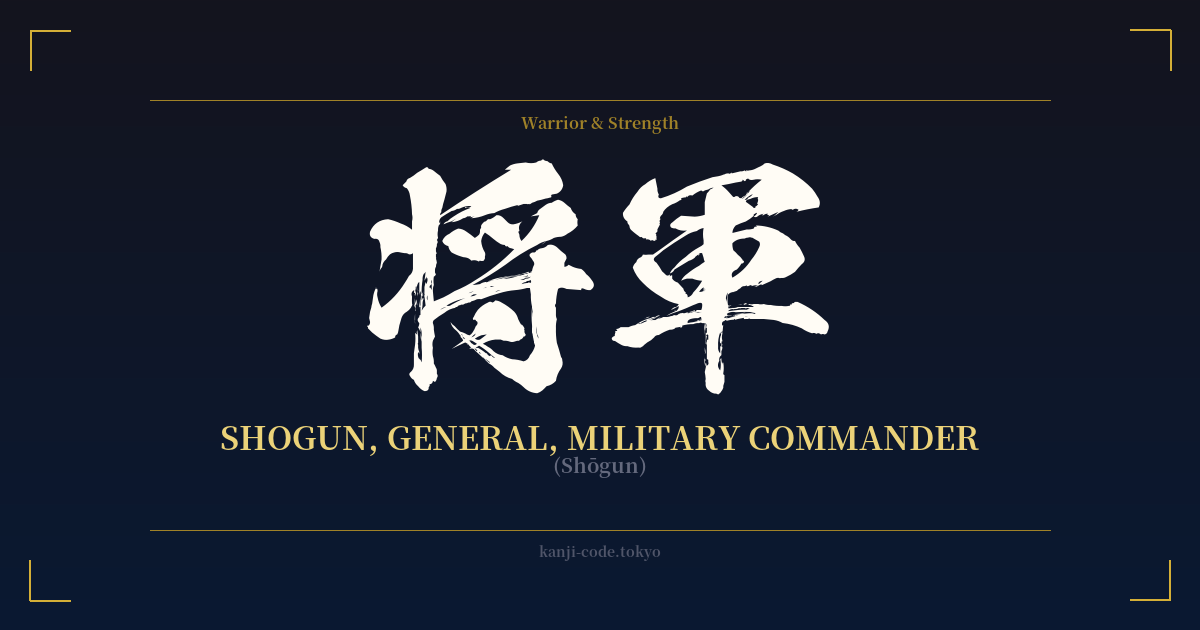
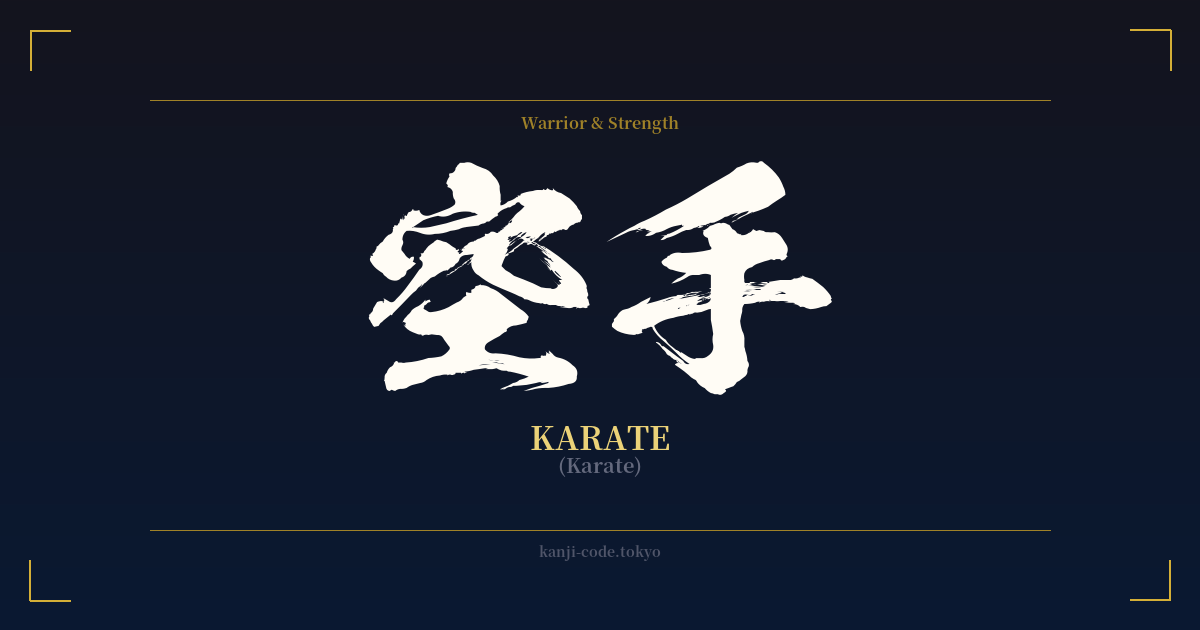
The same kanji can look dramatically different depending on the calligraphy style. Choose a font that matches the mood you want for your tattoo or design.
🎨 Tattoo Suitability
📐 Tattoo Design Guide
The kanji for Rōnin offers a powerful and balanced visual that suits various tattoo styles and placements.
– Placement: Vertical alignment is traditional and works exceptionally well on the forearm, bicep, calf, or along the spine. A horizontal placement looks strong across the chest or upper back.
– Font Style: The choice of font can dramatically alter the feeling. A rough, semi-cursive script (Gyōsho) can capture the 'wandering' and turbulent nature of the rōnin's life. For a more stoic and resolute feel, a clean, block-like script (Kaisho) emphasizes unwavering determination.
– Visual Additions: Consider pairing the kanji with imagery that enhances its meaning. A single falling maple leaf or cherry blossom petal can symbolize the transient nature of life and status. Incorporating stylized waves (tying back to the first character, 浪) or a solitary full moon can amplify the themes of wandering and loneliness.
Comments