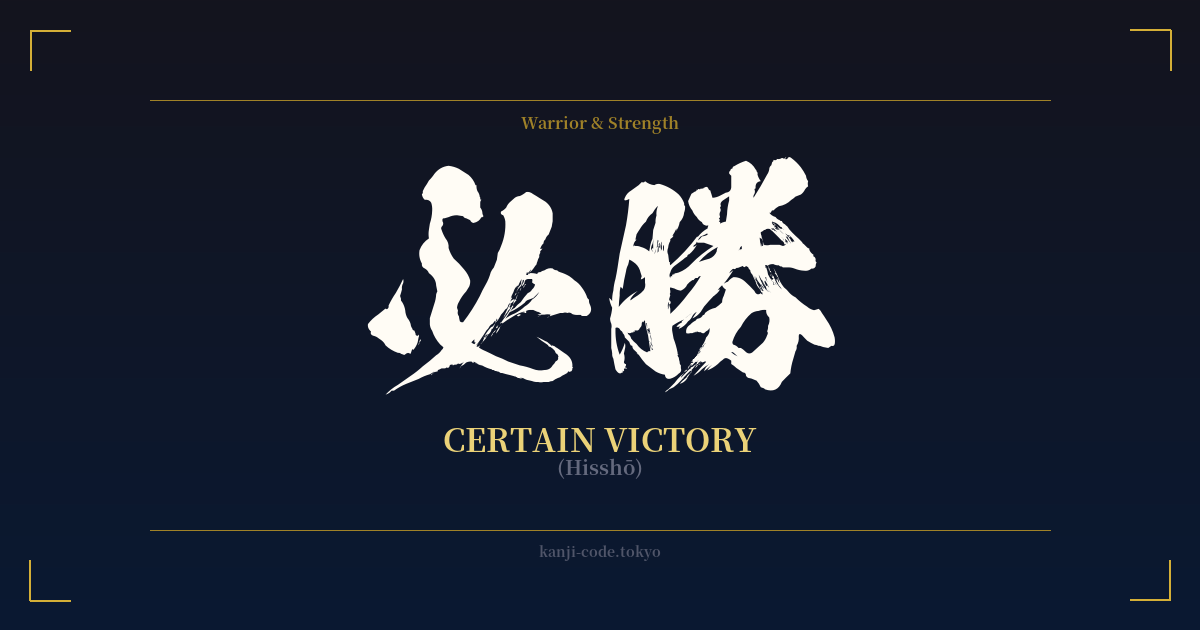
✍️ 必勝 (Hisshō) — Cultural Context
必勝 (Hisshō) is more than just a word in Japan; it's a declaration, a battle cry, and a powerful psychological tool. It translates to 'Certain Victory' or 'Inevitable Win,' carrying a weight far heavier than a simple hope or desire to succeed. This is a vow, a commitment to do whatever it takes to ensure a triumphant outcome. The term is a fusion of absolute resolve and the promise of success.
In Japanese culture, Hisshō is most visibly associated with competition. Walk into any major sporting event, from high school baseball tournaments to professional sumo matches, and you will see it. It is famously written in bold, black ink on white hachimaki (headbands) worn by athletes and their supporters. These headbands are not mere accessories; they are symbols of unified purpose and unwavering focus, channeling the collective energy towards a single goal: victory without fail.
This spirit extends beyond the sports arena. Students preparing for the immense pressure of university entrance exams will often use Hisshō as a personal mantra. It’s written on good luck charms (omamori) and banners to instill a sense of confidence and discipline during the grueling study period. In the corporate world, it can appear in slogans for new product launches or sales campaigns, signifying a company's aggressive strategy and belief in its market dominance.
The power of Hisshō lies in its psychological framing. It doesn't mean 'I hope to win' or 'I will try my best.' It means 'Victory is the only possible result.' This mindset, rooted in the discipline and focus valued in traditional martial arts and the samurai ethos, is about eliminating doubt and concentrating all of one's energy, skill, and spirit on achieving success. It embodies a proactive, powerful approach to overcoming challenges, making it a timeless and inspiring concept for anyone facing a significant personal or professional battle.
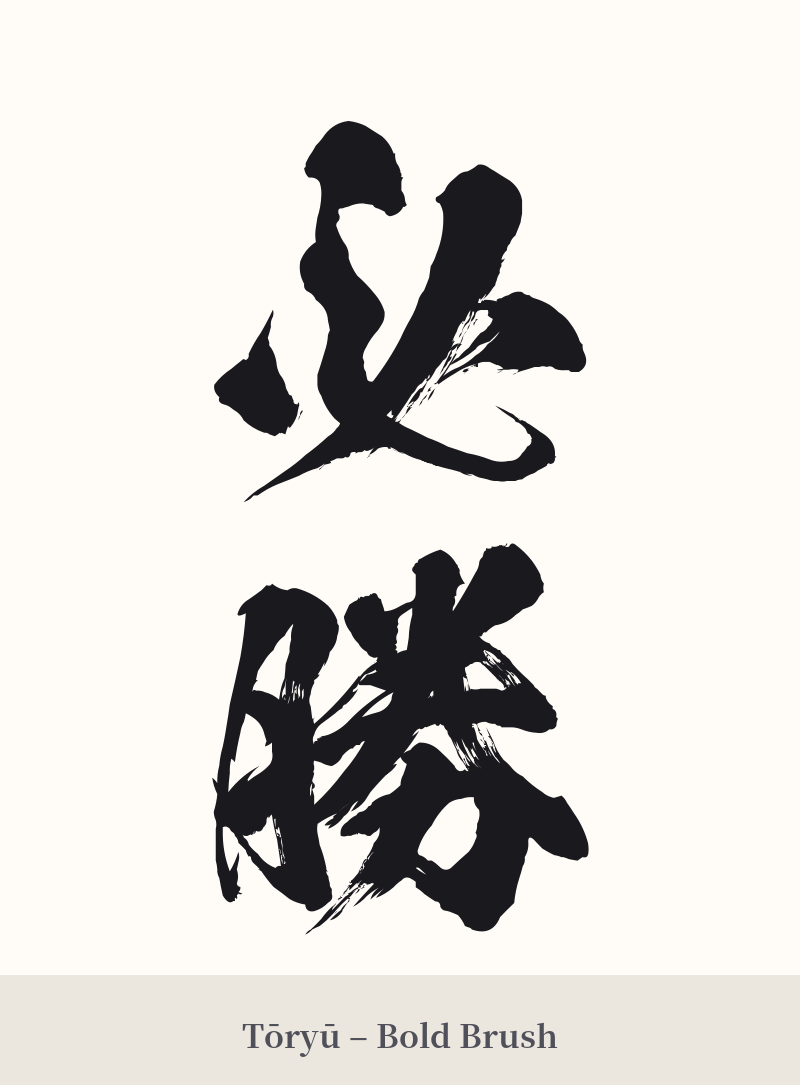
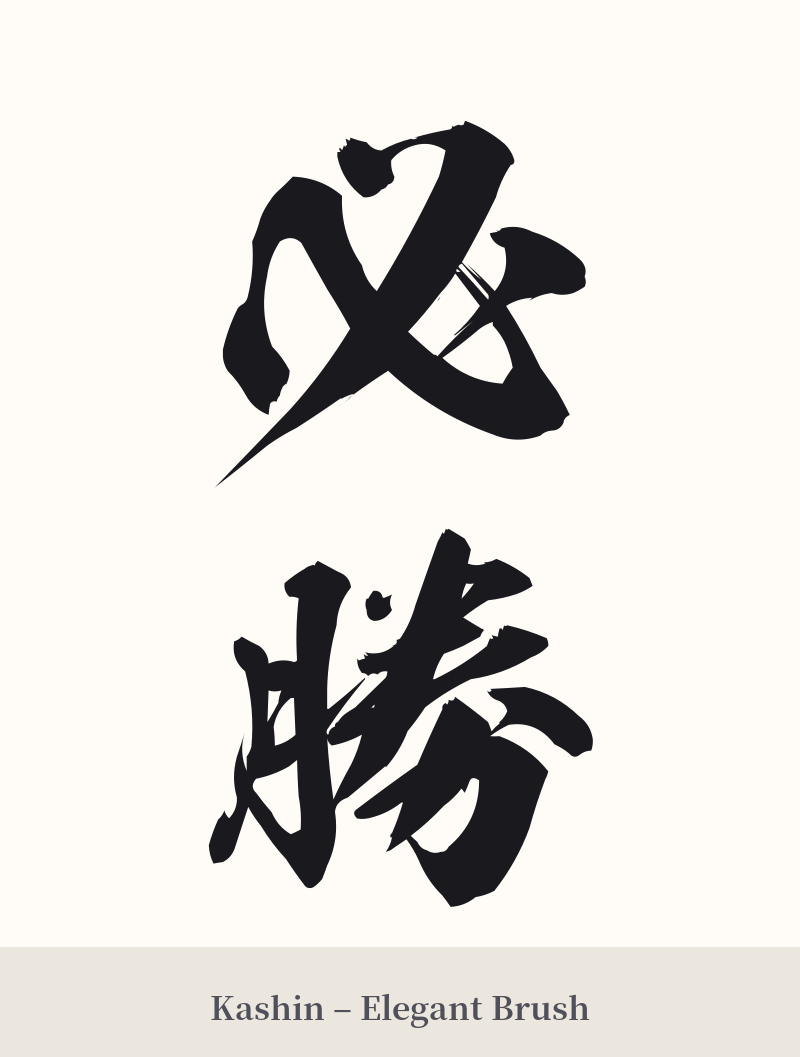
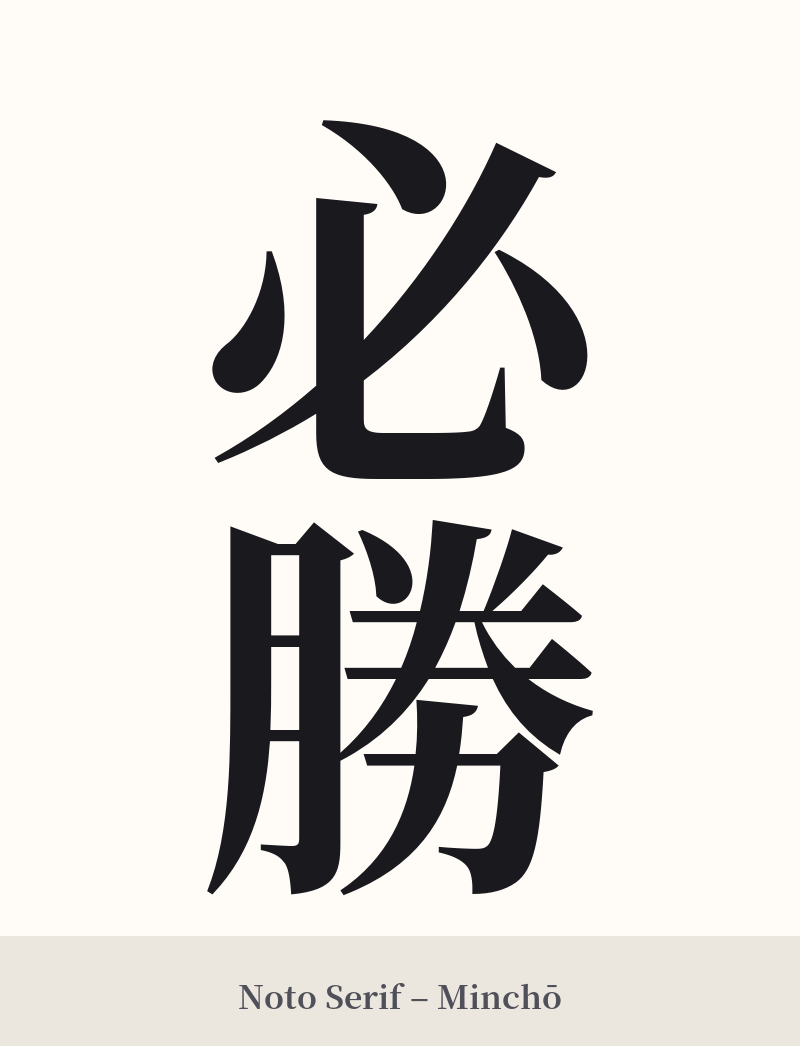
🖌️ Font Styles for 必勝
The same kanji can look dramatically different depending on the calligraphy style. Choose a font that matches the mood you want for your tattoo or design.
🎨 Tattoo Suitability
📐 Tattoo Design Guide
The forceful meaning of Hisshō calls for a design that reflects its strength and determination. Vertical placement is highly recommended, as it mirrors the traditional writing style seen on banners and scrolls, creating a powerful, descending line of energy.
Ideal placements include: – The forearm, symbolizing strength and action. – The calf, which provides a great vertical canvas. – Along the spine or on the back of the shoulder, for a larger, more impactful statement.
For font styles, consider these options: – A bold, semi-cursive calligraphy script (gyōsho) can capture the dynamic energy and fighting spirit of the word. – A strong, angular block script (kaisho) emphasizes the unshakeable resolve and certainty behind the meaning. – Avoid overly thin or delicate fonts, as they would clash with the inherent power of Hisshō.
To enhance the design, you could frame the kanji within a larger Japanese motif, such as a dragon, a determined samurai warrior, or a koi fish swimming upstream. Another classic touch is to have the characters appear as if painted on a war banner (nobori) or a headband (hachimaki) integrated into the tattoo.
Comments