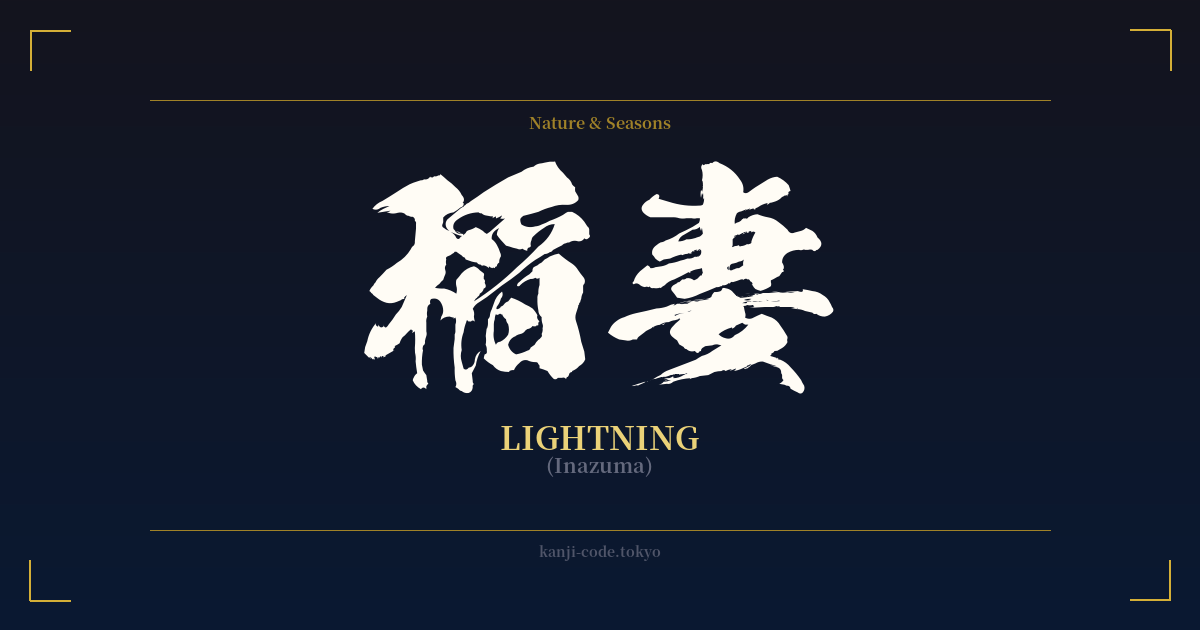
✍️ 稲妻 (Inazuma) — Cultural Context
The Japanese word for lightning, 稲妻 (Inazuma), is a beautiful example of how language can encode ancient beliefs and a deep connection to nature. While it simply means 'lightning' in modern usage, its kanji tell a far more poetic story. The characters are 稲 (ina), meaning 'rice plant,' and 妻 (tsuma), meaning 'wife.' Literally, the word means 'rice-wife' or 'spouse of the rice.'
This fascinating name stems from ancient agricultural observations. Japanese farmers centuries ago believed that lightning storms, which are common during the rice-growing season, were essential for a bountiful harvest. They noticed that rice plants seemed to grow more vigorously after a thunderstorm. The scientific explanation is that lightning fixes atmospheric nitrogen, which then dissolves in rainwater and acts as a natural fertilizer for the crops.
Without knowing the science, they formed a powerful metaphor. The lightning was seen as a divine force that 'mated' with the rice plants, making them fertile and allowing them to bear grain. The lightning bolt was the 'spouse' to the rice plant. This personification elevates a weather phenomenon into a life-giving, generative force, deeply tying the power of the heavens to the sustenance of the people.
In Japanese culture, lightning is often associated with gods and divine power. The thunder god, Raijin (雷神), is a famous figure who beats his drums to create thunder, and he is often depicted alongside lightning. While Inazuma refers to the flash of light itself, it carries these connotations of sudden, immense, and uncontrollable power. It is a symbol of both creation and destruction, a force of nature that commands respect and awe.
This duality has made Inazuma a powerful motif in Japanese art, from classical ukiyo-e woodblock prints to modern anime and video games. It represents a moment of sudden inspiration (an 'electric' idea), a flash of insight, or the incredible speed and power of a warrior's attack. The term captures not just the physical light, but the dramatic, ephemeral, and impactful nature of the event itself.
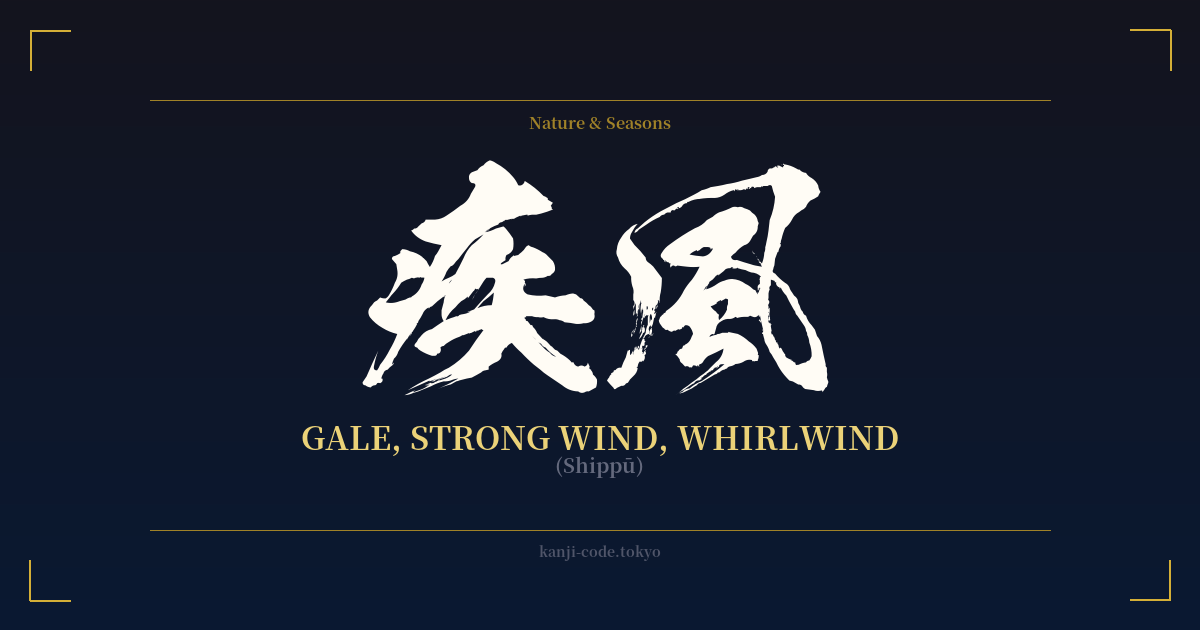
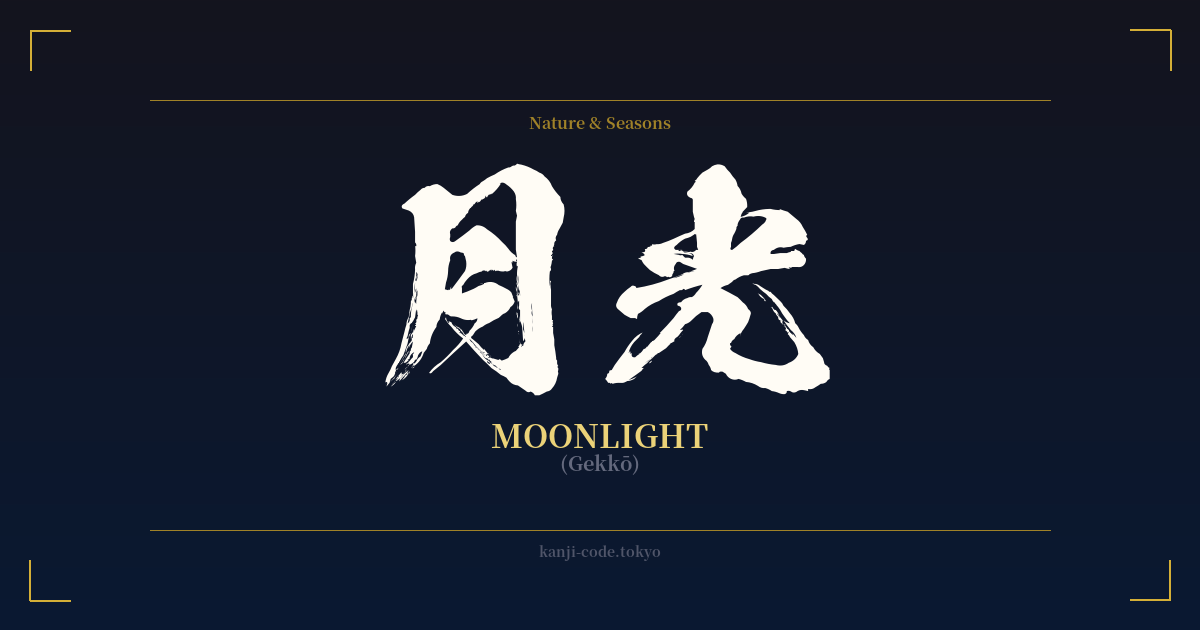
🖌️ Font Styles for 稲妻
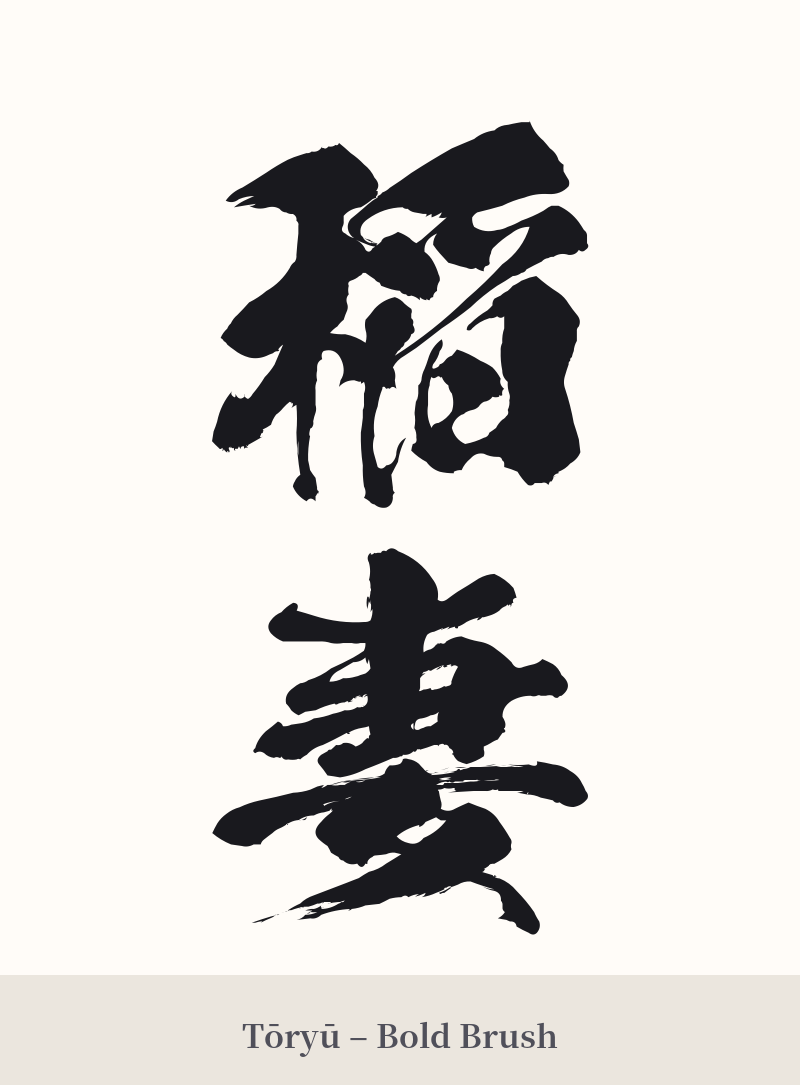
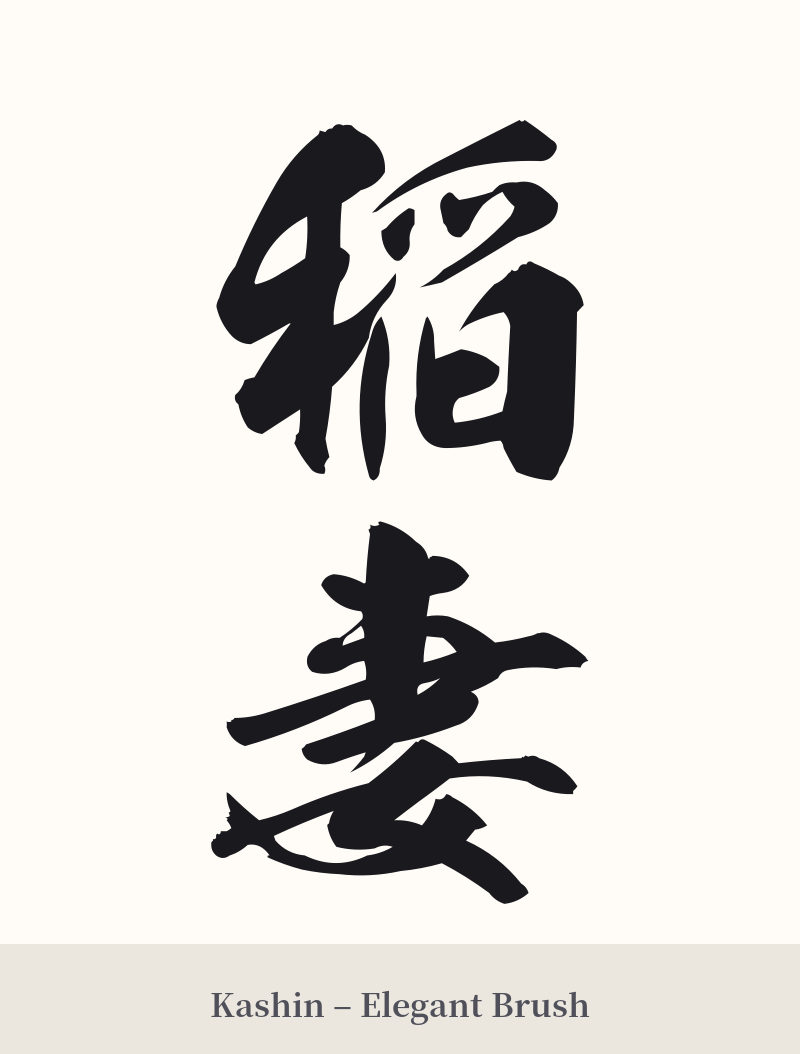
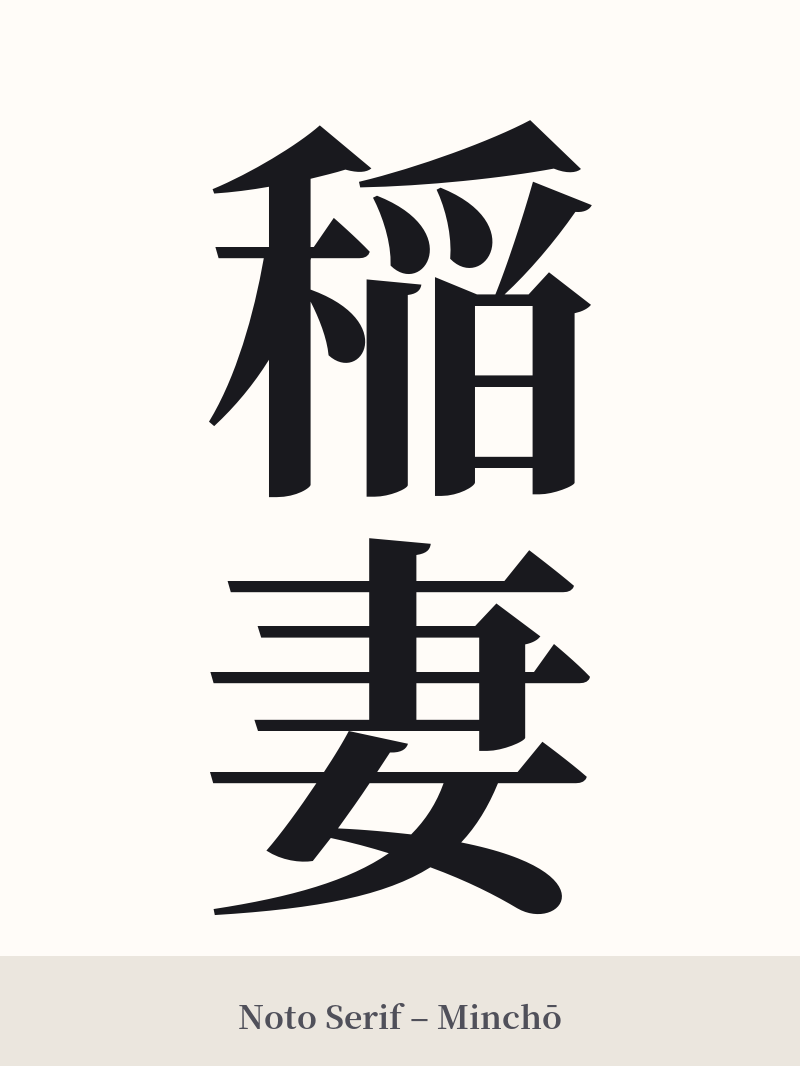
The same kanji can look dramatically different depending on the calligraphy style. Choose a font that matches the mood you want for your tattoo or design.
🎨 Tattoo Suitability
📐 Tattoo Design Guide
A tattoo of 稲妻 (Inazuma) offers many creative possibilities that can emphasize its dual meaning of power and poetry.
– Placement: For a vertical orientation, the forearm, calf, or along the spine are excellent choices. This allows the kanji to flow downwards, mimicking the path of a lightning strike. For a horizontal layout, the chest or upper back provides a strong canvas.
– Font Style: A dynamic, semi-cursive (gyōsho) or cursive (sōsho) calligraphy style can capture the raw, untamed energy of lightning. The flowing, connected brushstrokes evoke movement and speed. Alternatively, a sharp and angular Kaisho or Mincho style can emphasize the sudden, precise nature of a lightning bolt.
– Visual Tips: Consider integrating the kanji with a visual element. A popular choice is to have one of the brushstrokes extend into a stylized lightning bolt. You could also place the kanji within a storm cloud or have it accompanied by a dragon (a creature often associated with storms in East Asian mythology). For a more subtle nod to its origin, a design incorporating stylized rice stalks around the kanji would tell its full, poetic story.
Comments