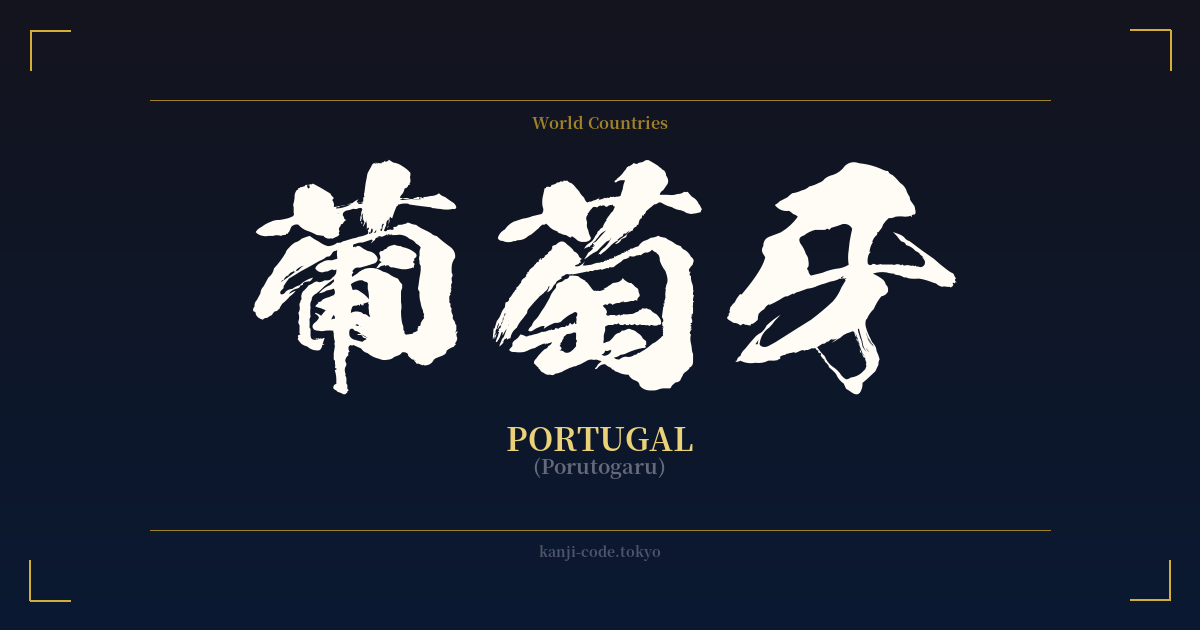
✍️ 葡萄牙 (Porutogaru) — Cultural Context
The story of 葡萄牙 (Porutogaru) is a fascinating glimpse into the history of Japan's interaction with the West. The word is a prime example of 'ateji' (当て字), a practice where kanji characters are used for their phonetic sound rather than their intrinsic meaning to represent foreign words.
This specific combination of characters was chosen during the 16th century, when Portuguese traders and missionaries were the first Europeans to establish significant contact with Japan. They introduced firearms, Christianity, and new culinary habits, leaving a lasting mark on Japanese culture. To write the name of this new, distant land, Japanese scholars needed to find characters that approximated the sound 'Portugal'.
The first two characters, 葡萄 (budō), mean 'grape' or 'grapevine'. This was a clever choice, as Portugal was already known for its wine (vinho). This selection served a dual purpose: it captured the 'Poruto' sound while also creating a semantic link to a famous product of the country. It was a poetic and practical solution.
The final character, 牙 (ga), means 'fang' or 'tusk'. In this context, its meaning is completely disregarded. It was chosen solely for its phonetic value, providing the final 'ga' sound to complete 'Porutogaru'. This highlights the nature of ateji, where sound often trumps meaning.
Over time, Japan developed the Katakana script specifically for foreign loanwords. Today, the country name 'Portugal' is almost universally written as ポルトガル. The kanji form 葡萄牙 is now considered historical, literary, or even a bit poetic. You might see it in historical texts, on old maps, or in artistic contexts that aim to evoke an older era. The persistence of Portuguese-derived words in Japanese, such as 'pan' (from pão for bread) and 'tempura' (from the cooking technique tempero), serves as a constant reminder of this pivotal first encounter, forever encoded in language and culture.
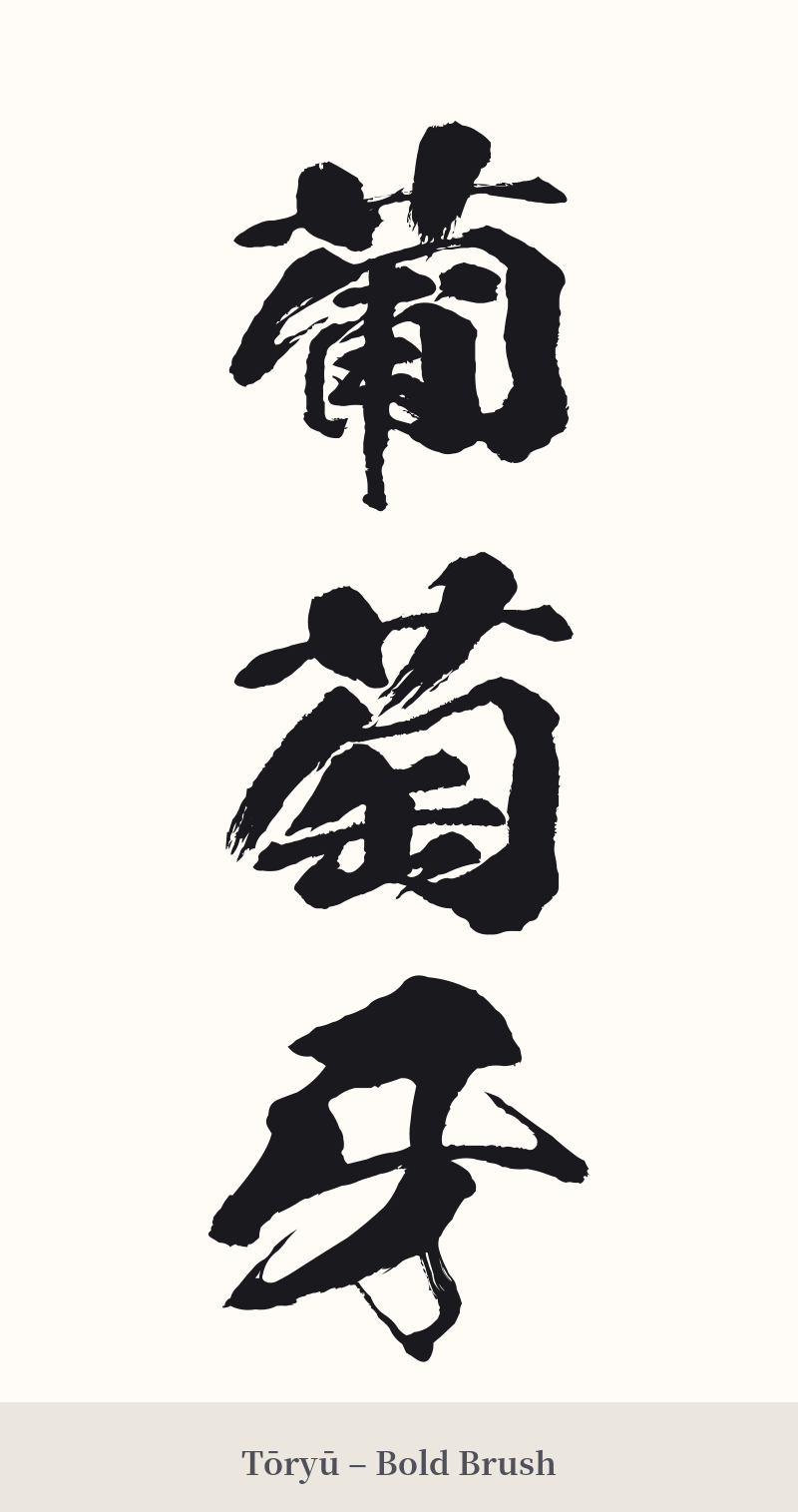
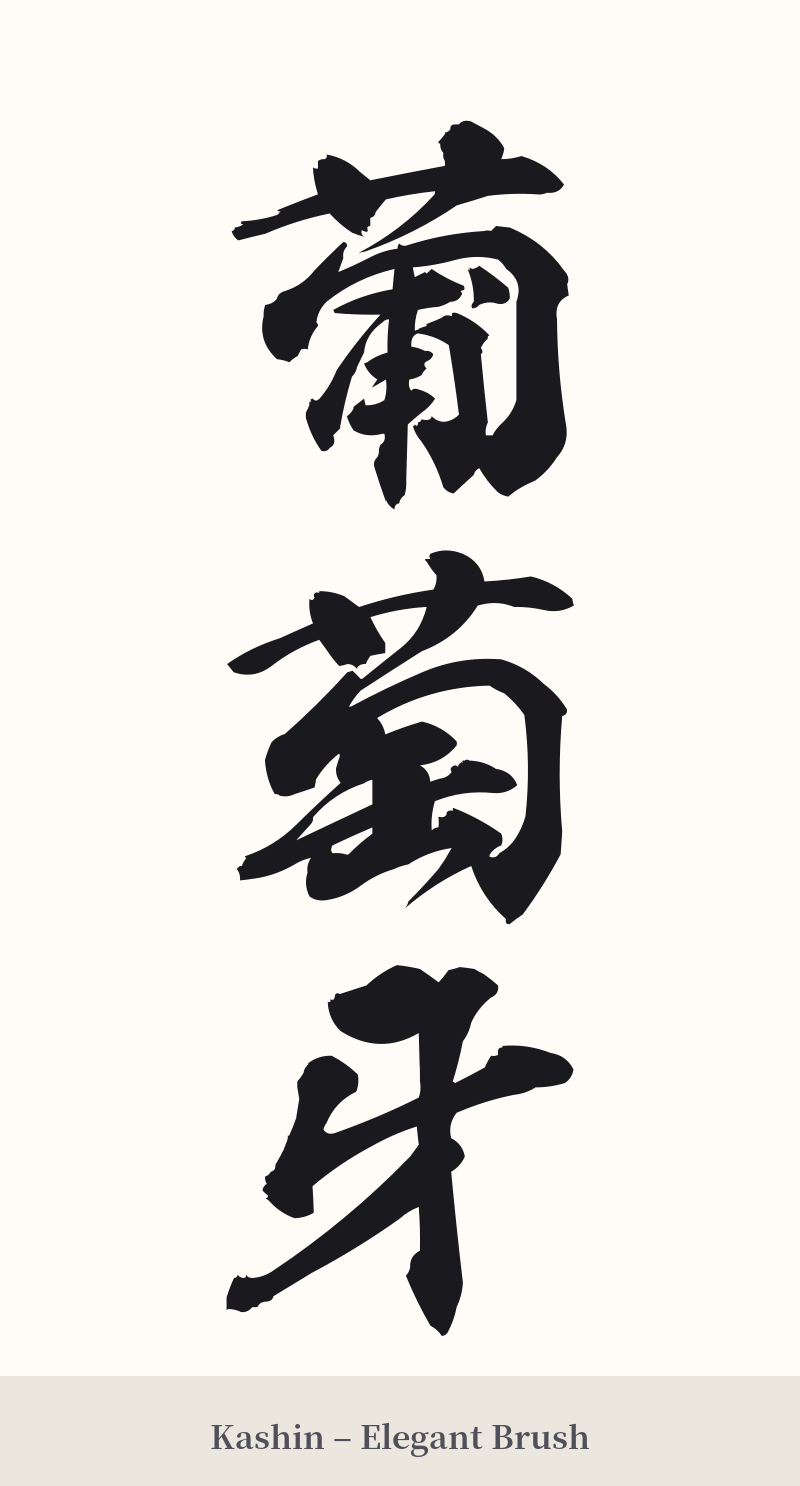
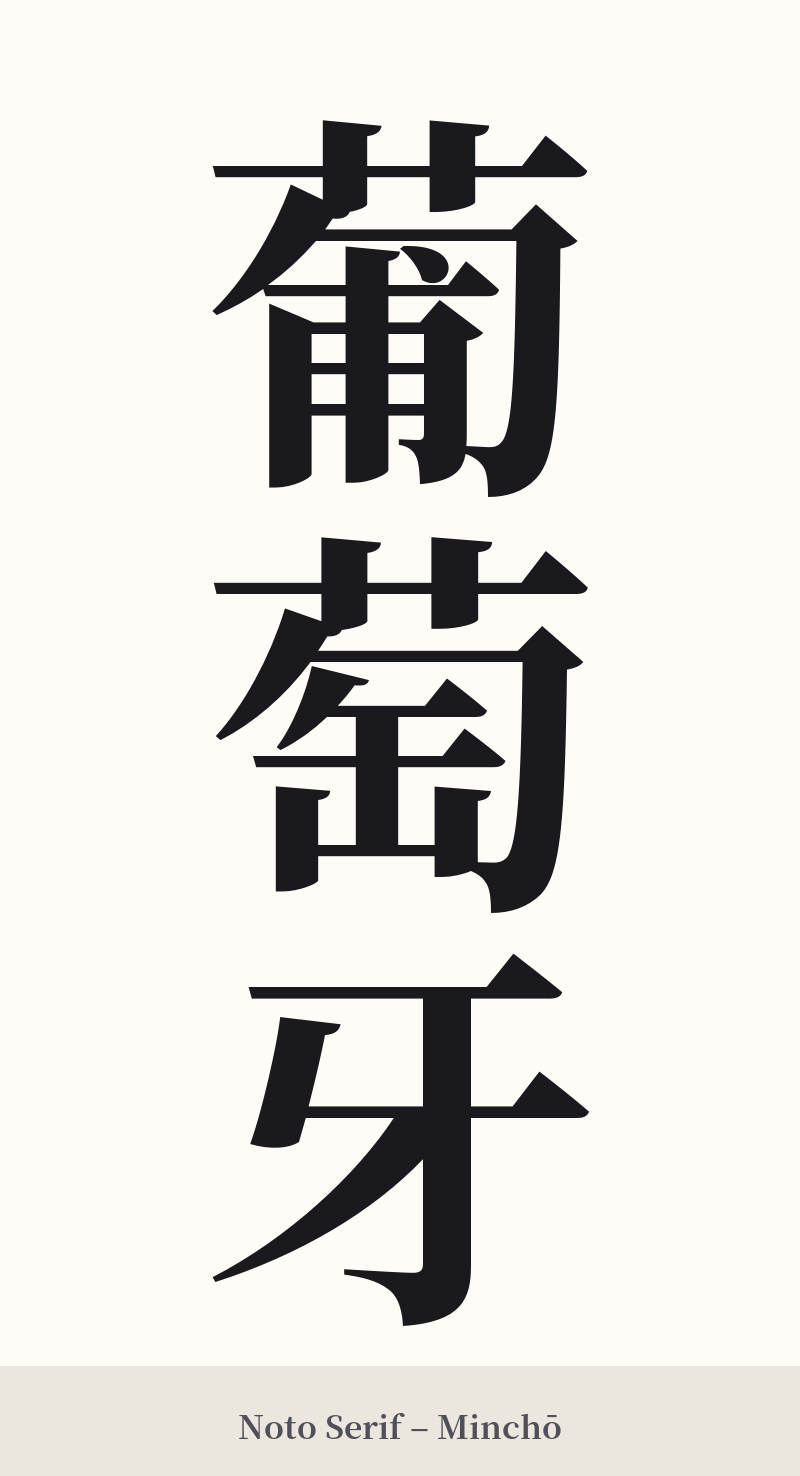
🖌️ Font Styles for 葡萄牙
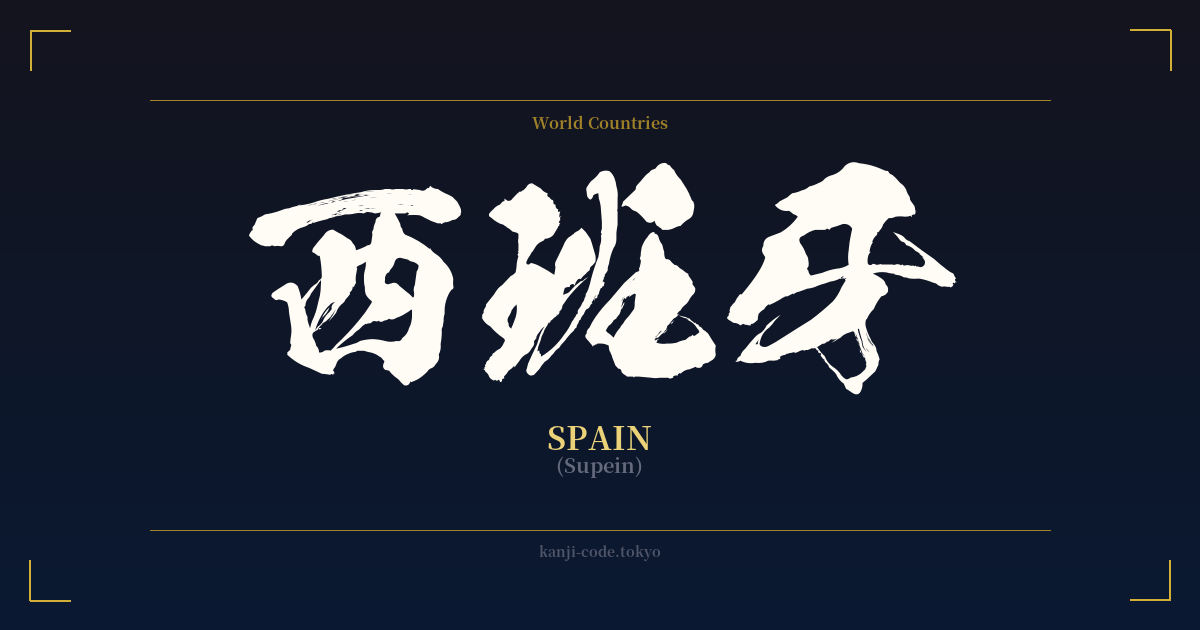
The same kanji can look dramatically different depending on the calligraphy style. Choose a font that matches the mood you want for your tattoo or design.
🎨 Tattoo Suitability
📐 Tattoo Design Guide
For a tattoo of 葡萄牙, the design should honor its historical and visually complex nature.
– Placement: Due to its three-character length and the intricacy of the first two kanji, this design works best on larger, flatter areas of the body. The forearm, calf, or down the spine or sternum are excellent choices that allow the characters to be rendered with clarity.
– Orientation: A vertical 'tategaki' (縦書き) arrangement is highly recommended. This is the traditional format for Japanese writing and it creates a beautiful, flowing aesthetic for a three-character compound.
– Font Style: Traditional calligraphy styles are the best fit. A 'kaisho' (楷書) block script will look clean, formal, and deliberate. For a more fluid and artistic feel, a 'gyōsho' (行書) semi-cursive script can connect the characters slightly, adding a sense of motion and elegance.
Comments