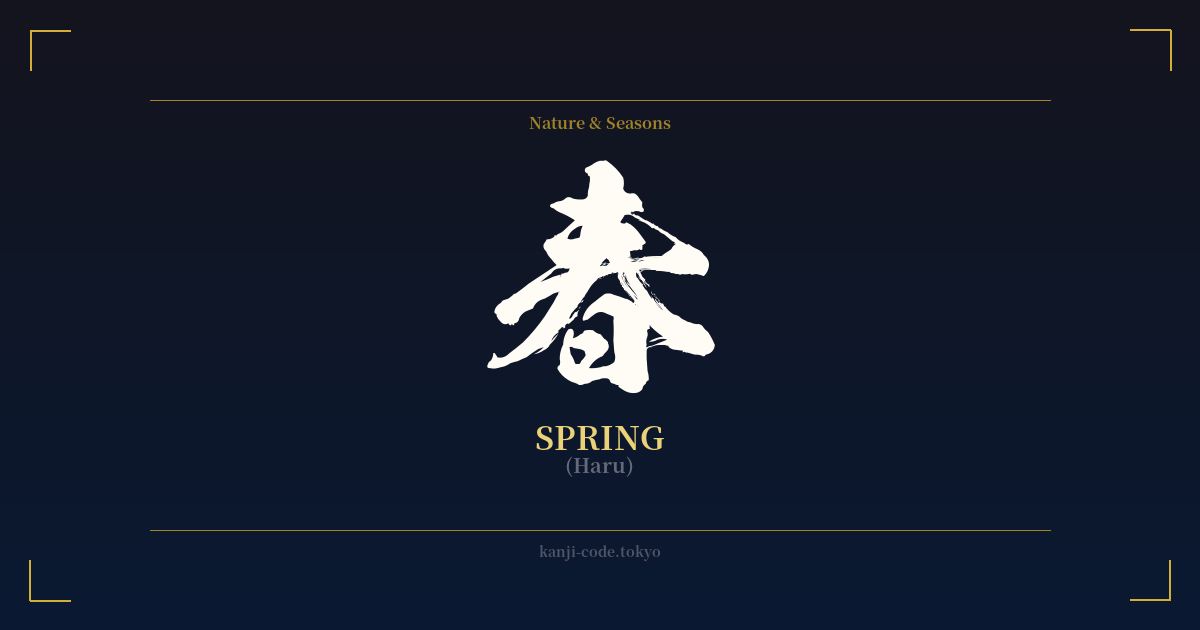
✍️ 春 (Haru) — Cultural Context
The kanji 春 (Haru) is more than just a character for a season; it is a cultural cornerstone in Japan, embodying themes of renewal, hope, and the beautiful, transient nature of life.
Its ancient form tells a story. The character is a combination of pictographs: the top part representing budding plants pushing through the soil, and the bottom element being 日 (hi), the sun. Together, they paint a vivid picture of life reawakening under the warmth of the sun after a long winter. This etymology captures the very essence of spring—a time of energetic growth and burgeoning life.
In Japanese culture, spring is not just a change in weather but the definitive start of a new cycle. The fiscal year and the school year both begin in April, coinciding with the peak of the cherry blossom season. This imbues the season with a powerful sense of new beginnings, fresh starts, and the excitement of future possibilities. The air is filled with a feeling of optimism as people embark on new jobs, enter new schools, and set new goals.
The most iconic symbol of Japanese spring is, of course, the sakura (cherry blossom). The tradition of hanami (flower viewing) is a national pastime where friends, family, and colleagues gather under the blooming trees to celebrate their ephemeral beauty. This practice is deeply connected to the Buddhist concept of 'mono no aware'—a gentle, wistful appreciation for the transience of things. The glorious but brief life of the sakura serves as a poignant reminder that beauty, youth, and life itself are fleeting and should be cherished in the moment.
This sentiment is woven throughout Japanese art and literature. 'Haru' is a fundamental 'kigo' (season word) in haiku poetry, used to anchor a poem in a specific time and evoke the rich tapestry of feelings associated with it. From the famous poems of Matsuo Bashō to modern pop songs, 'Haru' is used to explore themes of young love, nostalgia, and hopeful farewells.
The character is also a popular component in Japanese names, such as Haruka (distant spring) or Haru (spring), reflecting a parent's wish for their child to have a life full of hope, growth, and brightness.
🖌️ Font Styles for 春
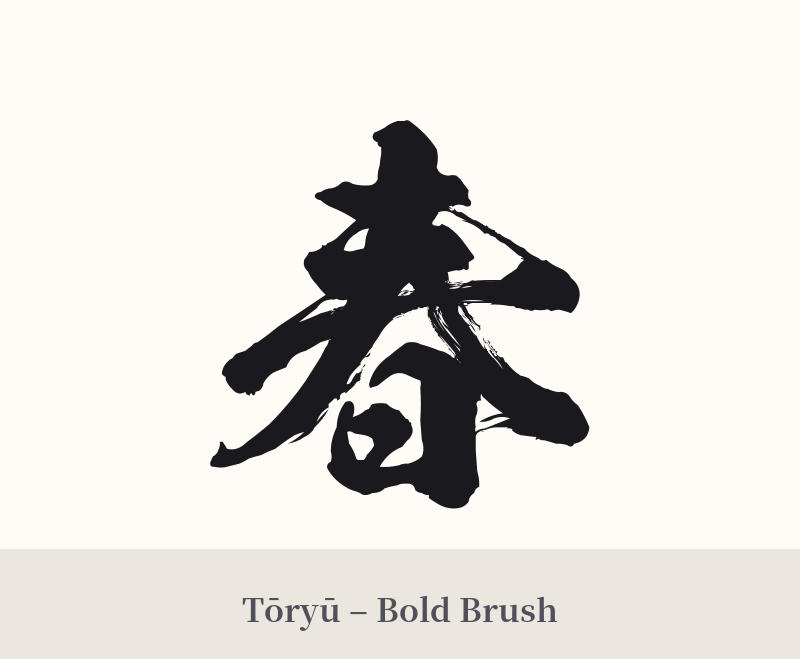
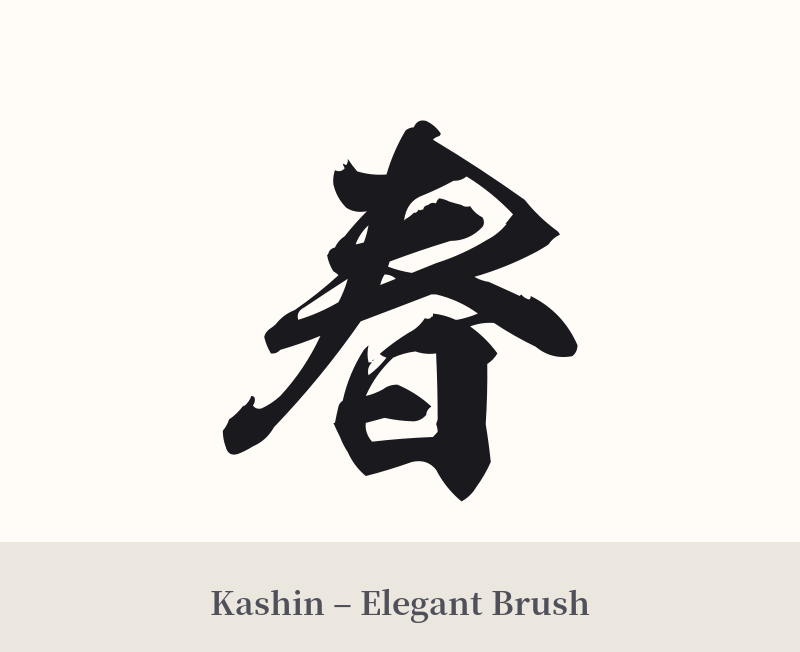
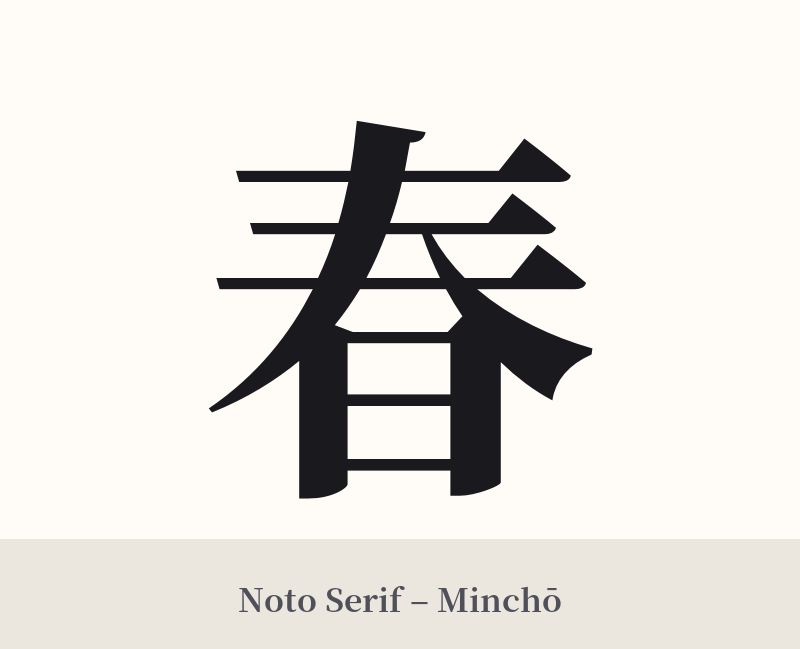
The same kanji can look dramatically different depending on the calligraphy style. Choose a font that matches the mood you want for your tattoo or design.
🎨 Tattoo Suitability
📐 Tattoo Design Guide
The kanji 春 (Haru) is elegant and balanced, lending itself well to a variety of tattoo designs.
– Placement: Its gentle and positive meaning makes it suitable for visible yet personal locations. Consider the inner wrist, the ankle, behind the ear, or along the collarbone. For a larger piece, it can serve as a central element on the forearm or back.
– Font Style: An elegant, semi-cursive calligraphy style (gyōsho) can capture the natural, flowing feeling of spring. For a more classic and refined look, a crisp Mincho (serif) font is an excellent choice. A bold, brush-stroke style can emphasize the energy and vitality of the season.
– Visual Tips: Complement the kanji with other spring-related imagery. A few falling cherry blossom petals, a soft watercolor background in pink or light green, or subtle wind bars can beautifully enhance the design without overwhelming the character itself. The key is to maintain a sense of lightness and grace.
Comments