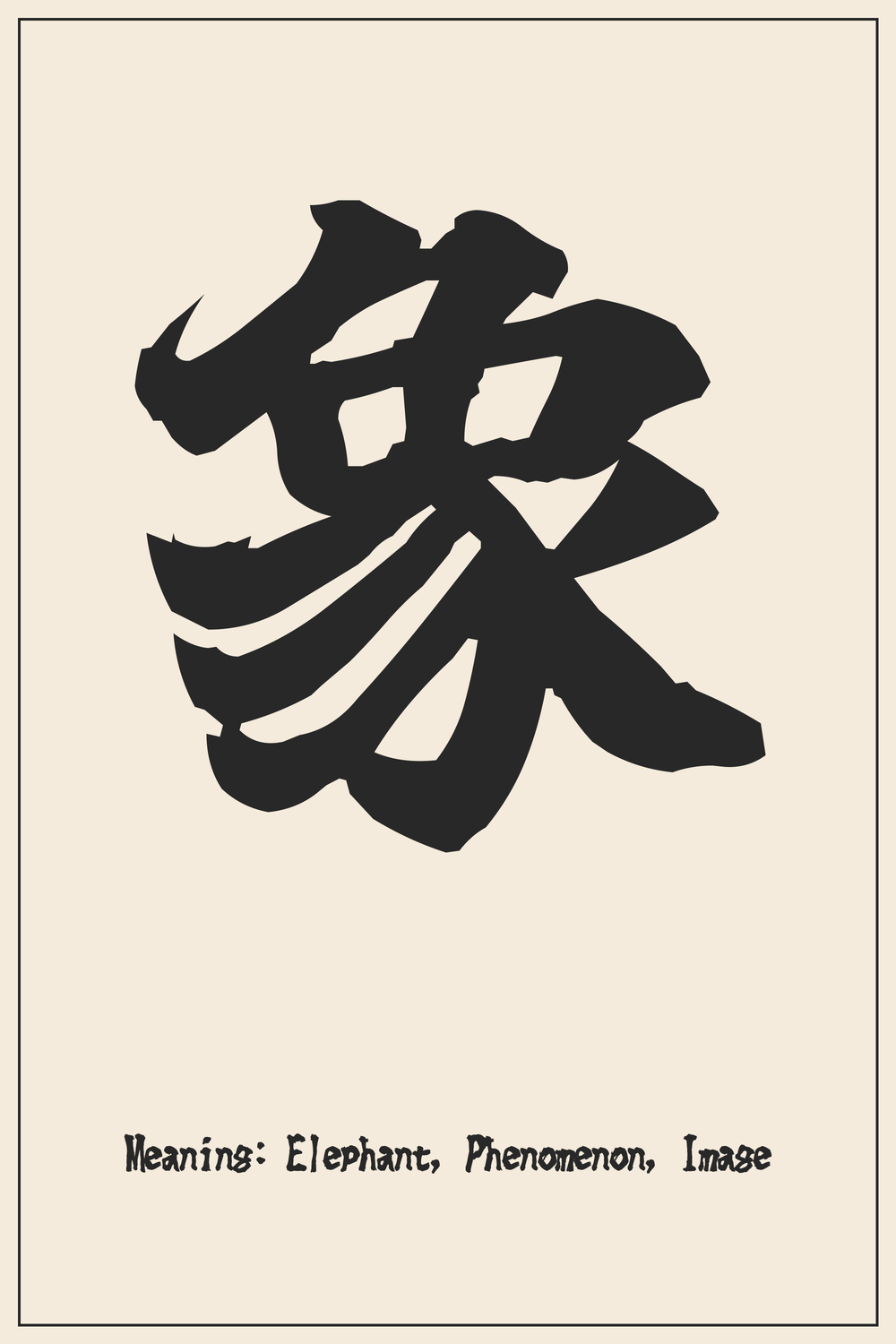
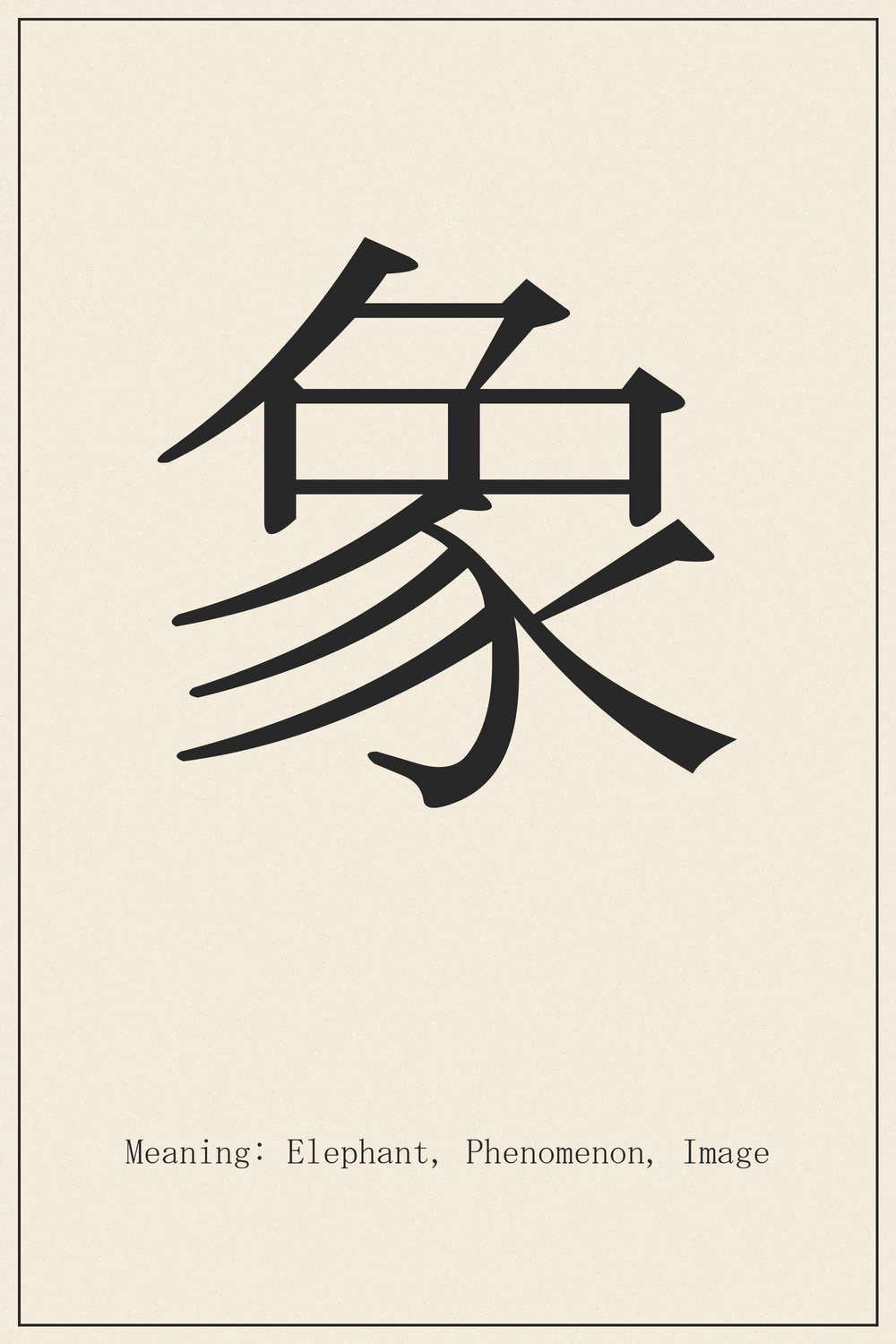
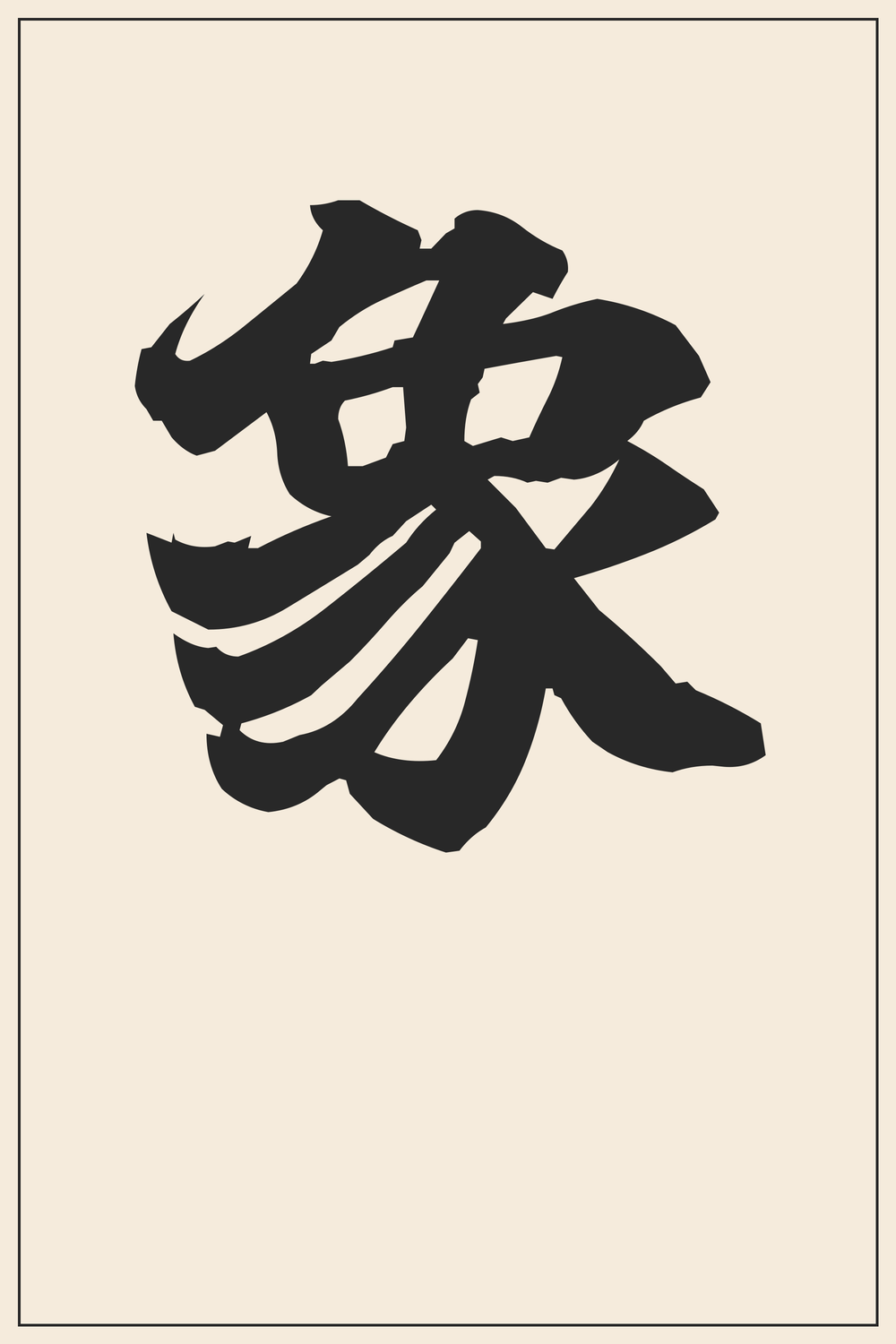
The kanji 象 embodies a fascinating duality, representing both the majestic elephant and the profound concept of phenomena or manifestations. This single character offers a blend of natural power and philosophical depth, making it a truly compelling symbol.
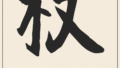
The atmosphere of a Kanji character changes dramatically depending on the font style. A character that looks elegant in a brush style might look bold and modern in a different font.
Recommendation:
Since a tattoo is permanent, we strongly recommend comparing various font styles beyond what is shown here. Use our designs as a trusted reference for the correct structure, but feel free to explore different artistic variations to find the perfect match for your vision.
The Deep Meaning Behind 象
The character 象 is a pictograph, directly derived from the ancient depiction of an elephant. Its early forms clearly illustrate the animal’s trunk, tusks, and powerful body, capturing its distinctive silhouette. This visual origin grounds the kanji firmly in the natural world.
Beyond its literal animal meaning, 象 extended its semantic range to signify “image,” “form,” “likeness,” or “phenomenon.” This philosophical leap arose from the idea that an elephant’s prominent and unique appearance makes it a definitive “image” of itself, thus symbolizing any distinct manifestation or observable phenomenon. In Japanese culture, while not indigenous, the elephant carries associations of wisdom and power, often revered in Buddhist contexts.
Kanji Breakdown
The kanji 象 is unique in that it functions as its own radical and is fundamentally a pictographic representation.
Meaning: Elephant; Image/Form/Phenomenon
Short explanation: As an ancient pictograph, 象 directly illustrates the form of an elephant, depicting its large head, trunk, and body. This foundational meaning of the majestic animal naturally led to its extended use to represent “image,” “likeness,” or “phenomenon”—anything that presents a clear and distinct form to the senses.
Conclusion
The kanji 象 is a powerful emblem, skillfully bridging the natural world with abstract thought. It encompasses the physical grandeur of the elephant and the philosophical notion of how things appear and are perceived.
For those drawn to symbols of strength, wisdom, or the deeper manifestations of reality, a tattoo of 象 offers a design of profound resonance. Its clear structure and rich meanings make it an outstanding choice for personal expression.
Comments