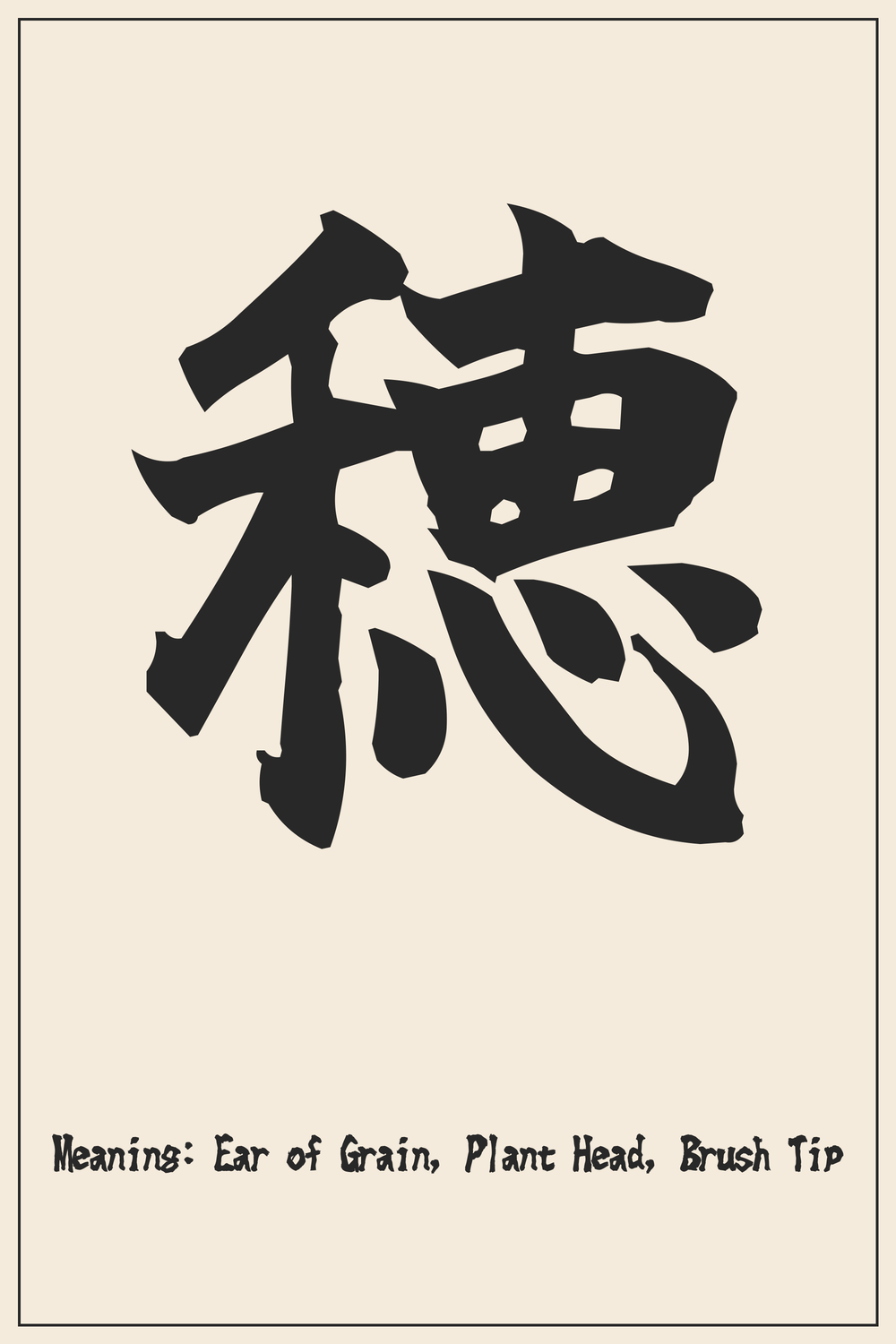
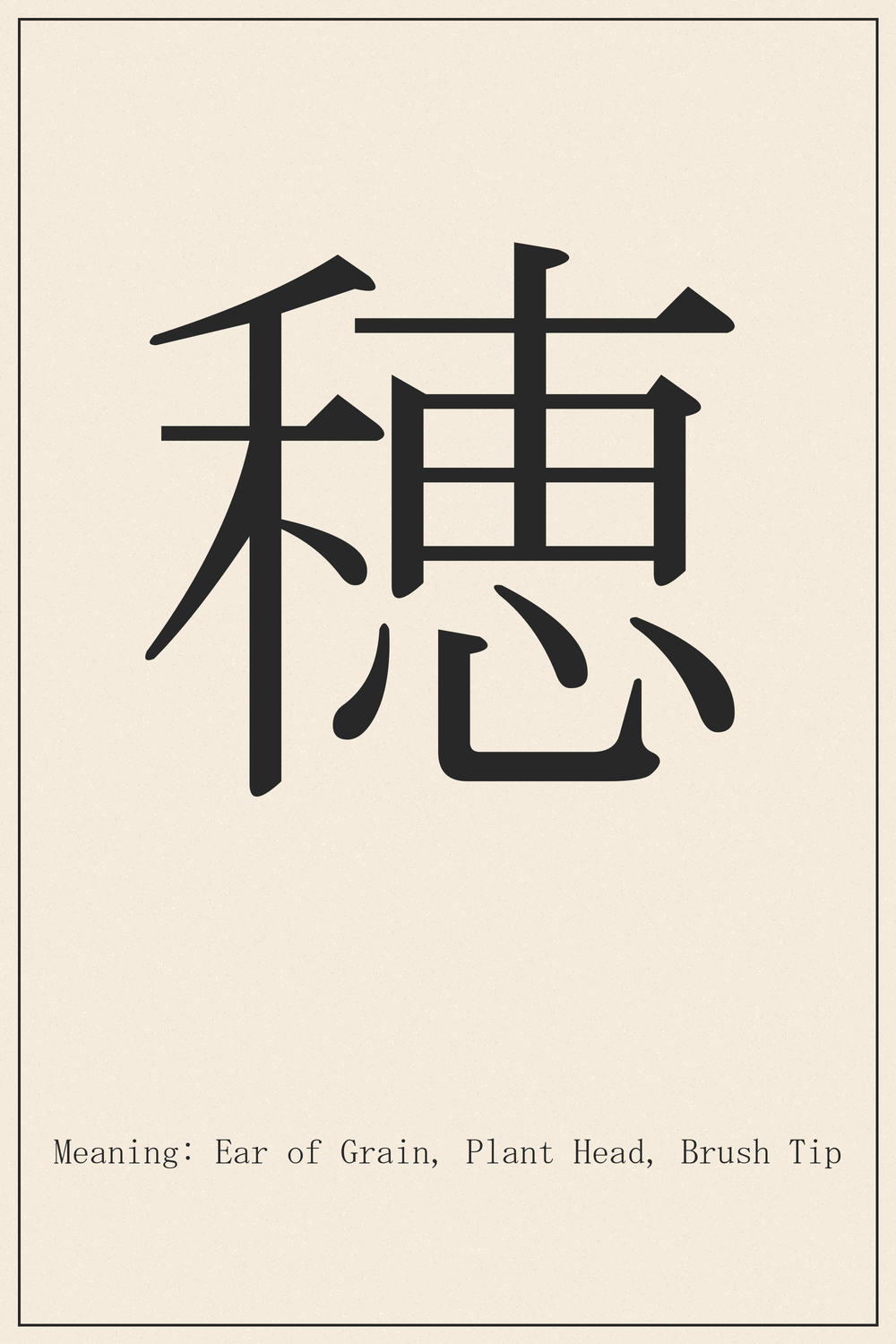
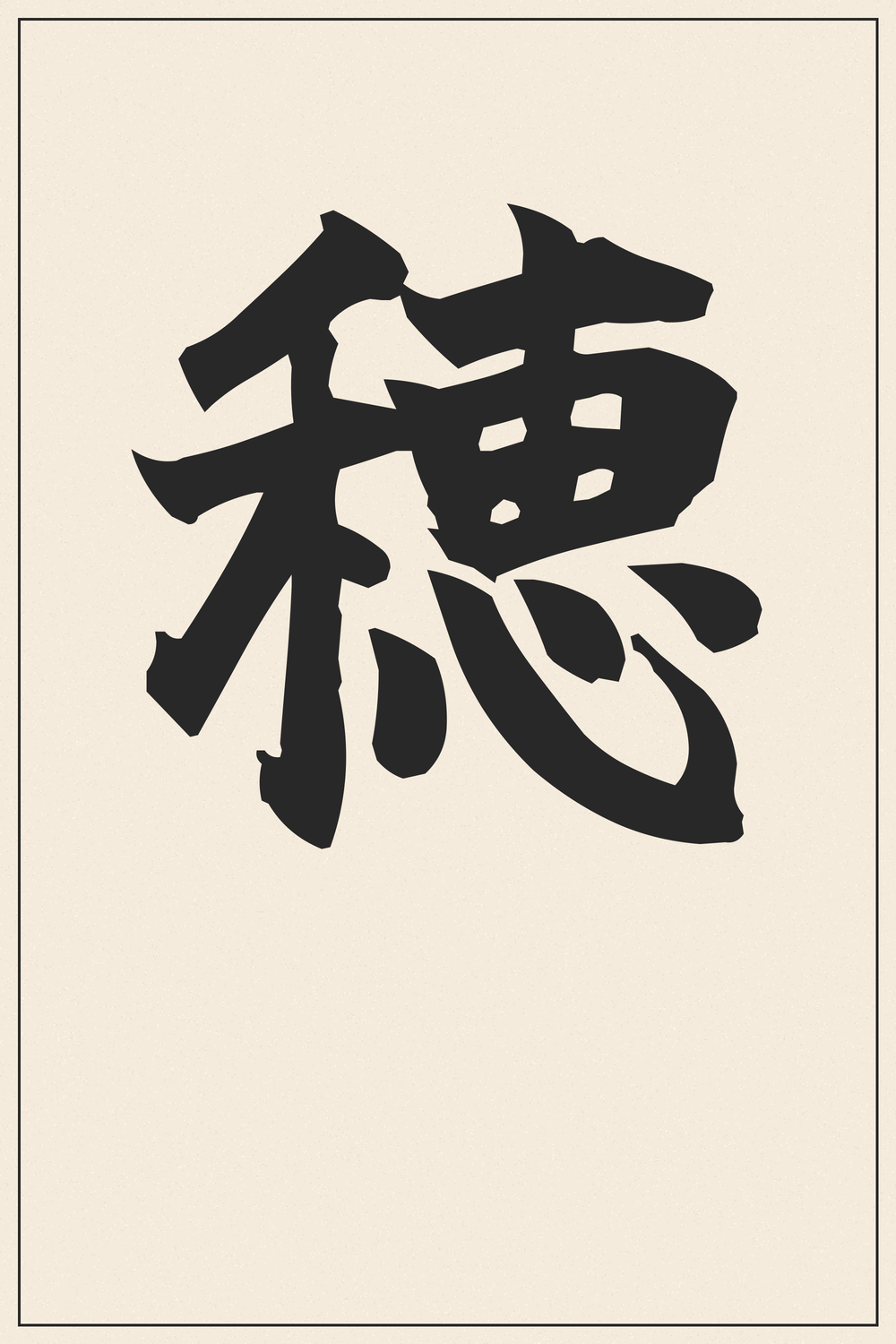
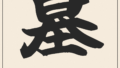
The Kanji 穂 evokes images of vitality, abundance, and the culmination of growth. It subtly connects the bounty of nature with the precision of craftsmanship.
The atmosphere of a Kanji character changes dramatically depending on the font style. A character that looks elegant in a brush style might look bold and modern in a different font.
Recommendation:
Since a tattoo is permanent, we strongly recommend comparing various font styles beyond what is shown here. Use our designs as a trusted reference for the correct structure, but feel free to explore different artistic variations to find the perfect match for your vision.
The Deep Meaning Behind 穂
The Kanji 穂 (ho) originally captures the essence of a plant’s peak, specifically the head or ear of grain. This character is deeply rooted in Japan’s agricultural history, where the bountiful harvest of rice and other grains was central to life and prosperity.
Beyond agriculture, 穂 also extends its meaning to the tip of a brush (筆の穂), connecting it to the world of calligraphy and artistry. This dual meaning highlights both the natural world’s abundance and the refinement of human endeavor, suggesting a harmonious balance between nature and craft.
Kanji Breakdown
The Kanji 穂 is composed of two main elements, each contributing to its rich meaning.
Meaning: Grain, Standing Grain. This radical directly signifies the connection to plants, particularly cereals like rice, emphasizing the agricultural aspect of 穂.
Meaning: Favor, Blessing (Phonetic Component). While its modern meaning is ‘favor’, in 穂, it primarily serves as a phonetic element. Historically, this component evolved from a character (彗) denoting a broom or brush, contributing the idea of a ‘tip’ or ‘point’ to the overall meaning of 穂 as the head of a plant or tip of a brush.
Conclusion
The Kanji 穂 encapsulates the beauty of nature’s cycles, symbolizing prosperity, growth, and the successful culmination of effort. It represents the ripeness of harvest and the focused precision of an artist’s tool, making it a symbol of both natural bounty and cultivated skill.
Choosing 穂 for a tattoo is a testament to an appreciation for life’s abundance and the delicate balance between the organic world and human creativity. Its elegant form and profound meanings make it an excellent choice for a meaningful and visually appealing design.
Comments