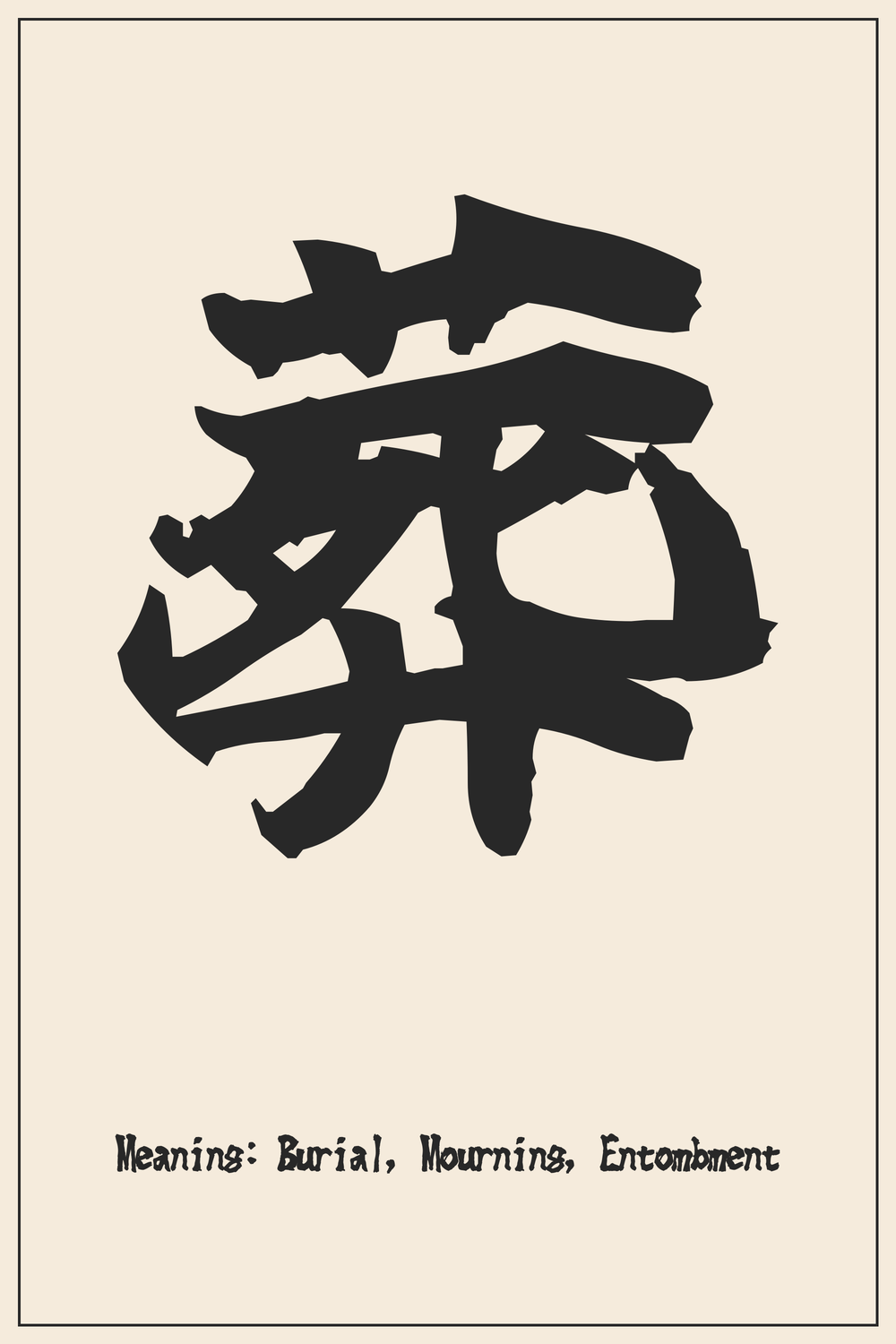
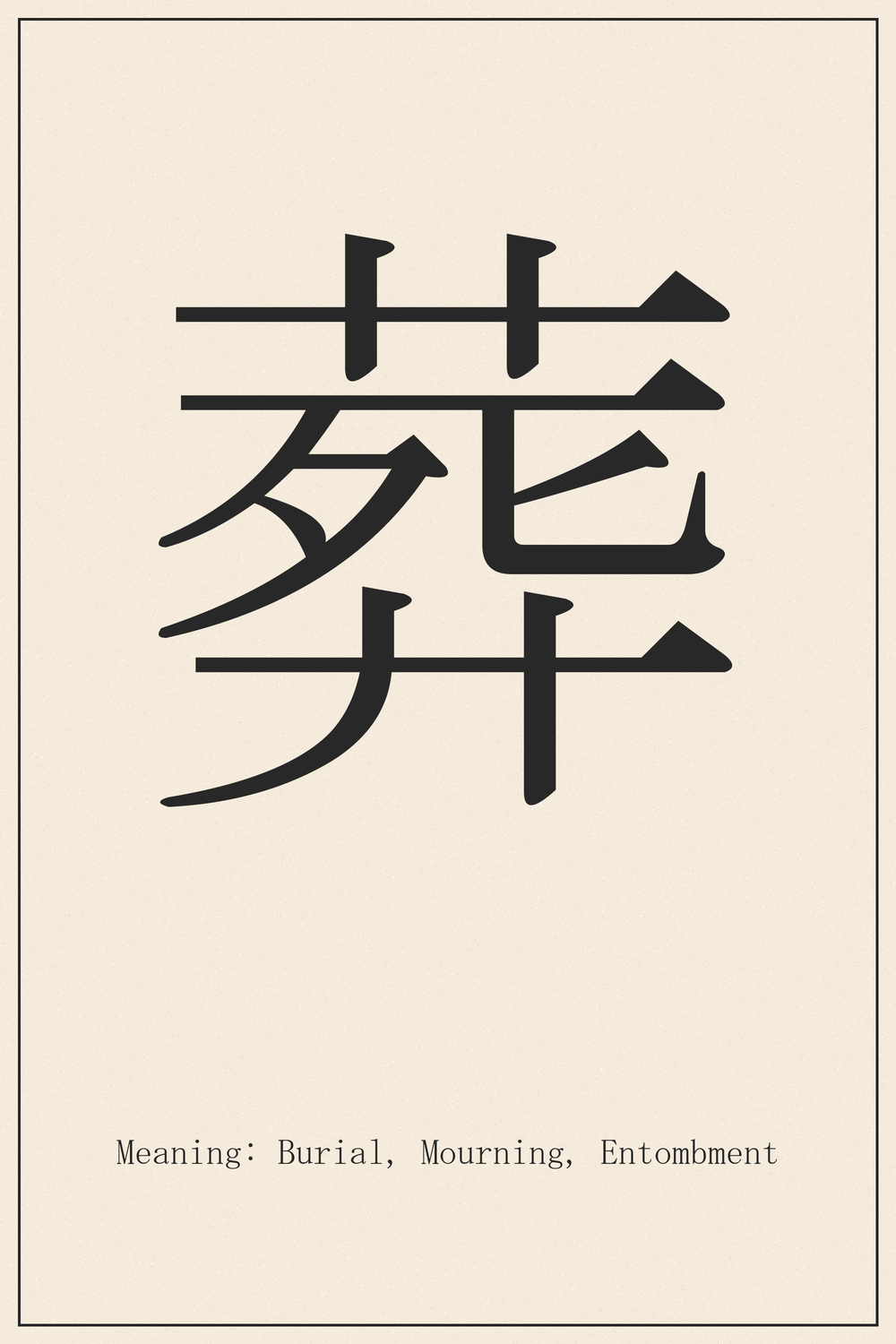
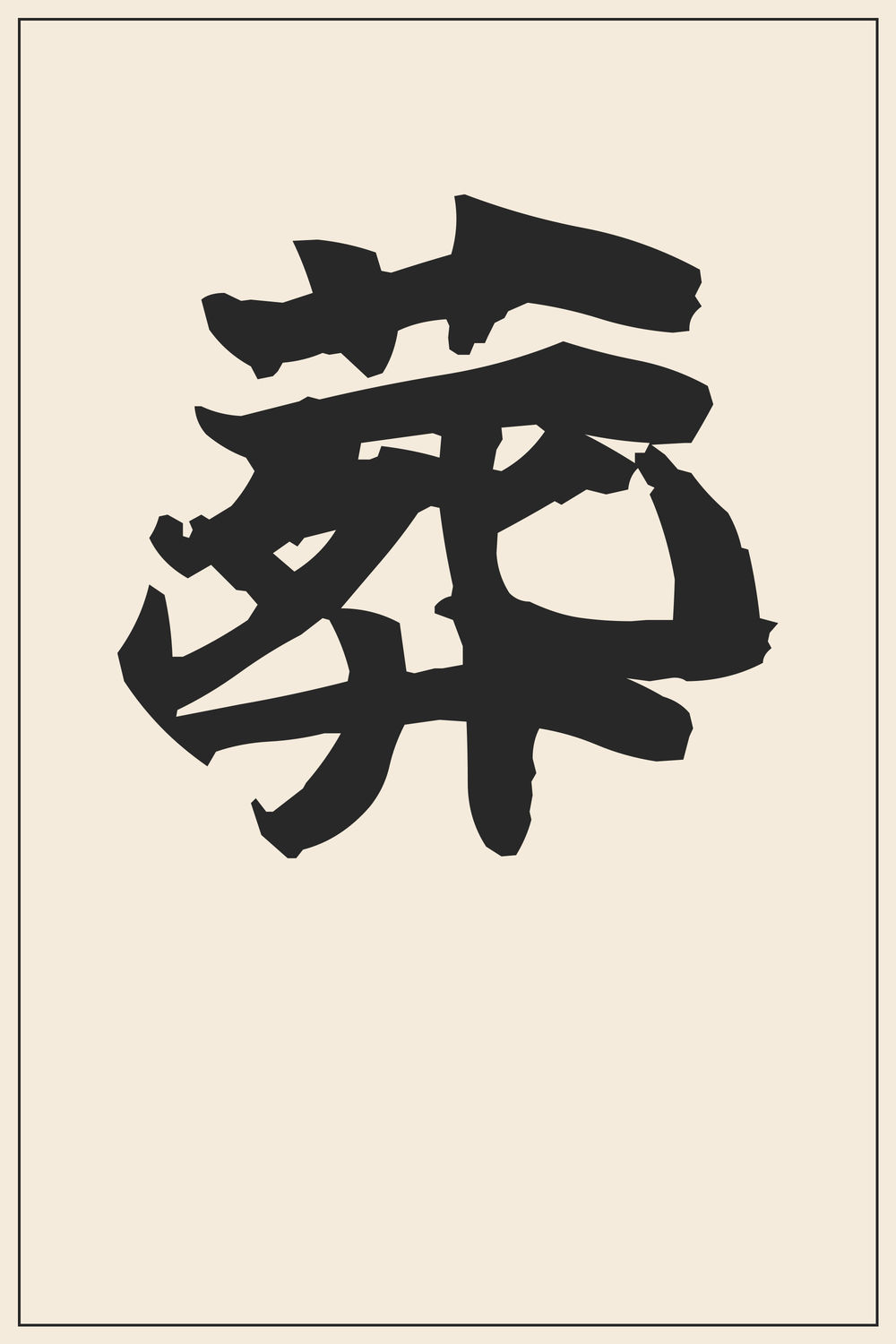
The kanji 葬 encapsulates the profound human experience of laying the departed to rest. It is a character that speaks of finality, remembrance, and the solemn act of interment.
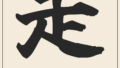
The atmosphere of a Kanji character changes dramatically depending on the font style. A character that looks elegant in a brush style might look bold and modern in a different font.
Recommendation:
Since a tattoo is permanent, we strongly recommend comparing various font styles beyond what is shown here. Use our designs as a trusted reference for the correct structure, but feel free to explore different artistic variations to find the perfect match for your vision.
The Deep Meaning Behind 葬
The character 葬 (sō) profoundly illustrates the concept of burial. Its ancient form depicted covering a corpse with grass or earth, reflecting the early human practice of interment. This visual representation emphasizes concealment and the return to the earth.
In Japanese culture, 葬 is intrinsically linked to funeral rites and the respectful handling of the deceased. It represents not just the physical act of burial but also the associated rituals of mourning, farewell, and the spiritual transition. It is a word heavy with solemnity and the gravity of final goodbyes.
Kanji Breakdown
The character 葬 is composed of components that visually convey its meaning of burial and mourning.
Grass Radical (kusa): This radical often appears at the top of characters and in this context, it symbolizes covering or concealment, much like earth or vegetation covers a grave.
Death (shi): This component directly indicates the core concept of the kanji, signifying the end of life and the presence of a body to be interred.
Two Hands (kyou): Historically, this component can depict hands working together, here suggesting the act of placing or arranging something, or a ceremonial gesture associated with burial.
Conclusion
The kanji 葬 embodies the solemn act of burial, carrying connotations of mourning, finality, and the respectful handling of death. It is a powerful character that reflects an essential, albeit somber, aspect of the human condition.
While culturally significant, its direct association with death makes it a challenging choice for a tattoo if a positive or empowering message is desired. It is crucial to understand its profound implications before committing to such a deeply meaningful and serious symbol on your skin.
Comments