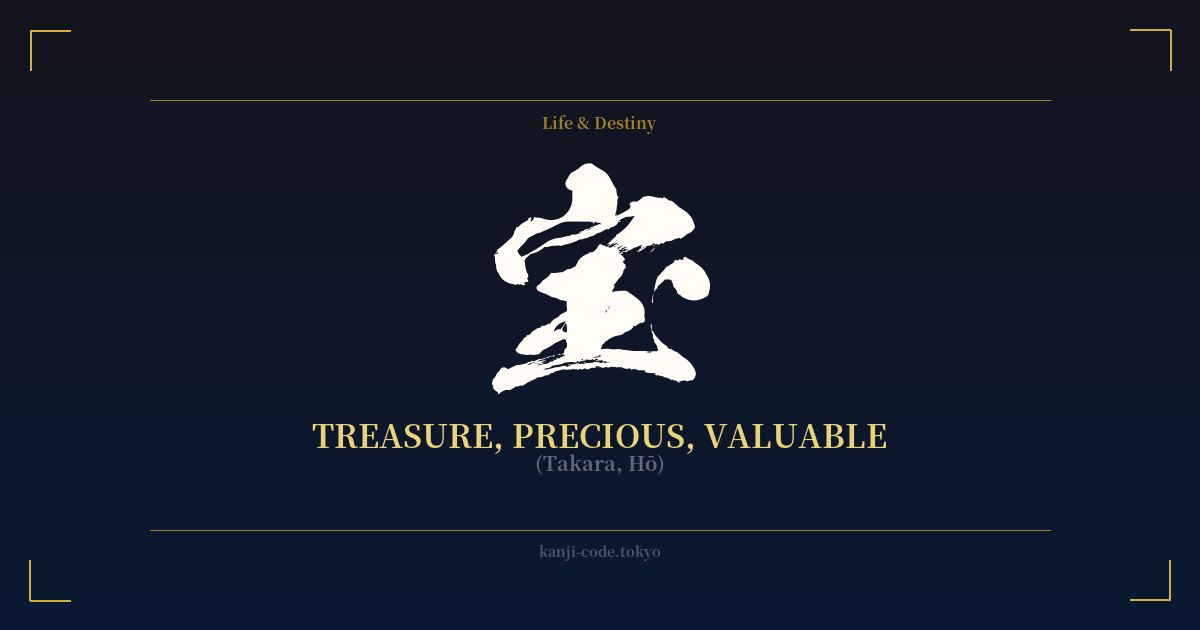
✍️ 宝 (Takara, Hō) — Cultural Context
The kanji 宝 (takara) is one of the most evocative and cherished characters in the Japanese language, embodying concepts of treasure, value, and preciousness. Its meaning extends far beyond material wealth, touching upon the intangible things that give life meaning.
Visually, the kanji tells a story. It is a combination of the radical 宀 (ukanmuri), which represents a roof or a house, and 玉 (tama), meaning 'jewel' or 'jade'. Together, they depict a jewel kept safely under a roof, a perfect ideogram for something precious and protected. This origin highlights an ancient understanding of treasure not just as something valuable, but as something to be guarded and cherished within the home or heart.
In Japanese culture, 宝 is deeply woven into folklore and tradition. The most famous example is the 宝船 (takarabune), the mythical treasure ship of the Seven Lucky Gods (七福神, Shichifukujin). This ship is said to be laden with all manner of treasures and good fortune, and images of it are popular talismans, especially around New Year's, to usher in a prosperous year.
The character is also a common component in words and concepts related to value. A 'national treasure' is a 国宝 (kokuhō), a priceless cultural asset. A 'gemstone' is a 宝石 (hōseki). Perhaps most poignantly, the term 子宝 (kodakara), which literally translates to 'child-treasure,' is used to mean being blessed with children, framing them as the ultimate precious gift.
This philosophical depth is what makes 宝 so powerful. While it can certainly refer to gold, jewels, and riches, its more profound usage points to what an individual holds most dear. This could be family, love, friendship, health, a hard-won skill, or a cherished memory. It represents a personal definition of wealth, a reminder that the greatest treasures are often not things you can hold in your hand, but things you hold in your heart.
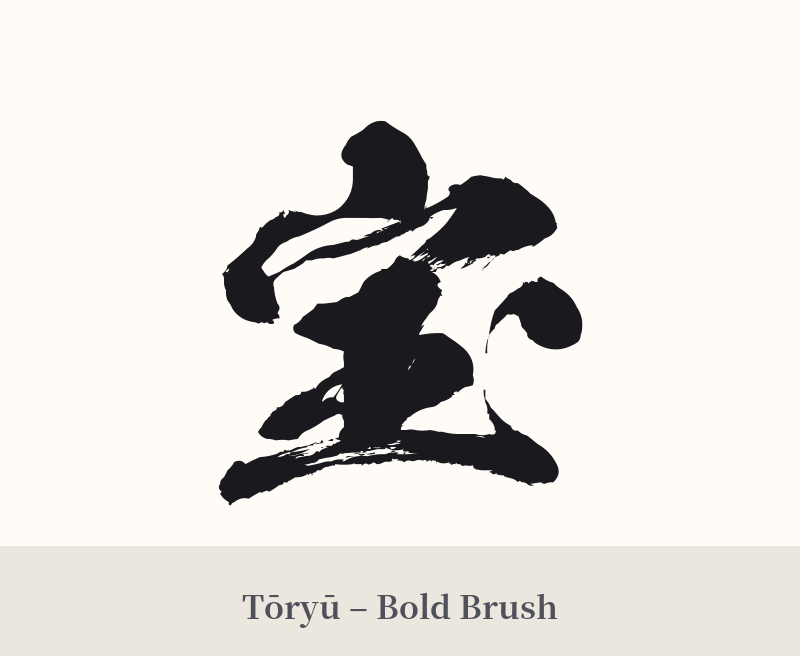
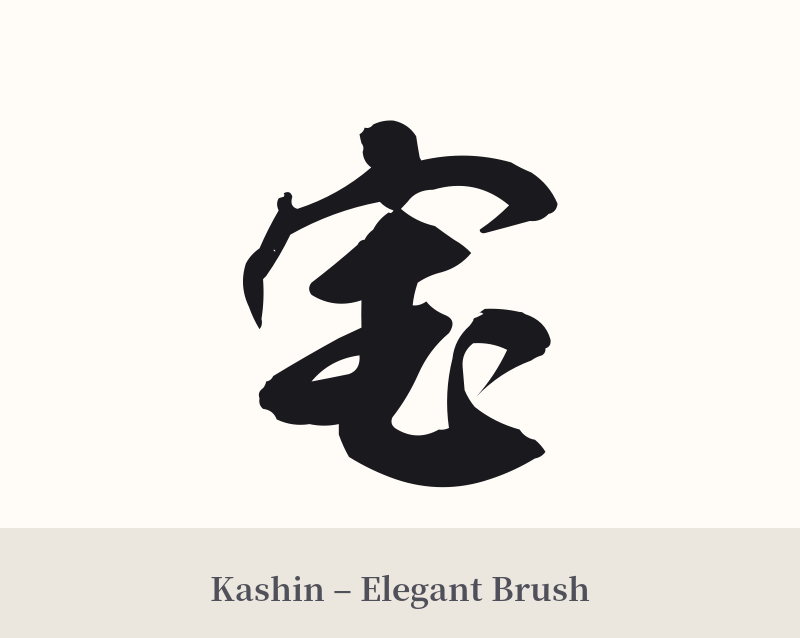
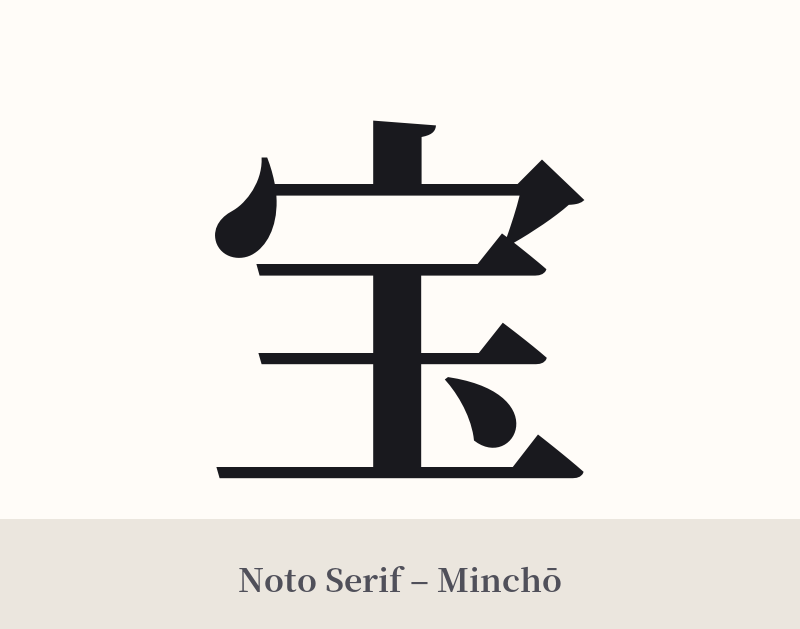
🖌️ Font Styles for 宝
The same kanji can look dramatically different depending on the calligraphy style. Choose a font that matches the mood you want for your tattoo or design.
🎨 Tattoo Suitability
📐 Tattoo Design Guide
The kanji 宝 is versatile and carries a warm, positive energy, making it suitable for various tattoo designs and placements.
– Placement: For a personal and intimate meaning, consider placing it on the inner wrist, over the heart, or on the ribcage. For a more public declaration of what you value, the forearm or calf works well.
– Style: A traditional, bold calligraphy style (shodō) can emphasize the character's historical weight and importance. A finer, more elegant Mincho script can lend it a sense of grace and preciousness. For a deeply personal touch, a free-flowing Gyosho or Sosho (semi-cursive or cursive) style can capture the unique energy of your personal 'treasure'.
– Visual Tips: Because the kanji itself symbolizes a protected jewel, it works beautifully as a standalone piece. You could also consider incorporating it into a larger design, perhaps with a subtle image of what it represents to you—a flower for a loved one, a wave for a cherished place, or a simple circle (ensō) to represent the universe of things you hold dear.
Comments