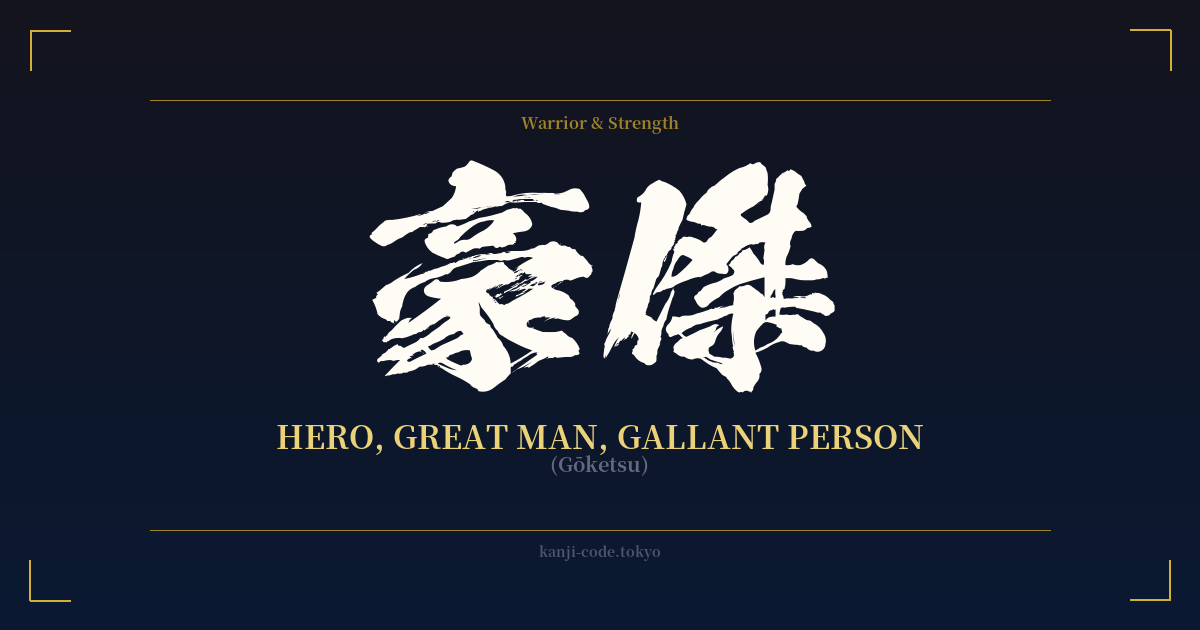
✍️ 豪傑 (Gōketsu) — Cultural Context
豪傑 (Gōketsu) is a Japanese word that translates to “hero,” “great person,” or “gallant person,” but these simple English terms barely scratch the surface of its powerful connotation. A Gōketsu is not just any hero; they are a larger-than-life figure, a force of nature defined by their extraordinary talent, immense strength, and indomitable spirit.
Unlike the more common word for hero, 英雄 (Eiyū), which often refers to a celebrated figure who performs great deeds for society, Gōketsu focuses on personal, almost overwhelming, prowess. An Eiyū is a hero recognized by the people, while a Gōketsu is a hero by virtue of their own inherent, undeniable power. Think of a legendary warrior whose skill in battle is so profound it seems almost supernatural, or a leader whose charisma and boldness can sway the course of history.
Historically, the term is deeply rooted in tales of samurai, warriors, and adventurers. The classic Chinese novel Water Margin, known as 水滸伝 (Suikoden) in Japan, is famously a collection of stories about 108 Gōketsu—heroic outlaws who are masters of martial arts, strategy, and sheer bravado. In Japanese history, a figure like the warrior monk Musashibō Benkei, a giant of a man known for his incredible strength and unwavering loyalty to his master, is a perfect embodiment of a Gōketsu.
Another key distinction is from 勇者 (Yūsha), which means “brave person.” This term is most famously used in fantasy settings like video games to describe the protagonist who courageously fights against evil. Gōketsu, however, is not inherently tied to morality. A Gōketsu’s defining trait is their exceptional ability, not necessarily their righteousness. A powerful, charismatic villain or an audacious anti-hero could just as easily be described as a Gōketsu.
In modern Japan, Gōketsu is a word with a classic, epic feel. It’s not used in everyday conversation but might be invoked to describe a particularly dominant athlete, a daring entrepreneur who takes massive risks, or a character in a historical film. To be called a Gōketsu is to be recognized as someone of magnificent and rare caliber, a person who stands head and shoulders above the rest.
🖌️ Font Styles for 豪傑
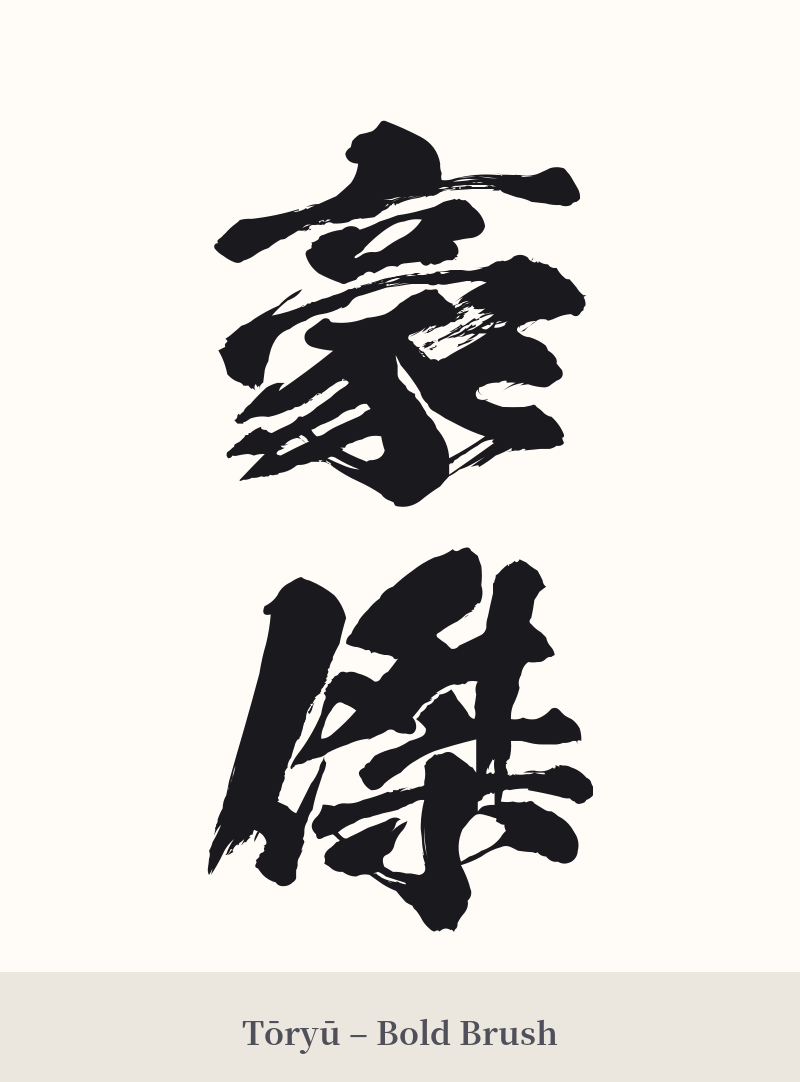
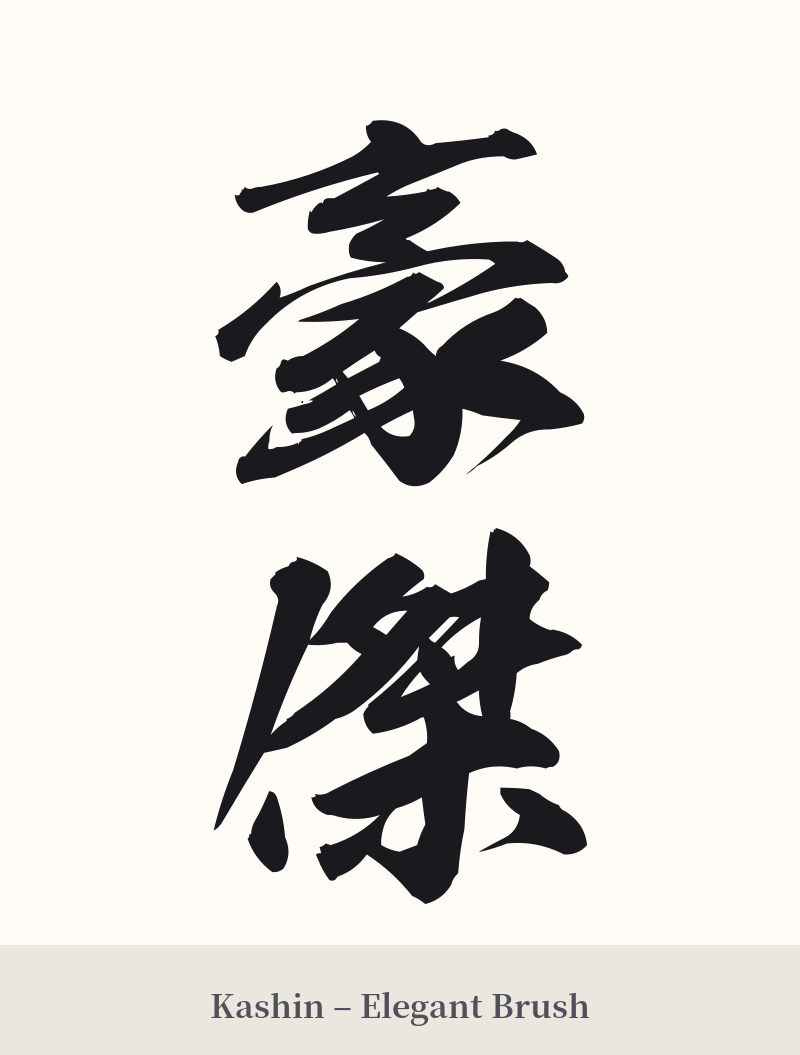
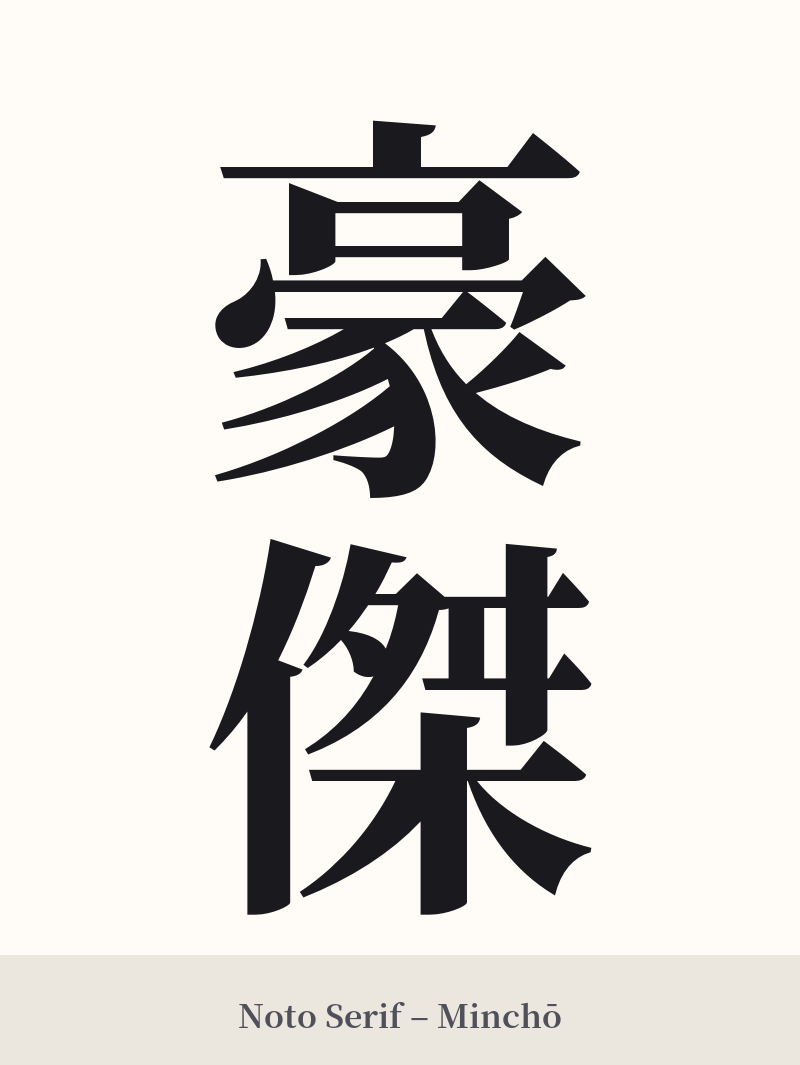
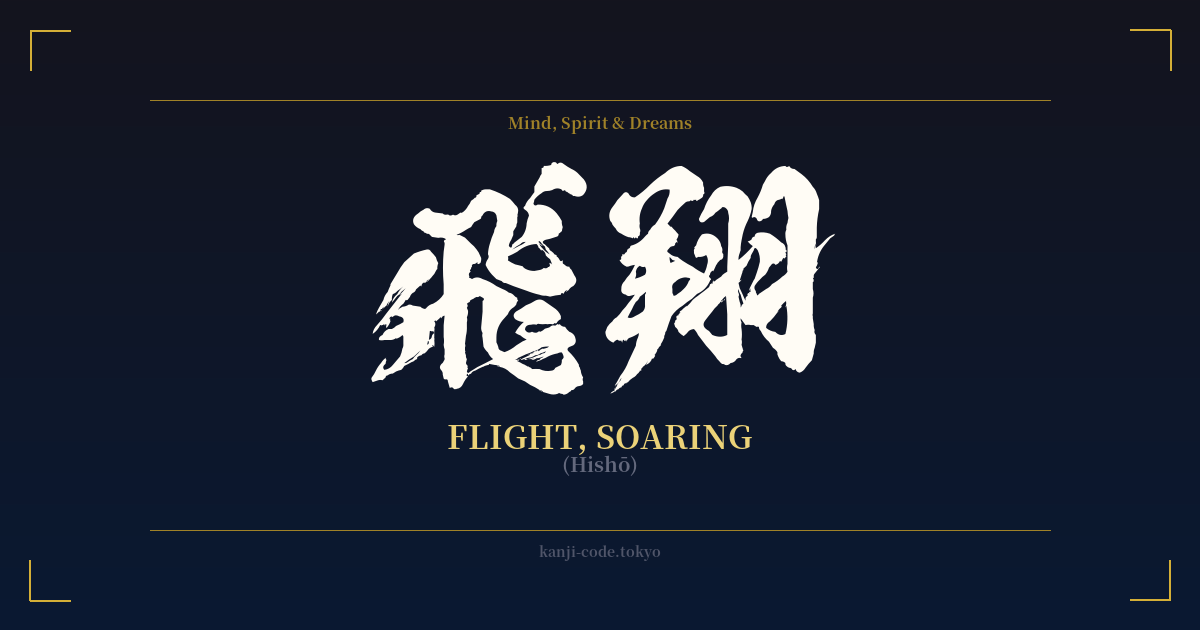
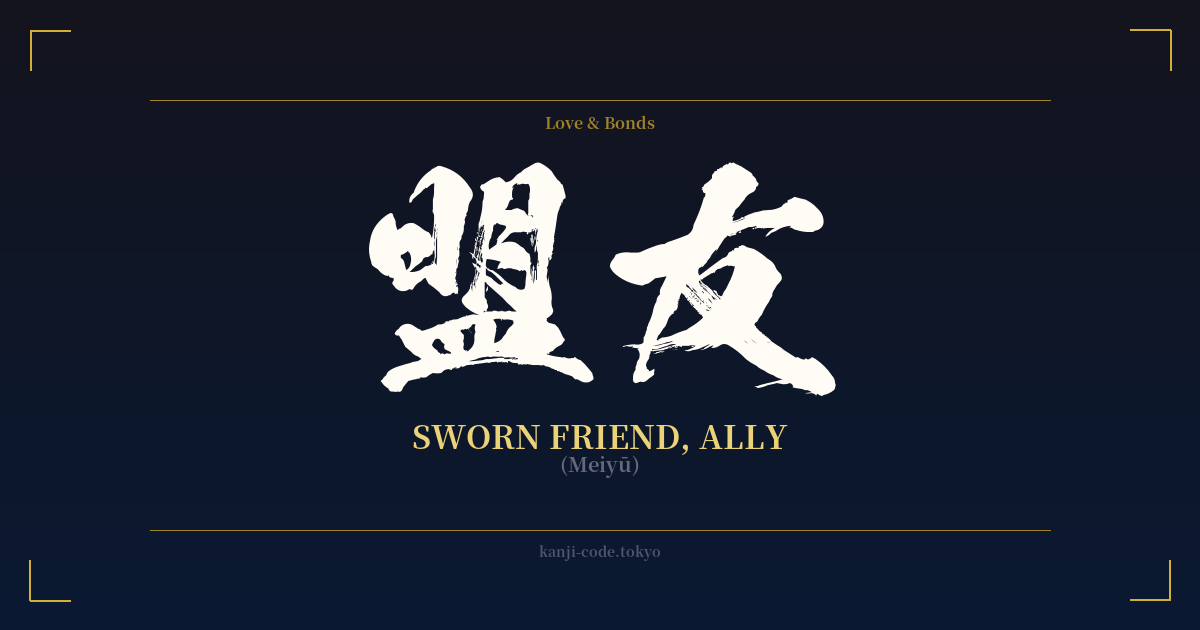
The same kanji can look dramatically different depending on the calligraphy style. Choose a font that matches the mood you want for your tattoo or design.
🎨 Tattoo Suitability
📐 Tattoo Design Guide
When designing a tattoo for 豪傑 (Gōketsu), the key is to emphasize its inherent power and complexity. This is a word that demands a bold statement.
– Placement: Due to its two-character structure and visual density, Gōketsu works exceptionally well in a vertical orientation. Ideal placements include the spine, the forearm (running from elbow to wrist), or the calf. For a horizontal layout, the upper back or chest provides a wide enough canvas to let the characters breathe.
– Font Style: Opt for strong, assertive calligraphy styles. A thick, blocky Kaisho (regular script) font will look solid and imposing. For a more dynamic and fluid feel, a powerful Gyosho (semi-cursive) or Sosho (cursive) style by a skilled artist can capture the word's energetic spirit. Avoid thin, delicate, or overly ornate fonts, as they would contradict the meaning.
– Visual Tips: The most critical factor is size. These are high-stroke-count kanji (14 and 13 strokes). If tattooed too small, they will inevitably blur into an illegible mark. It is essential to go larger than you might initially think to preserve the detail and integrity of each stroke. Ensure your artist is experienced with kanji to maintain the correct stroke order and balance, which are vital for the characters' authenticity and aesthetic appeal.
Comments