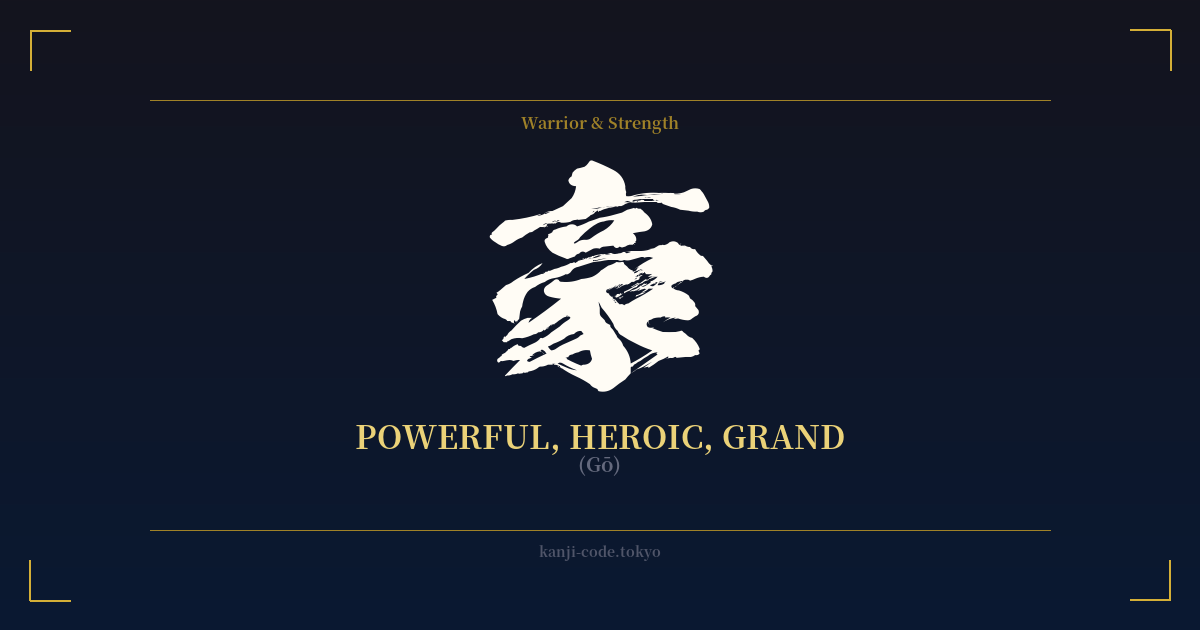
✍️ 豪 (Gō) — Cultural Context
The kanji 豪 (Gō) is a character saturated with notions of power, heroism, and magnificence. Its origin story provides a fascinating glimpse into how abstract concepts were born from the natural world. The character is a combination of 高 (kō), meaning 'high' or 'tall', and 豕 (shi), the radical for 'pig' or 'boar'. Originally, it was believed to represent a porcupine or a wild boar with prominent, sharp quills, an animal known for its ferocity and formidable defense. This image of a 'bristly, powerful beast' formed the foundation of its meaning.
From this visceral image of untamed strength, the meaning of 豪 evolved to describe human qualities. It came to signify someone or something that is not just strong, but exceptionally so—a hero, a great figure, or a person of outstanding talent and courage. It’s a character that goes beyond simple physical prowess to encompass a grander, almost larger-than-life quality.
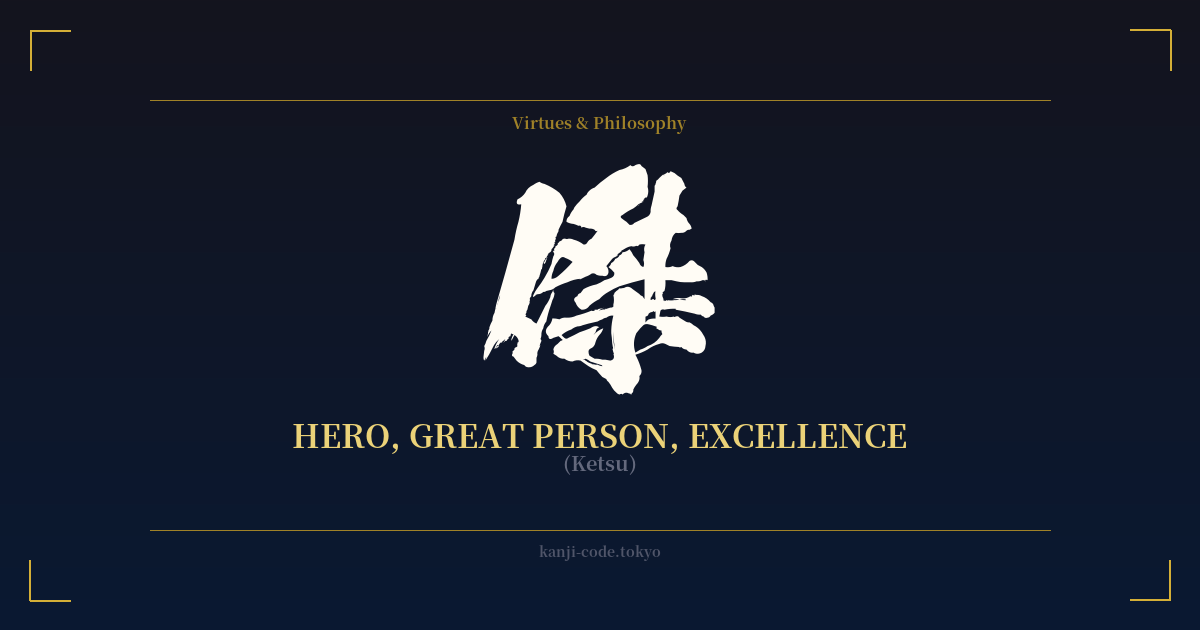
In the Japanese language, 豪 is a key component in words that evoke this sense of greatness. For instance, 豪傑 (gōketsu) refers to a 'hero' or a 'man of great caliber,' a term you would find in epic tales and historical chronicles describing legendary warriors. Similarly, the expression 剛毅豪放 (gōki gōhō) describes a personality that is both resolute and daring. This connection firmly roots 豪 within the samurai ethos and the spirit of Bushido, where such heroic character was highly esteemed.
Beyond heroism, 豪 also carries a strong connotation of splendor and scale. The word 豪華 (gōka) means 'luxurious,' 'splendid,' or 'gorgeous,' used to describe lavish banquets or magnificent architecture. A mansion is a 豪邸 (gōtei), and a torrential downpour is a 豪雨 (gōu). In each case, 豪 elevates the noun to something extraordinary and impressive in scale. This dual meaning—heroic strength and splendid grandeur—makes it a versatile and deeply resonant character.
Interestingly, 豪 is also used in the Japanese name for Australia, 豪州 (Gōshū), which is an abbreviation of its phonetic transcription. This modern usage further cements its association with things that are vast, powerful, and grand. Whether describing a legendary hero or a continent, 豪 captures a sense of impressive and overwhelming presence.
🖌️ Font Styles for 豪
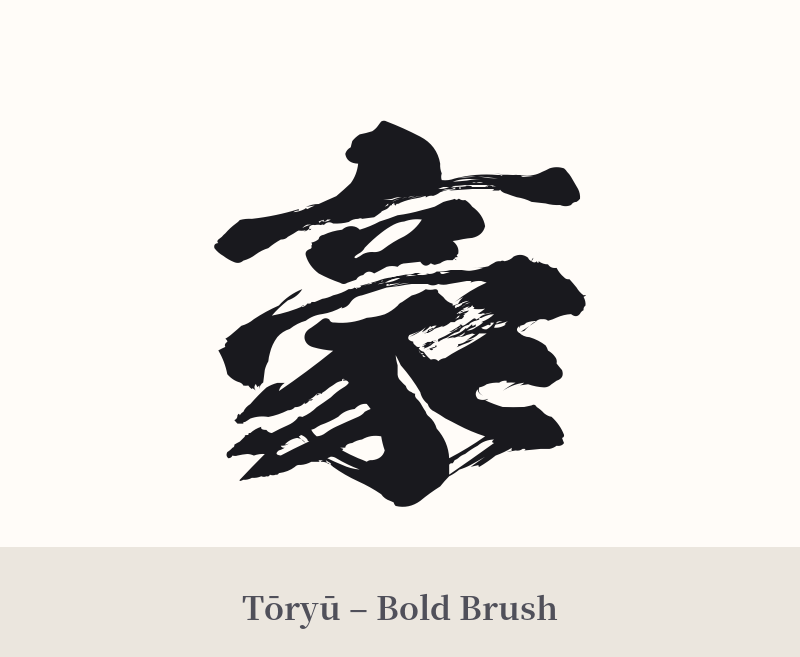
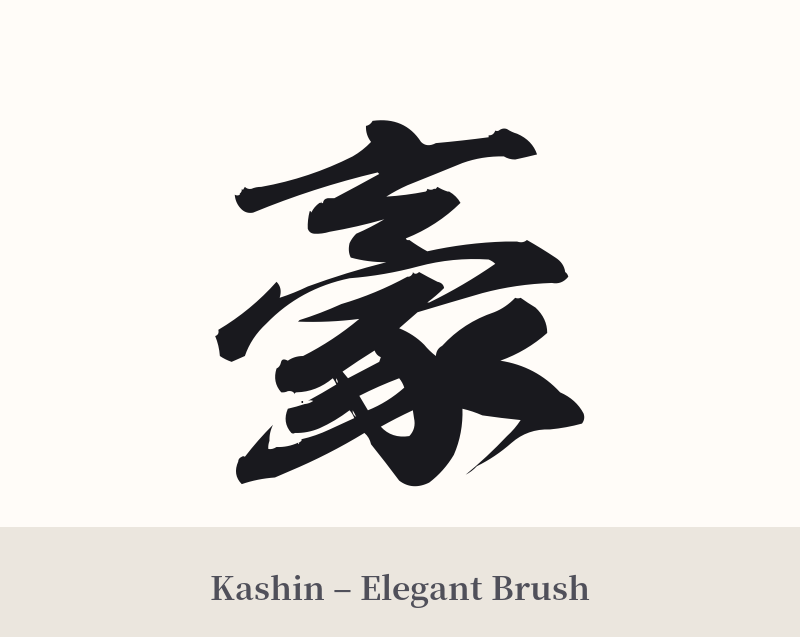
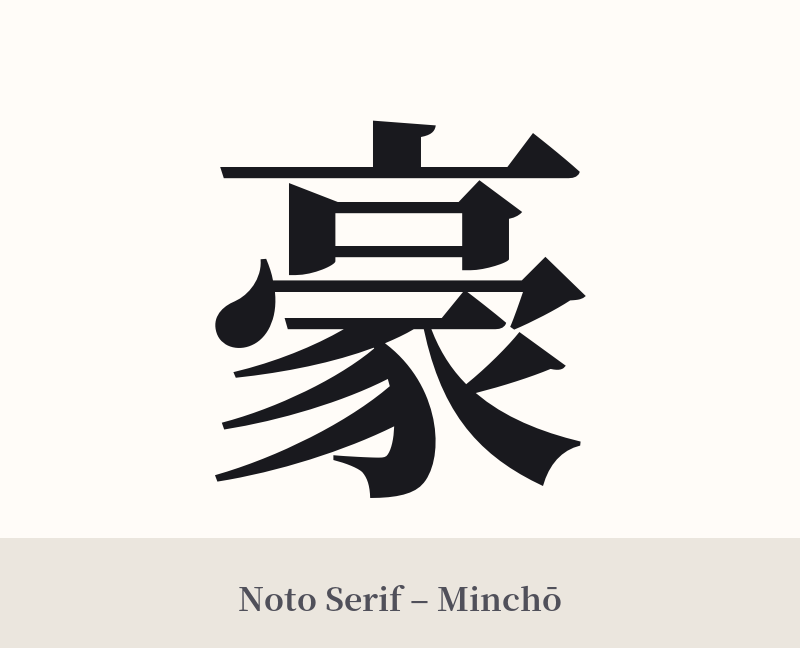
The same kanji can look dramatically different depending on the calligraphy style. Choose a font that matches the mood you want for your tattoo or design.
🎨 Tattoo Suitability
📐 Tattoo Design Guide
The kanji 豪 is visually dense and powerful, making it an excellent choice for a statement tattoo. Its design should reflect its strong meaning.
– Placement: Because of its complexity, 豪 works best on larger, flatter areas of the body. The back, chest, or outer thigh provide a great canvas to showcase its intricate strokes. For a vertical composition, the forearm or calf are also ideal, allowing the character to flow with the limb's natural lines.
– Font Style: Opt for a style that emphasizes strength. A bold, semi-cursive Gyosho or a wild, expressive Sosho calligraphy style can capture its heroic and untamed energy. For a more solid and architectural look, a thick and well-defined Kaisho (block) script is a powerful choice. Avoid thin, delicate fonts, as they would contradict the kanji's inherent meaning.
– Visual Tips: While 豪 is strong enough to be a standalone piece, it can be paired with other elements to enhance its theme. Consider integrating it with imagery like a tiger, a dragon, or crashing waves to amplify the feeling of power. Using a splash of red ink behind the black character can add a dynamic accent, symbolizing passion and energy.
Comments