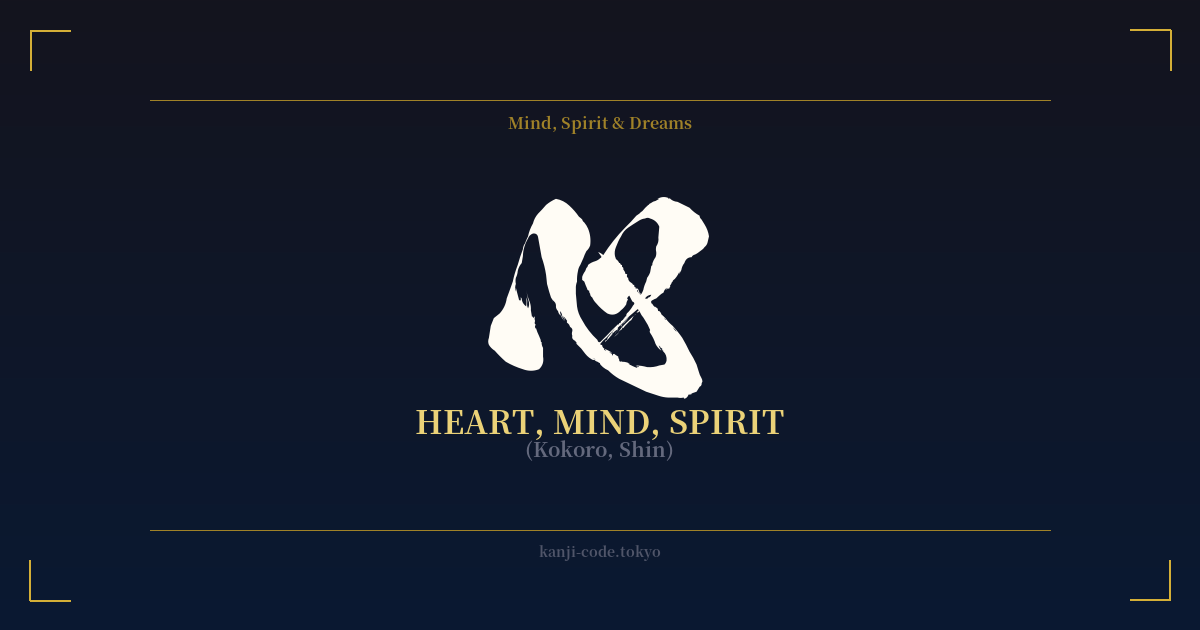
✍️ 心 (Kokoro, Shin) — Cultural Context
In the West, we often draw a sharp line between the heart, as the seat of emotion, and the mind, as the seat of intellect. The Japanese concept of 心 (kokoro) gracefully erases that line. This single character encompasses the entirety of the inner self: emotions, thoughts, will, and spirit. It is not just the organ that pumps blood, nor is it merely the brain's cold logic. Kokoro is the unified core of a person's being.
This holistic view is deeply embedded in Japanese culture and language. The character itself is a pictogram, a stylized drawing of the human heart, grounding its abstract meaning in a physical reality. This connection reminds us that our feelings and thoughts are not separate but are intertwined aspects of our humanity. When someone in Japan says something comes from their kokoro, they mean it comes with the full weight of their being—their sincere feelings, thoughts, and intentions.
This concept is a cornerstone of Japanese arts, philosophy, and martial traditions. In Zen Buddhism and Bushido, the concept of 不動心 (fudōshin), or "immovable heart/mind," is a state of profound calm and resolve, where the kokoro is so well-trained it is not swayed by fear, doubt, or surprise. It represents a mastery of the inner self.
Literature is also rich with explorations of kokoro. The famous novel Kokoro by Natsume Sōseki delves into the complexities of the human heart, exploring themes of isolation, guilt, and the gap between generations. The title itself signals to any Japanese reader that the book is a deep dive into the inner lives of its characters.
Everyday expressions are filled with this kanji. To "put your heart into it" is 心を込めて (kokoro o komete). A warm-hearted person is 心が温かい (kokoro ga atatakai). A heart that "dances" with excitement is 心が躍る (kokoro ga odoru). These phrases illustrate how kokoro is the dynamic center of personal experience, the source from which all feelings and intentions flow. Understanding 心 is to understand a fundamental aspect of the Japanese worldview: that the heart and mind are not in conflict, but are two sides of the same beautiful, complex whole.
🖌️ Font Styles for 心
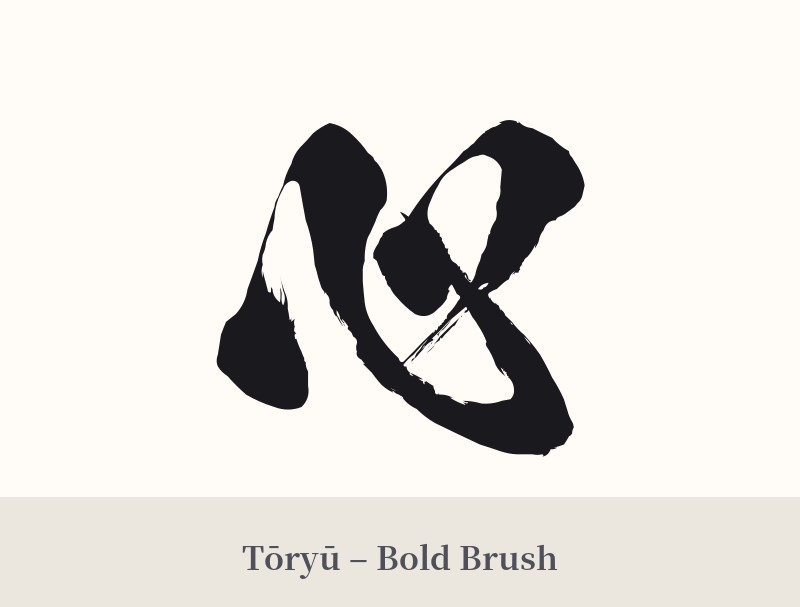
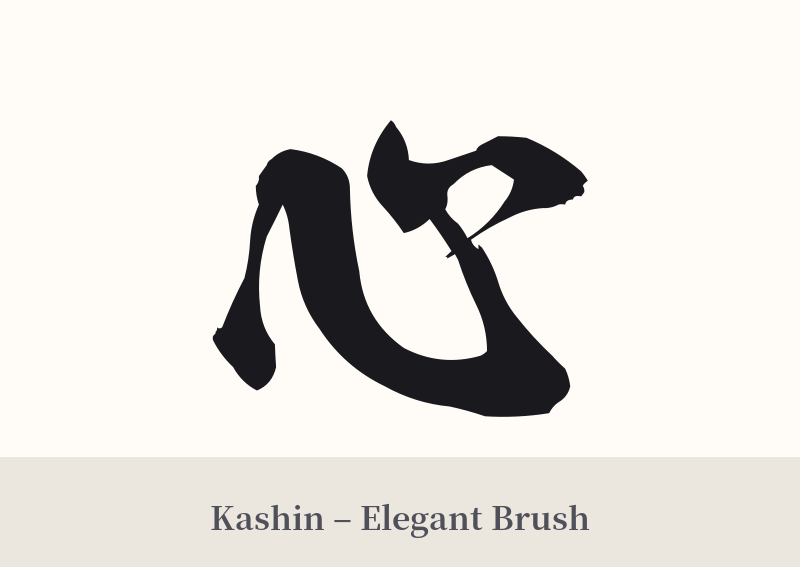
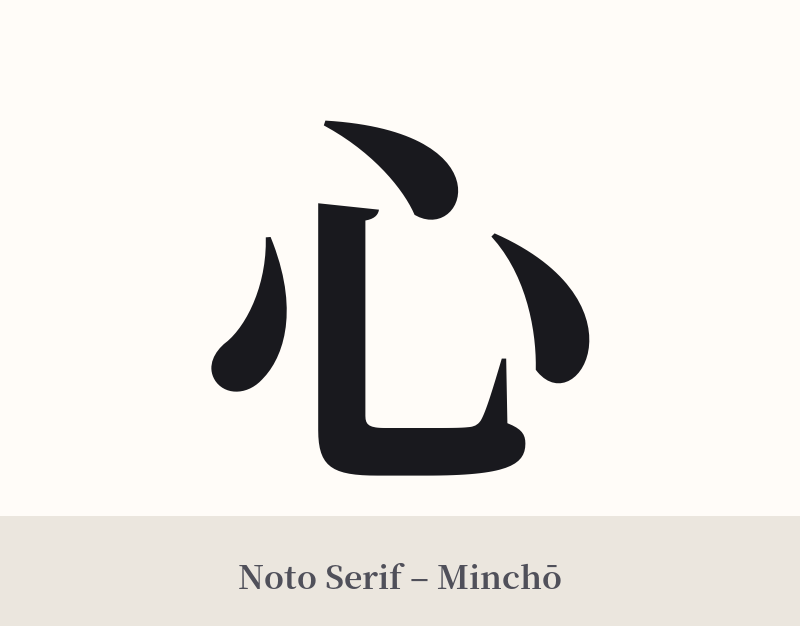
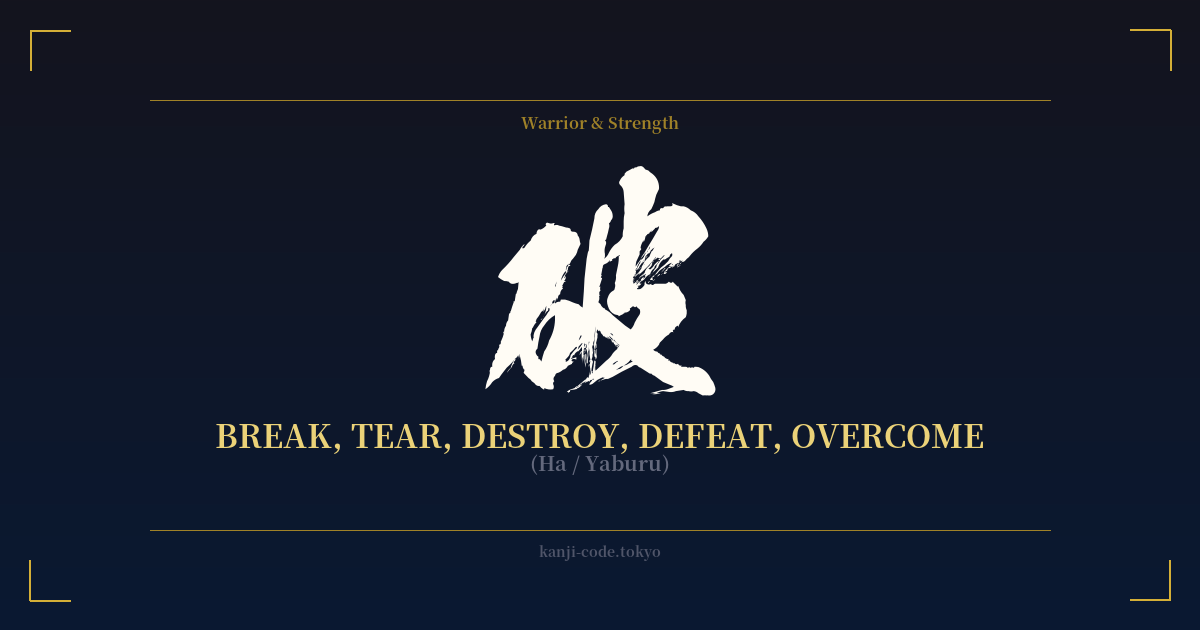
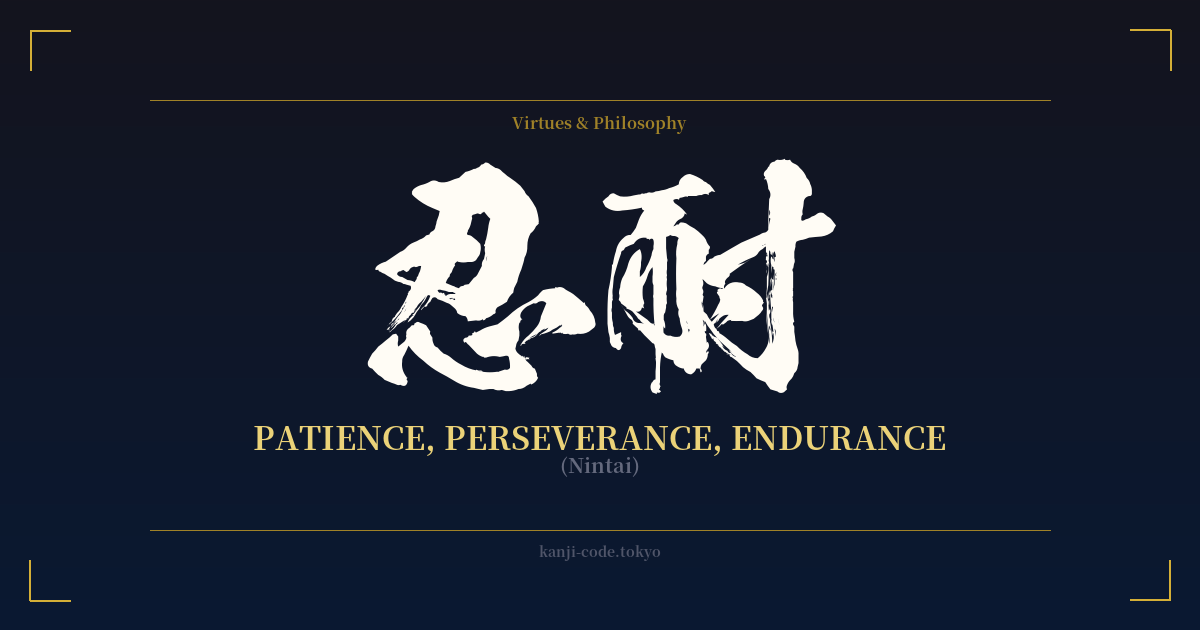
The same kanji can look dramatically different depending on the calligraphy style. Choose a font that matches the mood you want for your tattoo or design.
🎨 Tattoo Suitability
📐 Tattoo Design Guide
The beauty of 心 (Kokoro) lies in its elegant simplicity, making it versatile for various tattoo designs.
– Placement: For a personal and symbolic connection, placing it over the heart is a powerful choice. The inner wrist, the back of the neck, or just behind the ear are also excellent spots for a discreet yet meaningful statement. Its vertical symmetry also makes it ideal for placement along the spine.
– Font Style: A traditional calligraphy (shodō) style is highly recommended. The expressive, fluid strokes of a brush can capture the emotional and spiritual depth of the character. For a more modern and clean aesthetic, a crisp Mincho or minimalist Gothic font works beautifully, emphasizing the character's perfect form.
– Visual Tips: Consider integrating 心 with an Ensō (Zen circle) to symbolize enlightenment and the universe. Pairing it with a subtle watercolor splash of red or blue can add a touch of emotion and artistry. For a more intricate design, it could be the centerpiece of a larger composition involving a lotus flower, representing purity and enlightenment rising from the heart.
Comments