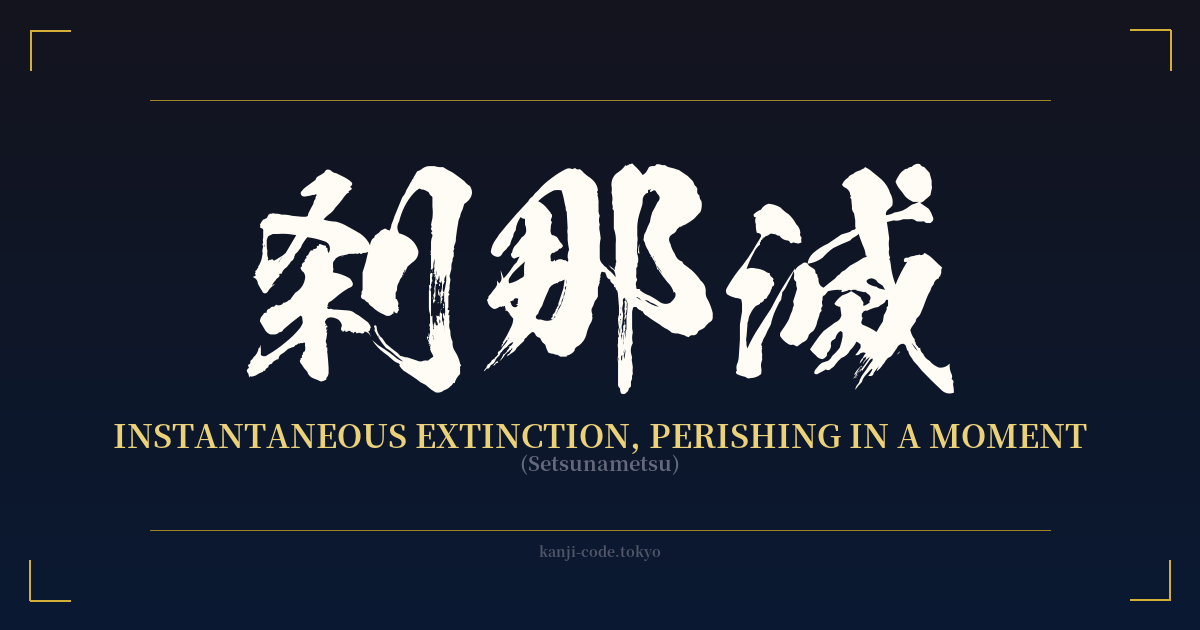
✍️ 刹那滅 (Setsunametsu) — Cultural Context
刹那滅 (Setsunametsu) is a profound and specific term originating from Buddhist philosophy, translating to "instantaneous extinction" or "perishing in a moment." It is not a word you will encounter in daily Japanese conversation; rather, it is a technical term that captures a core tenet of Buddhist doctrine: the radical impermanence of all phenomena.
The word is a combination of 刹那 (setsuna), meaning "an instant," and 滅 (metsu), meaning "extinction" or "to perish." The term 刹那 itself is a phonetic transliteration of the Sanskrit word kṣaṇa, which represents the smallest possible unit of time. In ancient Indian thought, a kṣaṇa was considered to be so brief that it marked the boundary between existence and non-existence.
This concept is central to the doctrine of Shogyō Mujō (諸行無常), "all conditioned things are impermanent." While many understand impermanence on a macro level—seasons change, people age, empires fall—刹那滅 describes this process on the most microscopic, moment-to-moment scale. It posits that reality is not a continuous flow but a rapid succession of discrete moments, each one arising and immediately perishing. The world you experience in this instant is not the same world that existed an instant ago, nor the one that will exist an instant from now.
This idea is often expressed in the fuller phrase Setsuna Shōmetsu (刹那生滅), "arising and perishing in an instant." Every moment of consciousness, every thought, every physical atom is believed to undergo this cycle. Nothing is static. The illusion of continuity is created by the sheer speed at which these moments replace one another, like the frames of a film creating the appearance of smooth motion.
From a philosophical standpoint, understanding 刹那滅 can be both unsettling and liberating. It is unsettling because it undermines our sense of a stable self and a solid world. If everything is perishing from moment to moment, what can we truly hold onto? This is precisely the point. The doctrine encourages the letting go of attachment, as clinging to something that is inherently fleeting is the primary source of suffering (dukkha).
Conversely, it is liberating because it means that every moment is a fresh start. Past mistakes and future anxieties lose their grip when one realizes that only the present instant is real, and even that is in the process of passing away. It is an invitation to engage fully with the here and now, for it is all that ever truly exists. In this way, 刹那滅 is a stark and powerful reminder of the transient, vibrant, and precious nature of every single moment of existence.
🖌️ Font Styles for 刹那滅
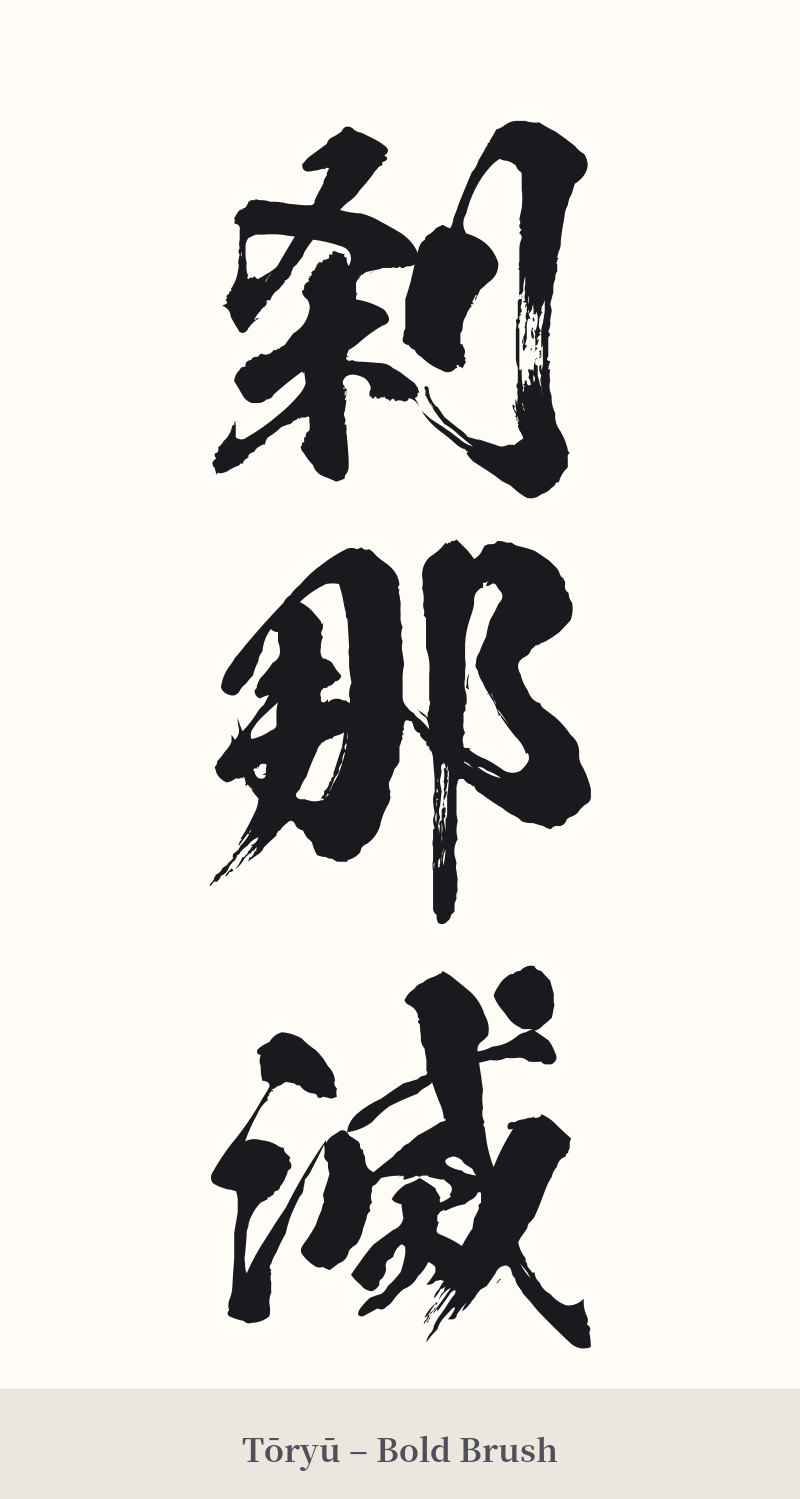
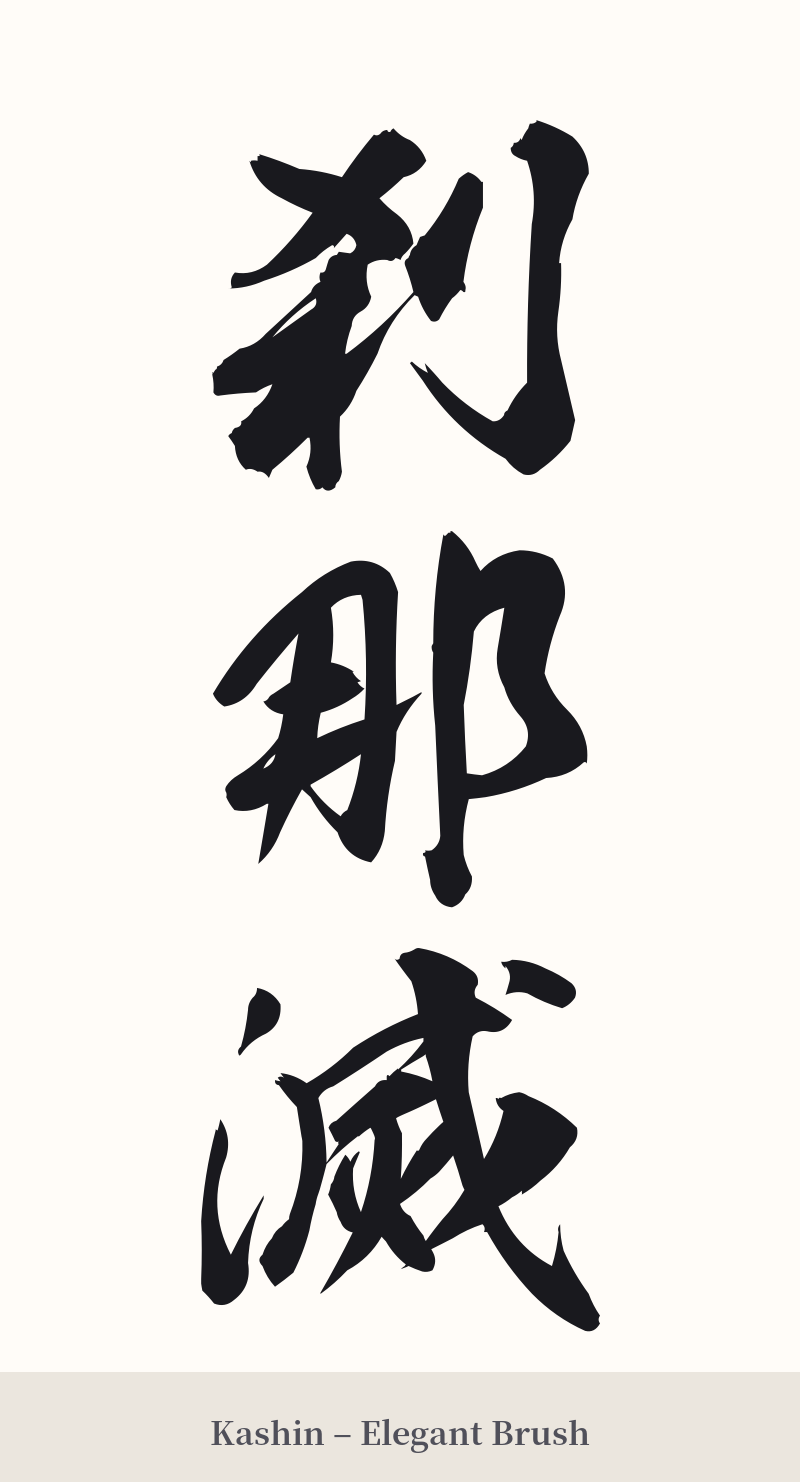
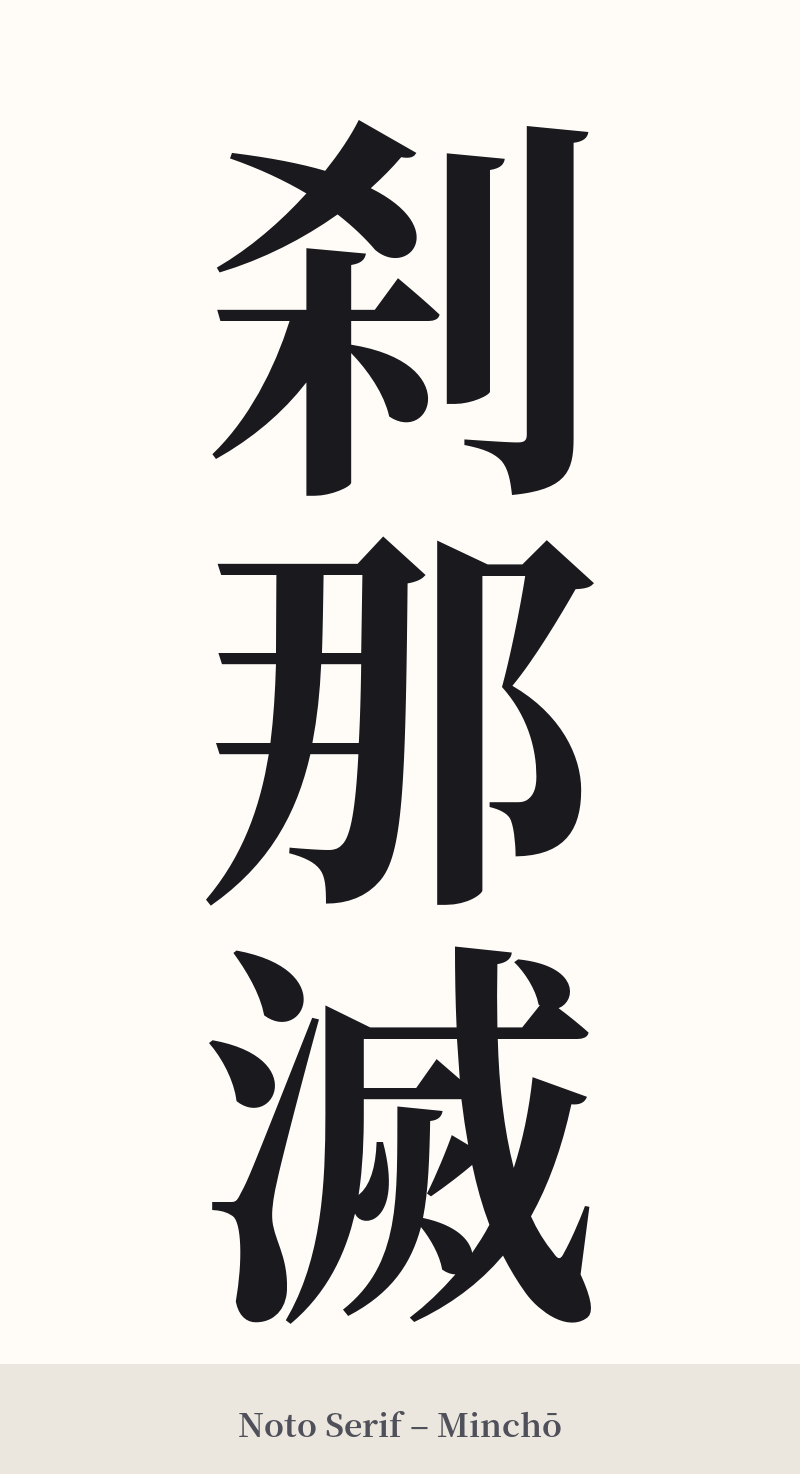
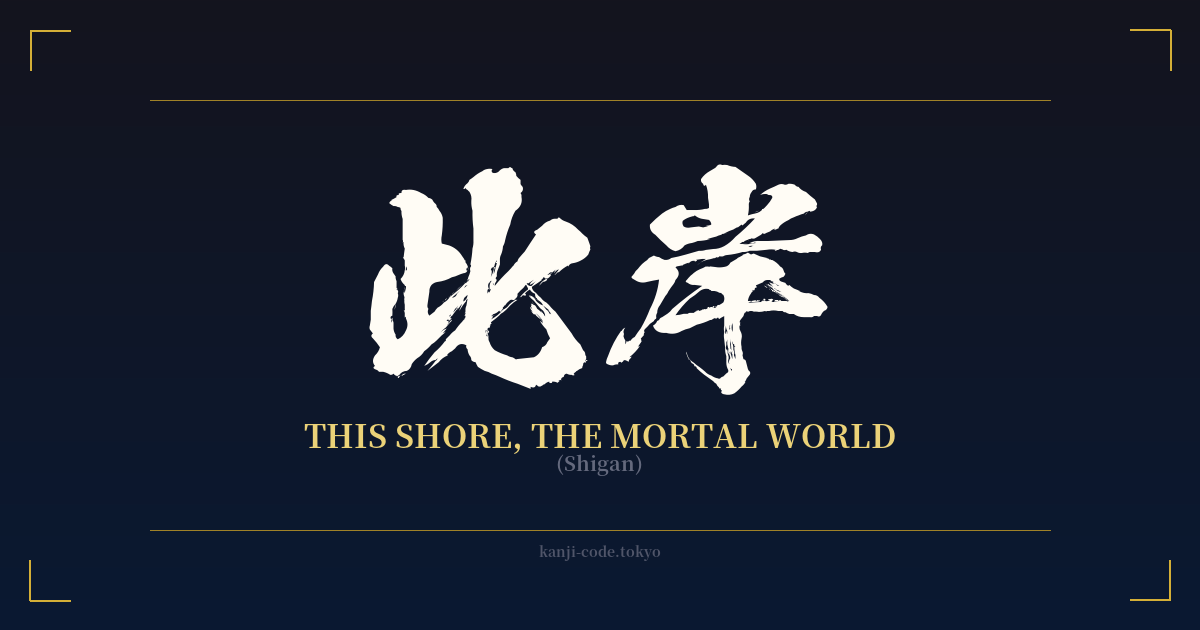
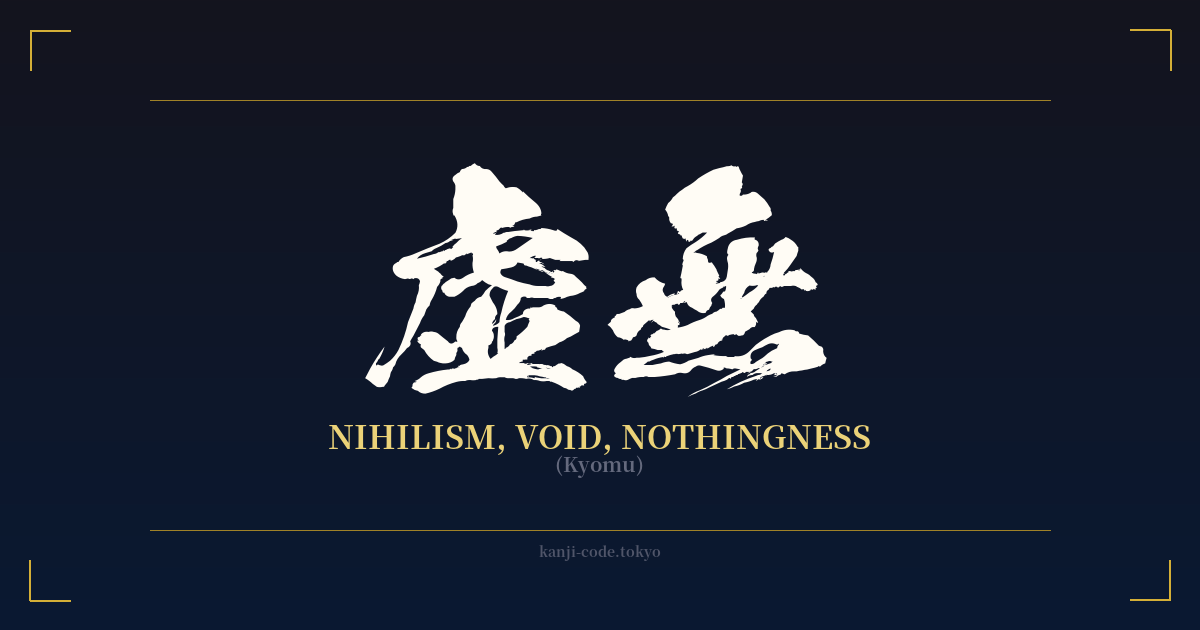
The same kanji can look dramatically different depending on the calligraphy style. Choose a font that matches the mood you want for your tattoo or design.
🎨 Tattoo Suitability
📐 Tattoo Design Guide
For a term as profound as 刹那滅, the design should honor its philosophical weight and visual structure.
– Placement: A vertical alignment is strongly recommended to follow the natural flow of Japanese writing. Ideal placements include the spine, the inner forearm, or along the calf, allowing the three characters to be stacked clearly.
– Font Style: A Gyosho (semi-cursive) script can beautifully capture the fleeting, flowing nature of time implied by the word. For a more stark and impactful statement, a bold Kaisho (block) script would emphasize the finality of 'metsu' (extinction). Avoid overly stylized or unreadable fonts that detract from the characters' inherent forms.
– Visual Embellishments: While the kanji stand powerfully on their own, subtle additions could enhance the theme. Consider a design where the characters appear to be dissolving like smoke or ink in water, or perhaps a single falling cherry blossom petal near the final character to echo the theme of beautiful impermanence.
Comments