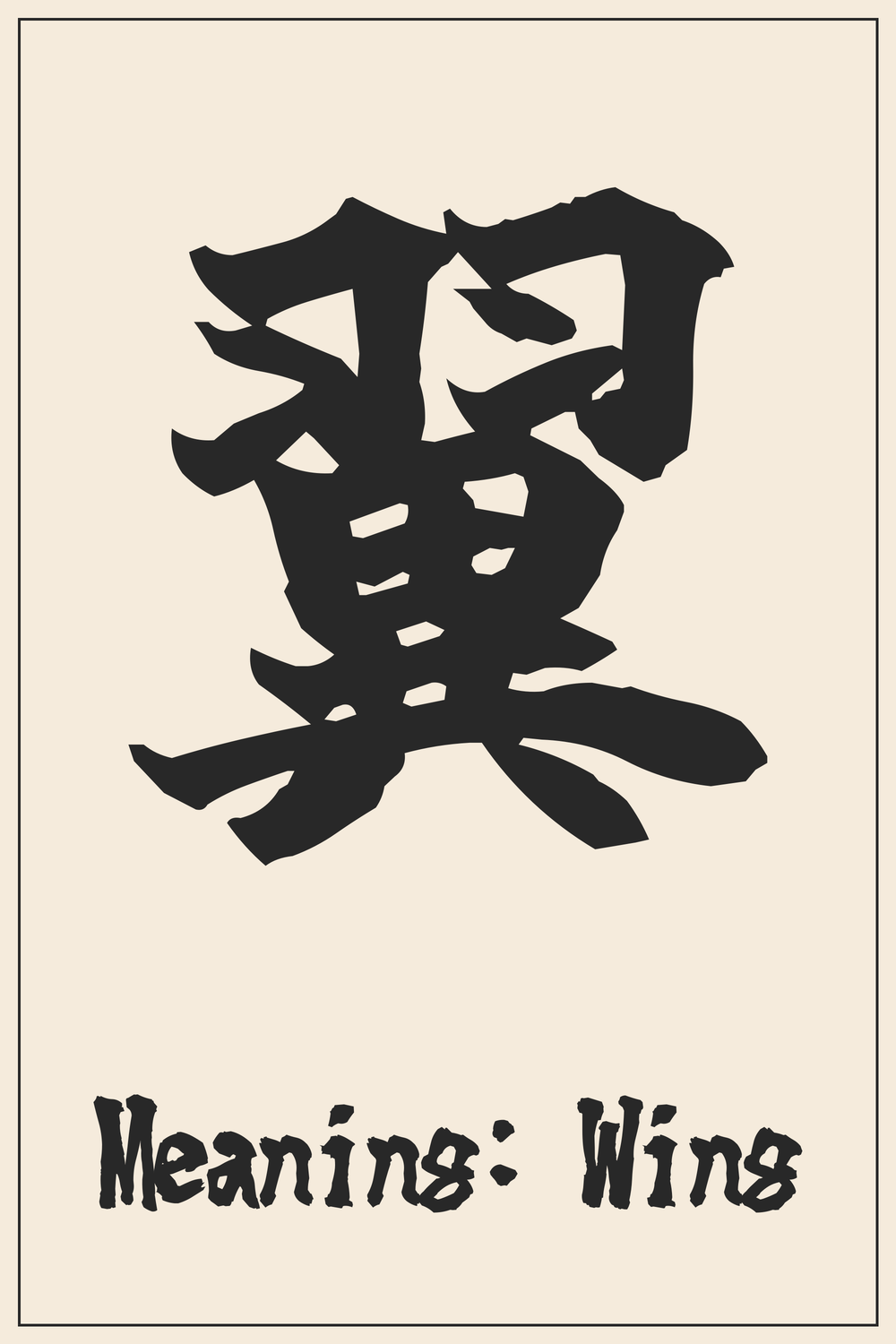
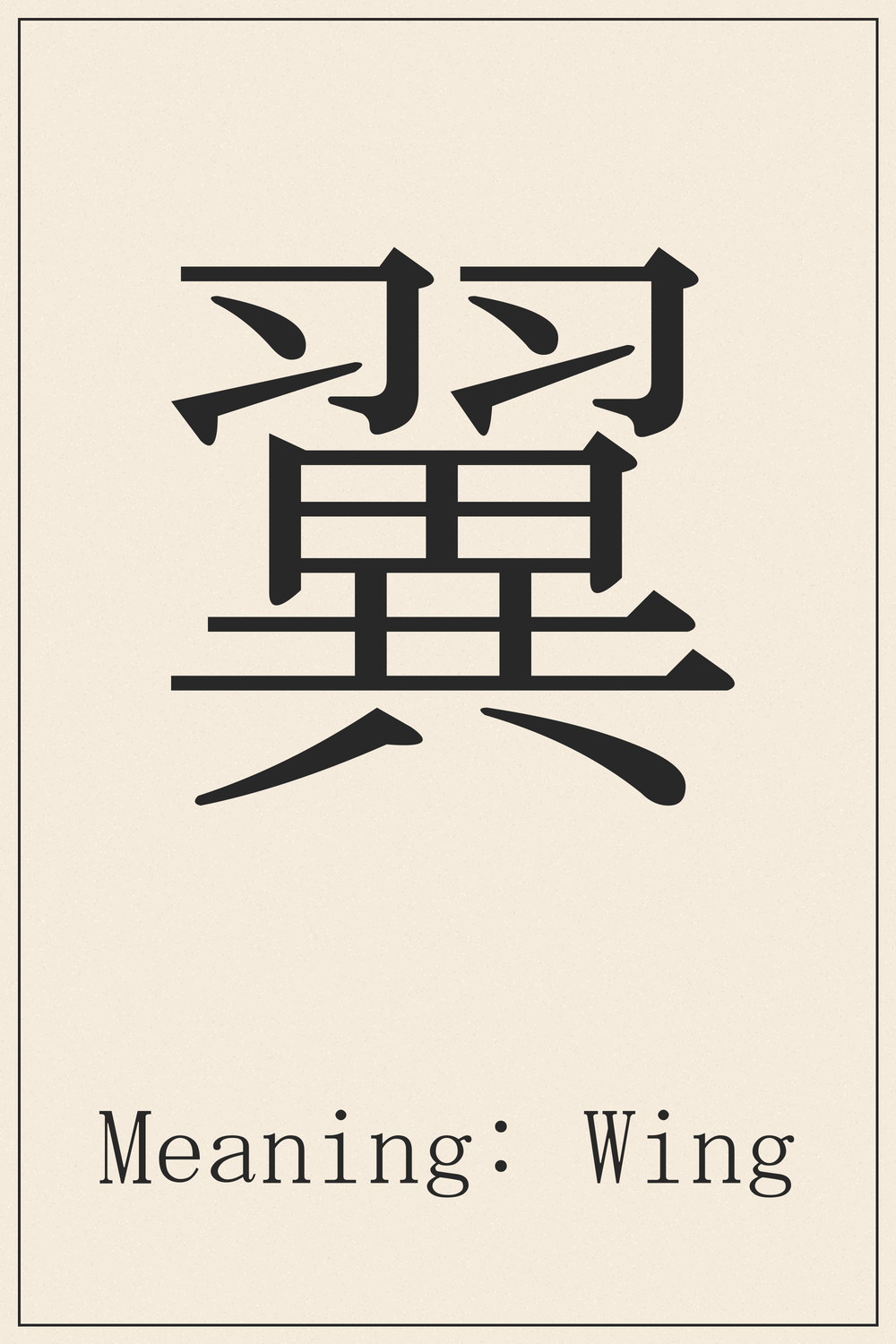
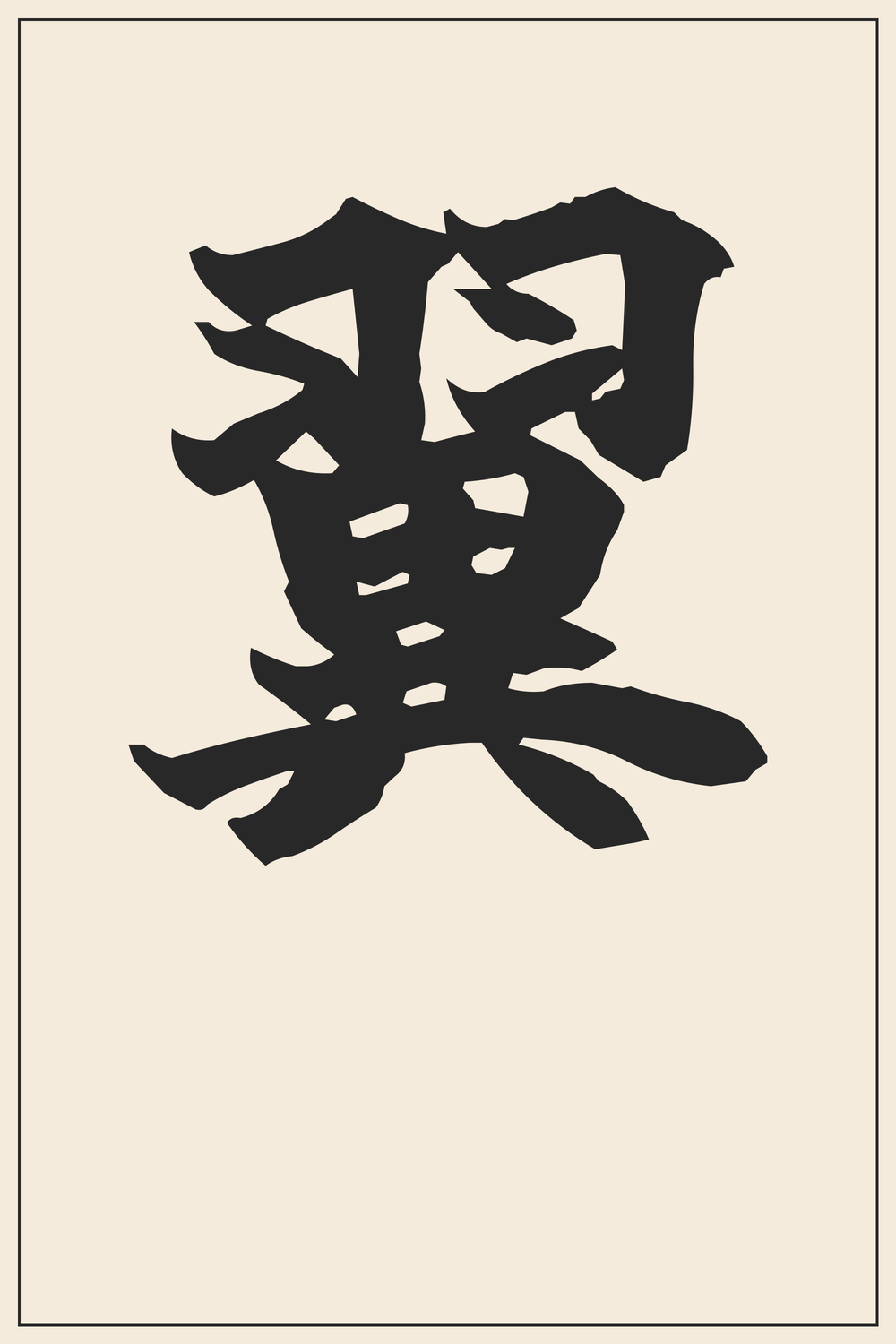
The Kanji 翼 (Tsubasa) embodies the profound desire for freedom and the ability to reach new heights. It represents more than just a physical appendage; it is a symbol of aspiration and the power to transcend.
The atmosphere of a Kanji character changes dramatically depending on the font style. A character that looks elegant in a brush style might look bold and modern in a different font.
Recommendation:
Since a tattoo is permanent, we strongly recommend comparing various font styles beyond what is shown here. Use our designs as a trusted reference for the correct structure, but feel free to explore different artistic variations to find the perfect match for your vision.
The Deep Meaning Behind 翼
The character 翼 (tsubasa) beautifully captures the essence of flight and elevation. Its origin traces back to ancient pictographs representing a bird’s wing, symbolizing movement, grace, and the ability to soar above earthly confines.
In Japanese culture, 翼 is often associated with freedom, ambition, and protection. It evokes images of birds gracefully navigating the skies, inspiring thoughts of breaking barriers and achieving one’s full potential. It can also signify a ‘flank’ or ‘support,’ like a wing of an army, emphasizing protection and assistance.
Kanji Breakdown
The Kanji 翼 (tsubasa) is a phono-semantic compound, skillfully combining a semantic element with a phonetic one to convey its meaning and pronunciation.
Meaning: Feather, Wing. This component directly represents the character’s core semantic content, signifying the primary visual and conceptual aspect of a wing.
Meaning: Phonetic component. While 異 (i) generally means ‘different’ or ‘unusual’, here its primary role is phonetic, providing the ‘yoku’ (ヨク) reading to 翼. It also subtly suggests the distinctiveness and unique nature of wings.
Conclusion
The Kanji 翼 is a powerful emblem for anyone seeking to express their longing for freedom, personal growth, and the courage to pursue lofty goals. It speaks to the inner strength required to overcome obstacles and ascend to new horizons.
Choosing 翼 as a tattoo is a testament to one’s aspirations and resilience. Ensure your artist is proficient in Kanji calligraphy and consider a size that allows its delicate yet strong strokes to remain clear and impactful over time, a beautiful tribute to the spirit of flight.
Comments