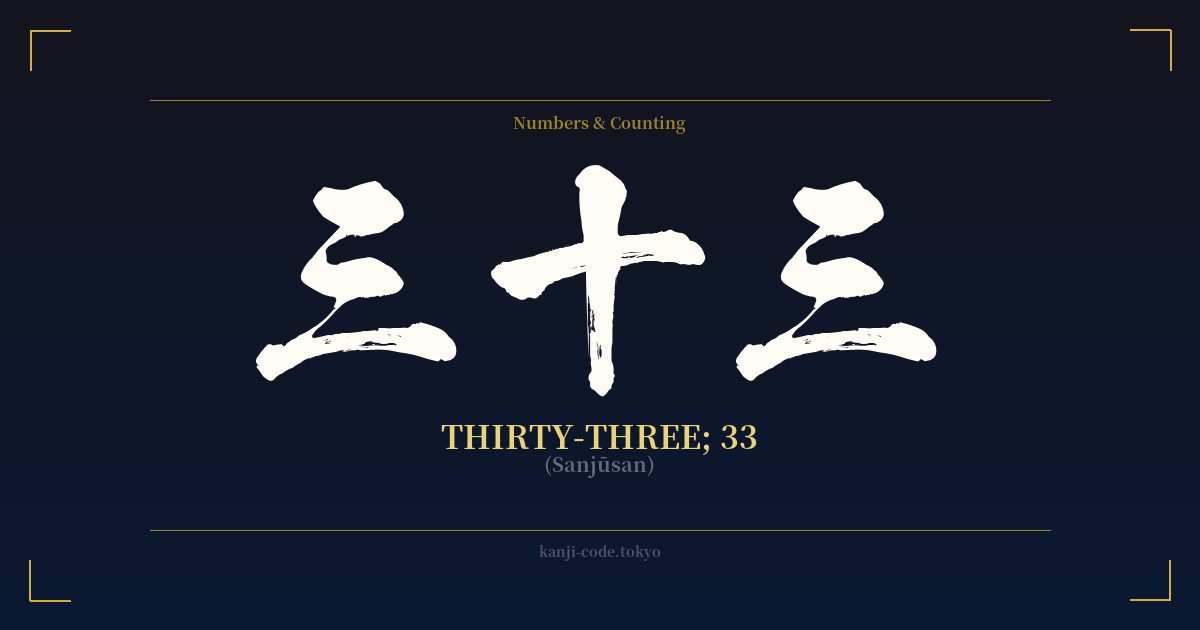
✍️ 三十三 (Sanjūsan) — Cultural Context
At first glance, 三十三 (Sanjūsan) is simply the Japanese word for the number thirty-three. It is constructed logically: 三 (san, three), 十 (jū, ten), and 三 (san, three), literally forming "three-tens and three." However, to see it as only a number is to miss its immense spiritual and cultural weight in Japan.
The number thirty-three is inextricably linked to Kannon (観音), the Bodhisattva of Compassion, one of the most beloved figures in Japanese Buddhism. It is believed that Kannon can manifest in 33 different forms to save sentient beings from suffering. These forms, known as the Sanjūsan Kannon (三十三観音), range from serene and gentle figures to multi-armed deities, each adapted to help people in specific worldly or spiritual predicaments.
This concept is not merely abstract theology; it is made beautifully tangible in one of Kyoto's most breathtaking temples: Sanjūsangen-dō (三十三間堂). The temple's name translates to "Hall with Thirty-Three Intervals," a reference to the 33 spaces between the building's support columns. Inside, visitors are greeted by the awe-inspiring sight of 1001 golden statues of Kannon. A massive central figure is flanked by 500 smaller, life-sized statues on each side, each with a unique face and expression, symbolizing Kannon's infinite capacity for compassion.
The number also shapes religious practice through pilgrimage. The Saigoku Kannon Pilgrimage (西国三十三所, Saigoku Sanjūsan-sho) is one of Japan's oldest and most famous pilgrimage routes. It connects 33 Buddhist temples across the Kansai region, each dedicated to a different manifestation of Kannon. Completing this journey is an act of devotion, believed to cleanse karma and grant wishes.
Interestingly, the number 33 also appears in the concept of yakudoshi, or unlucky years. For women, the age of 33 is considered a particularly critical and potentially calamitous year, warranting special prayers and precautions. This creates a fascinating duality where the number is simultaneously sacred and a source of caution, embodying both divine protection and worldly vulnerability.
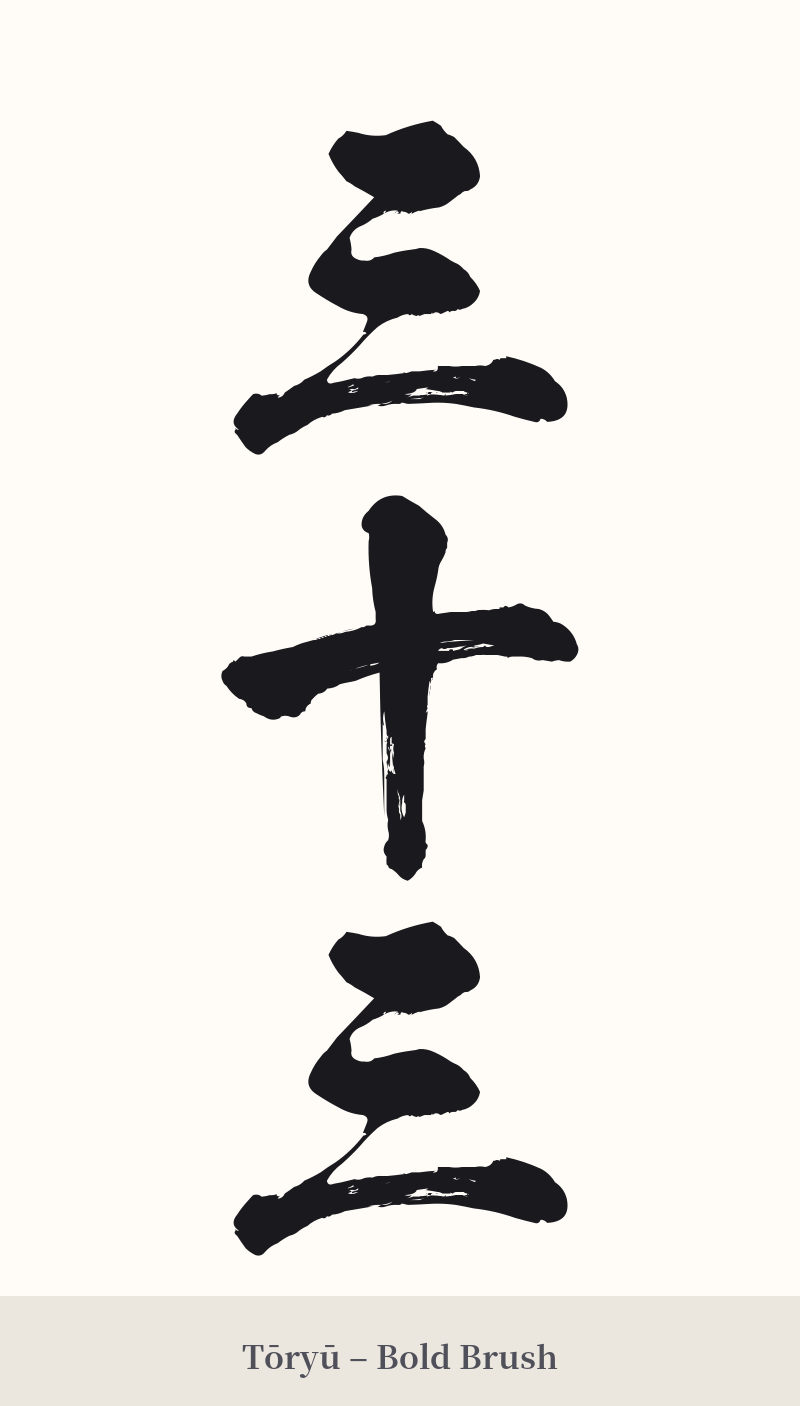
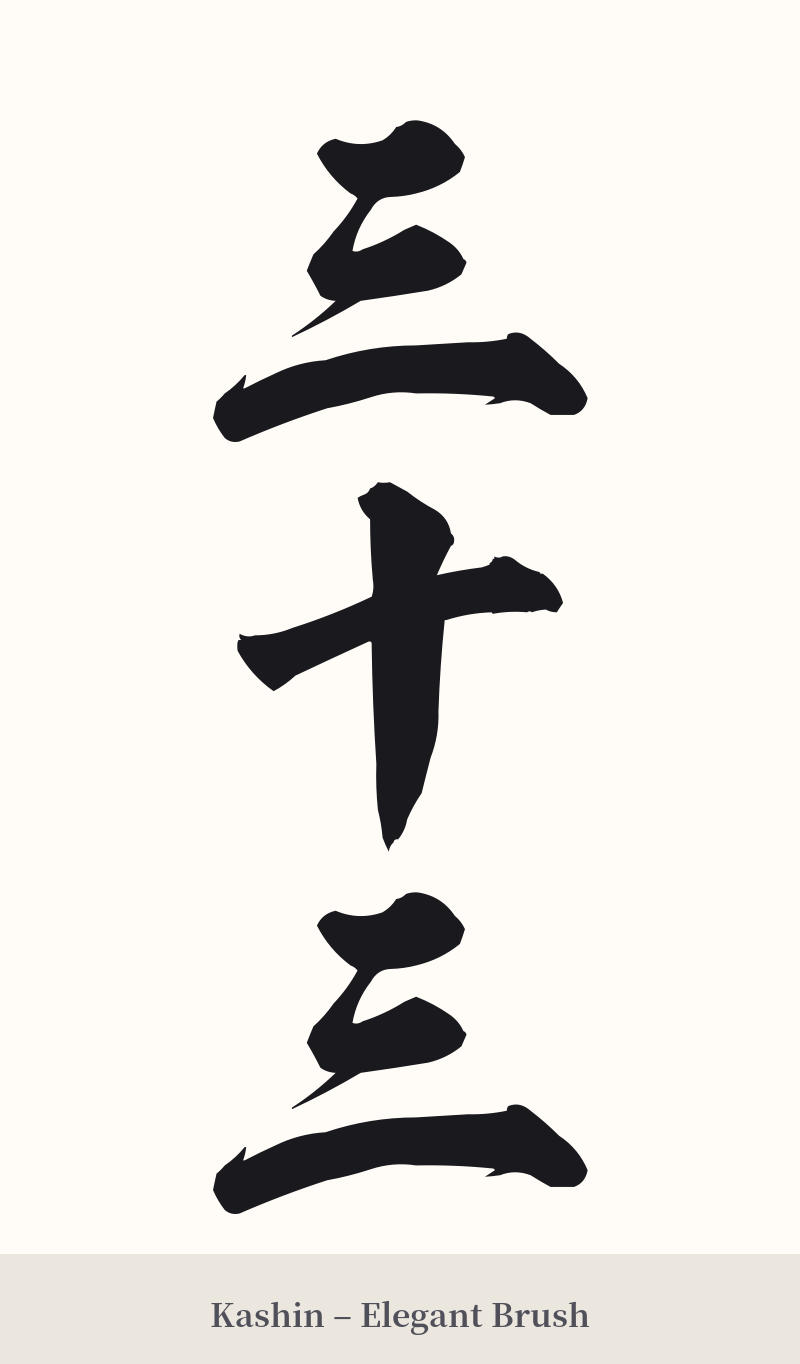
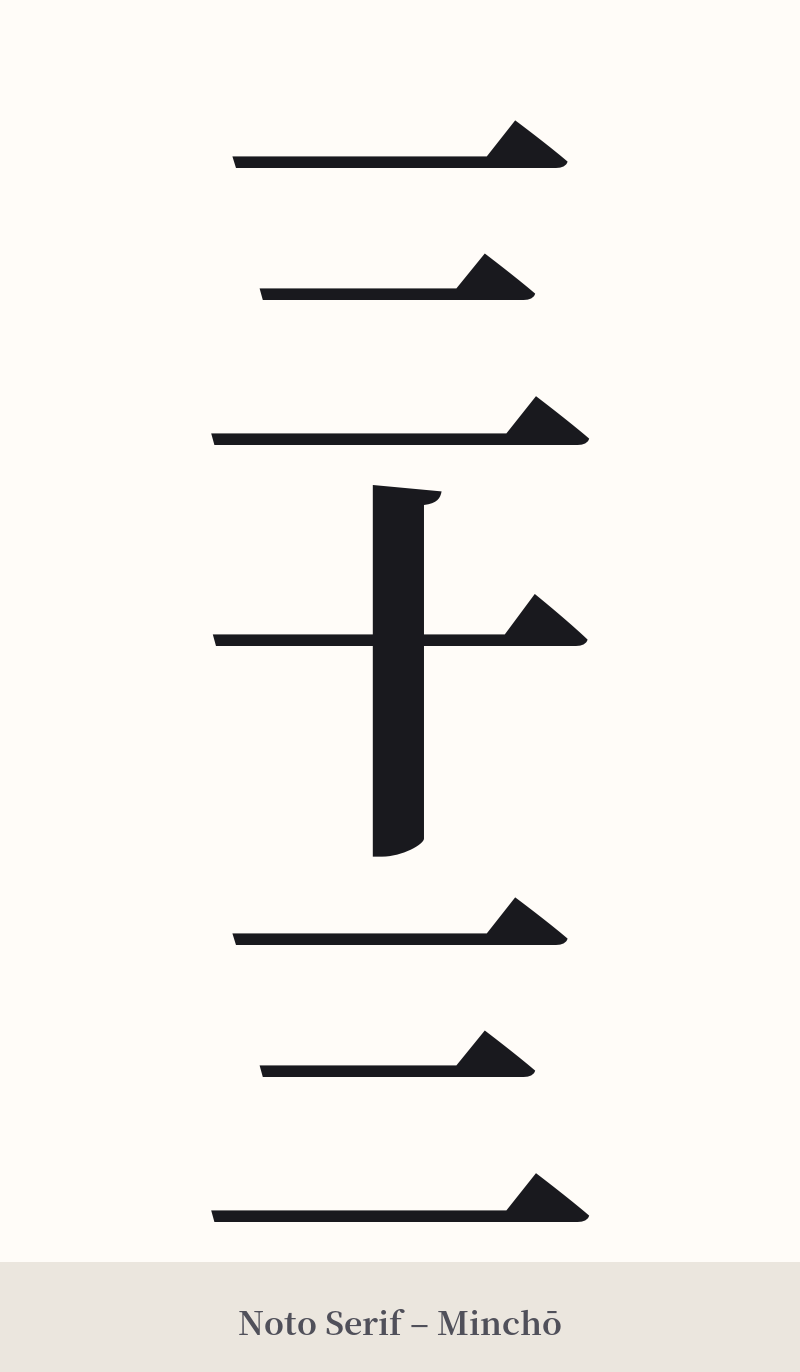
🖌️ Font Styles for 三十三
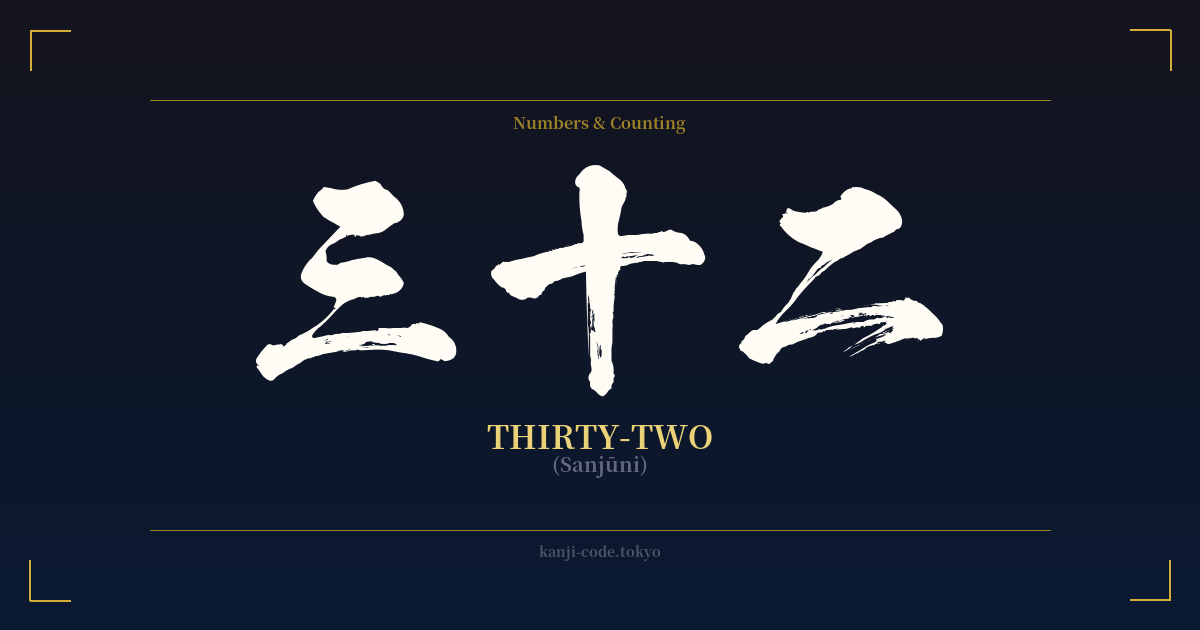
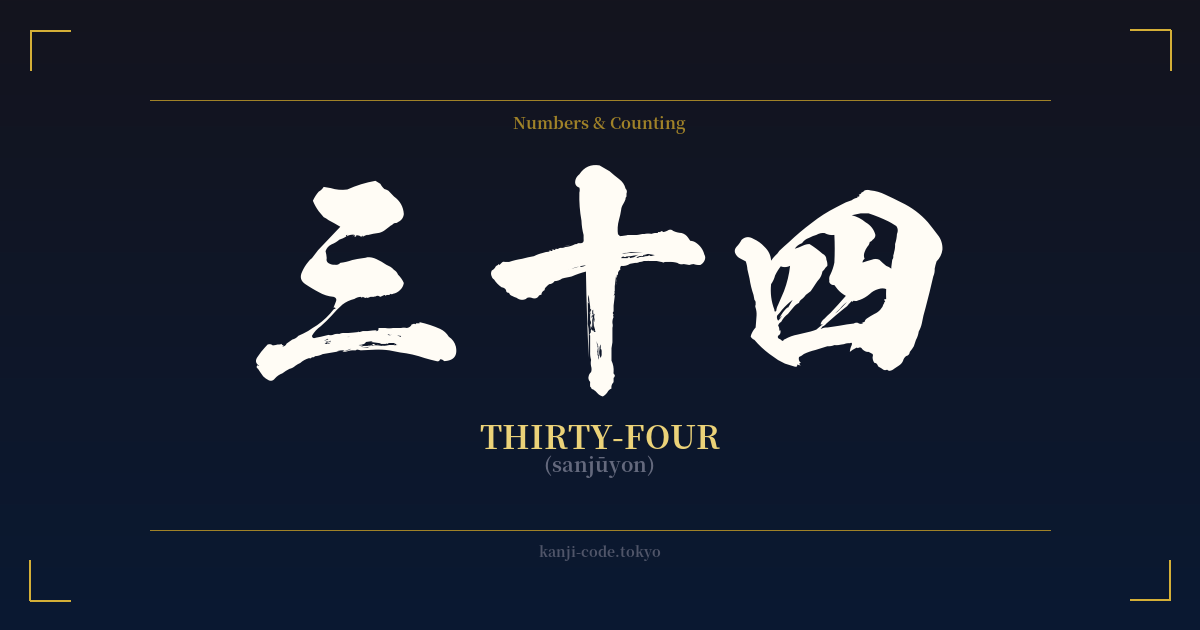
The same kanji can look dramatically different depending on the calligraphy style. Choose a font that matches the mood you want for your tattoo or design.
🎨 Tattoo Suitability
📐 Tattoo Design Guide
The characters for Sanjūsan are simple and geometric, offering a clean, minimalist aesthetic that carries profound meaning. Its structure lends itself well to both traditional and modern tattoo styles.
– Placement: Vertical alignment is highly recommended to honor traditional Japanese writing. This design flows beautifully down the spine, along the forearm, or on the back of the calf. A horizontal placement can also work on the chest or upper back.
– Font Style: For a classic and reverent feel, a traditional calligraphy script like Kaisho (block style) or Gyosho (semi-cursive) is an excellent choice. For a more modern interpretation, a clean, sans-serif font can emphasize the simple geometry of the characters.
– Visual Elements: To enhance the Buddhist theme, consider incorporating a subtle lotus flower, a symbol of purity and enlightenment, at the base of the kanji. An Enso (Zen circle) drawn behind the characters can also frame the design beautifully, representing the universe and the void.
Comments