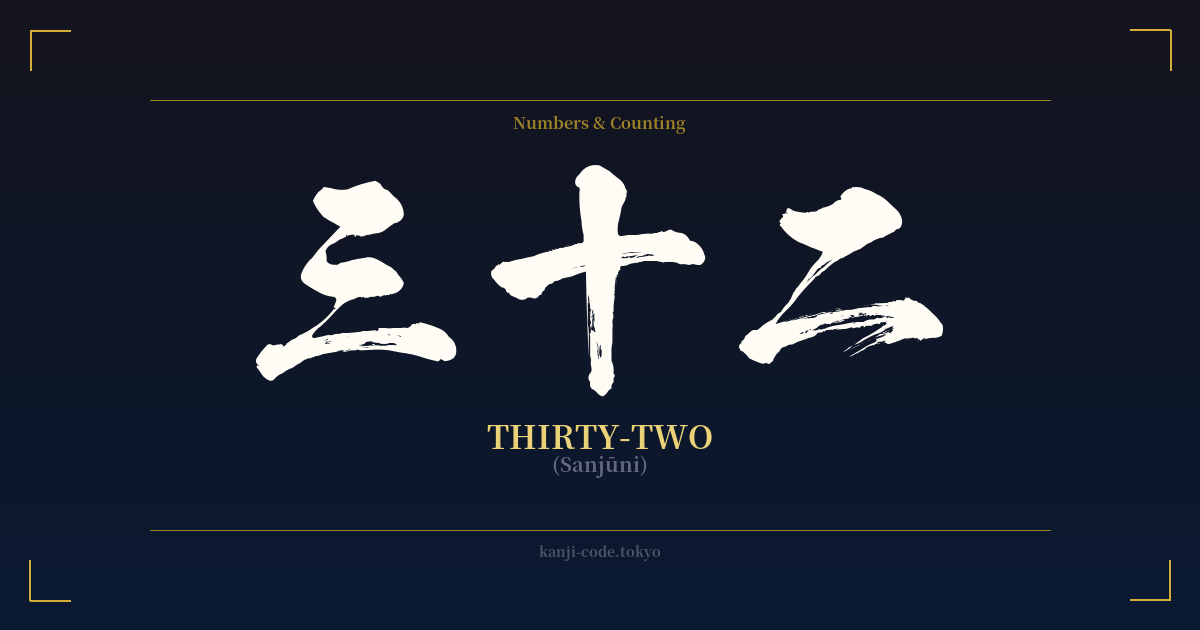
✍️ 三十二 (Sanjūni) — Cultural Context
The Japanese word 三十二 (Sanjūni) is a straightforward compound representing the number thirty-two. Its construction is a perfect example of the logical, additive nature of the Japanese counting system. It is composed of 三 (san, three), 十 (jū, ten), and 二 (ni, two), literally translating to 'three tens and two.' This system allows for the clear and concise representation of numbers using kanji characters.
In everyday life, 三十二 is used just as its English counterpart is—for counting, specifying age, marking dates, or as part of an address. It is a functional, practical term without inherent poetic or philosophical weight in most contexts. You might see it on a calendar, in a document, or hear it when someone is counting objects. Its simplicity and utility are its defining features in the secular world.
However, the number 32 holds a specific and profound significance within Buddhism, which elevates it from a mere numeral to a concept of great importance. This is primarily through the doctrine of the 'Thirty-Two Marks of a Great Man' (三十二相, Sanjūnisō). These are 32 physical characteristics said to be present on the body of a Buddha, such as Shakyamuni Buddha, as well as on universal monarchs (chakravartin).
These marks are not ordinary features but are signs of a being's immense virtue and spiritual development, accumulated over countless lifetimes. Examples include a golden-hued body, a circle of hair between the eyebrows (urna), webbed fingers and toes, and a flat-footed stance. Each of these 32 marks symbolizes a specific perfection or aspect of enlightenment. Therefore, in a Buddhist context, the number 32 is not just a quantity but a symbol of spiritual perfection and the ultimate state of being.
This dual nature makes 三十二 fascinating. On one hand, it is an utterly mundane number used for daily tasks. On the other, it is a code for supreme spiritual attainment. Understanding this requires stepping beyond the literal characters and into the rich tapestry of religious symbolism that permeates East Asian culture.
🖌️ Font Styles for 三十二
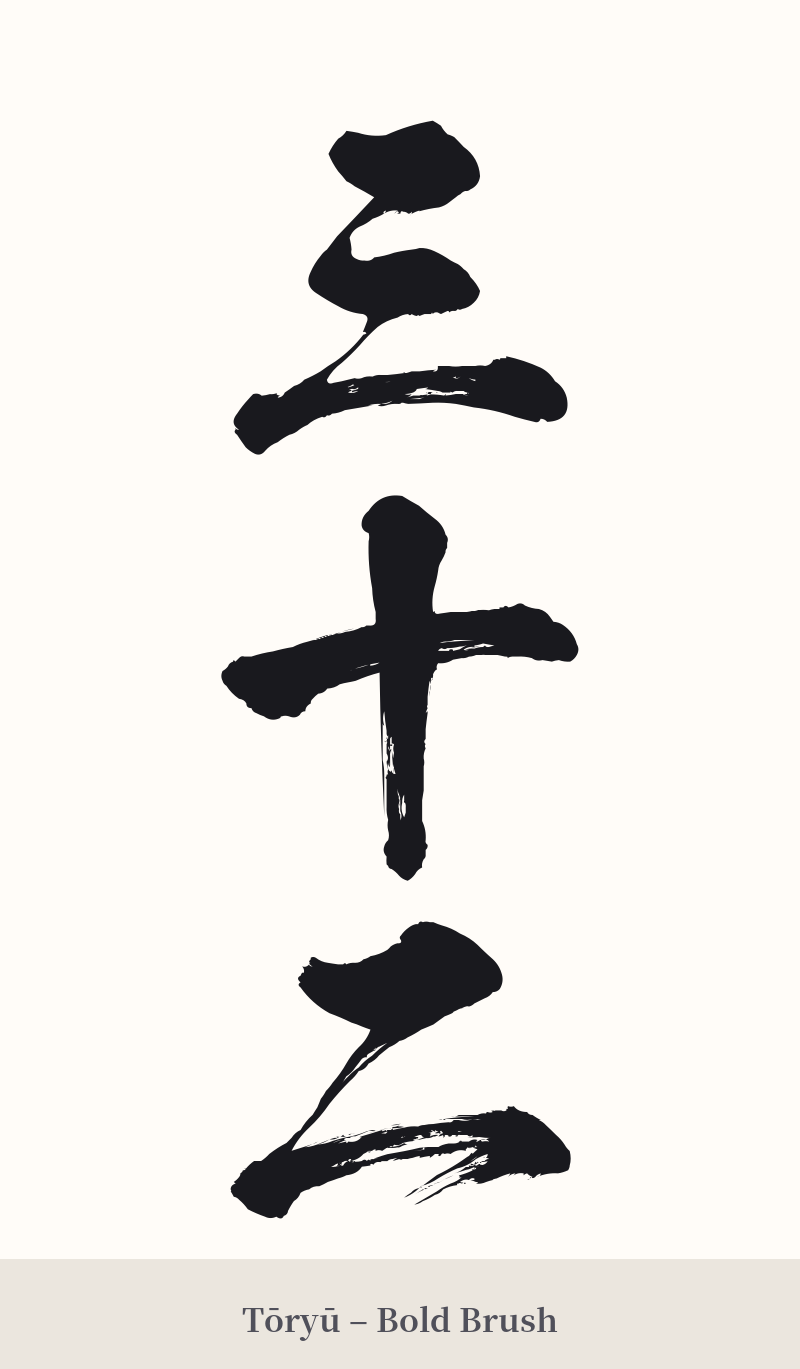
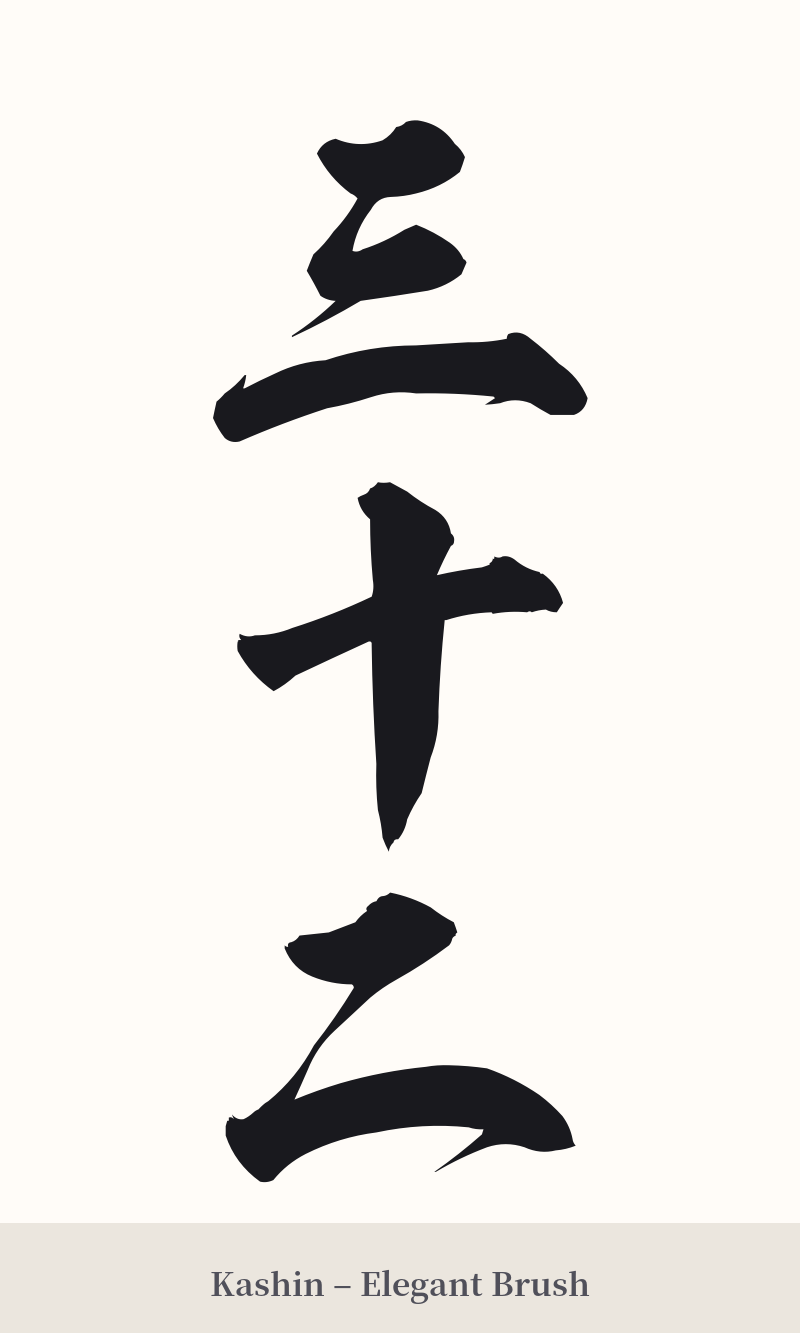
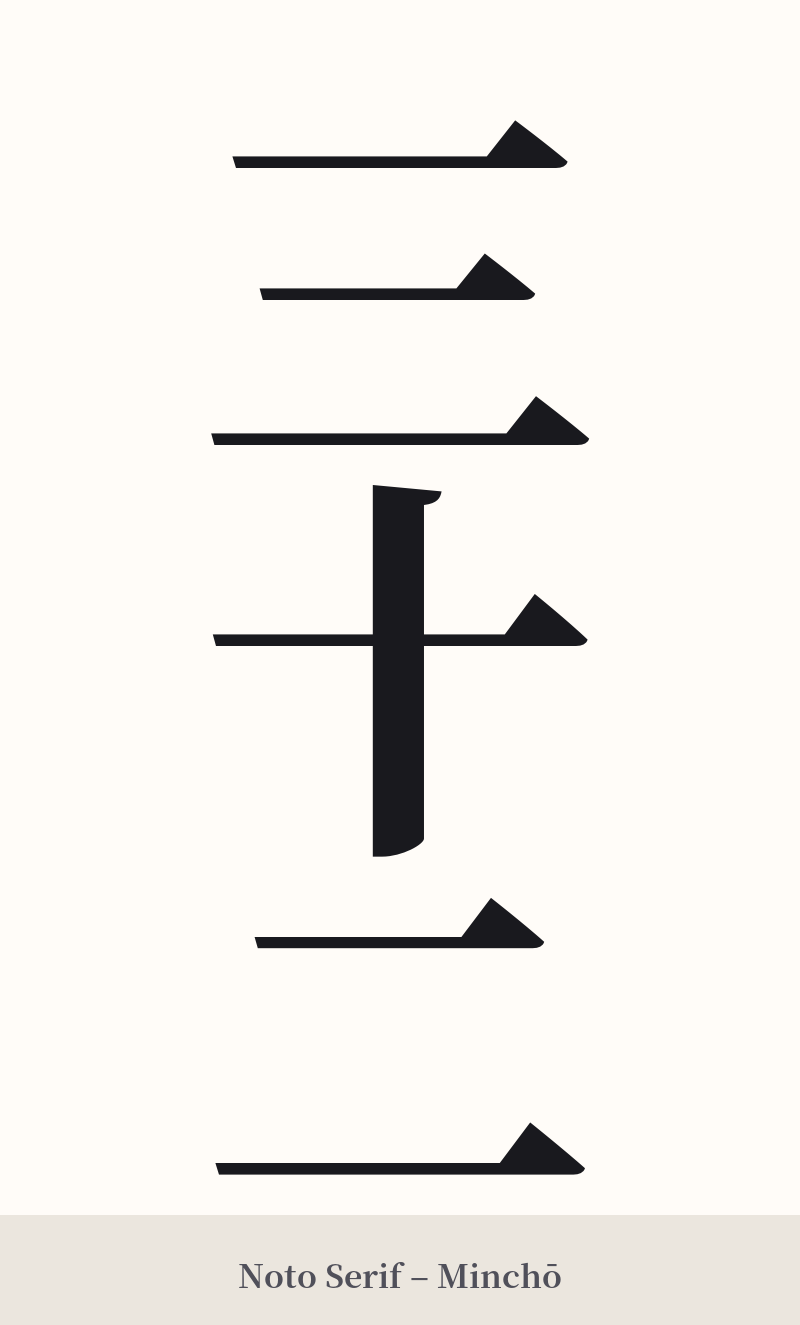
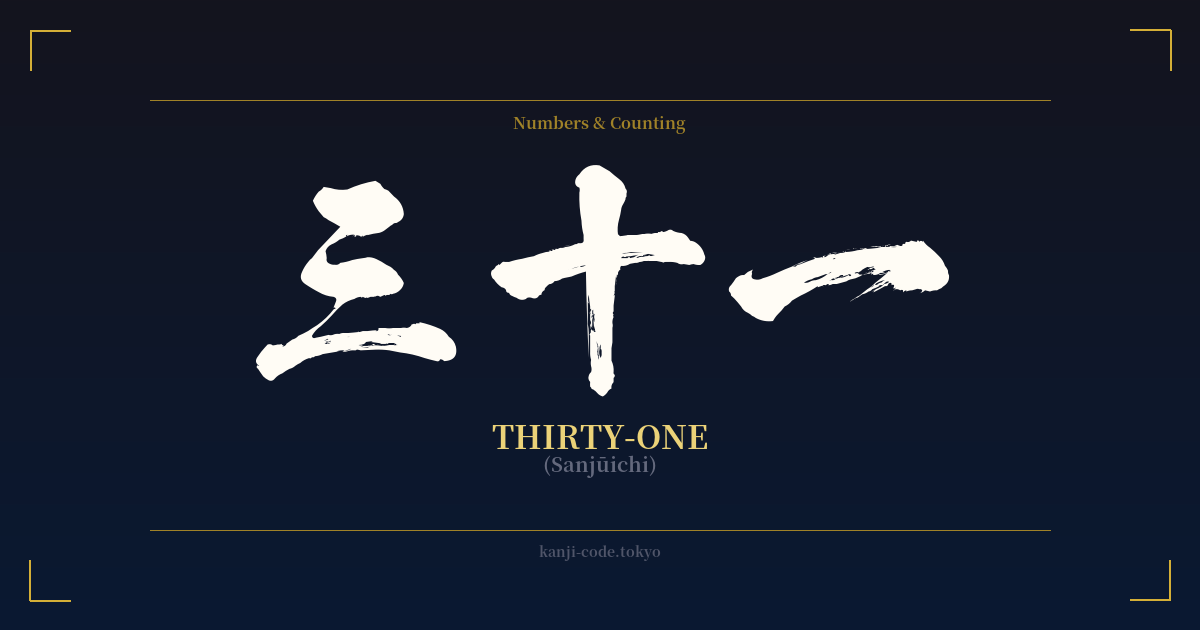
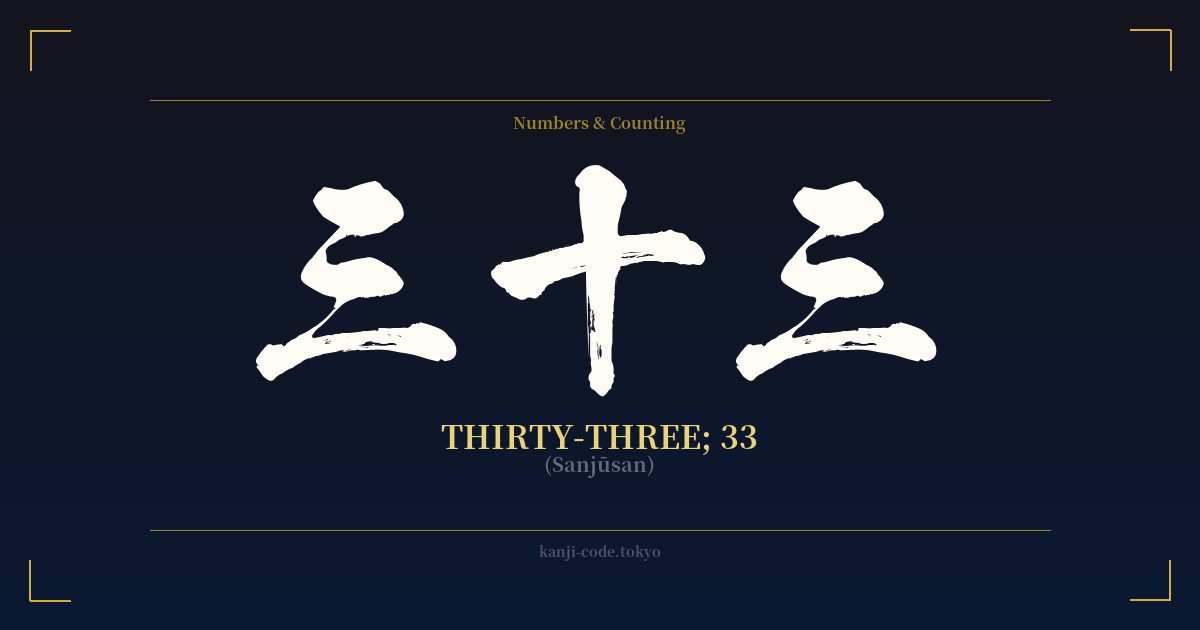
The same kanji can look dramatically different depending on the calligraphy style. Choose a font that matches the mood you want for your tattoo or design.
🎨 Tattoo Suitability
📐 Tattoo Design Guide
Given the simplicity of the characters in 三十二, the artistic style is crucial to making it an impactful tattoo. Without careful consideration, it can look plain or uninspired.
– Placement: This design is best suited for smaller, more discreet locations. Consider the inner wrist, behind the ear, along the side of a finger, or on the ankle. A large-scale version on a back or chest piece would likely look sparse and underwhelming.
– Font Style: A dynamic, semi-cursive (gyōsho) or cursive (sōsho) calligraphy style can inject life and movement into the simple strokes. This contrasts with a standard block font (kaisho), which would emphasize its numerical, almost clinical, nature. A minimalist, clean font could also work if you're embracing its simple, modern aesthetic.
– Visual Tips: To highlight its Buddhist significance, consider incorporating it with another symbol. Placing the vertical kanji alongside a lotus flower, within an Enso circle, or near a Dharma wheel can provide the necessary context that the characters alone lack. The vertical arrangement (三 on top, then 十, then 二) is often more aesthetically pleasing for tattoos than the horizontal one.
Comments