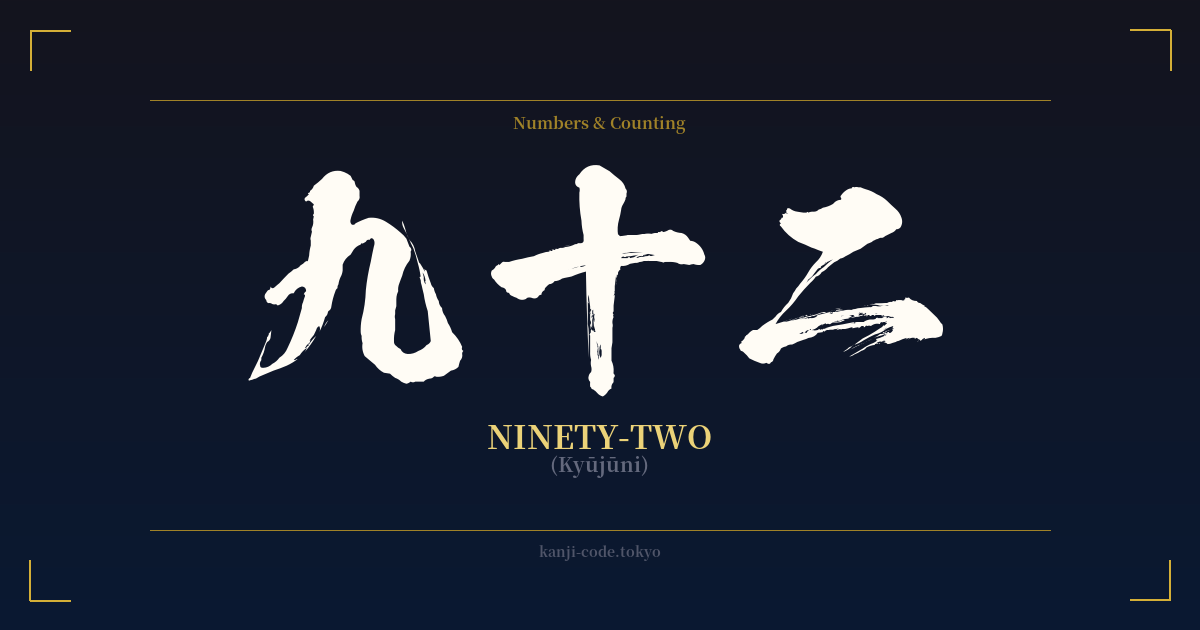
✍️ 九十二 (Kyūjūni) — Cultural Context
The Japanese word for ninety-two, 九十二 (Kyūjūni), is a perfect example of the logical and elegant construction of the Sino-Japanese numeral system. Unlike the more complex word formations in English, Japanese numbers are built with straightforward, mathematical precision. The word is composed of three distinct characters: 九 (kyū, nine), 十 (jū, ten), and 二 (ni, two). Read literally, it translates to "nine-tens-two," a beautifully simple equation that arrives at 92.
This system, borrowed from Chinese, allowed for the representation of large numbers with a small set of characters. Each kanji—九, 十, and 二—is itself a model of simplicity, comprised of only two strokes each. This minimalist aesthetic reflects a broader theme in Japanese design and philosophy, where clarity and efficiency are highly valued. These are not just abstract symbols; they are foundational elements of literacy taught to first-grade students in Japan, making them as fundamental as A-B-C.
While the number 92 itself doesn't hold a universal, mythic significance in Japanese culture, numbers can take on new meanings through wordplay, known as 'goroawase.' The number 9 can be read as 'ku' and 2 as 'ni.' Together, 九二 (9-2) can be read as 'kuni' (国), the Japanese word for 'country,' 'nation,' or 'homeland.' This adds a potential layer of patriotic or personal meaning related to one's roots, transforming a simple number into a subtle nod to national or personal identity.
Furthermore, the number 9 itself has a dualistic reputation in Japan. One reading, 'ku,' is a homophone for the word for suffering (苦), making it an unlucky number in some contexts, similar to the Western aversion to 13. However, the reading 'kyū' used in Kyūjūni does not carry this negative connotation. In other contexts, nine can be a symbol of longevity and power.
In a modern, global context, the number 92 has a poignant and powerful association for Japan: it is the atomic number of Uranium. This connection links the simple numeral to one of the most defining and tragic events in the nation's 20th-century history. While a tattoo of 九十二 is unlikely to be interpreted this way immediately, it's a somber undercurrent that demonstrates how even simple numbers can become intertwined with deep historical narratives.
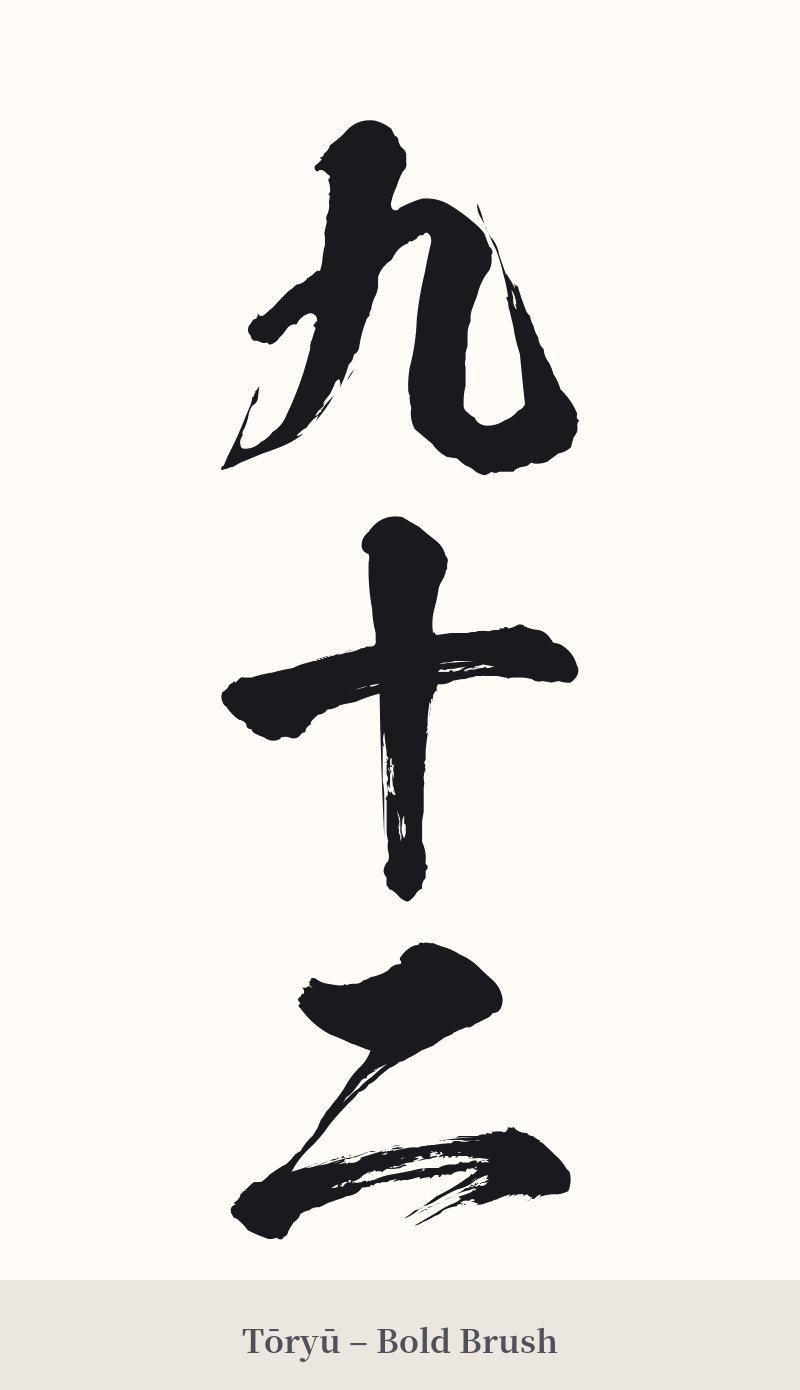
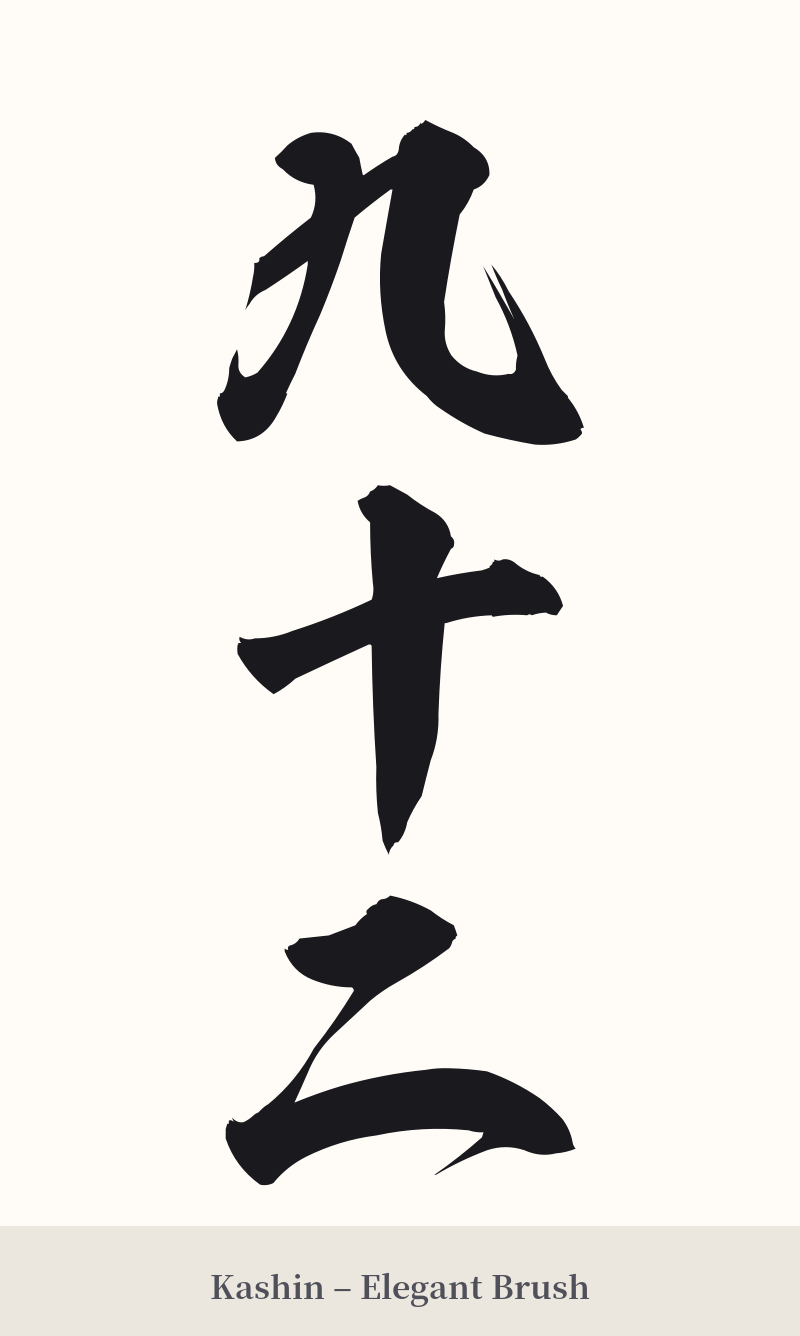
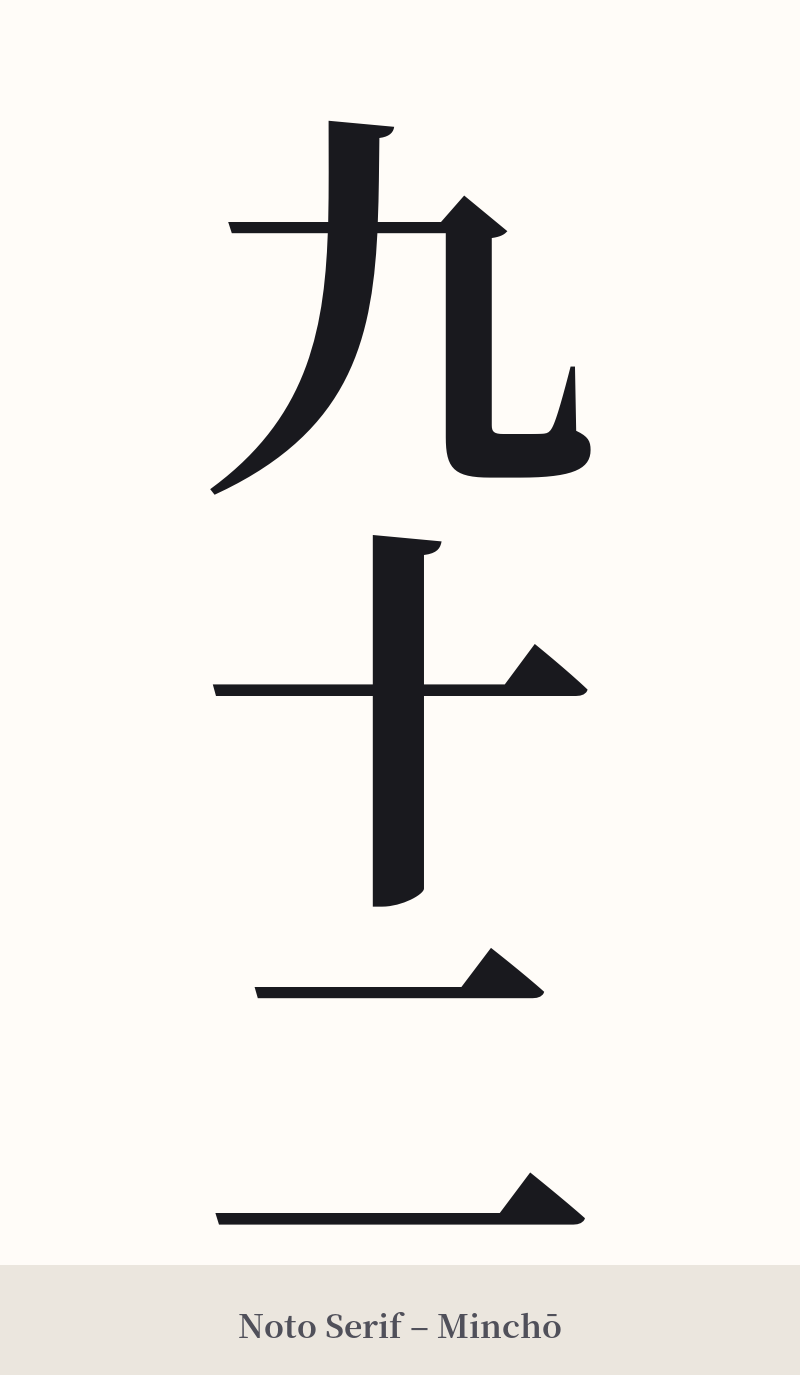
🖌️ Font Styles for 九十二
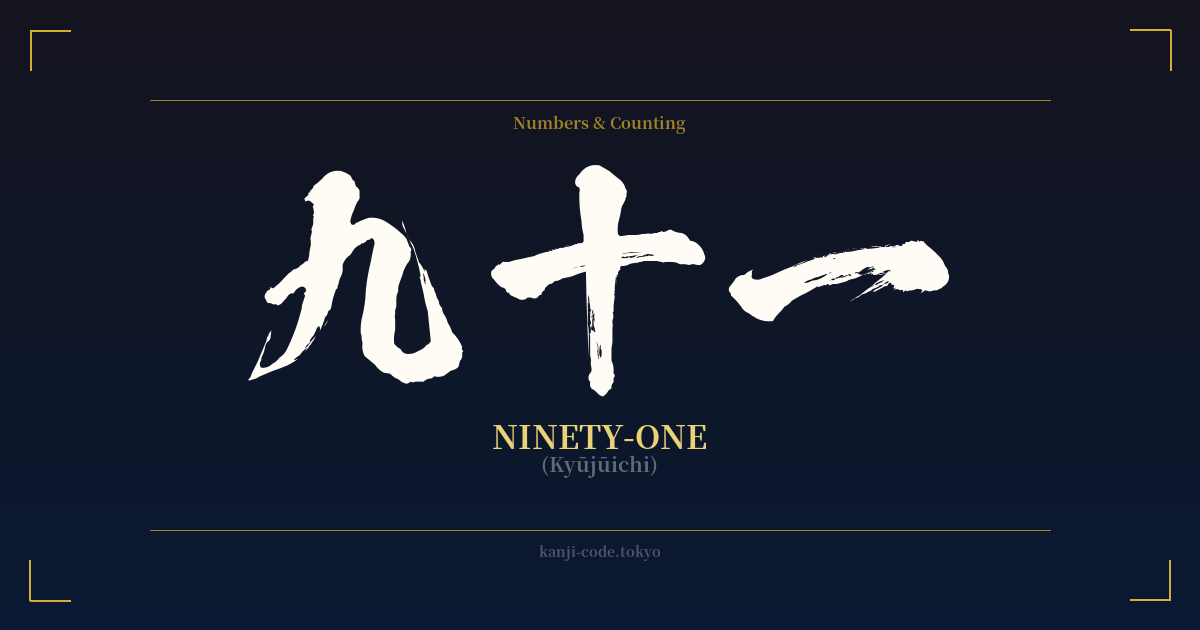
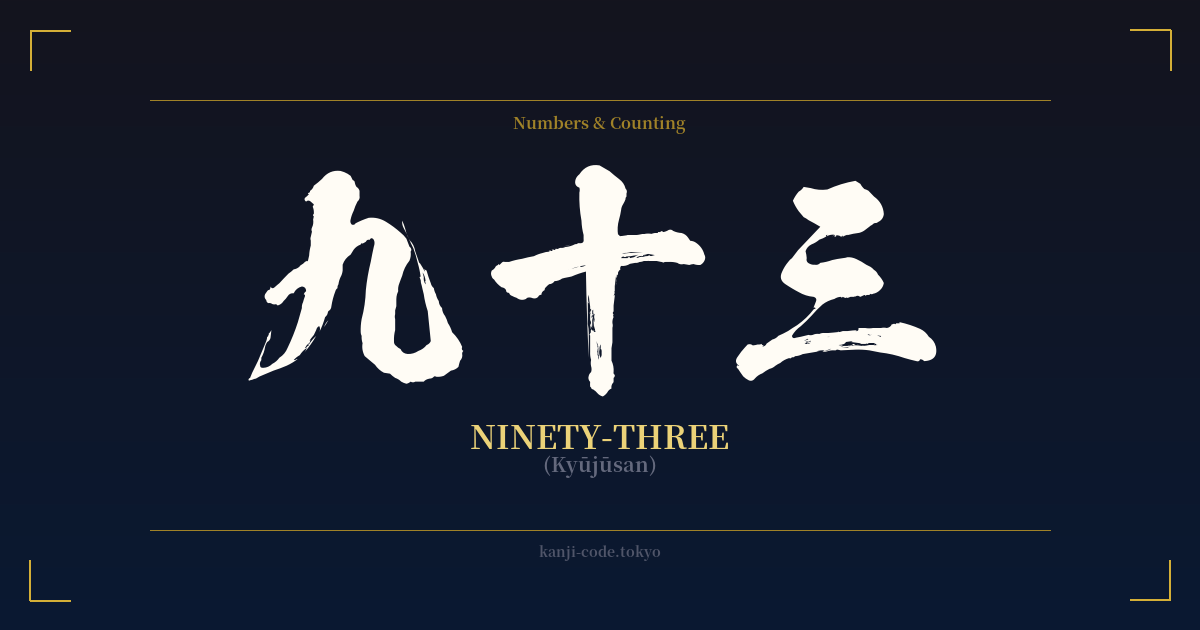
The same kanji can look dramatically different depending on the calligraphy style. Choose a font that matches the mood you want for your tattoo or design.
🎨 Tattoo Suitability
📐 Tattoo Design Guide
For a tattoo of 九十二, the design should reflect the inherent simplicity and structure of the characters. This is not a concept that calls for a large, dramatic back piece; rather, it suits more personal and subtle placements.
– Placement: Consider small, discrete locations like the inner wrist, behind the ear, on the ankle, or along the collarbone. A vertical arrangement along the spine or ribs could also be very effective, emphasizing the stacking nature of the number's construction.
– Style: A minimalist, clean font like a modern Mincho or a sans-serif Gothic style would complement the simplicity of the kanji. Alternatively, a flowing, semi-cursive (gyōsho) calligraphy style could add a touch of organic elegance to the stark, two-stroke characters, creating a beautiful contrast.
– Visual Tips: The vertical orientation (tategaki) is the most traditional and visually appealing for multi-character kanji compounds. The characters should flow downwards: 九 at the top, then 十, then 二. This arrangement reinforces the 'nine-tens-two' structure and creates a balanced, linear design.
Comments